What a Bend Pulley Does
A bend pulley is a key component in a conveyor system that changes the direction of the conveyor belt without driving it. Unlike a drive pulley, which transmits power, or a tail pulley, which maintains belt tension at the loading end, the bend pulley simply guides the belt along its return path or around obstacles. This redirecting action helps maintain proper belt tracking and tension, especially in long or complex conveyor routes found in mining, coal preparation, cement plants, and power stations.
Often referred to as a redirecting pulley, this component is distinct from other pulley types and should not be confused with them. Its role is purely to alter the belt’s course, reducing the need for additional transfer points and enabling a more compact conveyor layout.
Construction and Key Features
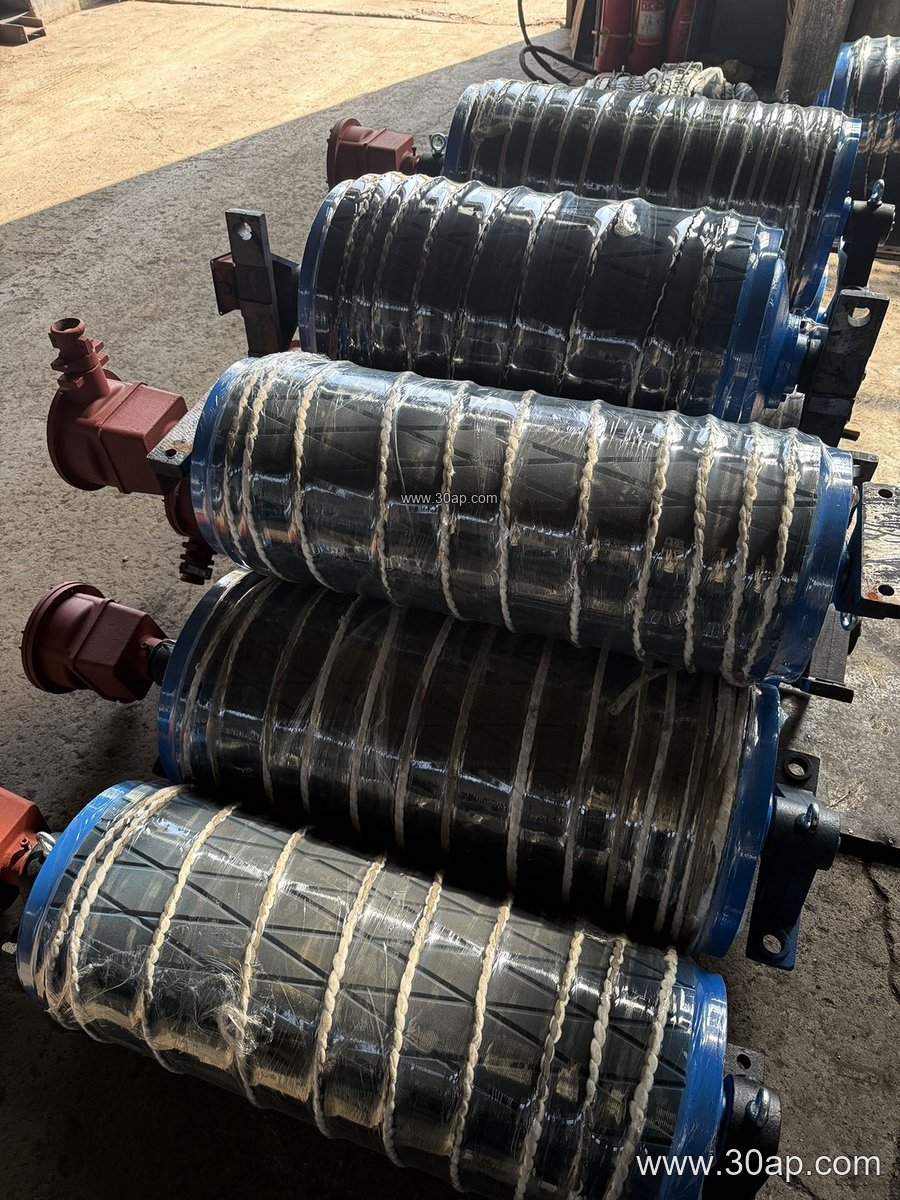
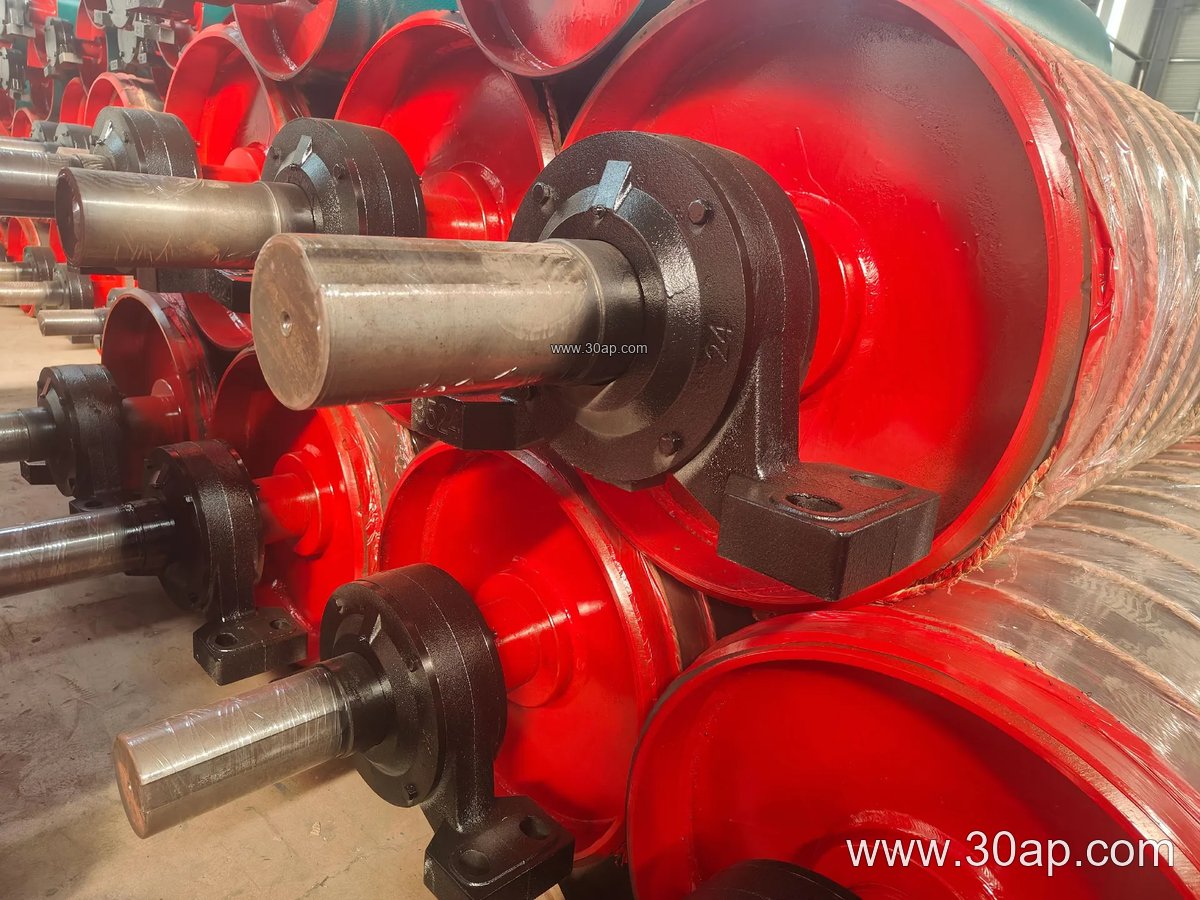
Bend pulleys are typically built with a cylindrical shell, shaft, bearings, and a locking assembly. The shell is usually made from steel or cast iron, and may be covered with rubber or ceramic lagging to improve grip and protect the belt. Common surface options include plain, rubber lagged, diamond grooved, and ceramic lagged, with lagging thicknesses often ranging from 8 mm to 20 mm depending on the application.
Standard diameters for bend pulleys can vary widely, for example Ø200 mm to Ø1400 mm, and are selected based on belt width, tension, and the required wrap angle. The pulley face width is generally slightly wider than the conveyor belt; for instance, a B800 belt might use a pulley face of about 950 mm, while a B1200 belt could correspond to a 1400 mm face. It is important to note that a specific belt width can accommodate a range of pulley diameters, and the shaft diameter is determined by torque and load calculations, not simply by belt width.
Where It Is Used
Bend pulleys are found in a variety of bulk material handling operations. In the aggregate and quarry industry, they help route conveyor belts around crushing and screening equipment. In coal mining, both underground and surface operations rely on bend pulleys to guide belts through tunnels and around transfer points. Cement plants use them to manage the return strand of clinker and raw material conveyors. Power plants employ bend pulleys in coal handling systems to maintain proper belt tension over long distances.
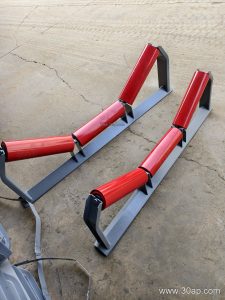
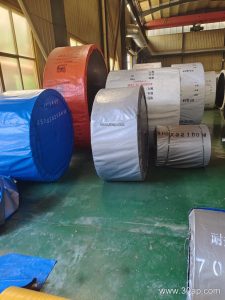
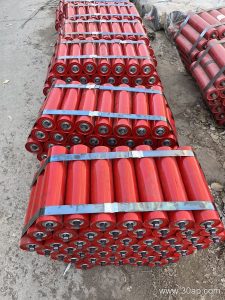
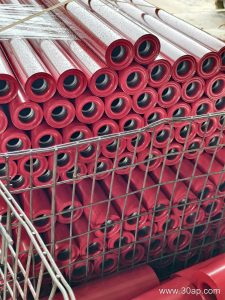
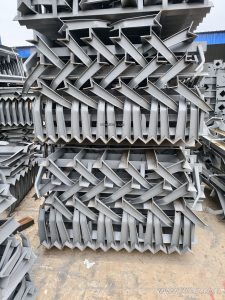
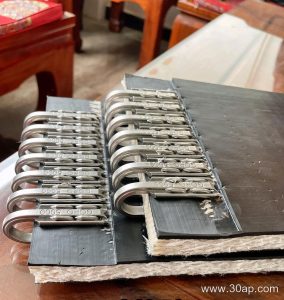
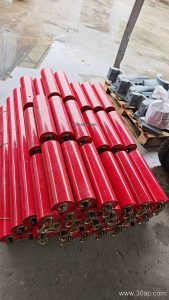
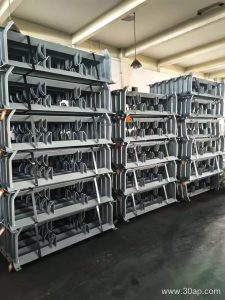
These pulleys are often used in conjunction with conveyor idlers, conveyor brackets, and various types of conveyor belting, such as EP conveyor belt, steel cord conveyor belt, and heat resistant conveyor belt, to ensure smooth and efficient material flow.
Selection and Maintenance Tips
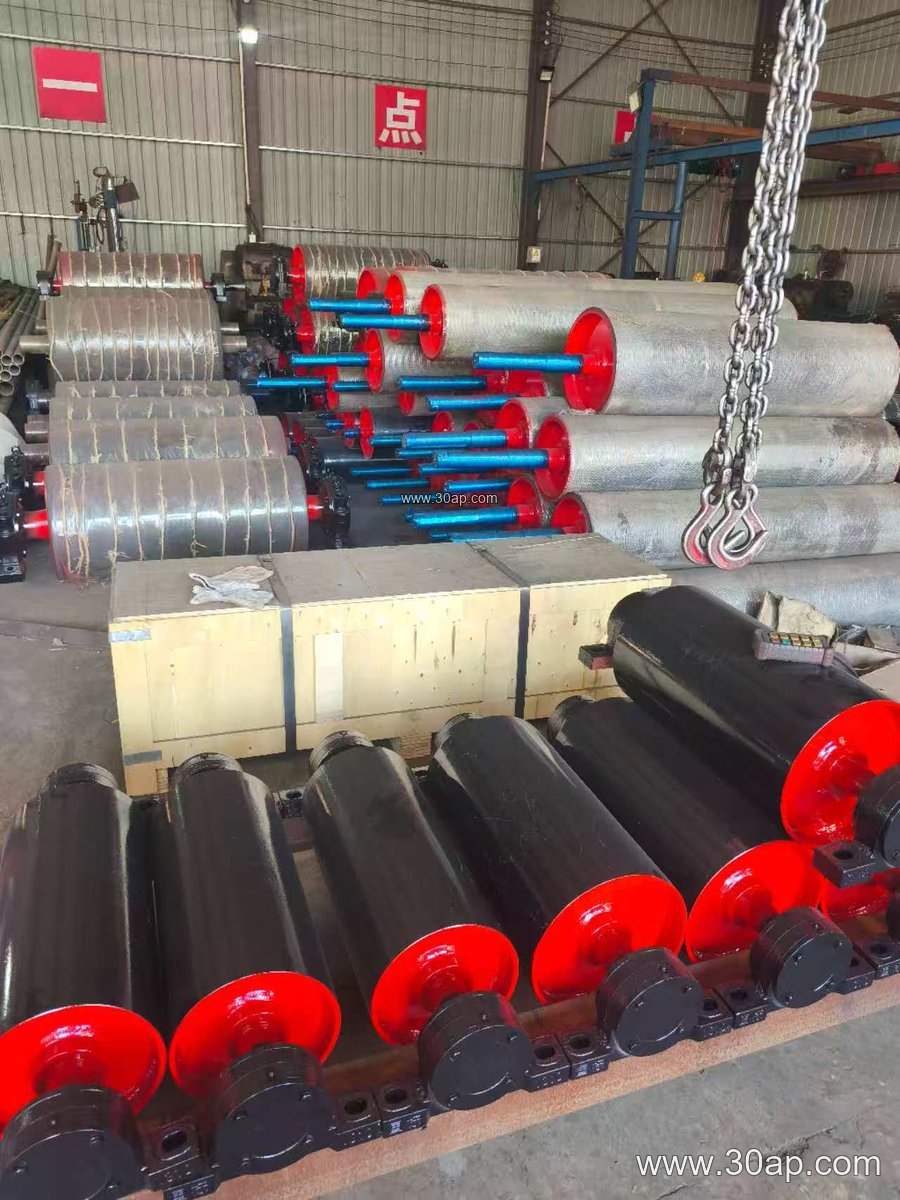
When selecting a bend pulley, consider the belt width, operating tension, pulley diameter, and environmental conditions. For abrasive materials like iron ore or copper ore, a rubber or ceramic lagged surface can extend pulley life. In dusty or wet conditions, proper sealing and bearing selection are crucial.
Regular maintenance includes checking for belt misalignment, inspecting lagging wear, and lubricating bearings as needed. Ensuring the pulley is correctly aligned with the conveyor frame helps prevent premature belt edge damage and reduces the risk of belt slippage.
For more information on conveyor components and belting solutions, visit conveyor pulley and bend pulley.