What an Aggregate Conveyor Belt Is
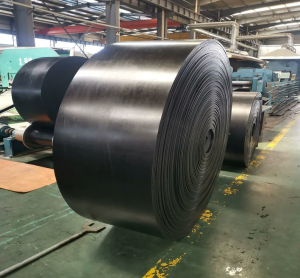
An aggregate conveyor belt is the moving belt surface that carries crushed stone, sand, gravel and screened material between the stockpile, crusher, screen and loadout points of a quarry or sand and gravel plant. It is the load-bearing element of a belt conveyor, working together with idler rollers, conveyor pulleys and conveyor brackets. The belt is usually a multi-ply rubber product with fabric or steel cord reinforcement, covered on both faces by rubber that protects the carcass from abrasion, impact and moisture.
Because aggregate is heavy, sharp-edged and often delivered at high volume, the belt needs good cut and gouge resistance, stable tracking and enough tensile strength to handle the duty load without excessive stretch.
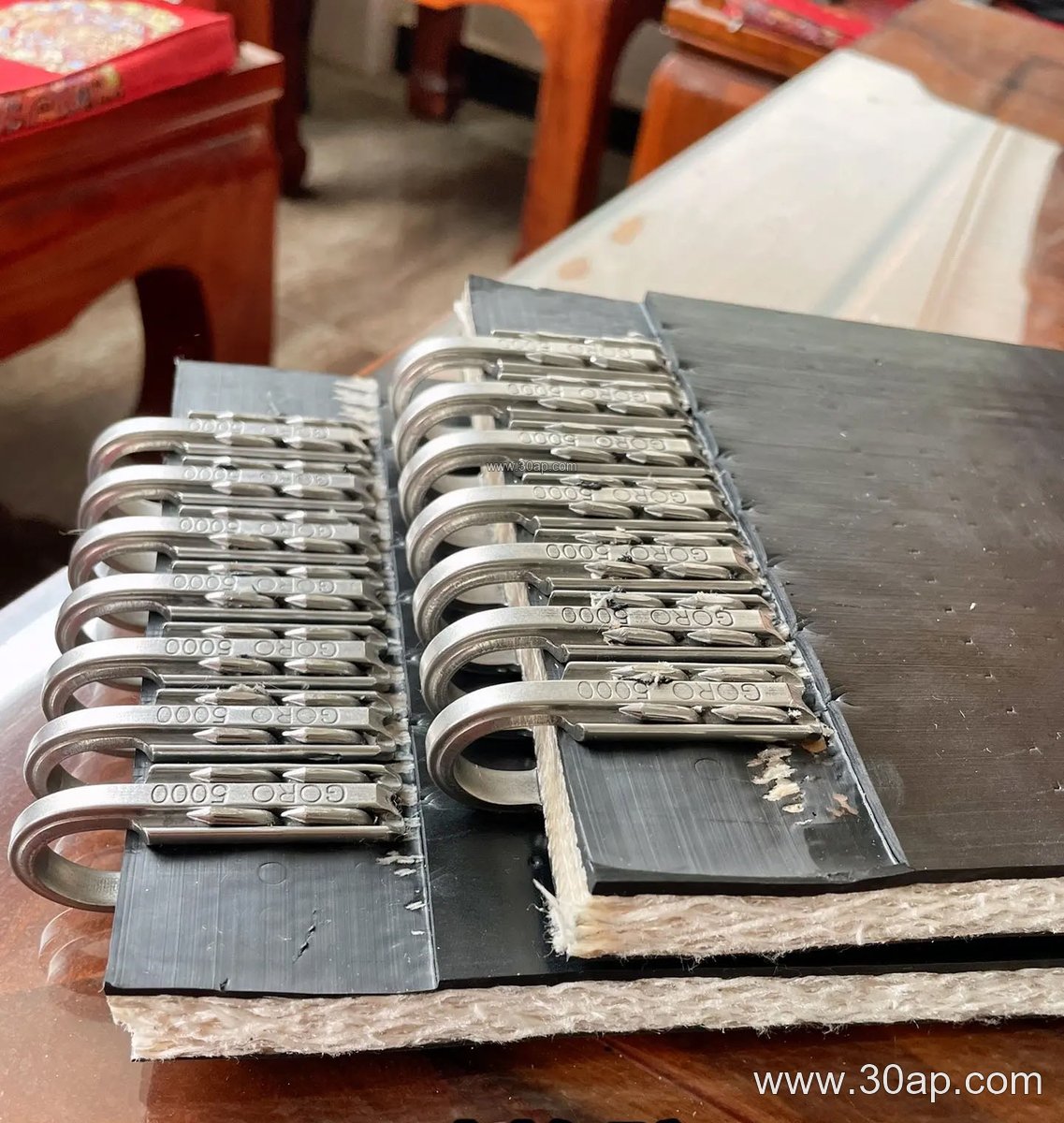
Construction of the Belt
The carcass gives the belt its strength and resistance to elongation. Common constructions include EP (polyester-cotton) fabric, NN nylon fabric and steel cord. Small numbers of layers suit short runs, while longer or higher-capacity conveyors usually need more plies or a stronger single-ply design. The cover rubber is specified as top and bottom thickness, for example 4+2 mm or 6+2 mm, and the grade is chosen for the material handled.
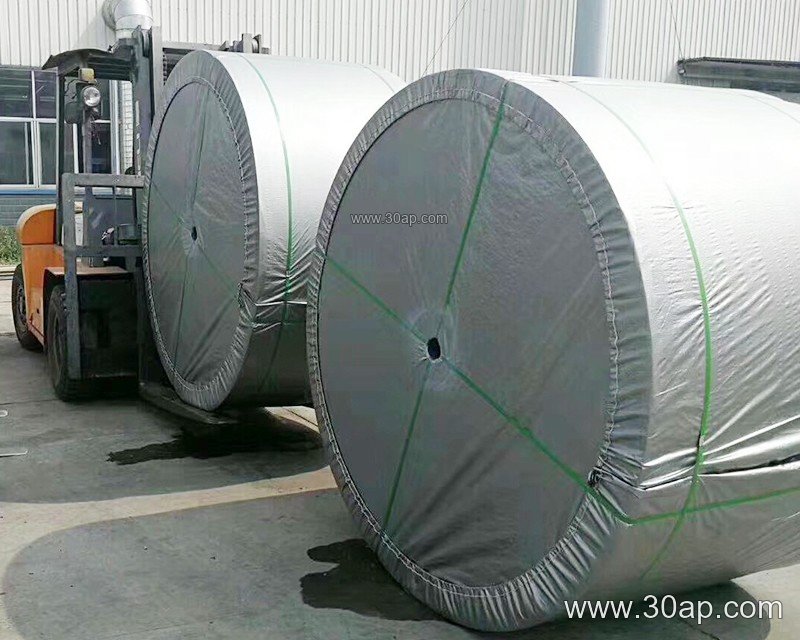
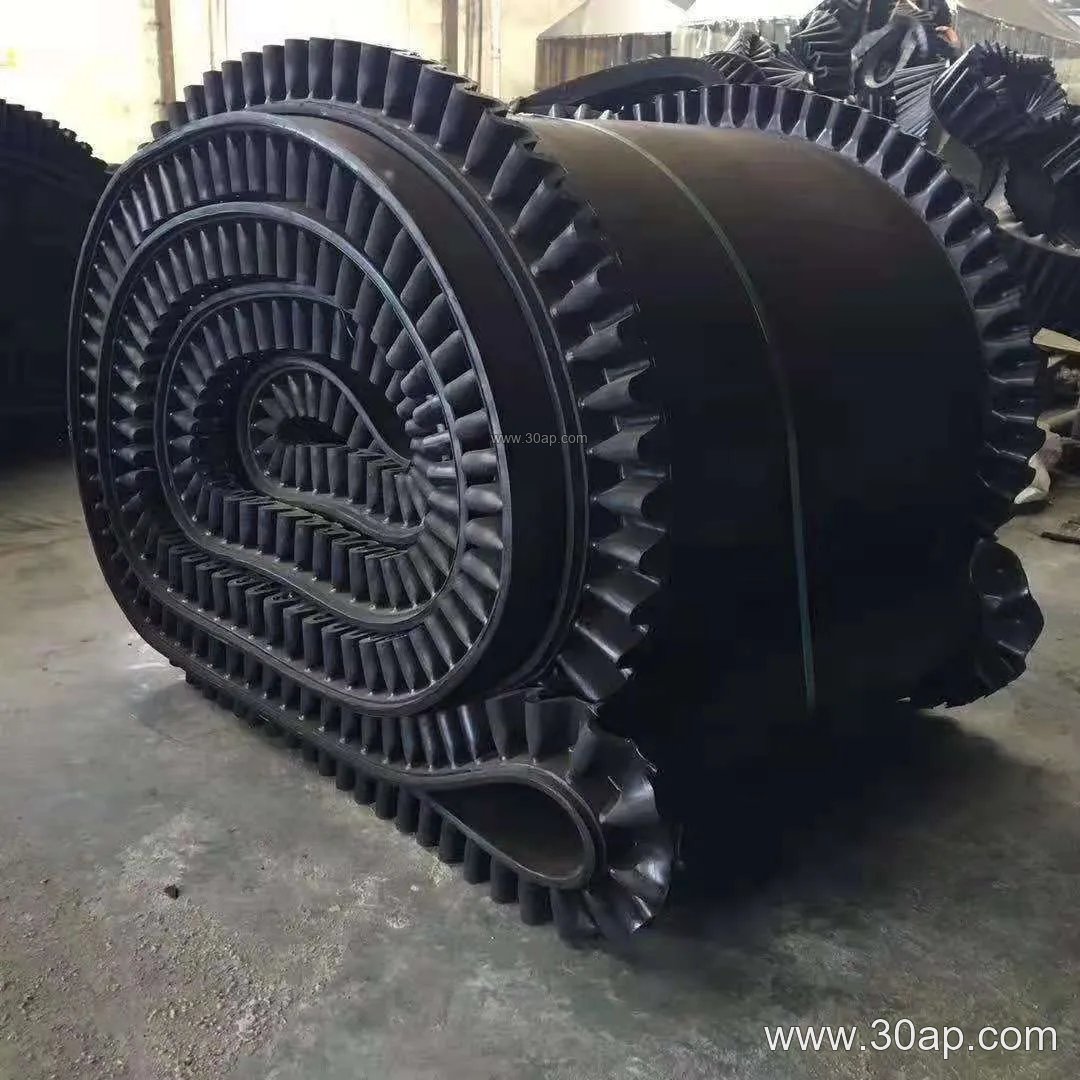
For dusty aggregate lines, antistatic and flame-retardant grades are often requested where the environment calls for them. In cement plants, power stations and coal handling, heat-resistant or oil-resistant covers may be needed. Chevron or cleated surfaces are used on inclines where material would otherwise roll back; they are a surface form of the same belt, not a separate product. Sidewall belts are a different design and are only worth comparing when the conveyor has very steep inclines.
Common Reference Data
The following figures are typical reference values, not fixed specifications. Final choice depends on the conveyor design, material lump size, loading method and site conditions.
| Item | Common reference values |
|---|---|
| Belt width | B500, B650, B800, B1000, B1200, B1400, B1600, B1800, B2000 |
| Tensile strength grade | EP200, EP315, EP400, EP500, EP630, EP800, EP1000, EP1250, EP1600, EP2000 |
| Cover thickness | 3+1.5, 4+2, 5+2, 6+2, 8+3 mm |
| Carcass plies | Usually 2 to 6 layers for fabric belts |
| Surface forms | Smooth, chevron or patterned, abrasion-resistant, heat-resistant, oil-resistant, flame-retardant, antistatic, cold-resistant, acid and alkali resistant |
A wider belt does not automatically mean a larger pulley diameter, and a given width does not dictate a single shaft size. Pulley and shaft dimensions are set by the conveyor designer from belt tension, wrap angle and drive power.
Where the Belt Is Used
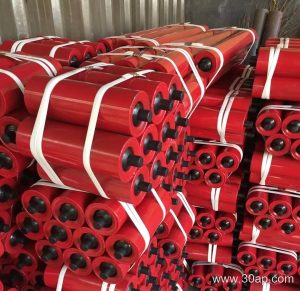
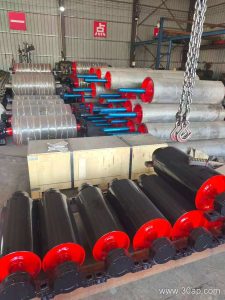
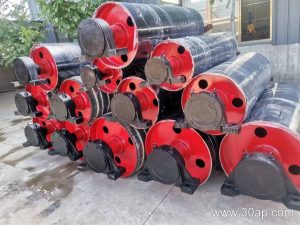
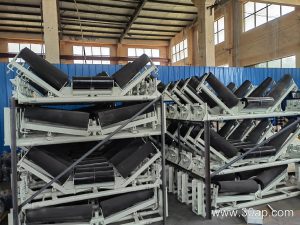
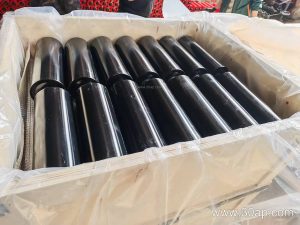
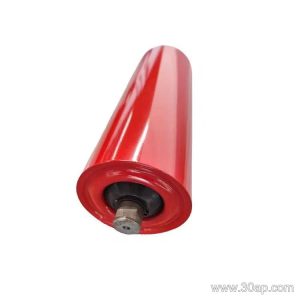
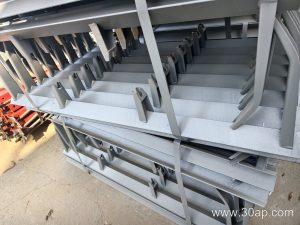
Aggregate conveyor belts appear throughout mines, coal preparation plants, cement works, power plants and sand and gravel yards. Typical duties include feeding a primary crusher, carrying screened stone to stockpiles, transferring sand from a wash plant, and loading trucks or rail cars. In these lines the belt runs over idler rollers that support the load, around a drive pulley that provides motion, a tail pulley that returns the belt, and bend pulleys that guide the return path. Conveyor brackets hold the idlers and pulleys in alignment along the frame.
Each of these components has its own job and should be specified separately. A drive pulley, tail pulley and bend pulley are not interchangeable, and a damaged pulley should be replaced with the correct type rather than a substitute.
Buyer Checklist
- State the material, lump size and expected throughput so the width and strength grade can be matched to the duty.
- Confirm the conveyor length, incline angle and loading point; impact at the feed point often calls for a thicker top cover.
- Choose the cover grade for the environment: abrasive stone, oily material, heat, cold or dust with static risk.
- Check the pulley diameters, trough angle and idler spacing with the conveyor designer before ordering.
- Ask for the belt’s splice method and edge condition, since these affect tracking and service life.
- Keep spare belt sections, idler rollers and pulley lagging available to reduce downtime in a busy quarry.
Regular inspection of belt edges, cover wear and pulley lagging helps catch tracking problems early. A well-matched aggregate conveyor belt, running on correctly aligned pulleys and idlers, gives steady output from the crusher to the stockpile with fewer stoppages.