What a Four-Roll Idler Bracket Does
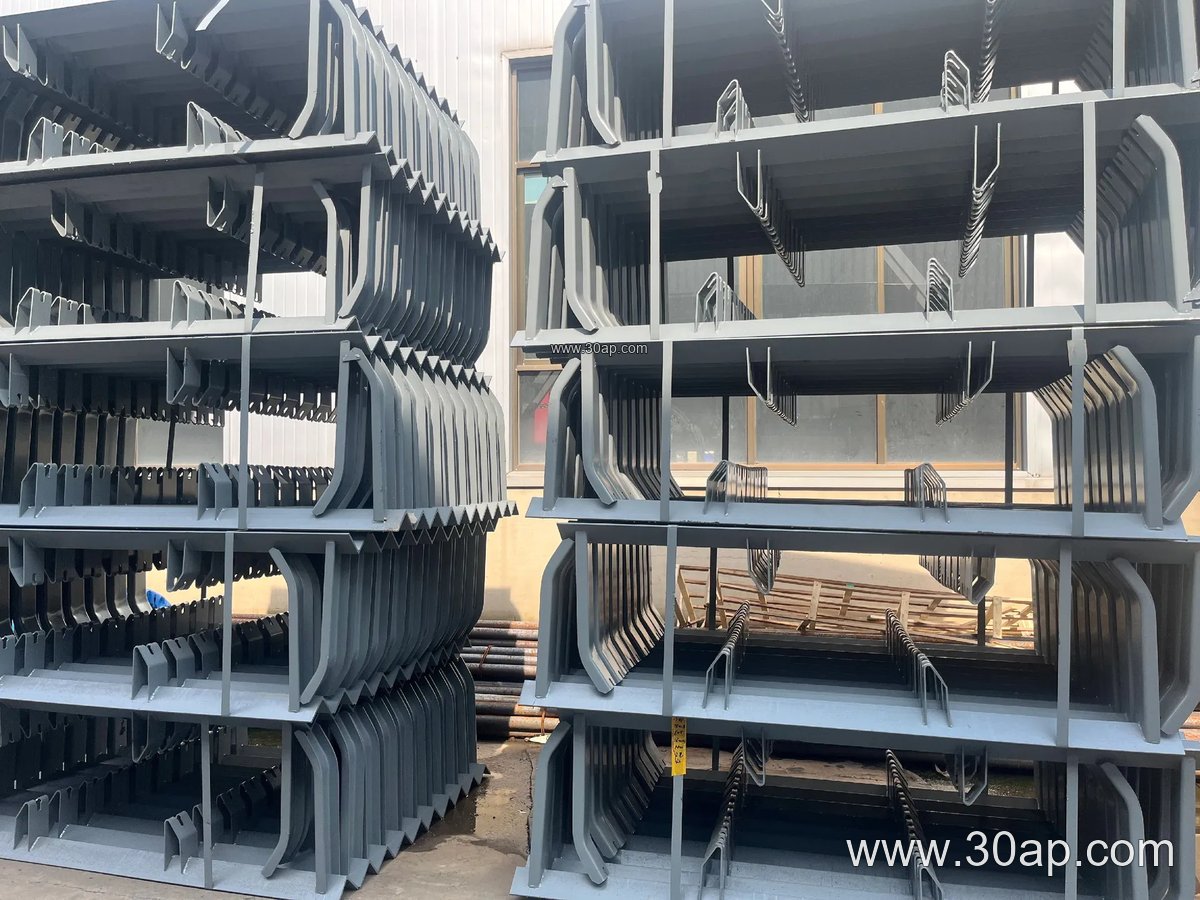
A four-roll idler bracket is the steel support assembly that carries four idler rollers under a conveyor belt, forming a deeper trough than a conventional three-roll arrangement. In a quarry or a coal wash plant, that extra roll shares the load across more contact points, so the belt sits in a smoother curve and the outer rolls do less individual work. The bracket is not a roller itself, and it is not a conveyor pulley; it is the frame that positions the troughing rolls and ties them to the conveyor stringer. On a fully loaded quarry conveyor belt, the difference in belt tracking and spillage control is often noticed first at transfer points and along curves.
How the Assembly Is Built
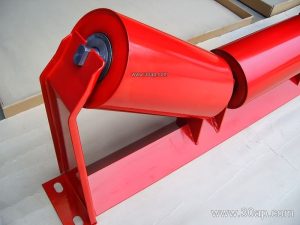
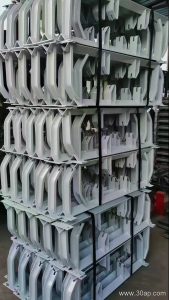
Most four-roll idler brackets are fabricated from angle steel, channel steel, or folded steel plate, with welded gussets at the corners and drilled mounting slots for the roll shafts. The frame usually includes a base beam that bolts to the stringer, two outer inclined arms, and an intermediate support that holds the two inner rolls at a shallower angle. Powder coating or hot-dip galvanizing is common for outdoor installations. Because the four rolls sit in one cradle, the bracket must be stiff enough that the outer arms do not flex when a heavy ore conveyor belt passes over at speed.
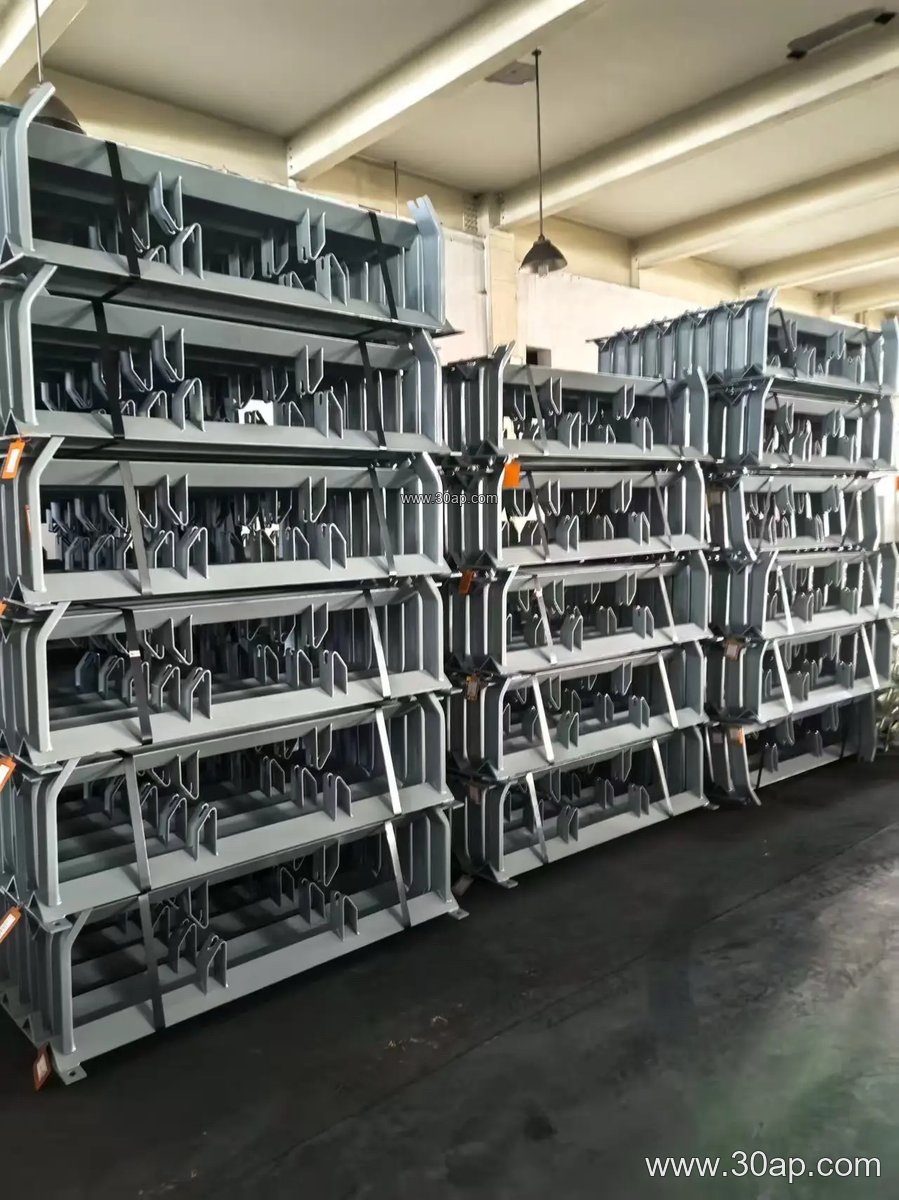
Roll diameters are matched to the bracket design. Typical references include Ø89, Ø108, Ø133, Ø159 and Ø194, and the frame is usually ordered together with the trough angle and belt width rather than as a universal part.
Typical Reference Configurations
The values below are common reference points, not fixed rules. Actual hole spacing, beam length and roll positions are determined by the conveyor design, belt width and trough angle.
| Belt width | Trough angle | Roll diameter | Typical setting |
|---|---|---|---|
| B650 | 30 degrees | Ø89 | Light aggregate lines |
| B800 | 35 degrees | Ø108 | General quarry duty |
| B1000 | 35 degrees | Ø133 | Crusher discharge belts |
| B1200 | 45 degrees | Ø133 | High-capacity ore transfer |
| B1400 | 45 degrees | Ø159 | Heavy bulk material duty |
| B1600 | 35 to 45 degrees | Ø159 or Ø194 | Mainline plant conveyors |
Adjustable versions allow the trough angle to be changed between roughly 20, 30, 35 and 45 degrees during installation, which helps when a plant is commissioned before final belt loading is known.
Where It Fits on the Conveyor
The four-roll bracket is normally used on the carrying side of the belt, and it is most valuable where the belt is wide, the material is heavy, or the load is uneven. In a limestone mine, a four-roll cradle behind the primary crusher keeps a high-abrasion conveyor belt centered while lump rock drops onto it. In a coal wash plant, the same bracket on a dewatering or product belt helps keep fines from working under the skirt rubber. It is also seen on sinter lines and in sand and gravel plants where a wide belt carries a deep bed of material.
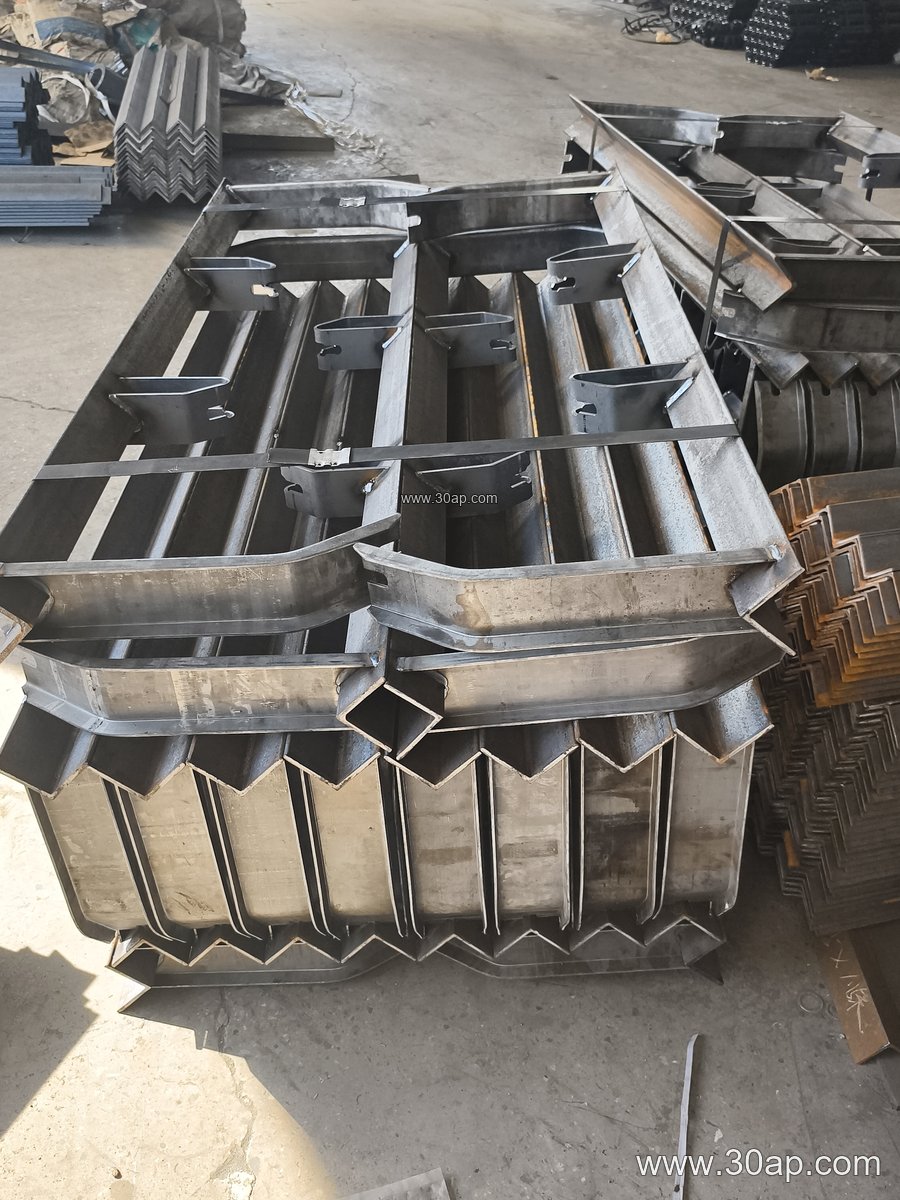
It should not be confused with return-side supports or with transition brackets near a conveyor pulley. Those are separate components with their own geometry, and a four-roll carrying bracket is not a substitute for them.
Buyer Checklist
- Confirm belt width, trough angle and roll diameter together, since the frame geometry follows all three.
- Ask for the mounting hole pattern and overall beam length, not just the nominal belt size.
- Check material thickness and finish, especially for wet wash plants and coastal ports.
- Decide between fixed and adjustable brackets before ordering; adjustable frames simplify later angle changes.
- Match the bracket to the actual idler roller shaft ends and bearing type used on site.
A four-roll idler bracket is a small part of the conveyor, but it controls how the belt and rolls work together. Ordering it with the correct roll diameter, trough angle and hole spacing avoids field modification and keeps the belt running straight. For related components, see the conveyor bracket range and matching idler roller options at conveyorbeltparts.com, and compare belt specifications such as EP conveyor belt and flame retardant conveyor belt grades before finalizing the support layout.