What Conveyor Bracket Procurement Covers
Conveyor bracket procurement is the process of specifying and buying the steel supports that hold idler rollers in position along a belt conveyor. The bracket, often called a conveyor support bracket or idler frame bracket, is a fabricated steel component that carries the idler roller shaft and sets the belt’s trough profile. Buyers who treat this as a simple commodity purchase often end up with mismatched hole spacing, wrong trough angles, or frames that do not fit the stringer. Getting the details right at the enquiry stage saves rework during installation.
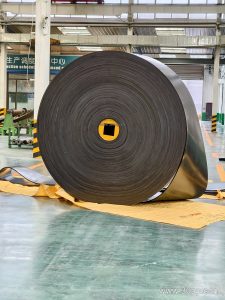
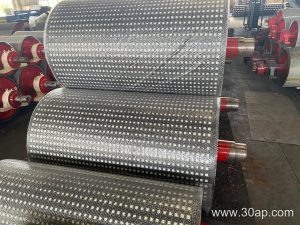
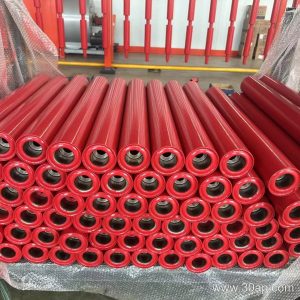
The bracket works together with the conveyor belt, the idler roller, and in some cases a conveyor pulley at the head or tail. A well-matched support set keeps the belt tracking smoothly and extends roller life in demanding sites such as a quarry, a cement plant, or a power plant coal yard.
How a Conveyor Support Bracket Is Built
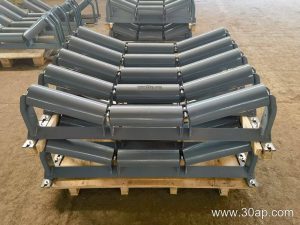
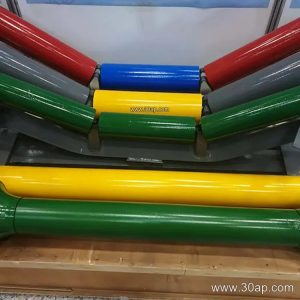
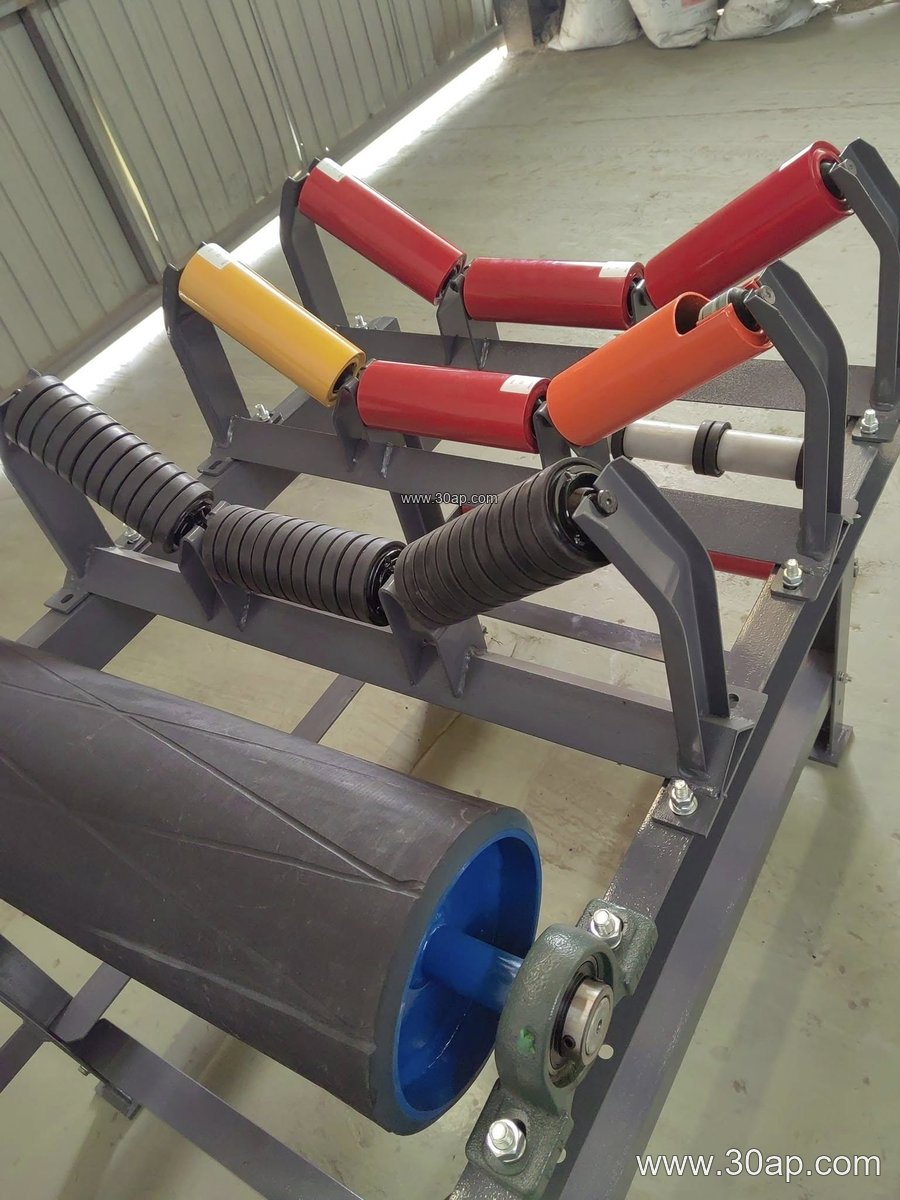
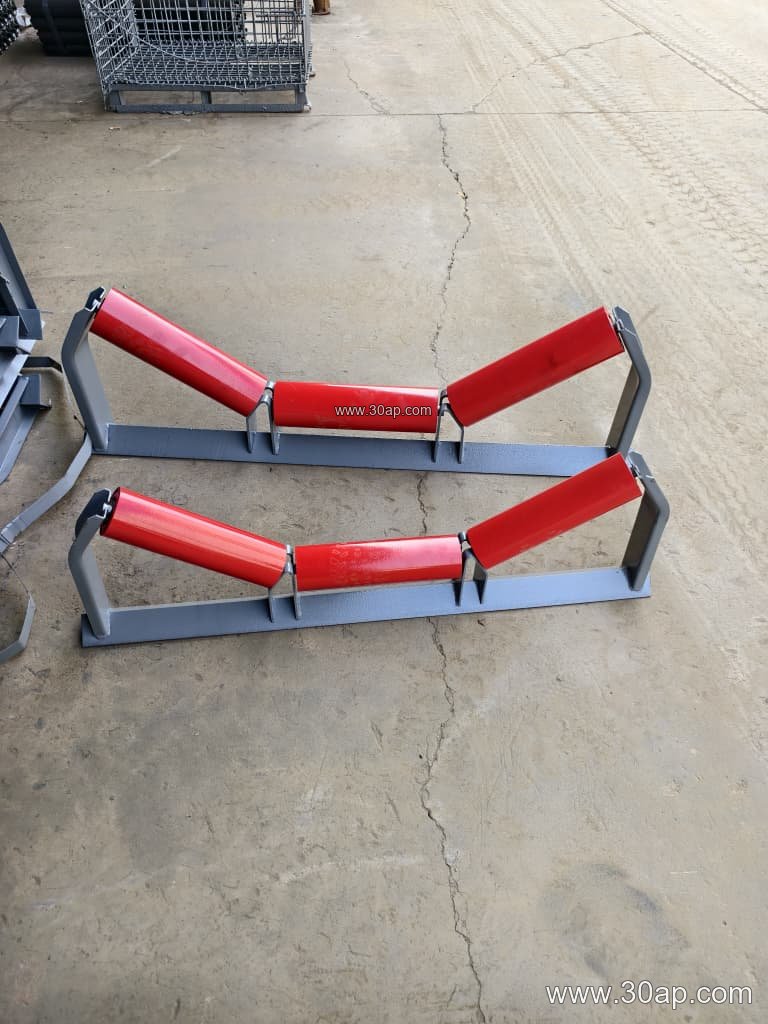
Most brackets are made from angle steel, channel steel, or folded steel plate. The fabrication choice affects stiffness and weight. A troughing bracket for the carrying side usually has two or three roller seats set at a fixed or adjustable angle. Return-side brackets are flatter, and V-return brackets use two rollers in a V shape to help center the belt.
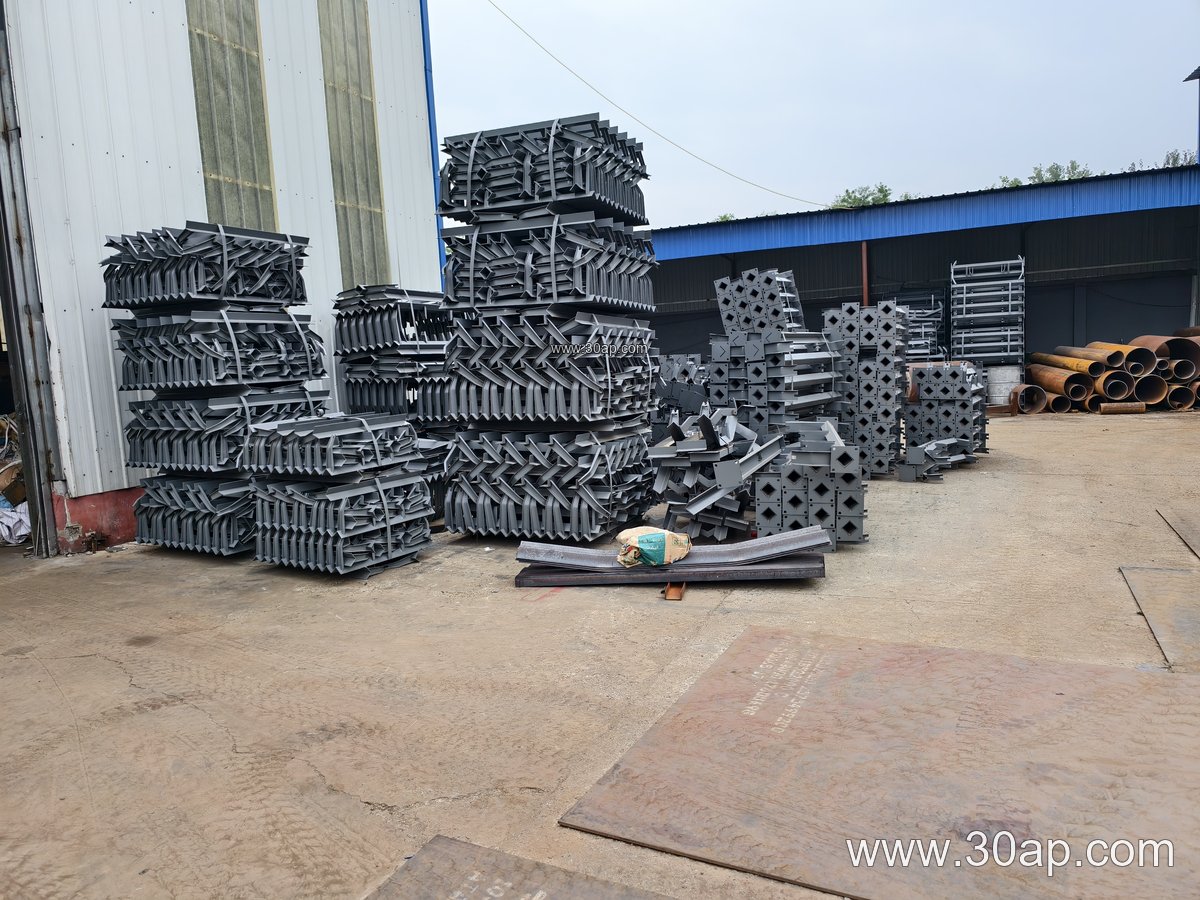
Key features to confirm on a drawing include:
- Mounting hole spacing and beam length, which vary with belt width and trough angle
- Trough angle, commonly 20, 30, 35, or 45 degrees
- Roller diameter the bracket accepts, such as Ø89, Ø108, Ø133, Ø159, or Ø194
- Whether the frame is fixed or adjustable
- Surface treatment and any required corrosion protection
Adjustable brackets let maintenance teams fine-tune the trough angle within a range, which is useful when a conveyor handles mixed loads. Fixed brackets are simpler and often preferred where the belt profile should not change.
Matching Brackets to Belt Width and Roller Size
Belt width and roller diameter are linked through the bracket design, but there is no single mandatory pairing. A B800 conveyor might run 30 or 35 degrees with Ø108 rollers, while a B1200 line could use 45 degrees and Ø133 rollers depending on the load and belt stiffness. The table below shows typical reference combinations; final values should always follow the conveyor design.
| Belt Width | Common Trough Angle | Typical Roller Diameter | Bracket Note |
|---|---|---|---|
| B500 | 20–30 degrees | Ø89 | Light-duty fixed or adjustable frame |
| B650 | 30 degrees | Ø89–Ø108 | Standard troughing bracket |
| B800 | 30–35 degrees | Ø108 | Fixed or adjustable trough frame |
| B1000 | 35 degrees | Ø108–Ø133 | Heavier stringer mounting |
| B1200 | 35–45 degrees | Ø133 | Reinforced channel or folded plate |
| B1400 | 35–45 degrees | Ø133–Ø159 | Heavy-duty troughing set |
| B1600 | 35–45 degrees | Ø159 | Mining and port duty frames |
| B1800 | 35–45 degrees | Ø159–Ø194 | High-load support brackets |
| B2000 | 35–45 degrees | Ø194 | Extra-wide conveyor frames |
These are reference ranges, not fixed rules. A wide belt does not automatically require the largest roller, and a narrow belt can still use a heavier bracket where impact loads are high.
Where These Supports Are Used
Conveyor brackets appear wherever a belt conveyor moves bulk material. In a limestone quarry or aggregate plant, troughing brackets support the carrying run through crusher feed and screening circuits. In a coal-fired power plant, return brackets and V-return frames keep the belt aligned on long coal conveyors. Cement plants use them on clinker and raw meal lines, while port terminals rely on heavy-duty frames for ship loading conveyors.
The bracket choice should reflect the belt type in service. A heavy-duty mining conveyor belt or a steel cord conveyor belt may need stiffer frames and larger rollers than a lightweight fabric core belt on a short transfer. Where a corrugated sidewall belt or chevron belt is used, check that the bracket and roller arrangement clears the cleats or sidewalls.
Procurement Checklist for Buyers
Before sending an enquiry, gather the conveyor layout drawing and confirm the following:
- Belt width and the required trough angle for each section
- Roller diameter and shaft end type the bracket must accept
- Mounting hole spacing and stringer dimensions
- Fixed or adjustable design, and the adjustment range if applicable
- Material and finish, especially for wet or corrosive environments
- Quantity per conveyor section, including spares for wear points
Ask suppliers to state the fabrication material and confirm dimensions on a drawing rather than relying on a model number alone. For a conveyor bracket procurement project, a clear drawing review before order placement is the most reliable way to avoid fit problems on site.