What a Heat Resistant Conveyor Belt Does
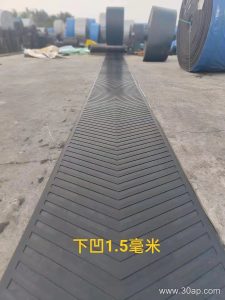
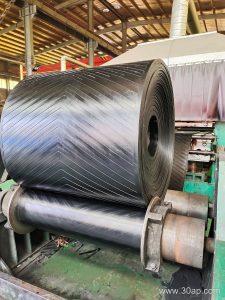
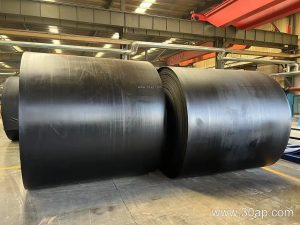
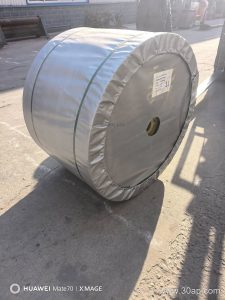
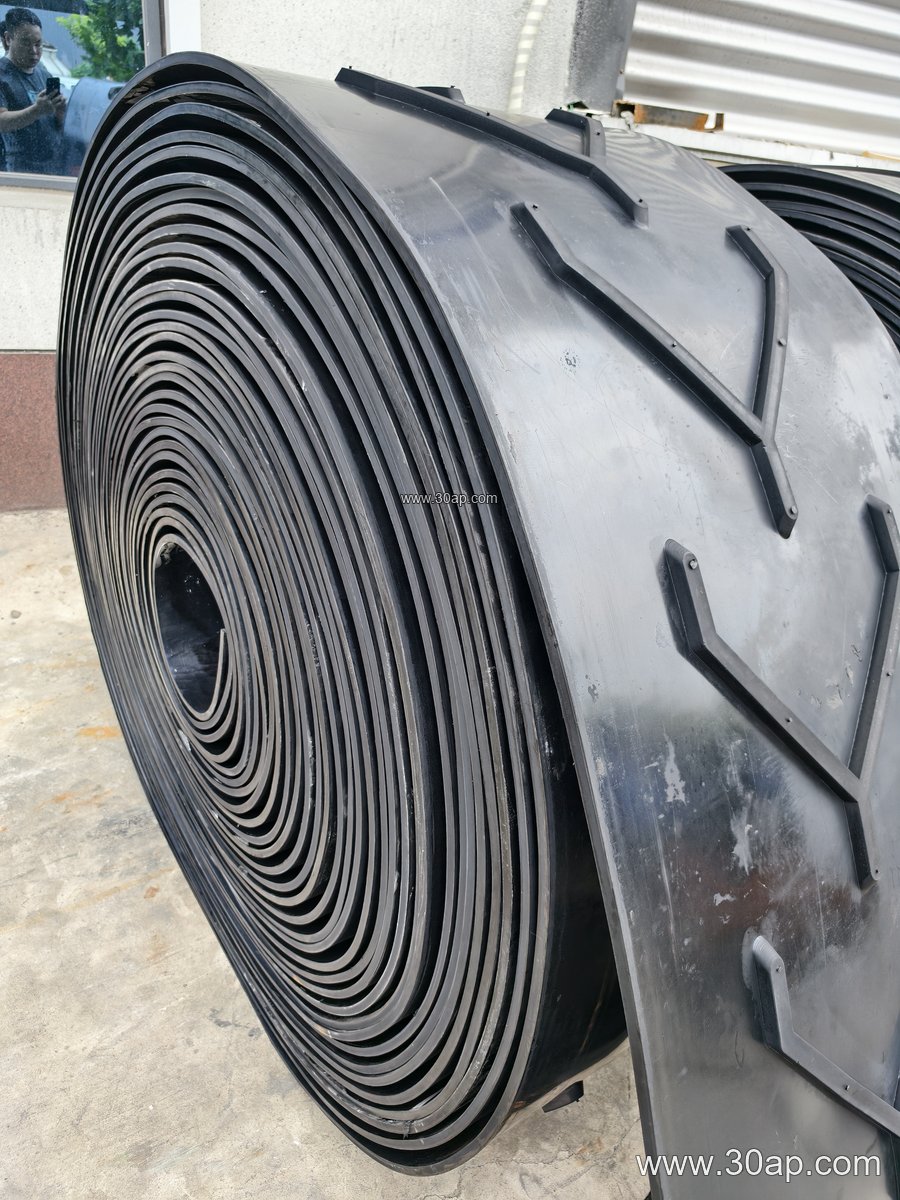
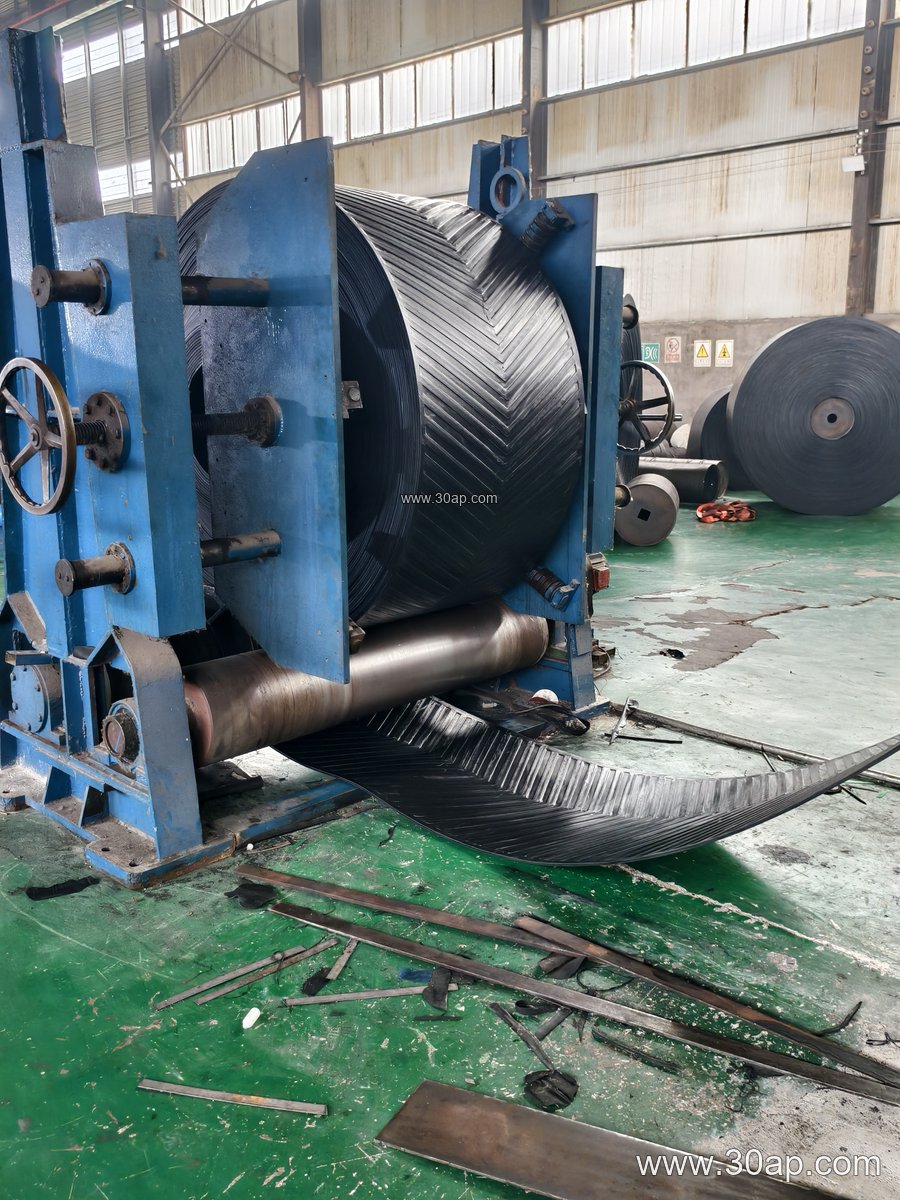
A heat resistant conveyor belt is a heavy-duty rubber conveyor belt engineered to carry hot materials without losing its cover, carcass strength, or dimensional stability. In cement plants, steel mills, power stations, and sinter plants, the belt often receives clinker, coke, ash, or castings at temperatures that would quickly age a standard rubber conveyor belt. The heat resistant conveyor belt uses special cover compounds and sometimes a heat-blocking layer to slow heat transfer into the fabric or steel cord carcass, so the belt can keep running through the hot zone without premature hardening or cracking.
Construction and Compound Choices
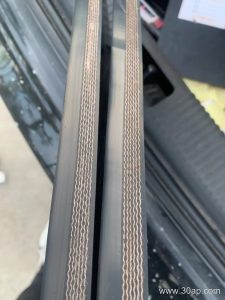
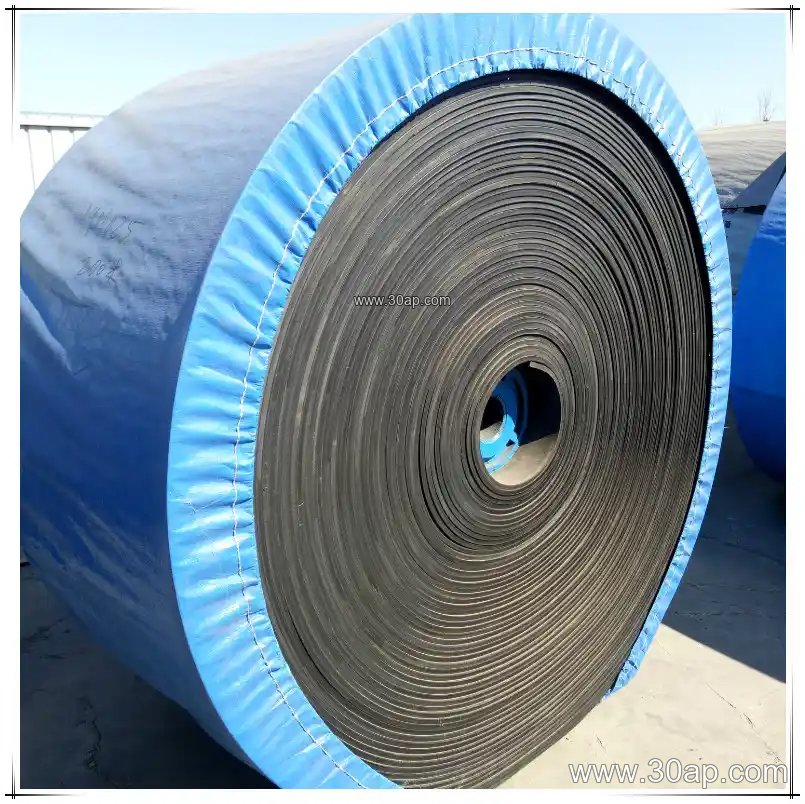
Most heat resistant conveyor belts are built on a fabric core or steel cord carcass. For medium-strength duties, an EP conveyor belt or NN conveyor belt carcass is common, with multiple fabric plies. For very long conveyors or high tensions, a steel cord conveyor belt may be selected. The cover rubber is the key difference: heat resistant grades usually use compounds that resist hardening and cracking under repeated hot loads. Some designs add a thin insulating layer between the cover and carcass. Belt edges and splices also need attention, because heat damage often starts at the splice or at the edge where the cover is thinner.
Typical Applications in Hot Duty
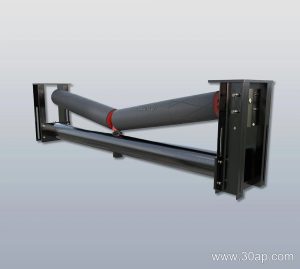
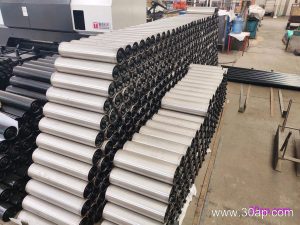
You will find heat resistant belts in cement plants handling clinker and cement, in steel plants moving sinter and coke, in power plants carrying ash, and in foundries and mineral processing lines where material leaves a kiln or furnace. The same belt may run over idler rollers and conveyor pulleys that are exposed to radiant heat, so the whole conveyor layout matters. In some plants a heat resistant conveyor belt works alongside an abrasion resistant conveyor belt or a flame retardant conveyor belt, but each belt is selected for its own section of the line. For hot bulk material, the heat resistant grade is the main subject; other grades are only used where their own property is needed.
Common Reference Data for Selection
The values below are typical reference points, not universal supply promises. Actual construction depends on the conveyor design, material temperature, lump size, and loading conditions.
| Property | Common reference range |
|---|---|
| Belt width | B500, B650, B800, B1000, B1200, B1400, B1600, B1800, B2000 |
| Fabric carcass strength | EP200, EP315, EP400, EP500, EP630, EP800, EP1000, EP1250 |
| Cover thickness | 3+1.5 mm, 4+2 mm, 5+2 mm, 6+2 mm, 8+3 mm |
| Fabric plies | 2 to 6 plies, depending on strength grade |
| Steel cord strength | ST1000, ST1250, ST1600, ST2000 where high tension is needed |
For a hot clinker line, a 5+2 mm cover on an EP1000 carcass at 1200 mm width is a common starting point, but the final choice should follow the conveyor design and the measured material temperature. A belt that is too thin may allow heat to reach the carcass; a belt that is too thick may be unnecessarily stiff around small pulleys.
Buyer Checklist
- Confirm the maximum material temperature and whether it is continuous or intermittent.
- Check the conveyor pulley diameters and the transition distance, because a thick heat resistant belt needs suitable bending radii.
- Review the idler roller spacing and the loading point, since hot lumps can damage the cover quickly.
- Ask for the cover compound grade and the carcass type, such as EP or steel cord, rather than only the belt width.
- Plan splice and edge protection, and inspect the belt regularly in the hot zone.
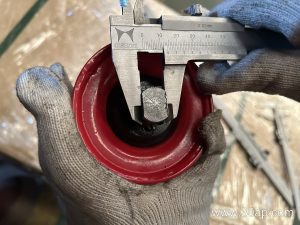
For more information on heat resistant conveyor belt options, visit example.com/heat-resistant-conveyor-belt. Related equipment such as the conveyor pulley, idler roller, and conveyor bracket should be checked together with the belt, because a hot duty conveyor is a system, not a single component.