What Idler Procurement Covers
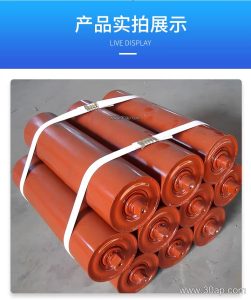
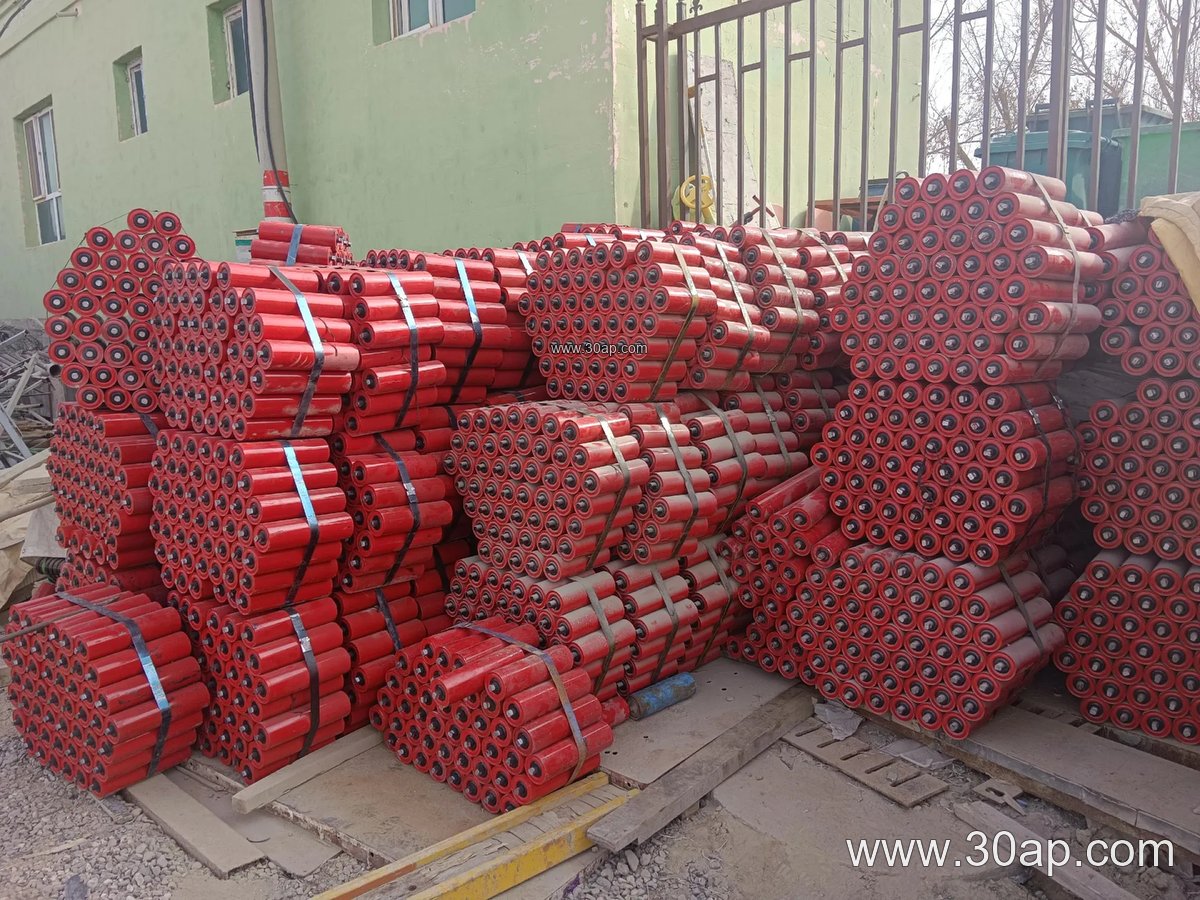
Idler procurement is the process of sourcing the idler rollers that support and guide the conveyor belt along its carrying and return runs. These rollers are not a single commodity item. A procurement plan must match roller type, diameter, length, bearing, and surface to the actual conveyor duty, whether the line handles coal, limestone, clinker, iron ore, or aggregate. On a typical bulk material conveyor, the idler roller set is the most numerous rotating component, so the purchasing decision affects both uptime and long-term maintenance cost. For a reliable reference on conveyor components, see idler roller guidance from experienced suppliers.
How an Idler Is Built
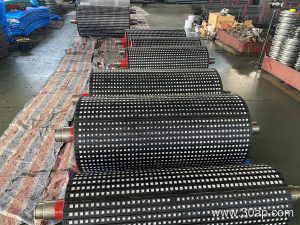
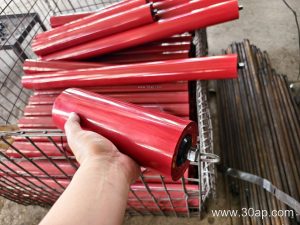
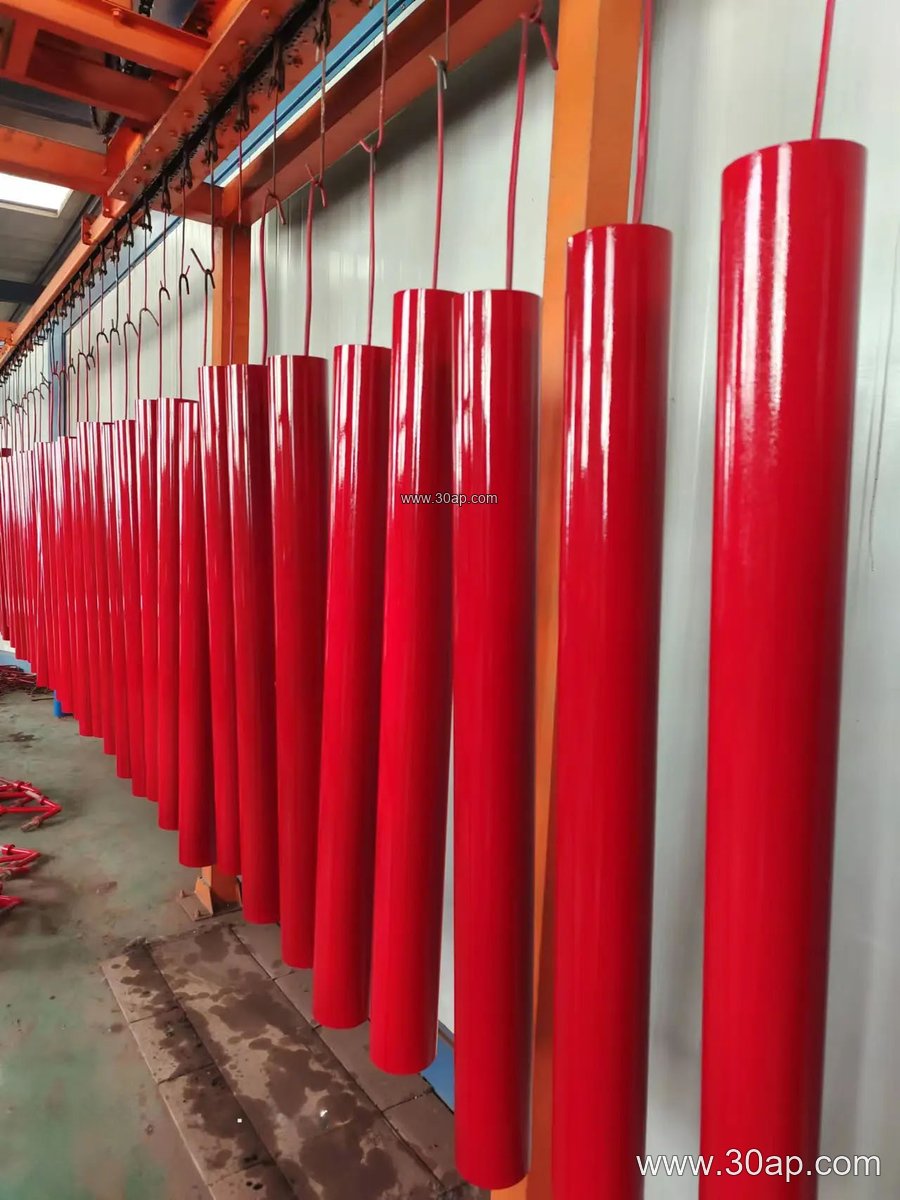
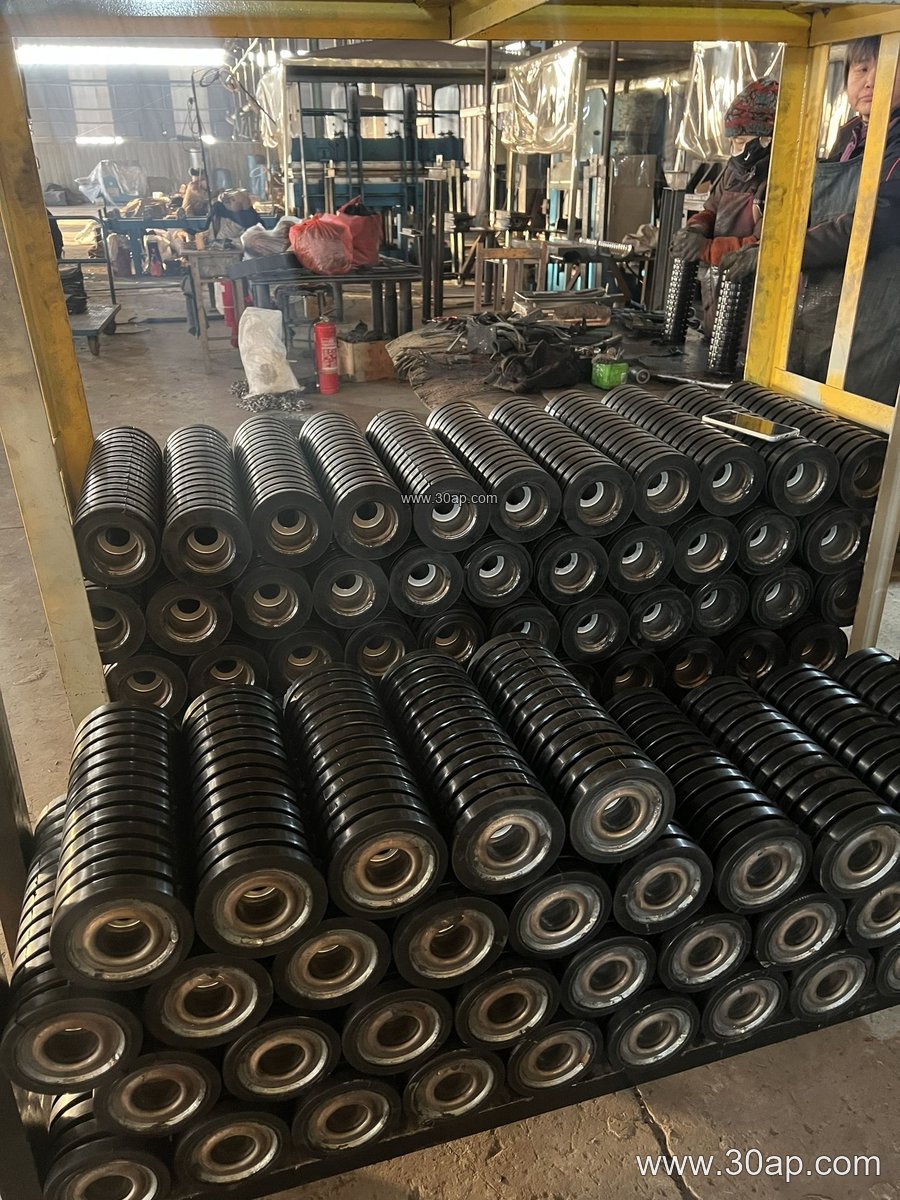
Most idlers share a common structure: a steel tube shell, a shaft, bearing housings, and a sealing arrangement. The shell may be plain steel, nylon-coated, ceramic-lined, or fitted with rubber rings for impact absorption. Bearings such as 6204, 6205, 6305, 6306, 6308, and 6310 are common in general conveyor service, but the correct bearing for a given roller depends on load, speed, and sealing class rather than on roller diameter alone. The seal is often the deciding factor in dusty or wet conditions, because fine particles that reach the bearing shorten service life quickly.
Where Idlers Are Used
Idler procurement matters in almost every bulk handling plant. In a coal mining or underground coal mining conveyor, flame retardant and anti-static properties of the belt are critical, and the idlers must tolerate coal dust and moisture. In a quarry or aggregate line, crusher conveyor sections and transfer points need impact-resistant rollers and well-sealed return rollers. Cement plants use idlers on clinker and raw meal conveyors, where heat and abrasive dust are present. Power plant coal handling, port ship loading, and steel plant sinter lines all rely on correctly specified carrying and return idlers. The belt itself may be an EP conveyor belt, a steel cord conveyor belt, or a fabric core conveyor belt, and the idler selection should follow the belt width and load rather than being chosen in isolation.
Matching Idler Diameter and Belt Width
Roller diameter and belt width are linked but not locked in a one-to-one relationship. Common roller diameters include Ø63, Ø76, Ø89, Ø102, Ø108, Ø127, Ø133, Ø159, Ø178, Ø194, and Ø219 mm. Belt widths commonly run from B400 to B2400. A wider belt usually calls for a larger roller diameter to control sag and rotation speed, but the final choice is a design decision based on load, speed, and idler spacing. The following table gives common reference values only; actual roller length varies with belt width, trough angle, and idler set form.
| Belt Width | Common Roller Length (Three-Roll Trough Set) |
|---|---|
| B500 | about 200 mm |
| B650 | about 250 mm |
| B800 | about 315 mm |
| B1000 | about 380 mm |
| B1200 | about 465 mm |
| B1400 | about 530 mm |
| B1600 | about 600 mm |
| B1800 | about 670 mm |
| B2000 | about 750 mm |
Side rollers and center rollers in the same set can differ in length, so buyers should confirm the full assembly drawing before ordering. For more on belt compatibility, see conveyor belt selection notes.
Types That Affect the Purchase
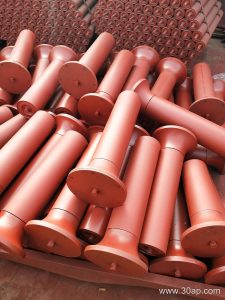
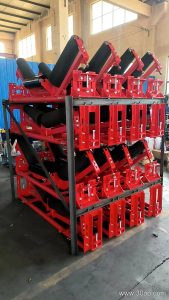
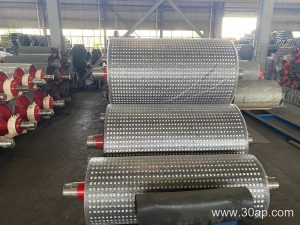
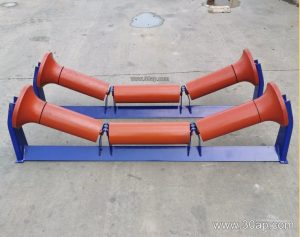
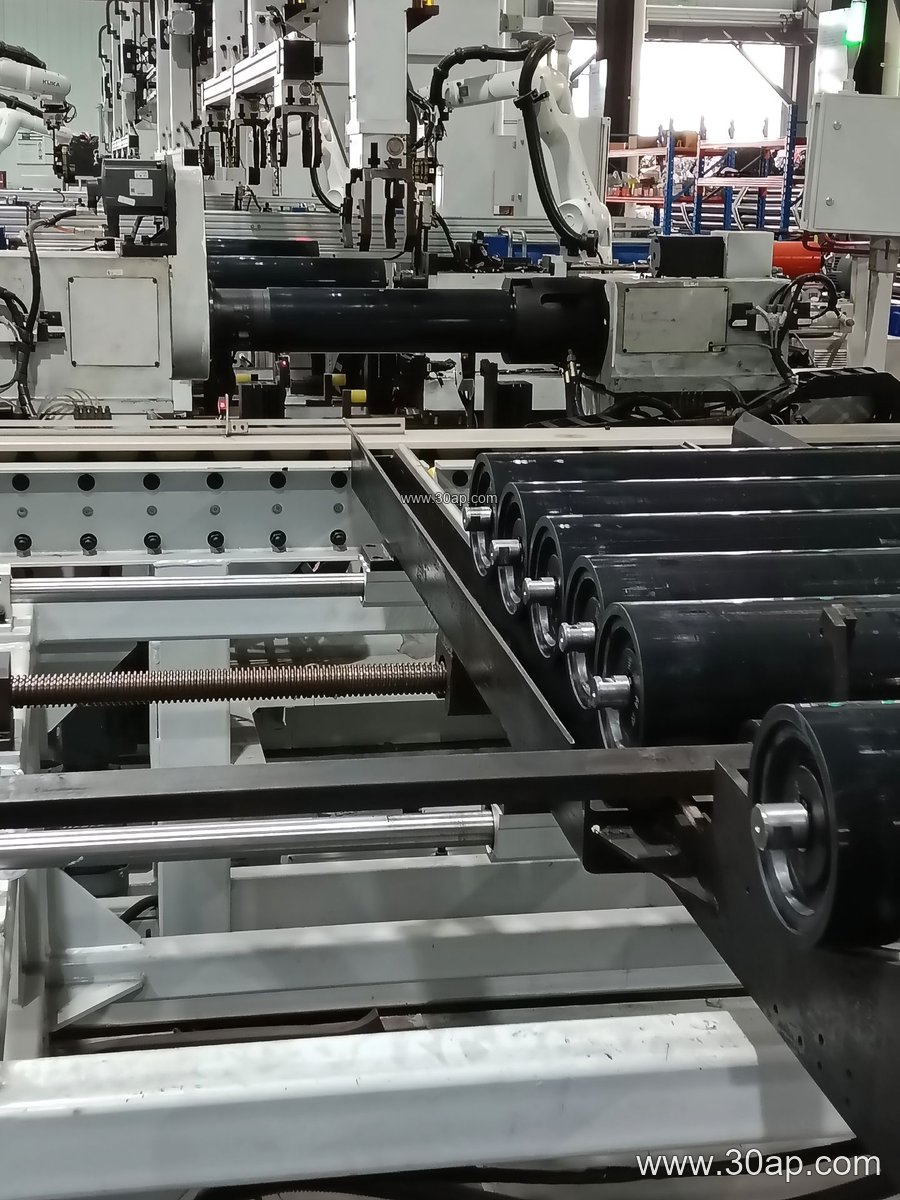
Carrying idlers are usually three-roll trough sets with a 20, 30, 35, or 45 degree trough angle. Return idlers may be flat or V-shaped, and transition idlers ease the belt from flat to troughed profile. Impact idlers with rubber rings are used at loading points, while self-aligning idlers help control belt tracking. A procurement list should name the type, roller diameter, roller length, bearing, and surface for each position, not just a generic idler size. The same discipline applies when ordering a conveyor pulley or conveyor bracket, because mismatched interfaces create installation delays.
What a Buyer Should Check
- Confirm the belt width and trough angle for each conveyor section.
- Check whether the duty calls for impact, abrasion resistance, or improved sealing.
- Verify bearing and seal class for dusty, wet, or high-temperature locations.
- Ask for roller length and shaft details per position rather than assuming one size fits all.
- Review the interface with the conveyor bracket and frame before releasing the order.
Good idler procurement is a matter of matching the roller to the conveyor duty and keeping the specification consistent across spare parts. When the belt is a heavy-duty mining conveyor belt or a heat resistant conveyor belt in a cement plant, the idler specification should be reviewed together with the belt rather than purchased separately. For related components, see conveyor pulley and conveyor bracket references to keep the whole conveyor system aligned.