What a Vertical Idler Bracket Does on a Conveyor
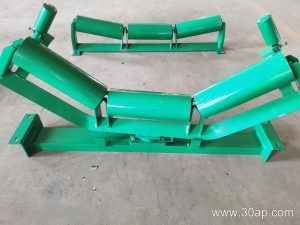
A vertical idler bracket is a support component that holds an idler roller in a near-vertical or steeply inclined position along a conveyor belt line. In practice, the term is often used for brackets that guide the belt edge, support transition zones, or stabilize idlers where a standard horizontal or troughing frame cannot be mounted. The same component may appear in supplier catalogs as a vertical idler support bracket or a vertical conveyor bracket, and these names refer to the same product family.
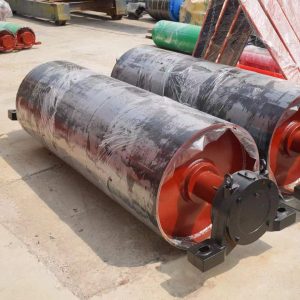
Unlike a drive pulley, tail pulley, or bend pulley, which transmit motion and change belt direction, a vertical idler bracket does not drive or redirect the belt. It positions and secures idler rollers so the conveyor belt runs smoothly. This distinction matters when specifying replacement parts, because a pulley and a bracket serve completely different functions even though both are mounted on the conveyor frame.
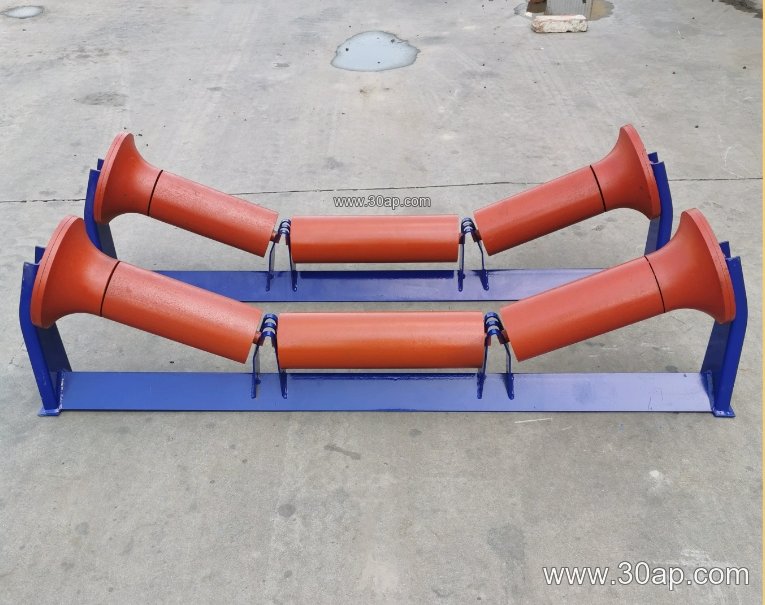
Construction and Mounting
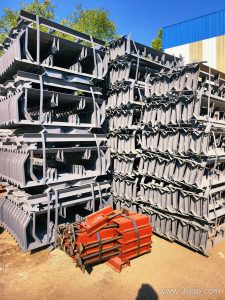
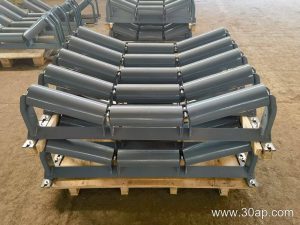
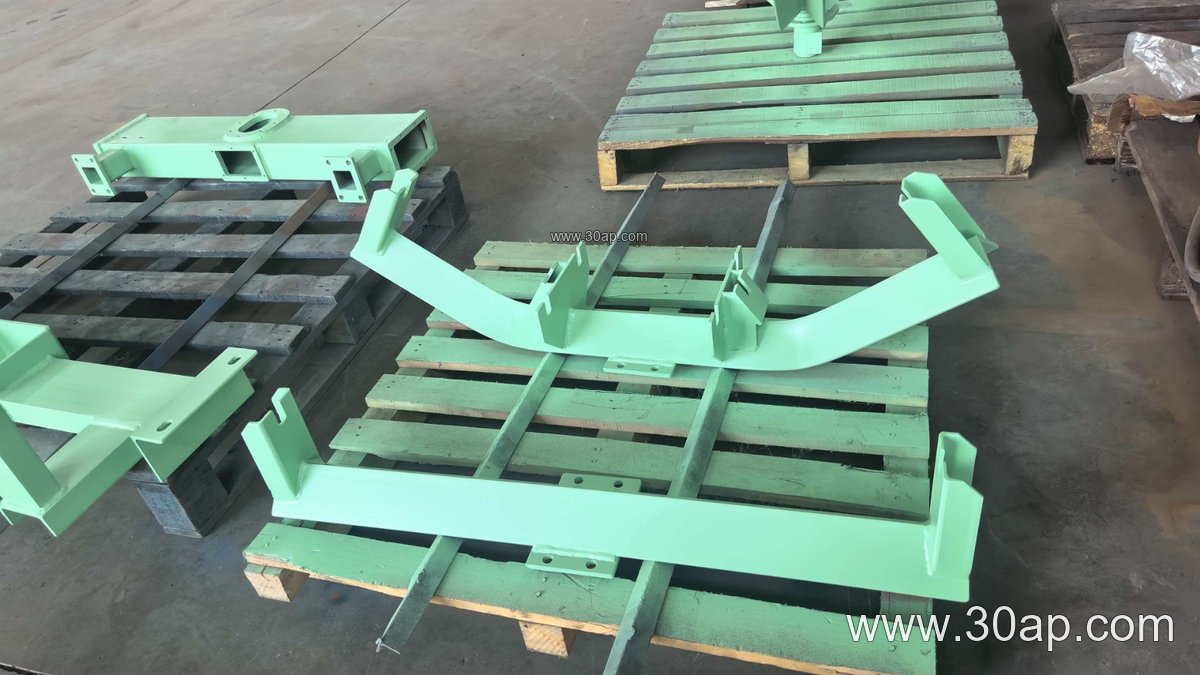
Most vertical idler brackets are fabricated from angle steel, channel steel, or folded steel plate. The bracket usually includes a base plate or mounting flange, a vertical riser, and one or more slotted holes for height or angle adjustment. Bolted connections are common so the bracket can be aligned on site. Welded versions are also used where vibration is high and adjustment is not required.
Typical mounting considerations include:
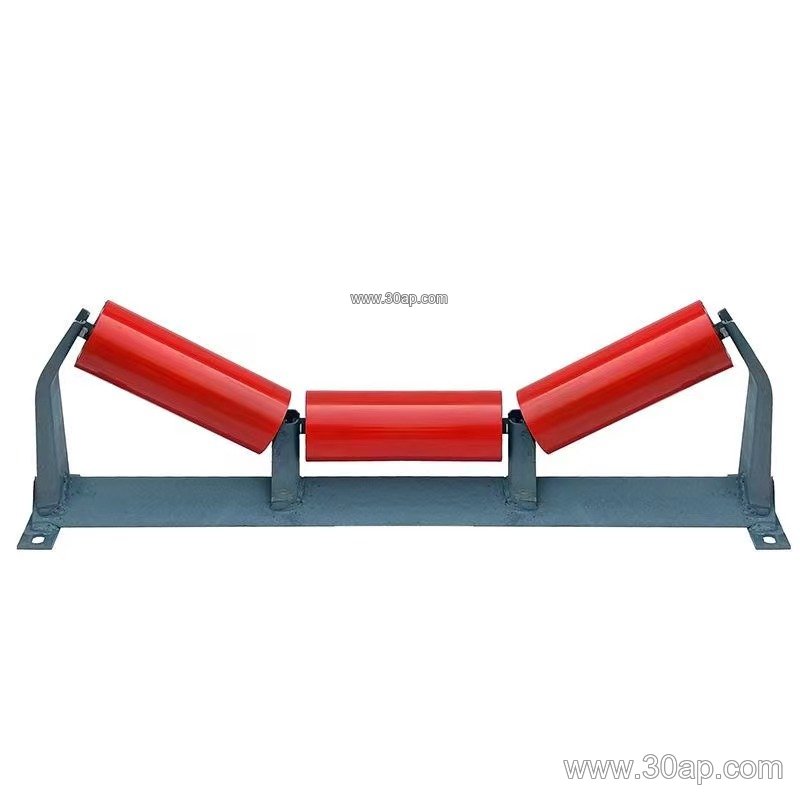
- Bolt hole spacing matched to the conveyor stringer or frame
- Riser height that keeps the idler roller at the correct contact point with the belt edge
- Slot length that allows fine adjustment after installation
- Corrosion protection suited to the site environment
Installation hole spacing and crossbeam length usually change with belt width and trough angle, so these values are determined by design rather than fixed by a single standard.
Where It Fits in Bulk Material Handling
Vertical idler brackets are found in many bulk conveying systems. In a coal preparation plant, they may support idlers near a transfer point where the belt path is tight. In a limestone quarry or sand and gravel line, they help keep the belt edge steady on inclined sections. Cement plants, power station coal yards, and port loading facilities also use them where frame space is limited.
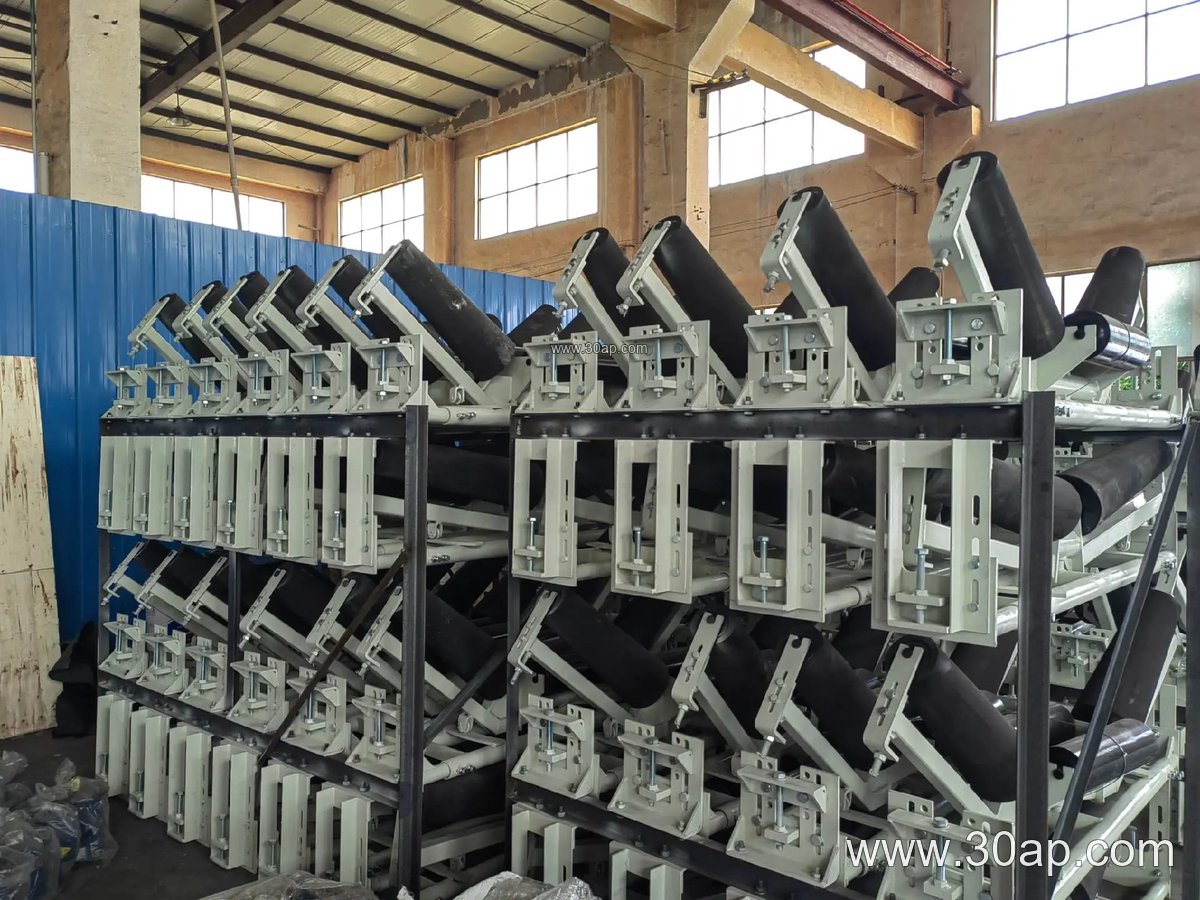
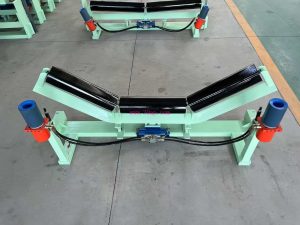
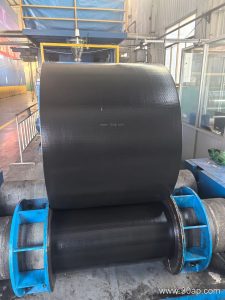
The bracket works together with the conveyor belt, idler roller, and conveyor pulley. A well-aligned bracket reduces belt edge wear and helps prevent material spillage. It is not a substitute for a troughing bracket, return bracket, or self-aligning bracket; each type has its own role in the conveyor layout.
Common Reference Dimensions
The table below shows reference values that may appear in project specifications. They are examples, not universal requirements, and the final selection should follow the conveyor design.
| Reference Item | Example Values | Notes |
|---|---|---|
| Belt width | B500, B650, B800, B1000, B1200, B1400, B1600 | Bracket length and hole spacing vary with width |
| Idler diameter | Ø89, Ø108, Ø133, Ø159, Ø194 | Selected with belt speed and load |
| Trough angle | 20°, 30°, 35°, 45° | Adjustable brackets may cover a range |
| Material | Angle steel, channel steel, folded plate | Finish depends on site conditions |
A combination such as B800 with a 35 degree trough angle and Ø108 idler is common in medium-duty lines, while B1200 with 45 degrees and Ø133 may suit heavier service. These are examples only; one belt width does not lock the bracket to a single idler diameter or trough angle.
Buyer Checklist
Before ordering, confirm the conveyor frame dimensions, the idler roller diameter, the required mounting position, and whether adjustment slots are needed. Ask for the bracket drawing with hole spacing and riser height. Check the surface treatment against the environment, especially in wash plants or coastal ports. For sites that need frequent belt tracking adjustment, an adjustable vertical idler bracket is usually easier to work with than a fixed welded type.
Keep spare brackets on hand for wear-prone transfer areas. A small, correctly specified vertical idler bracket can protect the conveyor belt and keep the idler roller running true, which supports the whole conveyor bracket system.