What a Conveyor Take-Up Pulley Does
A conveyor take-up pulley is the component that maintains the correct tension in a conveyor belt, preventing slippage and ensuring smooth operation. Often referred to as a tension pulley, it is mounted on a movable frame or take-up carriage and adjusts automatically or manually to compensate for belt stretch and load changes. In industries such as coal mining, cement plants, and power generation, this pulley is critical for keeping the belt tracking properly and extending the life of the entire conveyor system.
Construction and Key Features
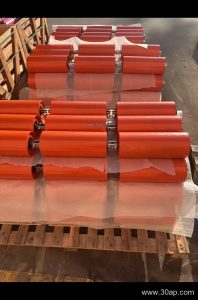
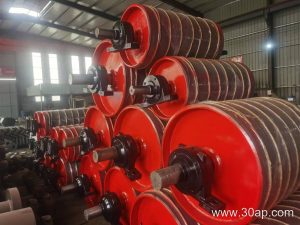
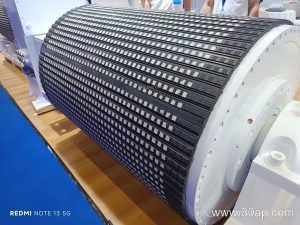
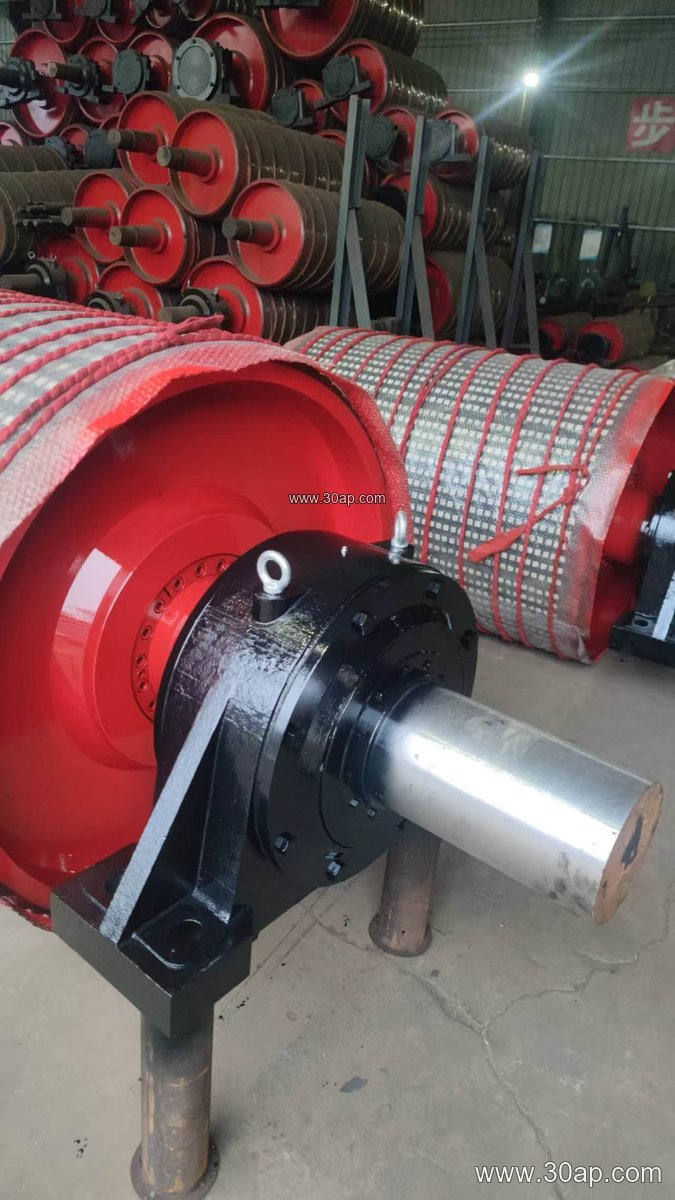
Typically, a conveyor take-up pulley consists of a cylindrical shell, shaft, bearings, and a surface that may be plain or lagged. Common surface options include plain steel, rubber lagging (cold-bonded or hot-vulcanized), and ceramic lagging for high-grip applications. The pulley diameter and face width are selected based on the belt width and the required tension. For example, a B1200 belt might use a pulley with a face width around 1400 mm and a diameter of Ø1000 mm, but these are not fixed rules; each system is designed individually. Shaft diameters are determined by torque and load, with common sizes ranging from Ø50 to Ø200 mm.
Applications in Bulk Material Handling
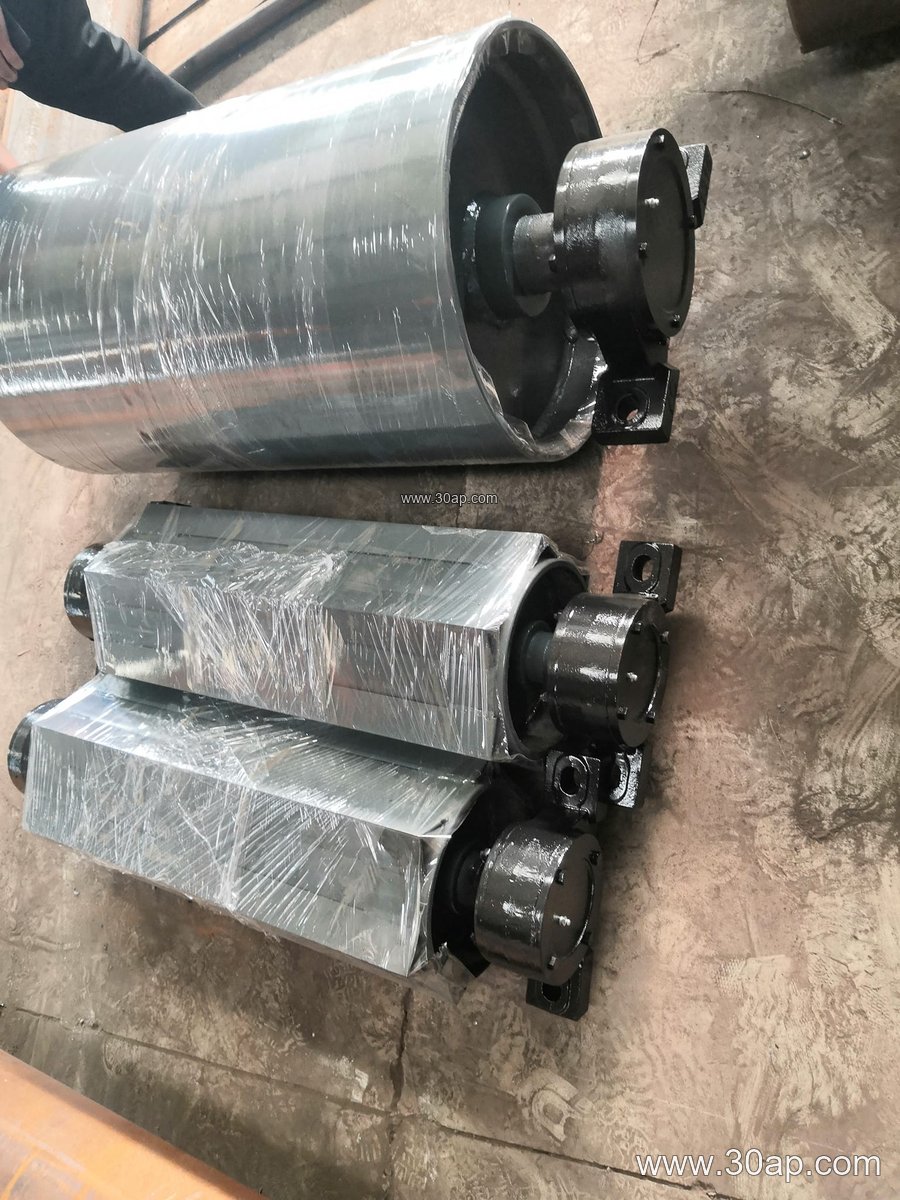
Take-up pulleys are found in quarry conveyors, aggregate lines, and underground coal mining operations. In a coal mining conveyor belt system, proper tensioning prevents material spillage and reduces wear on the conveyor belt and idler rollers. Similarly, in cement plants, a take-up pulley ensures steady feed of clinker and raw materials. While drive and tail pulleys serve different functions, the take-up pulley is uniquely responsible for maintaining belt tension throughout the conveyor’s length.
Selection and Sizing Considerations
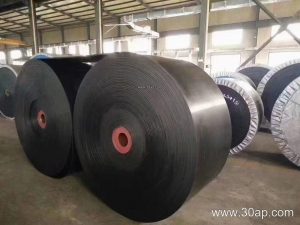
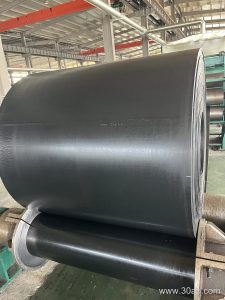
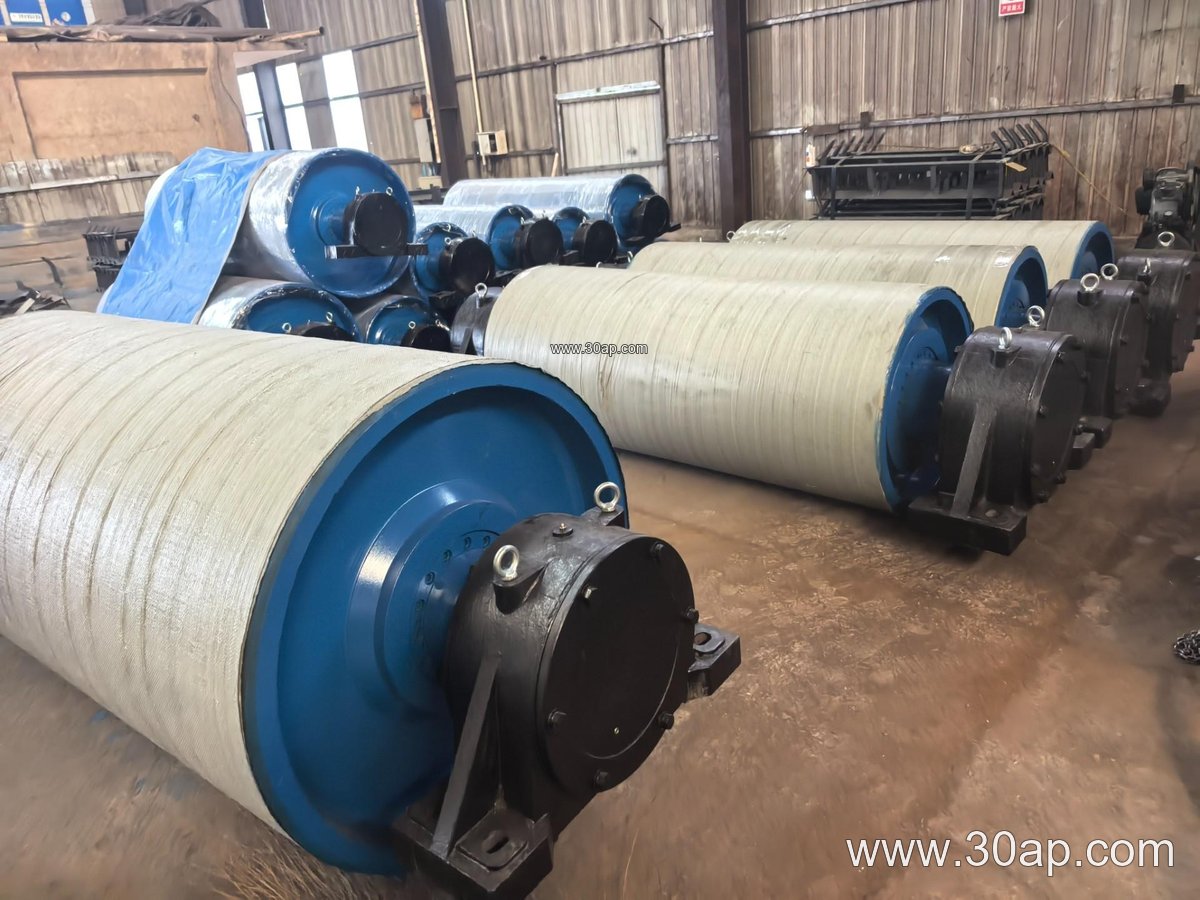
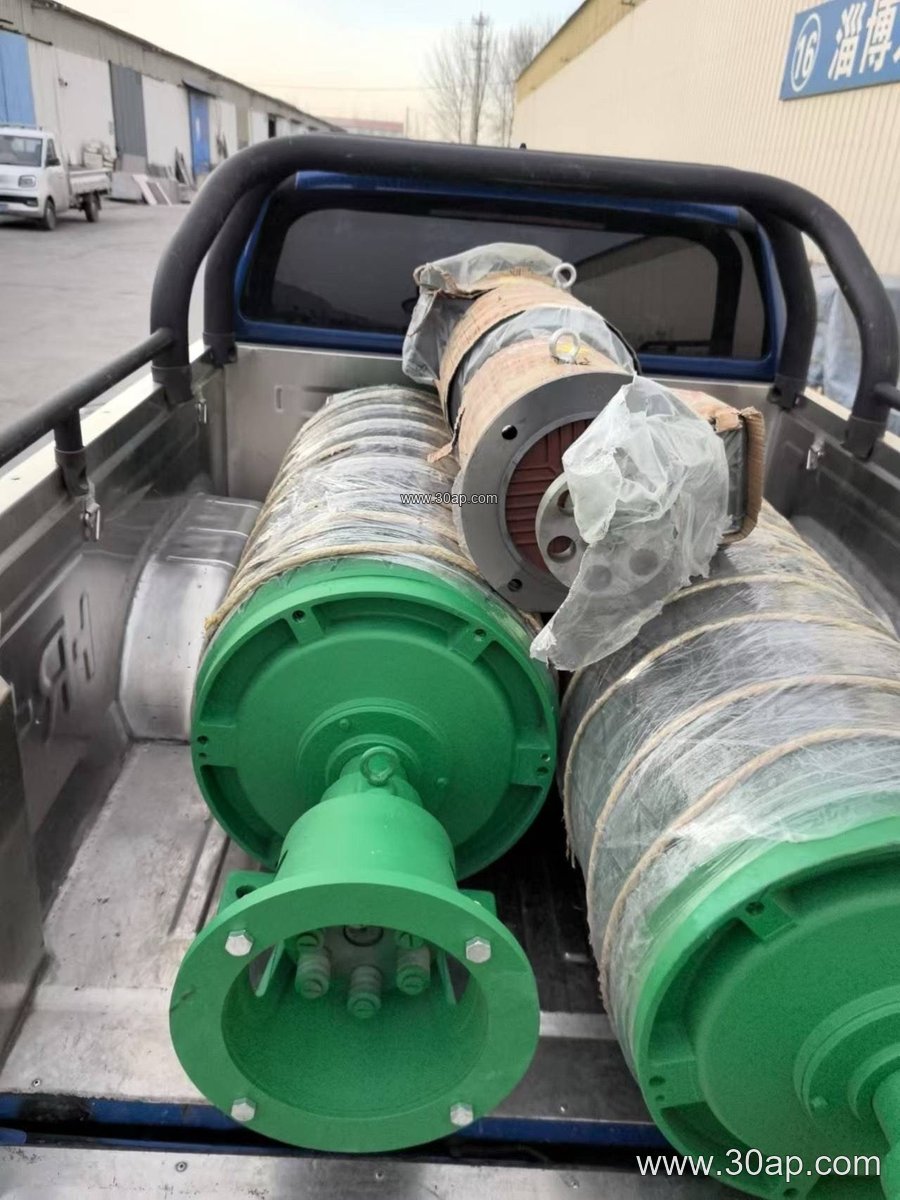
When choosing a conveyor take-up pulley, consider belt width, belt type (such as EP conveyor belt or steel cord conveyor belt), and the take-up travel required. The pulley face width should generally exceed the belt width; for instance, a B800 belt often pairs with a pulley face of about 950 mm. Diameter selection depends on belt thickness and the minimum pulley diameter recommended for the belt construction. Lagging thickness commonly ranges from 8 mm to 20 mm, with 10 mm or 12 mm being frequent choices for moderate duty. Always consult the conveyor design to avoid over- or under-tensioning.
Maintenance Tips for Long Service
Regular inspection of the take-up pulley bearings and lagging is essential. Check for lagging wear, especially in high-abrasion environments like iron ore or copper ore handling. Ensure the take-up carriage moves freely and that the belt tension remains within specification. Lubricate bearings according to the manufacturer’s schedule and replace worn lagging to maintain grip. Keeping the pulley aligned helps prevent edge damage to the conveyor belt and reduces stress on the conveyor bracket and frame.
Related Components and Integration
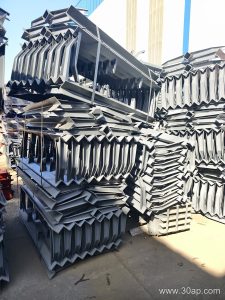
A take-up pulley works in concert with other conveyor pulleys, such as drive and bend pulleys, as well as idler rollers and conveyor brackets. In a typical bulk material conveyor belt system, the take-up pulley is often located near the tail or in a vertical take-up tower. For specialized belts like chevron conveyor belt or corrugated sidewall conveyor belt, ensure the take-up pulley is compatible with the belt’s profile to avoid interference. At https://www.example.com/conveyor-take-up-pulley, you can find more detailed guidance on matching take-up pulleys with various belt types, including heat resistant conveyor belt and flame retardant conveyor belt for demanding industries.