What a Conveyor Bracket Assembly Does
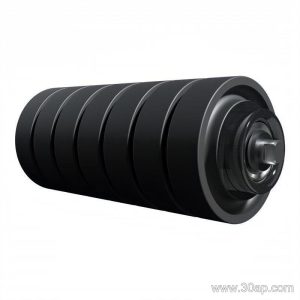
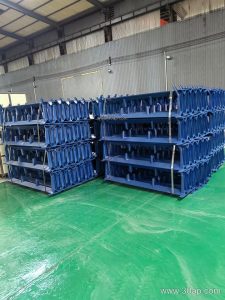
A conveyor bracket assembly is the steel framework that holds idler rollers in position along a conveyor structure. It connects the roller shafts to the main frame, sets the trough angle of the belt, and keeps the conveyor belt running on a stable path. In a quarry, a coal washing plant, or a cement kiln line, these assemblies are the quiet workhorses that determine how evenly the load sits on the belt and how long the rollers last.
Because the bracket carries the roller rather than the material directly, its geometry matters as much as its strength. A well-built assembly keeps the idler square to the belt line, spreads load across the frame, and allows quick replacement when a roller seizes.
How the Assembly Is Built
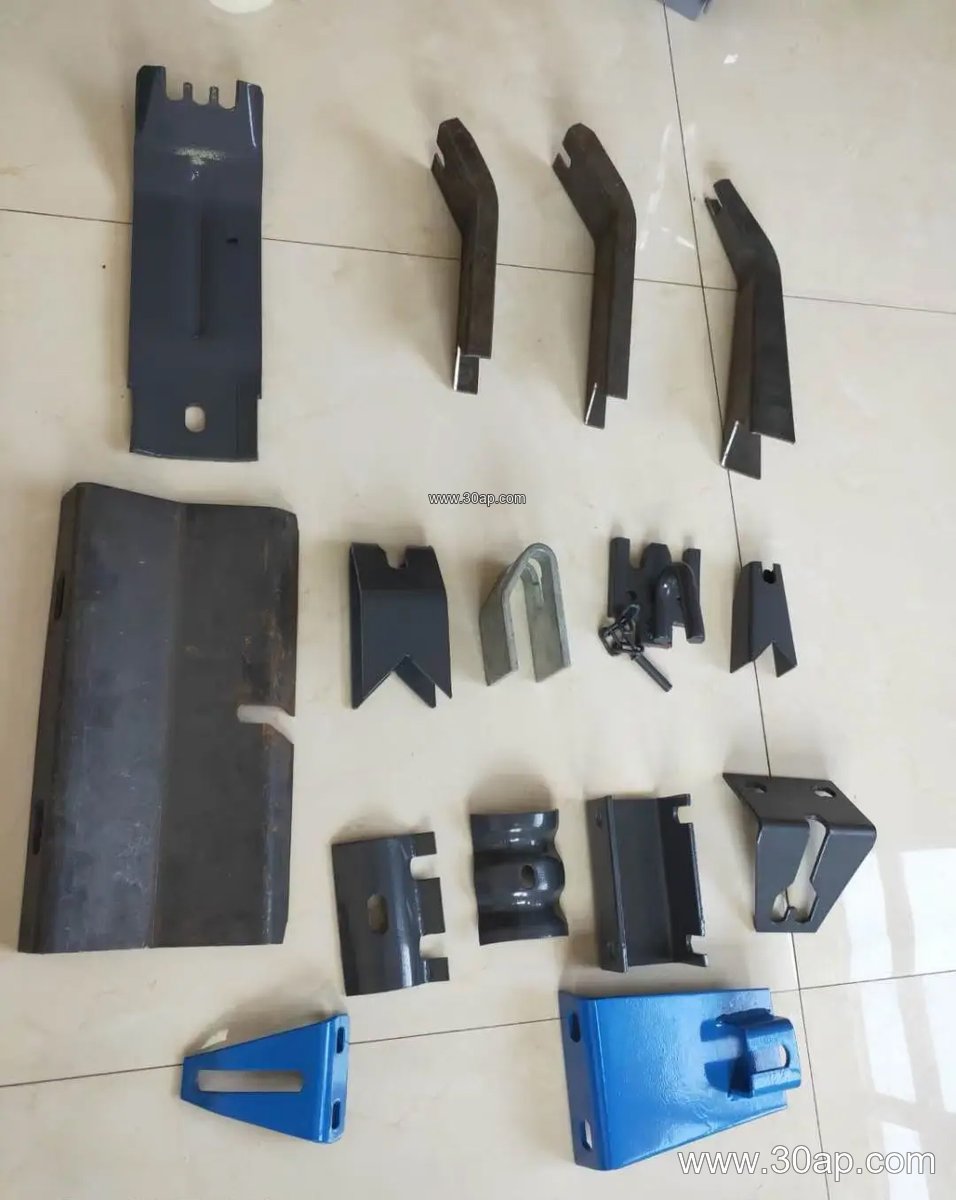
Most assemblies combine an angle or channel steel crossbeam with folded steel plate brackets. The brackets are drilled or slotted to accept the roller shaft ends, and the crossbeam bolts to the conveyor stringers. Common materials are angle steel, channel steel, and bent steel plate, selected for stiffness rather than weight alone.
A typical assembly includes:
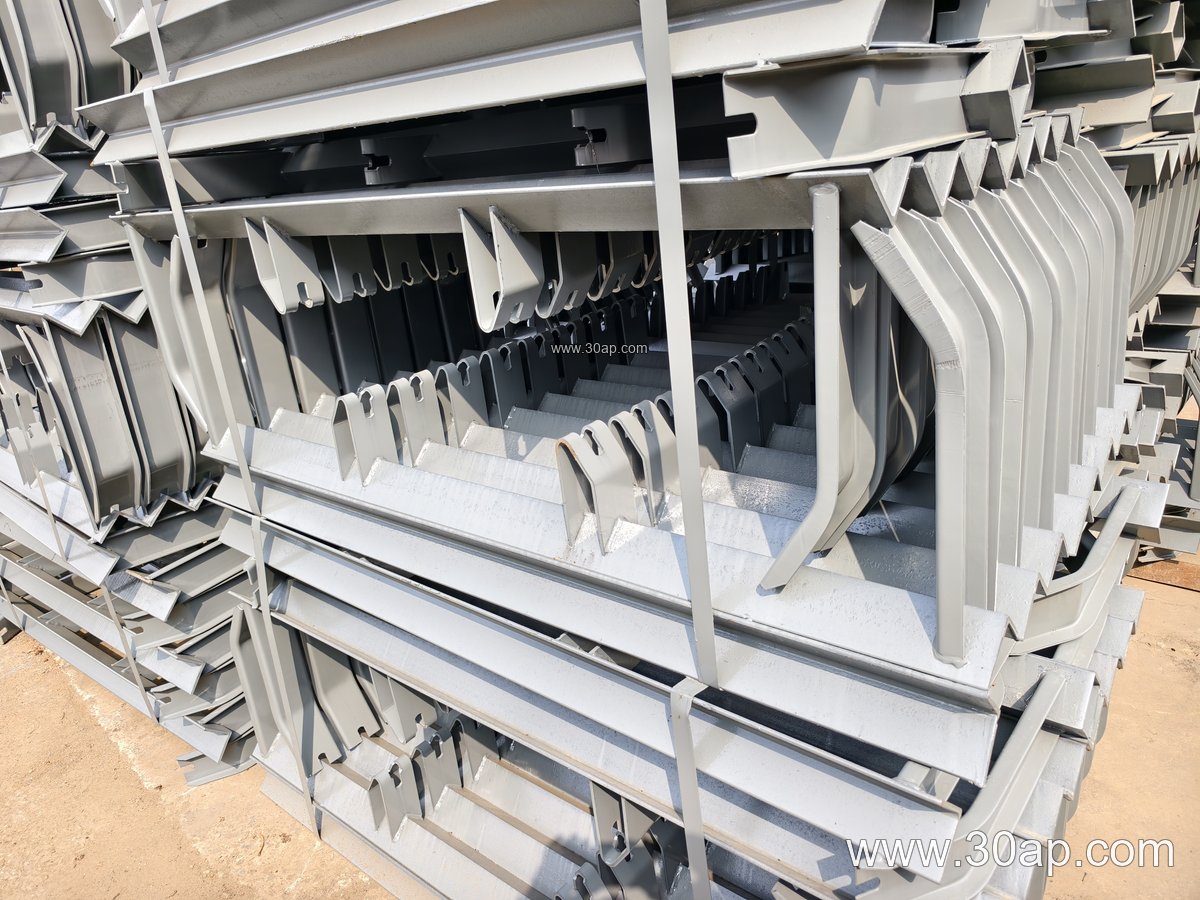
- Two or more bracket plates that locate the roller shaft
- A crossbeam sized to the belt width
- Mounting holes or slots for frame attachment
- Optional adjustment features for trough angle or roller position
Welding quality, hole alignment, and coating all affect service life. In dusty or wet conditions, galvanizing or a suitable paint system helps the frame resist corrosion.
Trough Angle and Roller Diameter Selection
The trough angle controls how deeply the belt sits between the rollers. Common values are 20, 30, 35, and 45 degrees. A 30 degree trough is often a good general choice for bulk material, while 35 or 45 degrees gives more capacity and better load containment on wide belts. Adjustable brackets allow the angle to be tuned on site within that range.
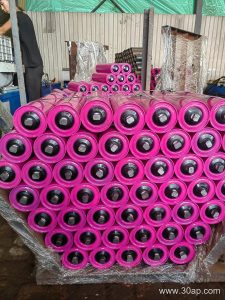
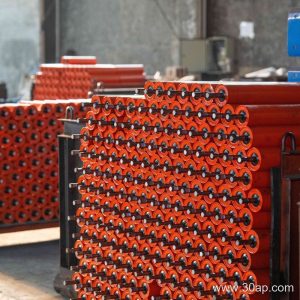
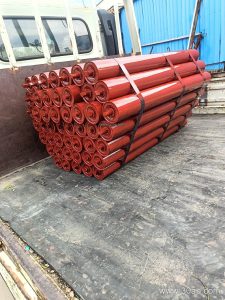
Roller diameter should be matched to belt speed, load, and the space available. Common idler diameters include Ø89, Ø108, Ø133, Ø159, and Ø194. The bracket must suit the chosen roller, but no single belt width is tied to one roller diameter or one trough angle. The table below shows reference combinations for planning, not fixed rules.
| Belt Width | Typical Trough Angle | Common Roller Diameter | Assembly Note |
|---|---|---|---|
| B500 | 20–30 degrees | Ø89 | Light frame, short crossbeam |
| B650 | 30 degrees | Ø89–Ø108 | Standard carrying bracket |
| B800 | 30–35 degrees | Ø108 | Common in aggregate lines |
| B1000 | 35 degrees | Ø108–Ø133 | Heavier crossbeam |
| B1200 | 35–45 degrees | Ø133 | Adjustable or fixed design |
| B1400 | 35–45 degrees | Ø133–Ø159 | Reinforced mounting |
| B1600 | 35–45 degrees | Ø159 | Heavy-duty frame |
| B1800–B2000 | 35–45 degrees | Ø159–Ø194 | Wide belt support |
Mounting hole spacing and crossbeam length change with belt width and trough angle, so they should be confirmed against the conveyor drawing rather than assumed.
Where These Assemblies Are Used
Carrying brackets appear wherever a loaded belt needs three-roller support. Return brackets, including V-return and flat return designs, support the empty side of the belt. Impact brackets with cushion rollers sit under loading points in a crushing circuit, while self-aligning brackets help correct belt drift on long runs.
In an iron ore terminal, a cement plant, or a power station coal yard, the same basic assembly principle applies: hold the roller firmly, keep the belt profile consistent, and make maintenance straightforward. Where the belt carries hot clinker or oil-soaked scrap, the bracket still does its job, but coating and clearance need more attention.
Buyer Checklist
- Confirm belt width and the required trough angle before ordering.
- Match bracket shaft slots to the actual roller diameter and shaft end type.
- Decide between fixed and adjustable brackets based on how often the profile may change.
- Check frame hole spacing against the existing conveyor stringers.
- Specify coating or material for dusty, wet, or corrosive sites.
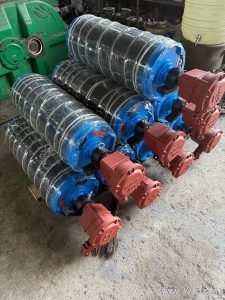
A bracket assembly is a small part of the conveyor, but it controls roller life, belt tracking, and downtime. Getting the details right at the ordering stage saves far more time than correcting them in the field. Related components such as the idler roller, conveyor pulley, and conveyor bracket should be planned together so the whole support system works as one.