What an NN Conveyor Belt Is
An NN conveyor belt is a fabric core belt built with nylon (NN) warp and weft cords in the carcass. The nylon fabric gives the belt high tensile strength, good flexibility and strong resistance to fatigue, which is why this construction is often chosen for long runs and repeated flexing around pulleys. In many plants the product is simply called a nylon conveyor belt, and both names describe the same fabric-core product.
The carcass is the load-bearing part, while the rubber covers protect it from abrasion, moisture and impact. Multi-ply fabric core conveyor belt designs are common, and the number of plies is matched to the duty rather than fixed by habit. A buyer comparing an NN belt against an EP conveyor belt will find that both are fabric-core options, but nylon generally offers higher elongation and excellent flex life, while polyester-nylon constructions tend to hold length more firmly under load.
How the Belt Is Built
A typical NN belt consists of several nylon fabric plies bonded with rubber skim compound, topped and bottomed with cover rubber. The cover grade and thickness depend on the material being carried and the environment.
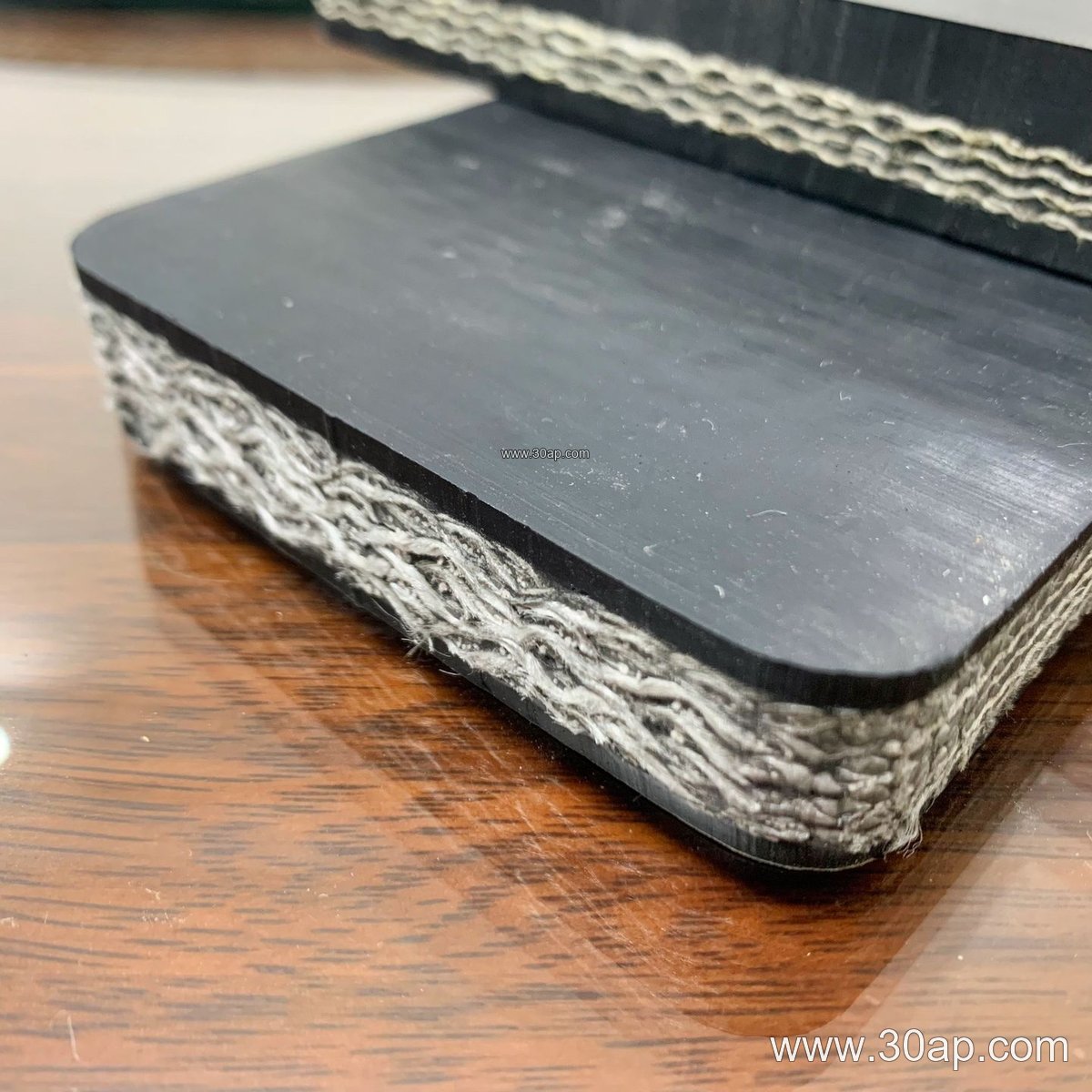
- Carcass: usually 2 to 6 plies of nylon fabric, depending on required strength.
- Cover rubber: common combinations include 3+1.5 mm, 4+2 mm, 5+2 mm, 6+2 mm and 8+3 mm.
- Edge construction: cut edges or moulded edges, selected to suit the application.
Strength grades such as NN100, NN200, NN300 and NN400 are commonly referenced, and the numbers indicate the nominal tensile strength of the carcass in N/mm. Actual values vary by manufacturer, so the data sheet should always be checked before ordering.
Where NN Belts Fit in the Plant
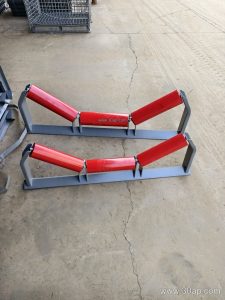
These belts are widely used in mining, coal preparation, cement plants, power plants, quarries, sand and gravel yards, steel works and port bulk handling. A heavy-duty mining conveyor belt carrying crushed rock or ore needs a robust cover and enough carcass strength for the incline and load. In a quarry conveyor belt or crusher conveyor belt line, the belt often absorbs impact at the loading point, so impact-resistant cover compounds and suitable support from idler rollers matter.
For underground coal mining, flame retardant conveyor belt and anti-static properties are usually required, and PVC or PVG belts are frequently specified there. An NN belt can still be supplied with flame retardant cover compounds, but the grade and test basis must be confirmed with the supplier. In cement and aggregate plants, an abrasion resistant conveyor belt grade is a practical choice for limestone, clinker and sand.
Common Specifications at a Glance
The table below shows reference values often seen in catalogs. They are examples, not universal requirements, and the final selection should follow the conveyor design.
| Parameter | Common reference values |
|---|---|
| Strength grade | NN100, NN200, NN300, NN400 |
| Belt width | B500, B650, B800, B1000, B1200, B1400, B1600 |
| Cover thickness | 3+1.5 mm, 4+2 mm, 5+2 mm, 6+2 mm, 8+3 mm |
| Carcass plies | 2 to 6 plies, by design |
| Cover grades | abrasion resistant, heat resistant, oil resistant, flame retardant, cold resistant |
Belt width and pulley diameter are separate design decisions. A wider belt does not automatically dictate a particular pulley size, and shaft diameter must be calculated from the actual conveyor duty, not from belt width alone.
Selection and Maintenance Notes
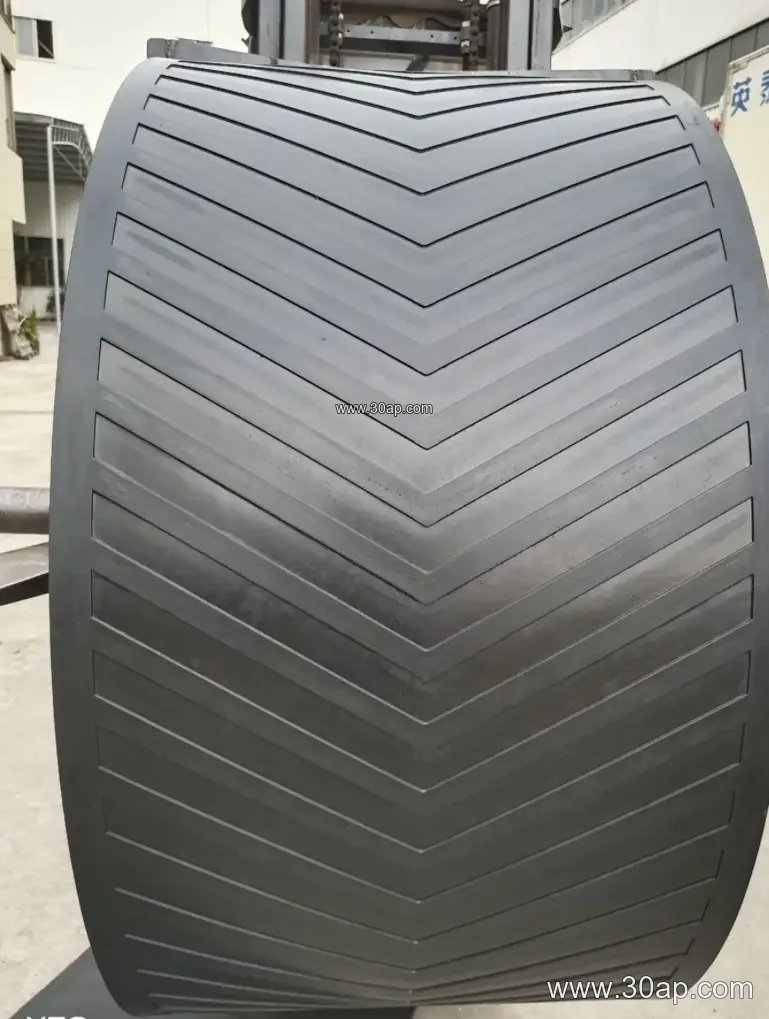
Start with the material: lump size, temperature, moisture, oil content and abrasiveness all influence the cover compound. Then check the duty cycle, incline and loading conditions. A steep incline may call for a chevron conveyor belt or a corrugated sidewall conveyor belt to prevent material rollback, but these are different belt types and should not be treated as substitutes for a standard NN belt in the same duty.
During installation, align the conveyor pulley and idler roller frames, keep the belt tension within the design range and inspect the loading chute for wear. Regular checks of cover wear, edge damage and splice condition help avoid unplanned stops. If the belt runs in a hot clinker or sinter area, a heat resistant conveyor belt grade is more suitable than a standard cover. For oily scrap or recycled material, an oil resistant grade reduces swelling of the rubber.
For a complete replacement or a new conveyor line, match the NN conveyor belt grade to the calculated tension, confirm the cover thickness with the material data, and ask for the manufacturer’s actual test values rather than relying on grade numbers alone.