What Is an Extra-Wide Conveyor Belt?
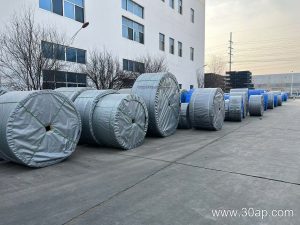
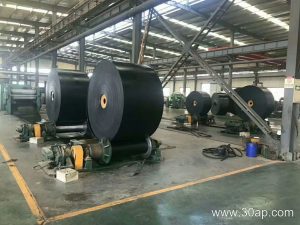
An extra-wide conveyor belt is a heavy-duty belt designed with a large width to handle high volumes of bulk material. In industrial settings such as mining, coal processing, cement plants, power stations, and aggregate yards, these belts move large quantities of ore, coal, clinker, or stone efficiently. The term extra-wide conveyor belt refers to belts that exceed standard widths, often starting from 1800 mm and going up to 2400 mm or more, depending on the application. This width allows for greater throughput without increasing belt speed, reducing wear and energy consumption.
Construction and Design Features
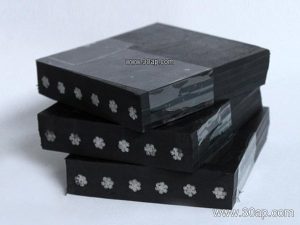
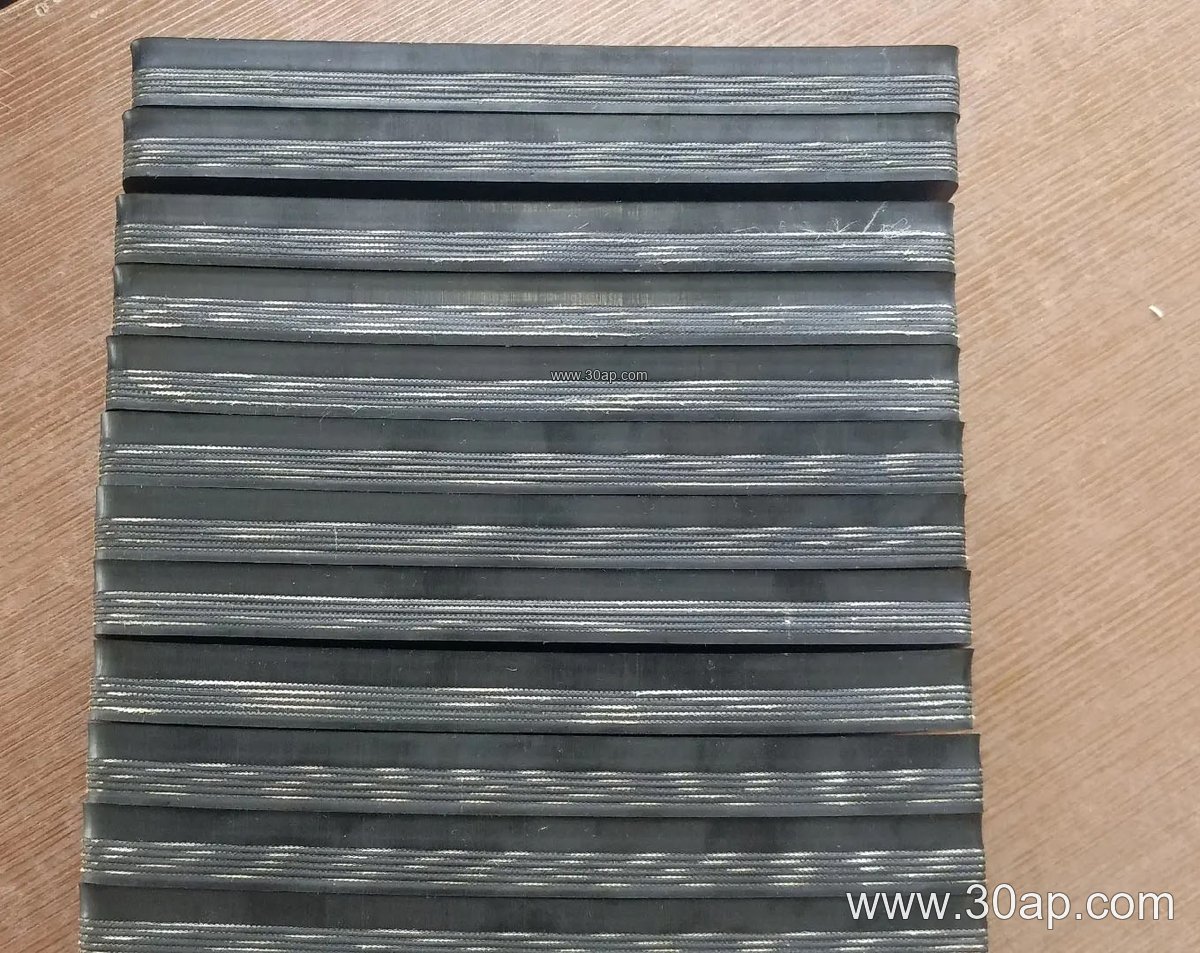
Extra-wide belts are built with robust reinforcement to withstand heavy loads and long distances. Common constructions include multi-ply fabric cores (such as EP or NN) and steel cord cores for high tension applications. The cover rubber is selected based on the material being conveyed—abrasion-resistant for minerals, heat-resistant for cement clinker, flame-retardant for coal mining, and oil-resistant for certain industrial processes. The belt edge and splice design are critical for wide belts to ensure tracking and prevent edge damage. For instance, a 2000mm wide conveyor belt may use EP fabric core with 6 plies and 8+3 mm cover thickness to handle sharp, heavy lump sizes.
Key Components and Compatibility
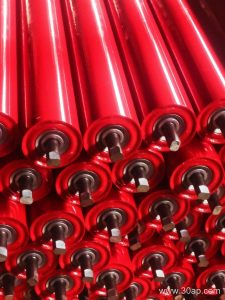
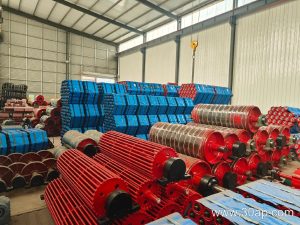
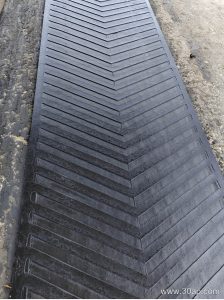
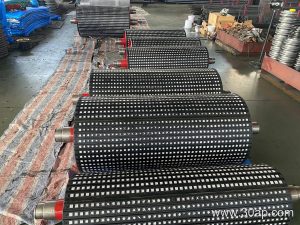
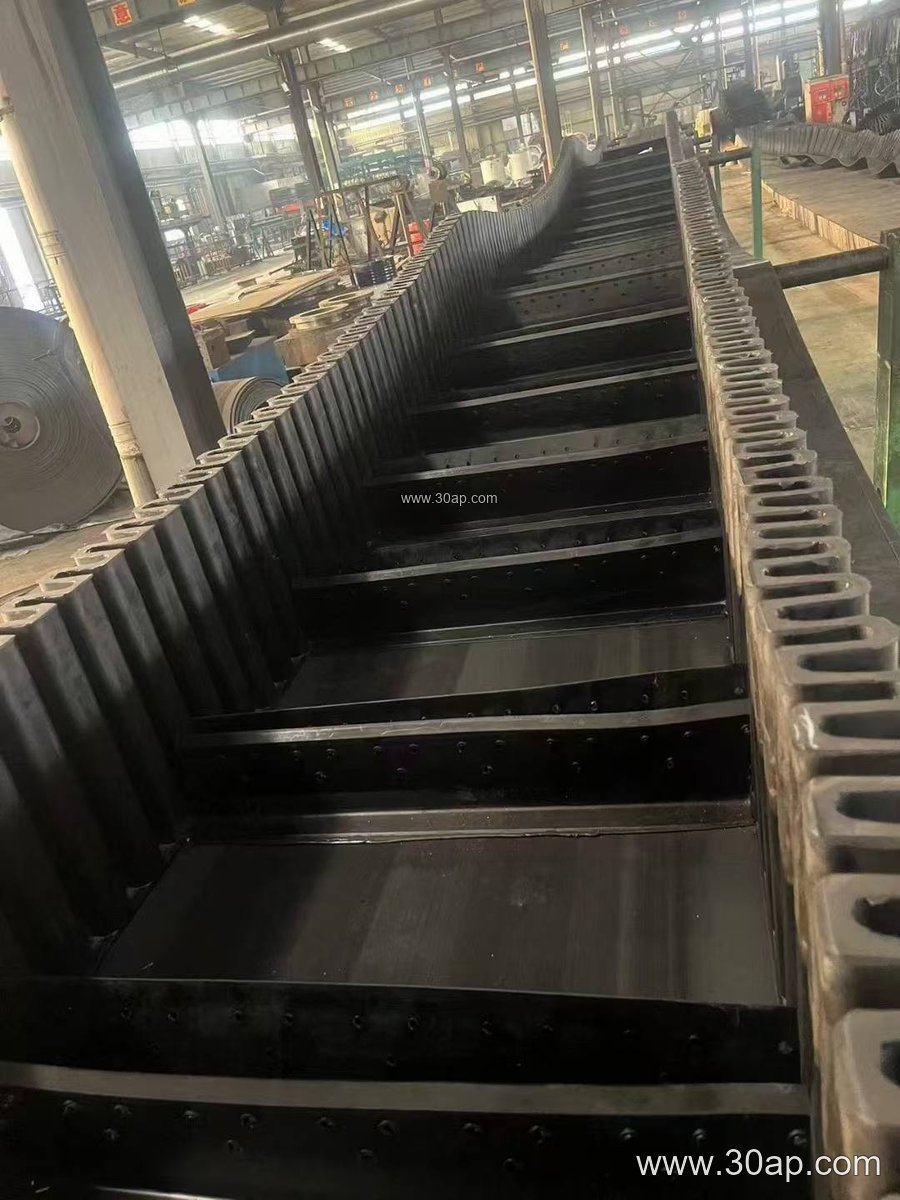
An extra-wide belt works in harmony with other conveyor components. Drive pulleys, tail pulleys, and bend pulleys must be sized to match the belt width and tension. Idler rollers and conveyor brackets are also selected to support the belt properly. It is important to note that drive, tail, and bend pulleys are not interchangeable; each has a specific role in the conveyor system. While other belt types like chevron or corrugated sidewall belts offer special features, they are not substitutes for the main subject here—extra-wide belts are chosen primarily for width and capacity.
Typical Applications and Industries
Extra-wide belts are widely used in high-capacity operations. In mining, they transport ore from crushers to stockpiles; in coal mining, flame-retardant extra-wide belts are essential for underground safety. Cement plants use heat-resistant extra-wide belts to move clinker, while power plants rely on them for coal handling. Quarries and aggregate plants benefit from abrasion-resistant extra-wide belts to convey crushed stone. Ports and ship loading facilities use extra-wide belts for fast loading of bulk carriers. The width allows for smooth material flow and reduces spillage.
Specifications and Sizing Considerations
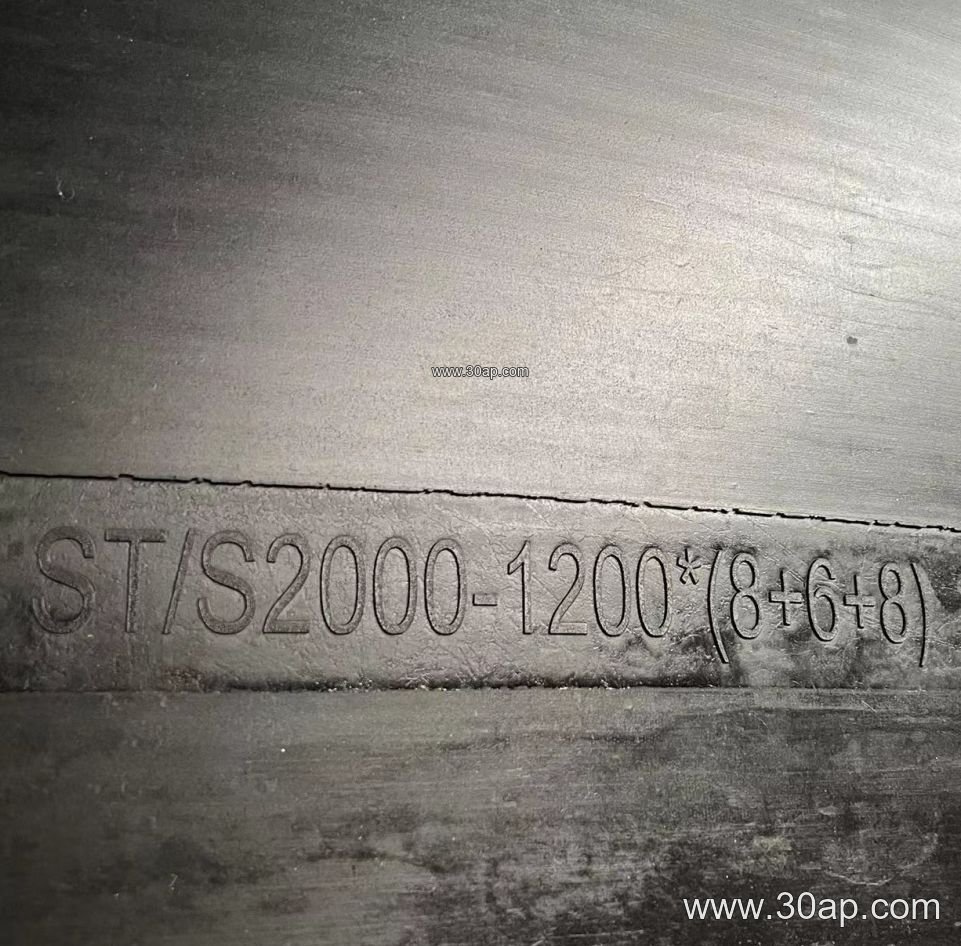
When selecting an extra-wide conveyor belt, several parameters must be considered. Width is the primary factor, with common sizes including 1800mm, 2000mm, 2200mm, and 2400mm. The table below shows typical reference values for wide belts; actual specifications should be confirmed with the manufacturer.
| Parameter | Common Range | Examples |
|---|---|---|
| Belt Width | 1800 mm to 2400 mm | B1800, B2000, B2200, B2400 |
| Fabric Core Type | EP or NN | EP1000, EP1250, NN300 |
| Number of Plies | 4 to 6 | 5-ply, 6-ply |
| Cover Thickness (top+bottom) | 6+2 mm to 10+4 mm | 8+3 mm, 10+4 mm |
| Steel Cord Strength | ST1000 to ST3150 | ST1600, ST2000 |
These values are indicative; belt width does not dictate a single pulley diameter, and shaft sizes must be calculated based on actual load and tension. Buyers should also consider the material lump size, drop height, and environmental conditions. For abrasive materials like iron ore, a high abrasion resistant conveyor belt with thicker covers is advisable. In cold climates, cold resistant grades prevent cracking. For coal mines, flame retardant and anti-static properties are critical.
Buyer’s Checklist
- Verify the required belt width and strength based on the conveyor design and material flow rate.
- Select the cover rubber grade to match the material (e.g., abrasion-resistant for quarry, heat-resistant for cement).
- Ensure compatibility with pulleys, idlers, and brackets; consult the conveyor designer for pulley sizes.
- Consider splice type and edge reinforcement for wide belts to maintain tracking.
- Check that the belt meets relevant safety requirements for the industry, such as flame resistance for underground coal mining.
For reliable performance, work with a supplier who can provide technical data and support for extra-wide belt installations. Whether you need a 2000mm wide belt for a power plant or a 2400mm belt for a mining operation, the right specification ensures long service life and efficient material handling.