What a Conveyor Parts Pulley Does
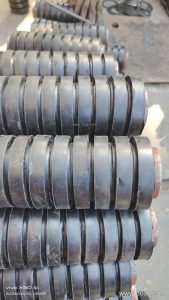
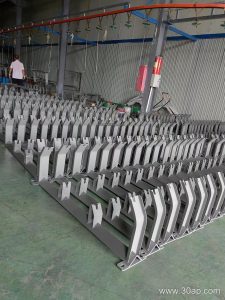
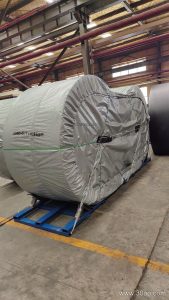
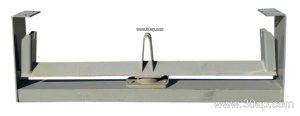
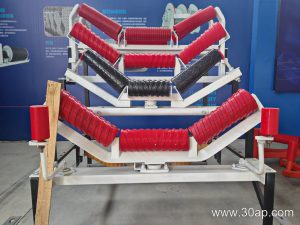
A conveyor parts pulley is the rotating drum that carries, tensions, or redirects the belt on a belt conveyor. It is the component that turns a loop of belting into a working transport line, and its condition affects tracking, belt life, and the load the drive train has to handle. In a typical bulk handling line the drum works together with the conveyor belt, the idler rollers along the carrying side, and the frame brackets that hold everything in line.
Not every drum in a system does the same job. A drive pulley transmits torque to the belt; a tail pulley at the loading end sets the return path; a bend pulley changes belt direction. These are separate functions and are not interchangeable, even when their dimensions look similar.
How the Drum Is Built
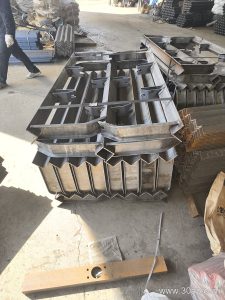
The core is usually a steel shell welded to end discs and a shaft, with bearing housings mounted on a rigid frame. The shaft diameter is chosen from torque and radial load, not from belt width alone, so a B800 line and a B1200 line can carry very different shaft sizes depending on duty.
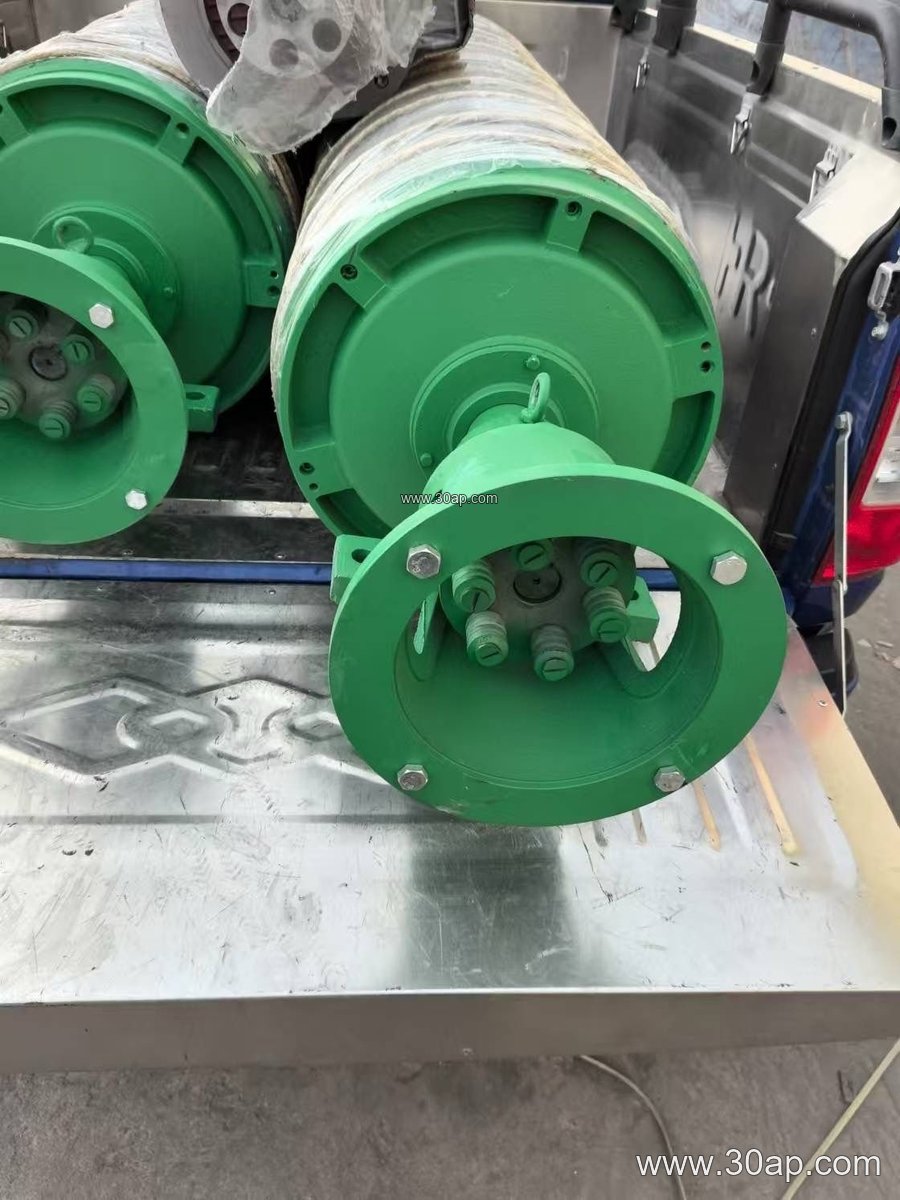
- Shell and end discs: rolled or machined steel, welded and stress relieved for larger sizes.
- Shaft: common sizes include Ø50, Ø80, Ø100, Ø140, Ø160, and Ø200 mm, determined by design load.
- Bearings and housings: grease or oil lubricated, with seals suited to dusty conditions.
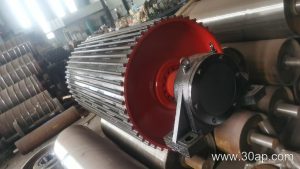
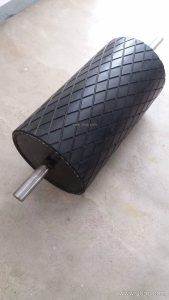
- Surface: plain, rubber lagged, or ceramic lagged, depending on grip and wear demands.
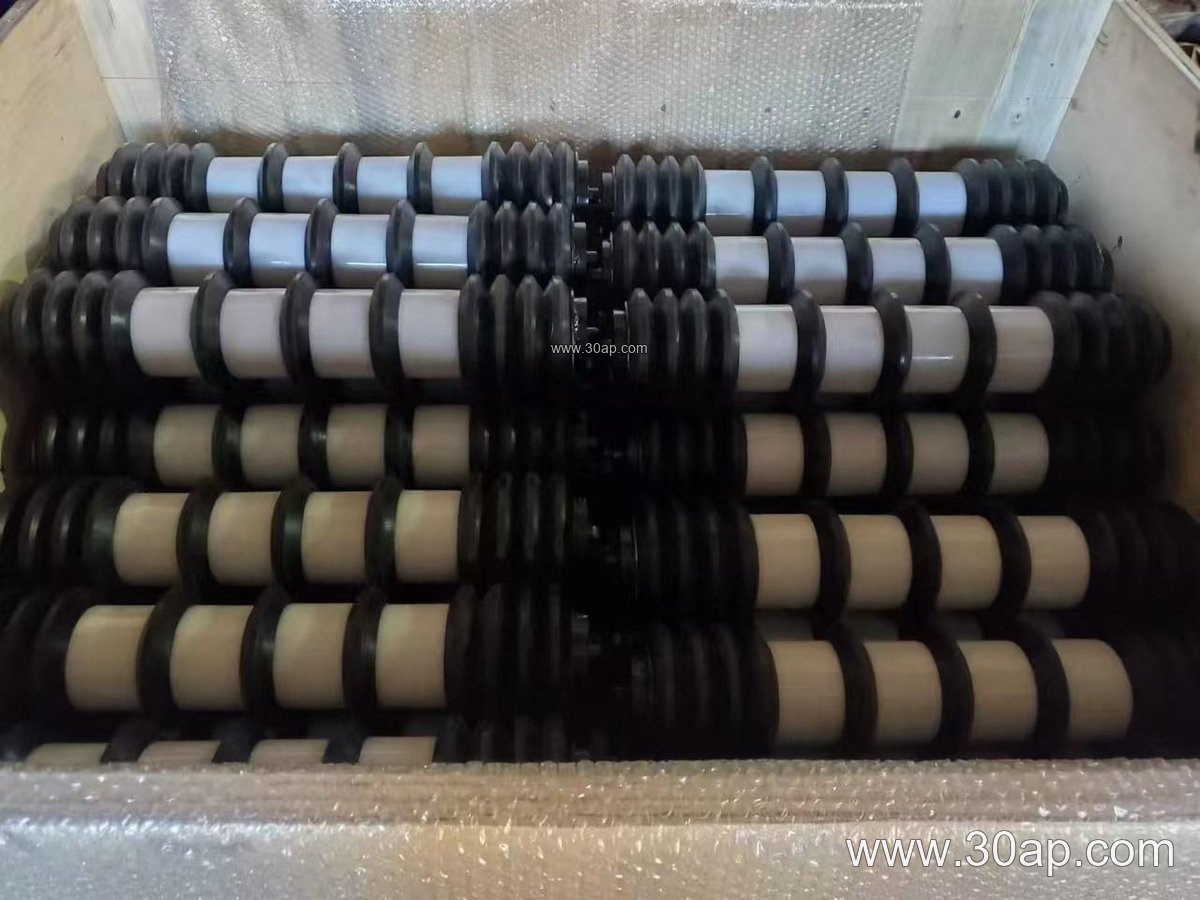
Lagging is often specified in thicknesses such as 8, 10, 12, 15, or 20 mm. Diamond and herringbone patterns improve traction on wet or dusty belts, while plain rubber suits cleaner duty.
Matching Diameter, Face Width and Belt
The drum face is normally wider than the belt so the belt stays supported through slight misalignment. Reference pairings commonly seen in design drawings include B800 with a Ø500 drum, B1000 with Ø630 or Ø800, and B1200 with Ø1000. These are typical combinations, not fixed rules, because belt tension, wrap angle, and space limits all influence the final choice.
| Belt width | Typical drum face | Example diameter range |
|---|---|---|
| B500 | about 600 mm | Ø250 to Ø400 |
| B650 | about 750 mm | Ø315 to Ø500 |
| B800 | about 950 mm | Ø400 to Ø630 |
| B1000 | about 1150 mm | Ø500 to Ø800 |
| B1200 | about 1400 mm | Ø630 to Ø1000 |
| B1400 | about 1600 mm | Ø800 to Ø1250 |
| B1600 | about 1800 mm | Ø1000 to Ø1400 |
Large drives may use a Ø1250 or Ø1400 drum on a wide face, while a small transfer point can run a Ø200 or Ø250 bend pulley. The right pairing comes from tension calculation and shaft stress, not from a single width figure.
Where These Pulleys Are Used
In a quarry or aggregate line the head drum discharges crushed stone onto a stockpile belt, and a bend pulley keeps the return run clear of the structure. In a coal washing plant or power station coal yard, flame retardant belting runs over lagged drive drums that must grip in damp, dusty air. Cement plants use similar drums on clinker and raw meal circuits, where abrasive dust shortens bearing life if seals are poor.
Heavy-duty mining conveyors with steel cord or high-strength fabric belts place higher demands on the drive drum, its lagging, and its shaft. Light-duty lines in a food or fertilizer plant may use smaller plain drums where grip is less critical.
Buyer Checklist
- Confirm the duty: drive, tail, bend, take-up, or snub position, since each has different load and wrap requirements.
- Check belt width, belt type, and rated tension so the drum face and shell thickness are adequate.
- State lagging type and thickness, for example 10 mm diamond rubber or 15 mm ceramic.
- Give shaft size, bearing type, and mounting centers from the existing frame drawing.
- Ask about balancing and surface runout for high-speed or large-diameter drums.
- Plan lubrication and inspection access, because bearing failure is a common cause of unplanned stops.
Ordering by belt width alone often leads to a drum that fits the frame but not the load. A complete specification, including duty, tension, shaft, lagging, and mounting details, keeps the pulley matched to the conveyor it serves.