What a High Wear-Resistant Lagged Pulley Does
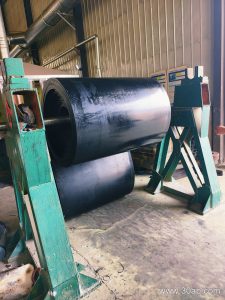
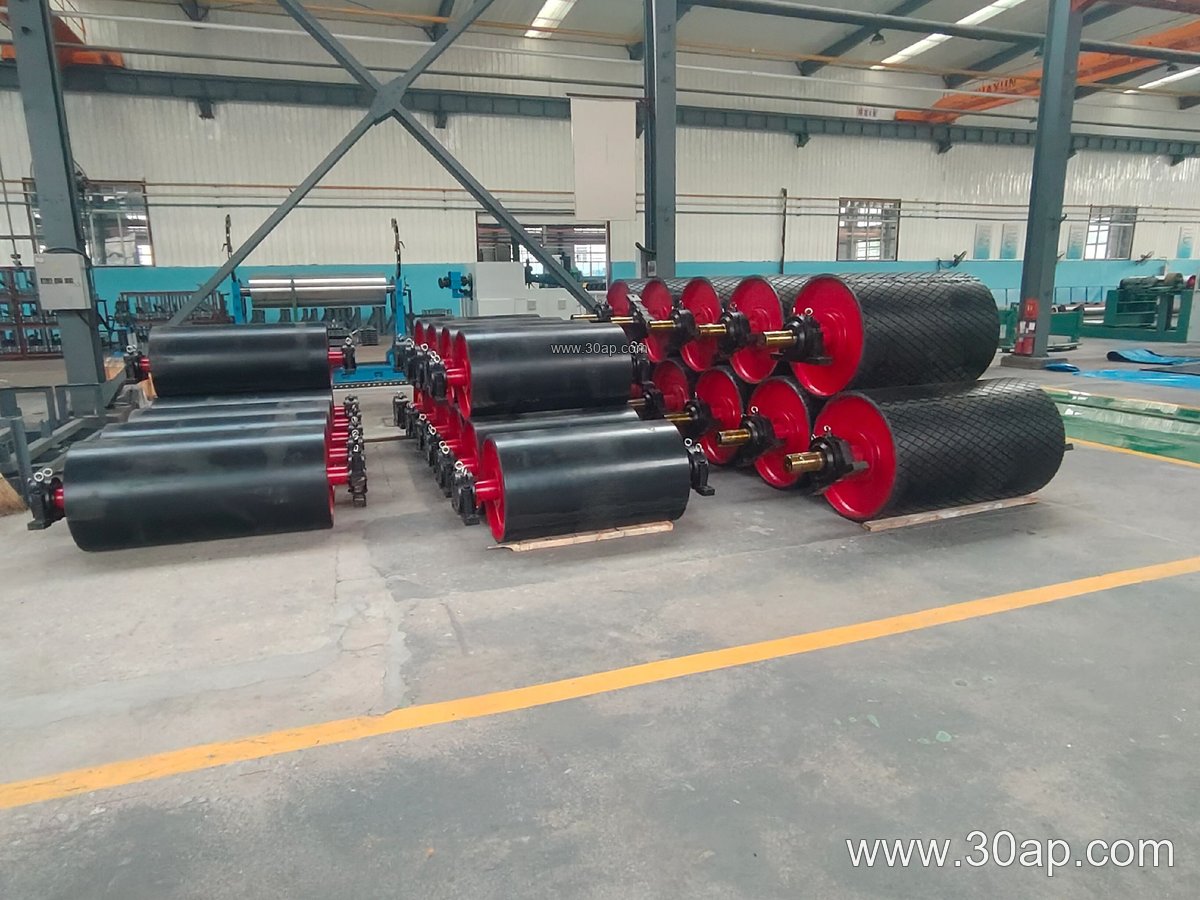
A high wear-resistant lagged pulley is a conveyor pulley whose shell is covered with a tough rubber or ceramic lagging to protect both the pulley face and the conveyor belt. In abrasive service such as a limestone quarry or a cement plant clinker line, the lagging takes the wear that would otherwise attack the pulley shell and the belt backing. The result is longer service life and more consistent grip between pulley and belt.
This pulley is often used as a drive pulley or tail pulley, but the lagging choice depends on the position and the material being handled. A drive pulley needs friction to transmit torque; a tail pulley needs protection from grit and fines. The same wear-resistant lagging concept can be applied to a bend pulley where belt wrap and abrasion are both present.
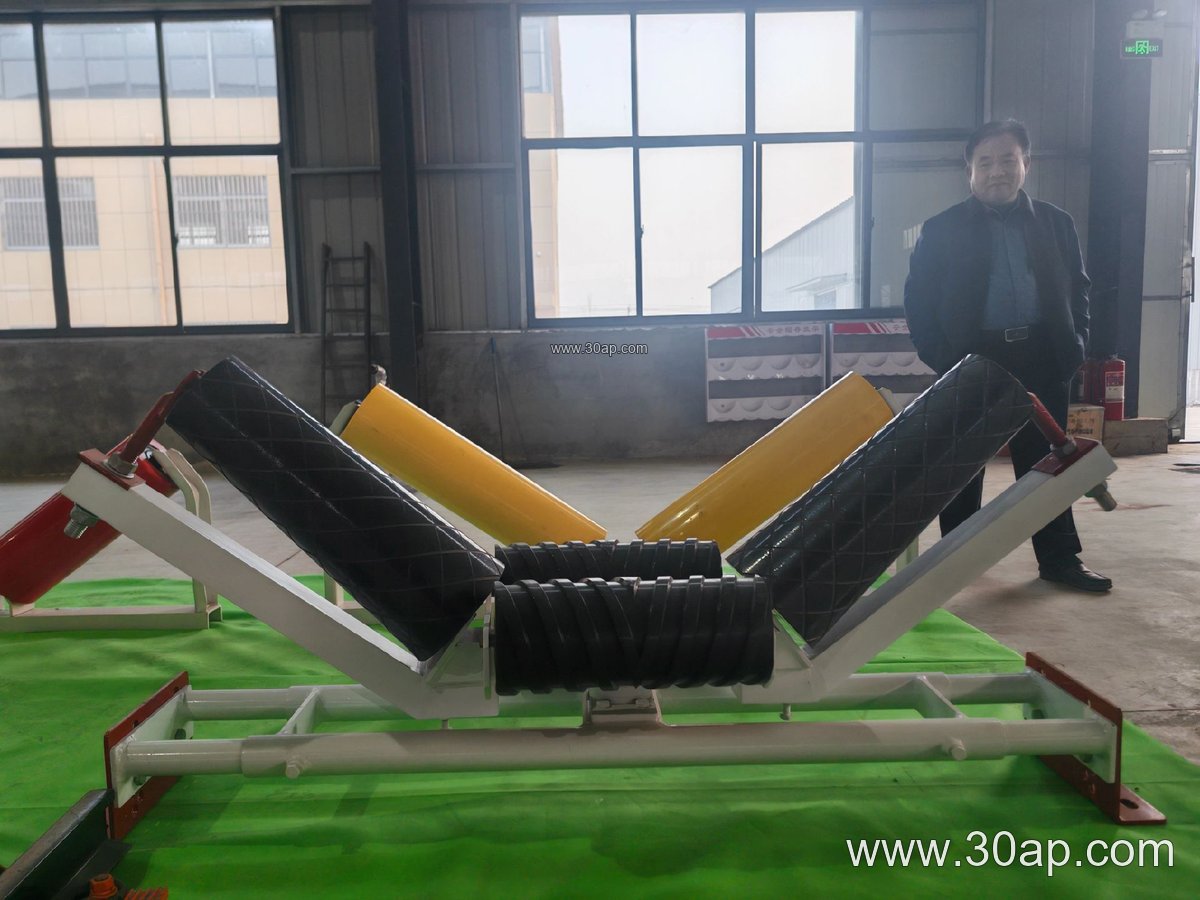
How the Lagging Is Built
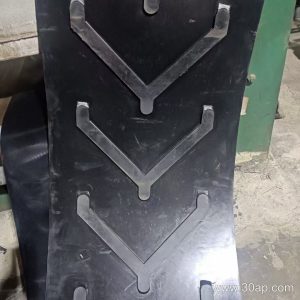
Lagging is not a single product. Common surface forms include plain rubber lagging, diamond pattern lagging, herringbone lagging, and ceramic lagging. Plain rubber is a general-purpose choice for moderate abrasion. Diamond and herringbone patterns help shed water and fines while improving grip. Ceramic lagging is selected for severe abrasion where rubber alone would wear too quickly.
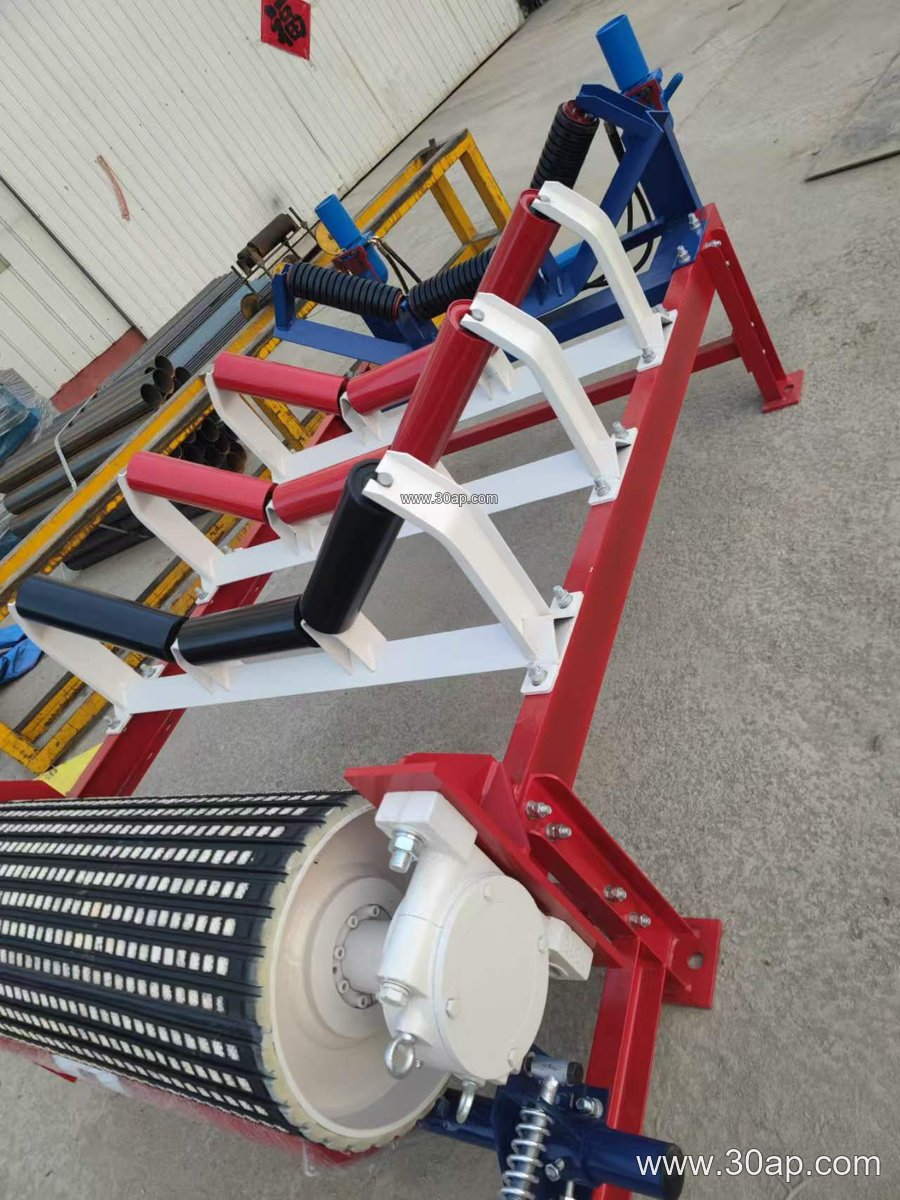
Thickness is usually specified in the range of 8, 10, 12, 15, or 20 mm. The attachment method matters as much as the material. Cold-bonded rubber, hot-vulcanized rubber, and cast lagging each have different workshop requirements. Hot vulcanization usually gives a stronger bond between rubber and shell, while cold bonding is simpler for field replacement. Ceramic tiles are embedded in a rubber matrix and bonded to the shell.
Shell, Shaft, and Bearing Details
The pulley shell is typically steel, with the lagging bonded or vulcanized to the outside. Shaft diameter is determined by torque and load, not by belt width alone. Common shaft sizes include Ø50, Ø60, Ø70, Ø80, Ø90, Ø100, Ø120, Ø140, Ø160, Ø180, and Ø200 mm. Bearing selection and hub design follow the same load calculation.
Where It Fits in the Conveyor
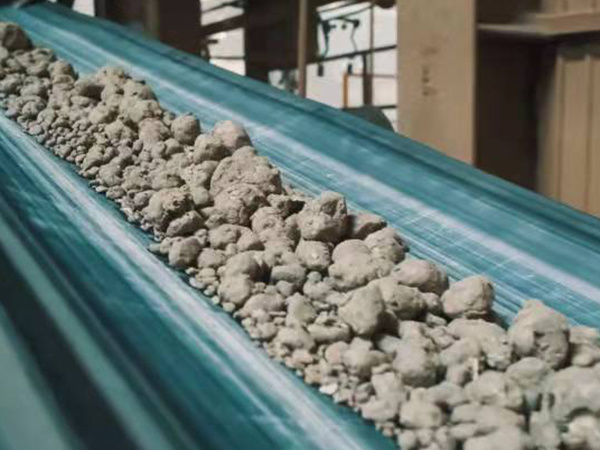
A high wear-resistant lagged pulley is common in sand and gravel plants, iron ore concentrators, coal preparation plants, and power station coal handling. In a crushing and screening circuit, the tail pulley often sees a heavy load of fines and moisture. In a belt conveyor carrying sinter or clinker, heat and abrasion combine, so lagging compound and thickness need careful review.
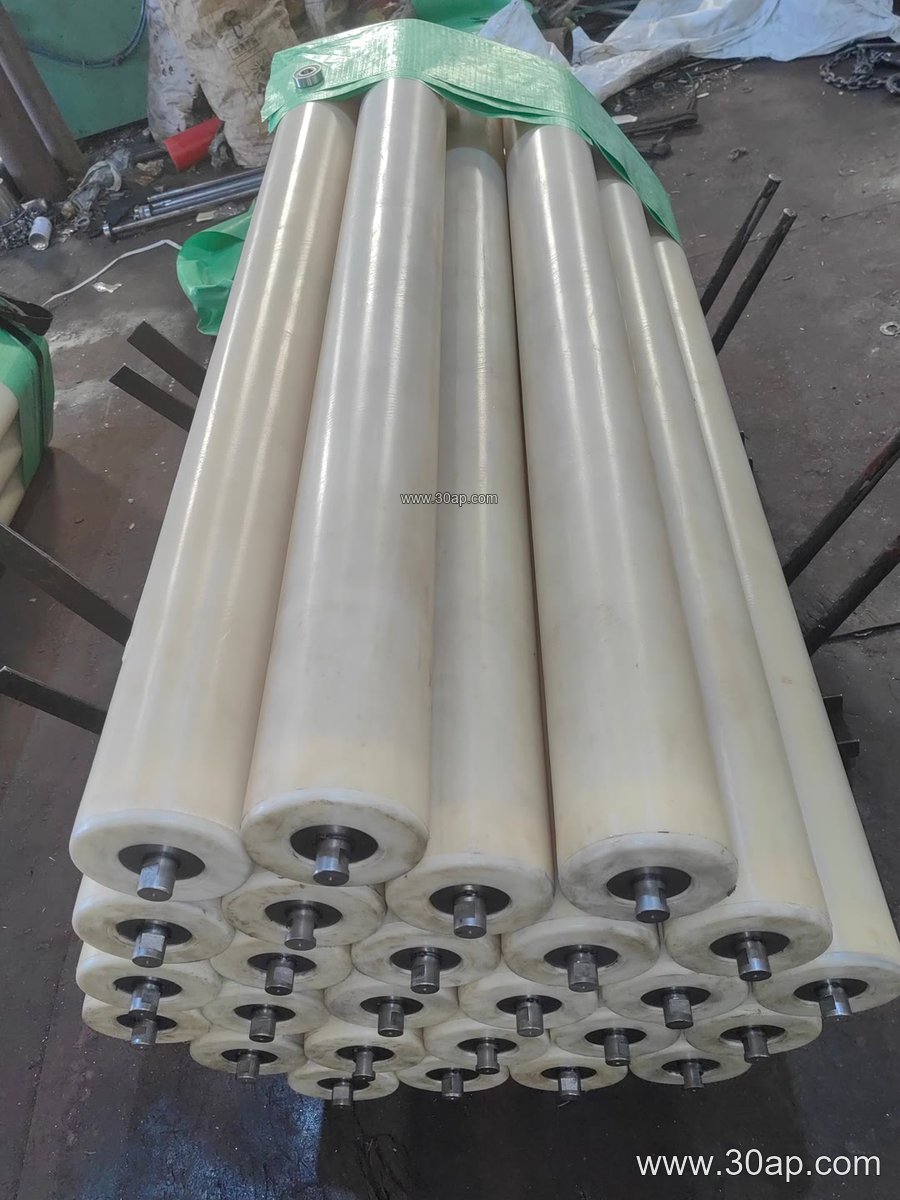
The pulley works with the conveyor belt, conveyor idler rollers, and conveyor brackets. A conveyor pulley with worn lagging can cause belt slip, misalignment, and premature belt wear. Replacing lagging before the shell is damaged is usually more economical than replacing the whole pulley.
Common Size Reference
The table below shows typical combinations seen in catalogues. These are reference values, not fixed rules. A given belt width can be matched with more than one pulley diameter depending on belt speed, tension, and duty.
| Belt width | Typical pulley diameter | Face width (approx.) | Lagging thickness |
|---|---|---|---|
| B500 | Ø250 – Ø400 | 600 mm | 8 – 12 mm |
| B650 | Ø315 – Ø500 | 750 mm | 10 – 15 mm |
| B800 | Ø400 – Ø630 | 950 mm | 10 – 15 mm |
| B1000 | Ø500 – Ø800 | 1150 mm | 12 – 20 mm |
| B1200 | Ø630 – Ø1000 | 1400 mm | 12 – 20 mm |
| B1400 | Ø800 – Ø1250 | 1600 mm | 15 – 20 mm |
Face width is usually slightly wider than the belt to allow for tracking. For example, B800 often uses about 950 mm face width, and B1200 about 1400 mm. Diameter and shaft size are selected from belt tension and torque, not from a single lookup table.
Buyer Checklist
- Confirm the pulley position: drive, tail, bend, or take-up. Each position has different lagging needs.
- Match lagging pattern and thickness to the abrasive material and moisture level.
- Check shaft diameter and bearing capacity against the actual belt tension.
- Ask how the lagging is bonded and whether field replacement is possible.
- Review face width and crown profile with the conveyor belt supplier.
A high wear-resistant lagged pulley is a wear part as much as a drive component. Choosing the right lagging surface, thickness, and bond for the site conditions keeps the conveyor belt running straighter and longer.