Conveyor Pulley Essentials
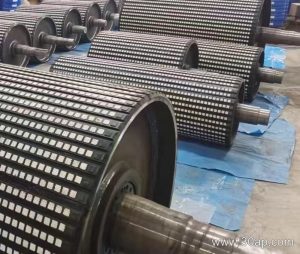
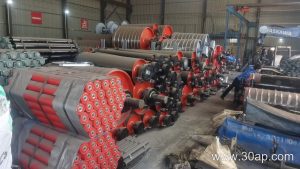
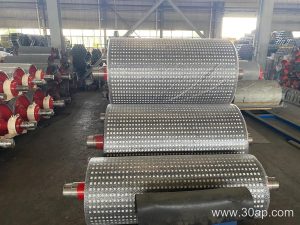
A conveyor pulley drives and tensions the belt. Choose drum or wing type by load and debris.
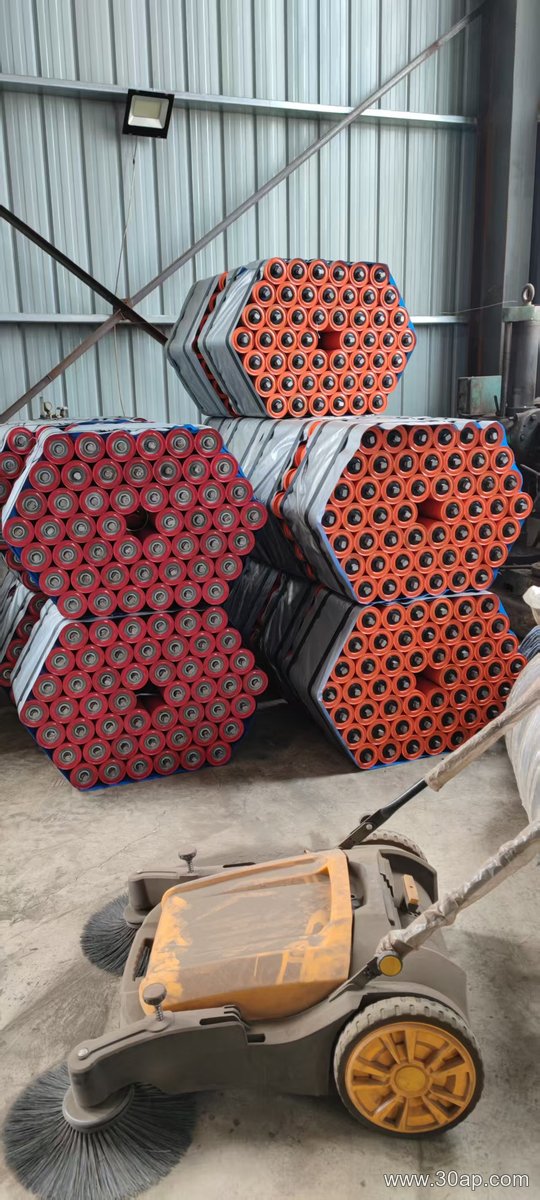
Selection Tips
- Match diameter to belt speed and torque.
- Check lagging for grip; rubber for wet, ceramic for high slip.
- Verify shaft, bearing, and hub fit.
Purchasing Advice
Request load ratings, balancing grade, and material certs. Compare lead times and warranty. Prioritize reputable suppliers for reliable conveyor pulley performance.
Conveyor Bracket: The Backbone of Your Material Handling System
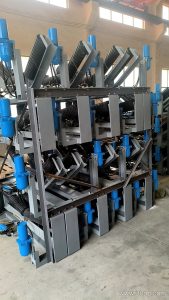
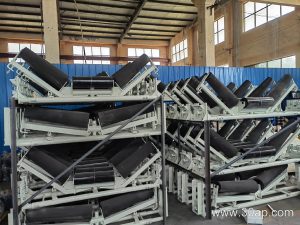
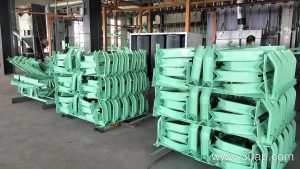
A conveyor bracket connects rollers, idlers, and frames, ensuring alignment and load support. Choose the right bracket to reduce downtime and maintenance costs.
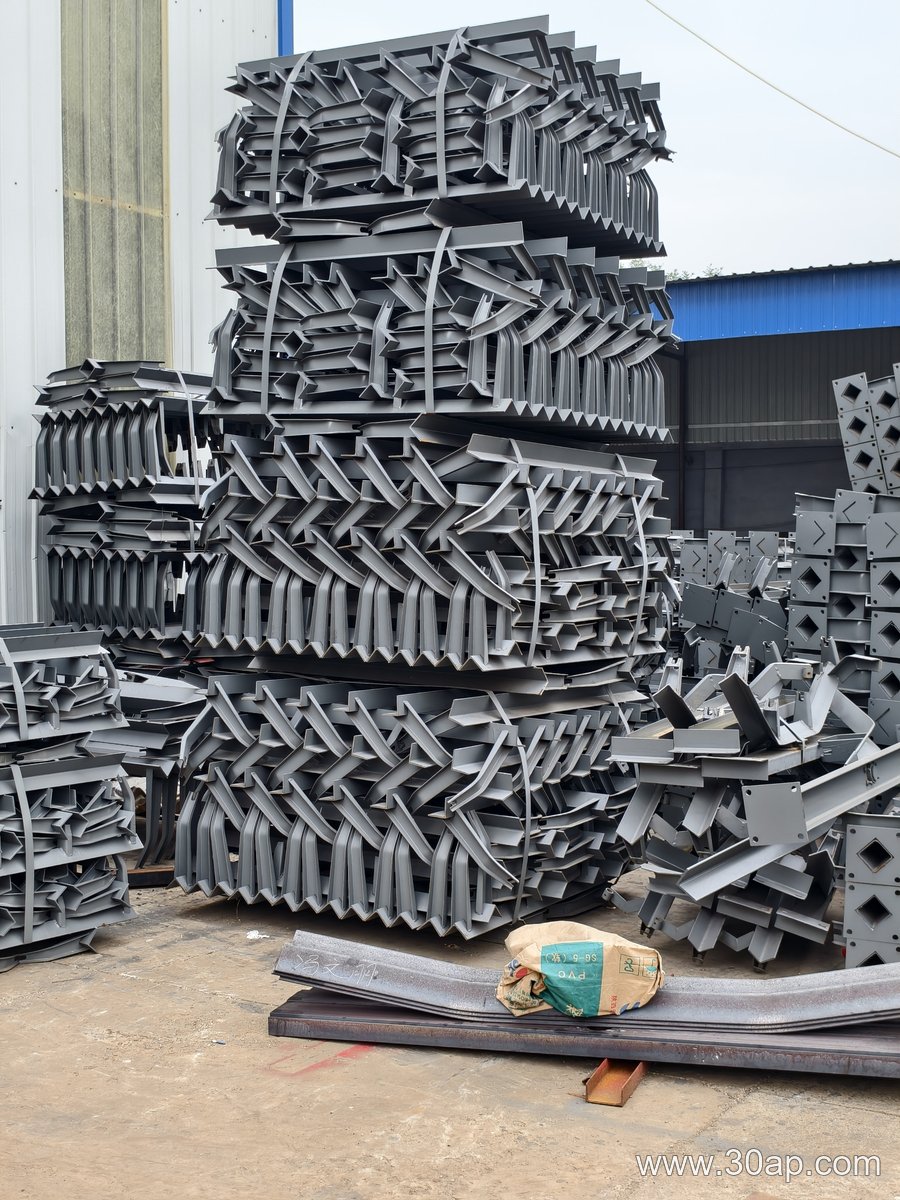
Selection and Purchasing Advice
- Match bracket material to load and environment (steel, stainless, or polymer).
- Verify hole patterns and mounting dimensions for your conveyor frame.
- Consider adjustable brackets for easy tensioning and alignment.
- Check load ratings and corrosion resistance for your application.
- Buy from suppliers offering consistent tolerances and bulk pricing.
Conveyor Belt Selection and Purchasing Guide
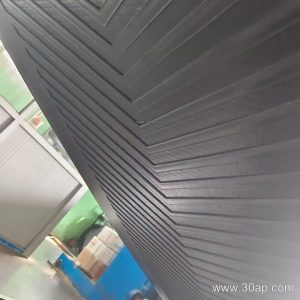
A conveyor belt is the backbone of bulk material handling. Match carcass, cover grade, and width to your load, speed, and environment before purchasing.
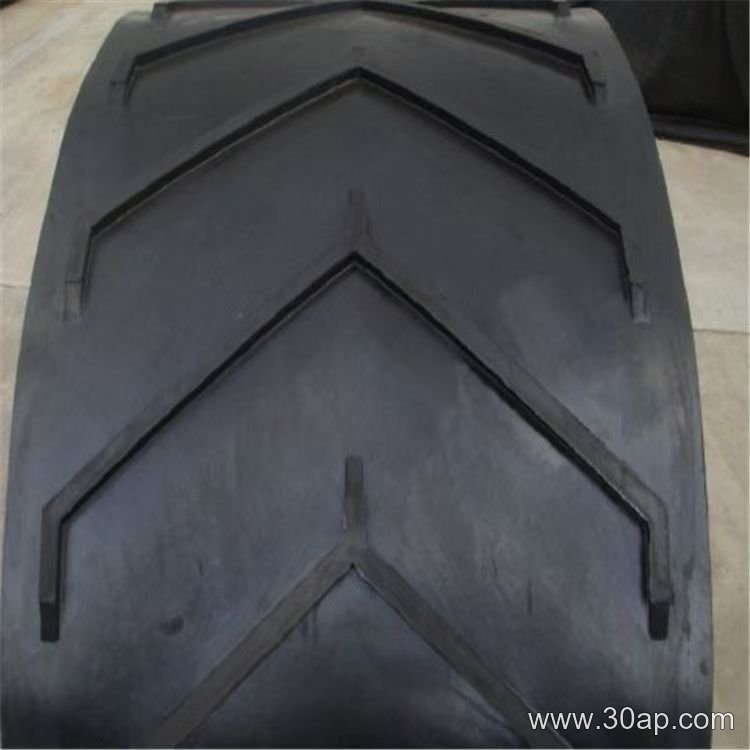
Key Selection Factors
- Material weight, abrasion, and temperature
- Belt tension, pulley diameter, and troughability
- Oil, heat, or fire resistance needs
Purchasing Advice
Request tensile strength, cover thickness, and splice data. Verify standards and lead time.
Idler Roller Selection and Purchasing Guide
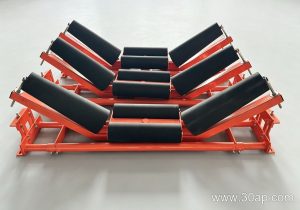
An idler roller supports the belt and reduces friction in conveyor systems. Choose the right idler roller by load, speed, and environment.
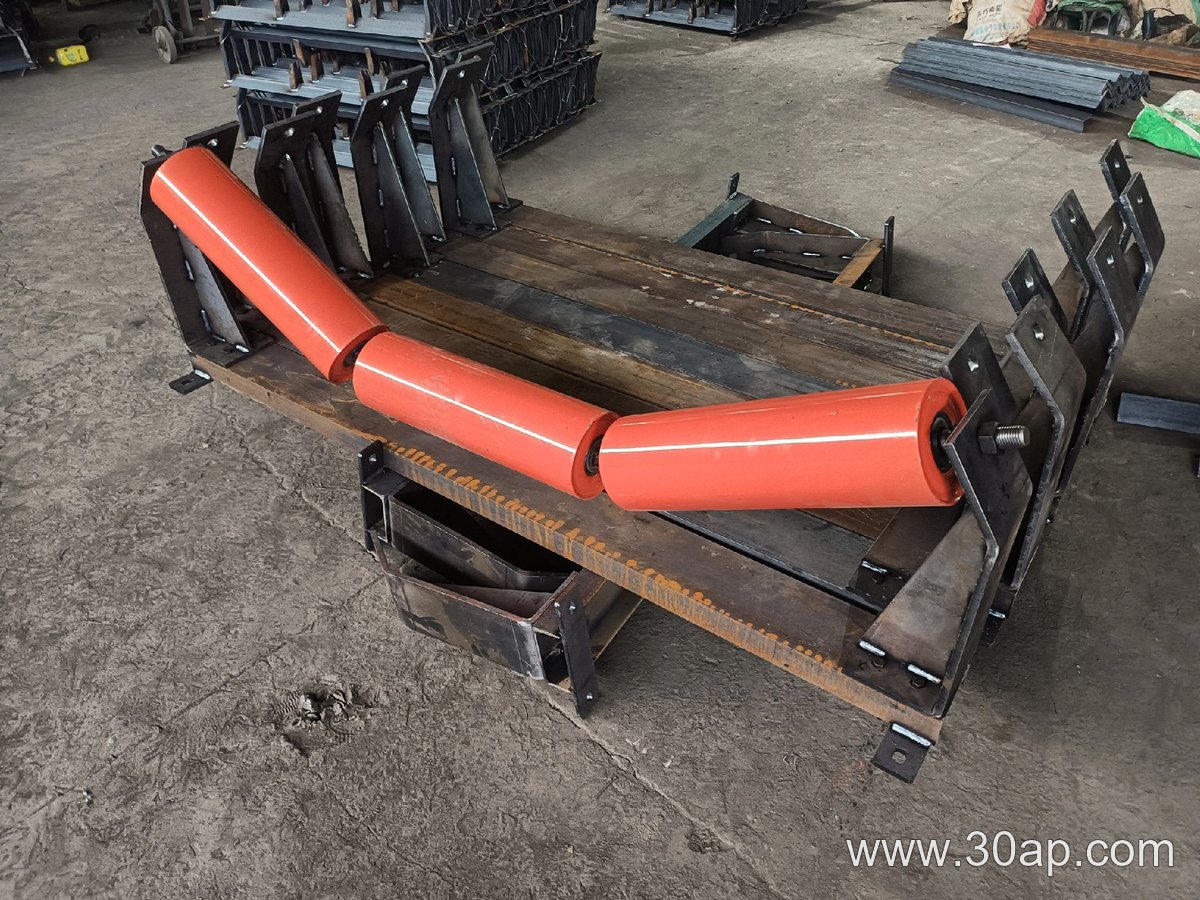
Key selection factors
- Check shaft diameter and bearing type for load capacity.
- Match roller material to dust, moisture, or heat.
- Confirm standard lengths and mounting tolerances.
Purchasing advice
Request load ratings, runout, and lubrication details. Compare total cost, not just unit price.