What Belt Conveyor Pulley Lagging Actually Does
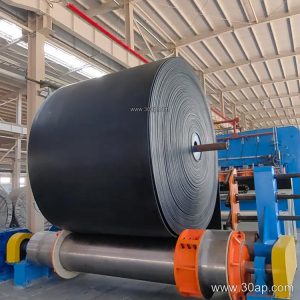
Belt conveyor pulley lagging is the rubber or ceramic layer bonded to the shell of a conveyor pulley where the conveyor belt makes contact. Its job is simple to describe and hard to overstate: it raises friction between the pulley face and the belt, shields the steel shell from abrasion and material build-up, and helps the belt track straighter under load. In a quarry, a cement plant, a power station coal yard, or a crushing and screening line, a bare steel shell can slip once the surface is wet, dusty, or coated with fines. Lagging restores grip and keeps the belt moving instead of polishing the shell.
Because it is a wearing part, lagging is also a maintenance decision. Choosing the right surface and thickness affects how often the pulley has to come out of service, and that is why buyers should treat it as an engineered component rather than an accessory.
How the Lagging Is Built and Fitted
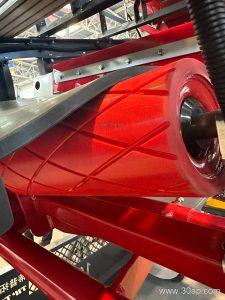
Most lagging starts as a rubber sheet, often with a fabric or cord reinforcement, that is cut to the shell width and wrapped around the drum. The bond is the critical part. Cold-bonded rubber uses an adhesive system applied in the workshop, while hot-vulcanized lagging is cured under heat and pressure so the rubber and the shell behave as one unit. A third route is cast or molded lagging, where the profile is formed directly.
Surface forms change how the lagging behaves:
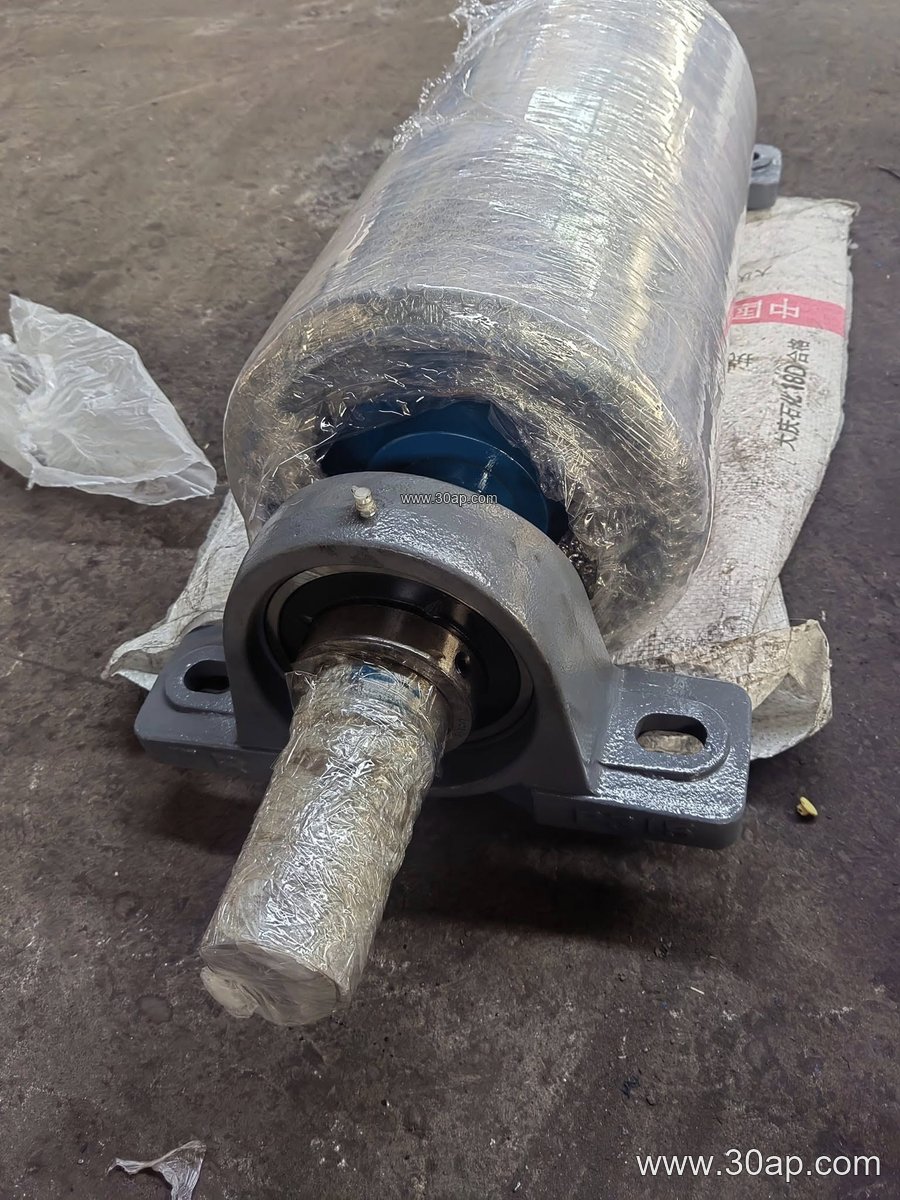
- Plain or smooth rubber gives uniform contact and is common on bend and take-up positions.
- Diamond or herringbone patterns channel water and fines away from the contact patch.
- Ceramic tiles embedded in rubber suit high-abrasion duty where slip and wear arrive together.
Typical lagging thicknesses are 8, 10, 12, 15, and 20 mm. Thicker is not automatically better; a very thick layer can flex more under load, so the choice should follow pulley diameter, belt tension, and the material being carried.
Where It Fits on the Conveyor
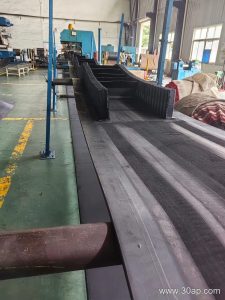
Lagging is applied to the pulleys that transmit torque or steer the belt. On a drive or head pulley, lagging provides the friction needed to pull a loaded conveyor belt. On a tail pulley it protects the shell from abrasive return material. On a bend pulley the load is lighter, but the lagging still guards against wear and helps the belt run true.
The application sets the priority. A coal mining conveyor handling wet, fine material benefits from a grooved pattern that clears water. An iron ore or copper ore line with sharp, heavy lumps leans toward abrasion-resistant rubber or ceramic. A cement plant clinker section may need a compound that tolerates heat. In a port ship-loading system, consistency of grip matters because a slip event can stop the whole transfer.
Matching Lagging to Pulley Size and Duty
Lagging is specified together with the pulley, not in isolation. Shell width usually exceeds belt width so the belt is fully supported, and the pulley diameter follows the belt tension and the space available. Some common reference combinations are shown below; these are examples, not fixed rules, and final values are set by design.
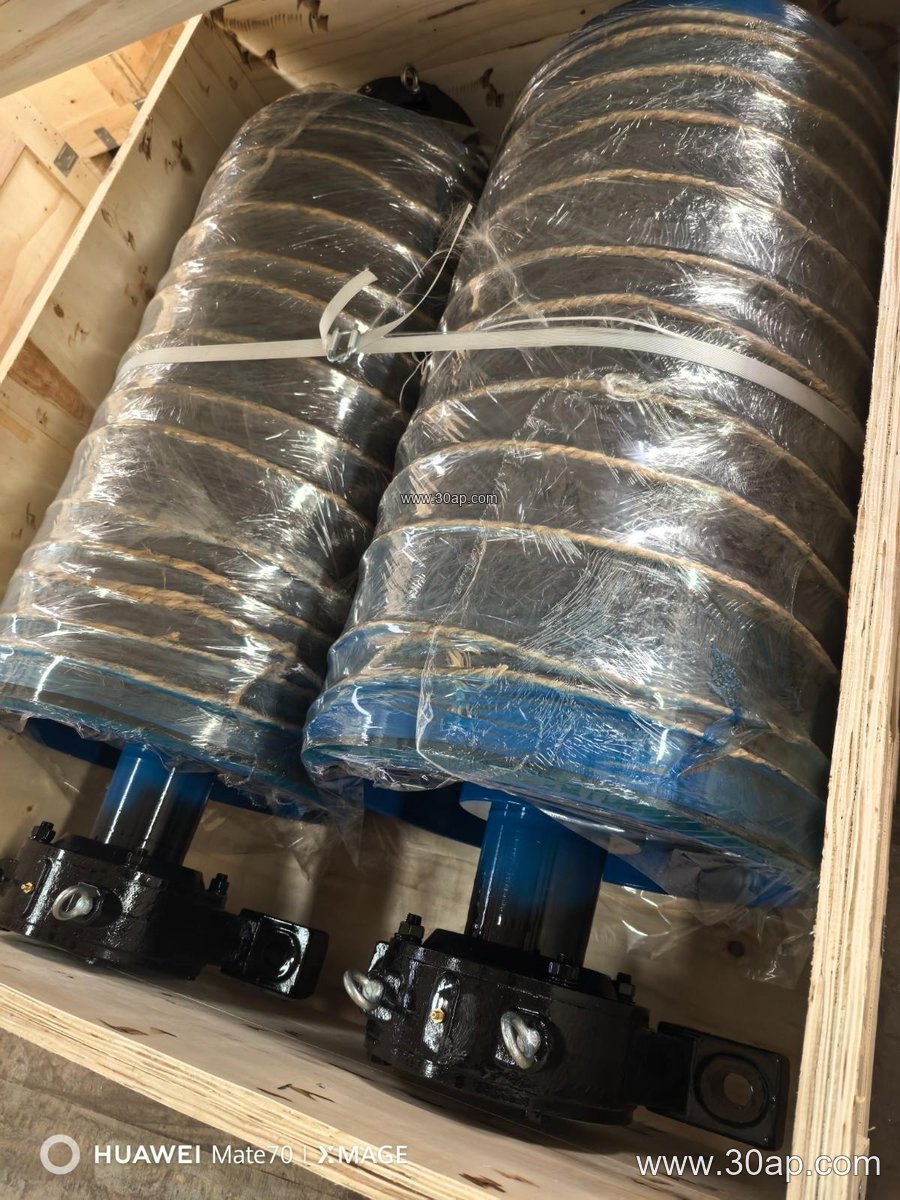
| Belt width (B) | Typical shell face width | Example pulley diameter | Lagging thickness range |
|---|---|---|---|
| B500 | about 600 mm | Ø315 to Ø400 | 8 to 12 mm |
| B800 | about 950 mm | Ø500 | 10 to 15 mm |
| B1000 | about 1150 mm | Ø630 to Ø800 | 10 to 15 mm |
| B1200 | about 1400 mm | Ø1000 | 12 to 20 mm |
| B1400 | about 1600 mm | Ø800 to Ø1000 | 12 to 20 mm |
| B1600 | about 1800 mm | Ø1000 to Ø1250 | 15 to 20 mm |
| B1800 | about 2000 mm | Ø1250 to Ø1400 | 15 to 20 mm |
Shaft diameter is a separate calculation based on torque and bearing load, commonly running from Ø50 up to Ø200 on larger units. A wide belt does not by itself dictate a shaft size, and a narrow belt does not limit the pulley to one diameter. Buyers should supply belt tension, speed, material type, and ambient conditions so the pulley and its lagging can be sized together.
What a Buyer Should Check Before Ordering
Start with the pulley role. Drive, tail, and bend pulleys are not interchangeable, and the lagging recommendation changes with each. Confirm the shell diameter and face width, then decide whether the surface should be plain, grooved, or ceramic. Ask how the lagging will be bonded, because cold-bonded and hot-vulcanized surfaces behave differently in wet or oily service.
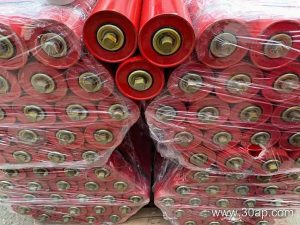
Also consider the belt it will run against. A heavy-duty mining conveyor belt with a thick cover tolerates more contact pressure than a thin fabric-core belt, and an abrasion-resistant or flame-retardant belt may call for a matching lagging compound. Check that the pulley is supported by a sound conveyor bracket and that the idler roller alignment upstream is correct, since misalignment accelerates lagging wear.
Finally, plan for replacement. Lagging wears gradually, and a spare set kept on site shortens downtime in a busy sand and aggregate line or a coal handling plant. Inspect for glazing, chunking, and loose edges at each shutdown, and re-lag before the shell is exposed.