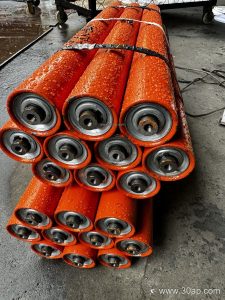
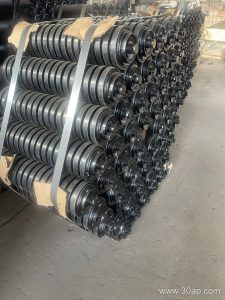
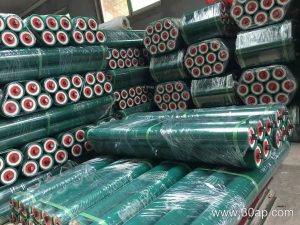
What a Labyrinth-Sealed Idler Does Differently
A labyrinth-sealed idler is a carrying or return roller whose bearing housing uses a non-contact, multi-stage seal path instead of a simple lip seal. The idea is straightforward: dust, grit, and water must travel through a tortuous gap before reaching the bearing. Because the labyrinth seal does not rub on a rotating lip, friction stays low while protection stays high. On a quarry conveyor belt or a coal handling line, that difference often decides how long a roller lasts between change-outs.
The same product is also described as a labyrinth seal idler roller. Both names refer to the same roller; neither is a substitute for a drive pulley, tail pulley, or bend pulley, which are separate conveyor components with different jobs.
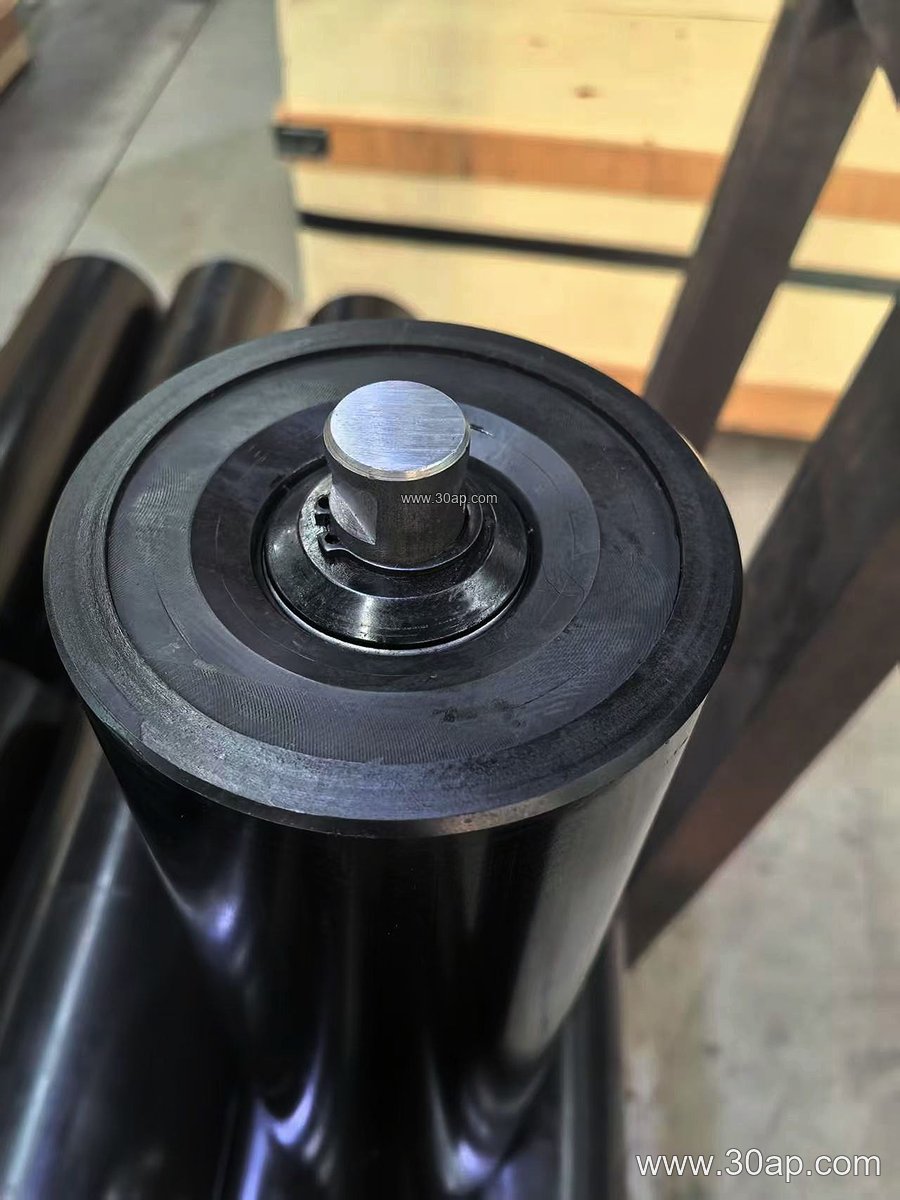
How the Seal and Housing Are Built
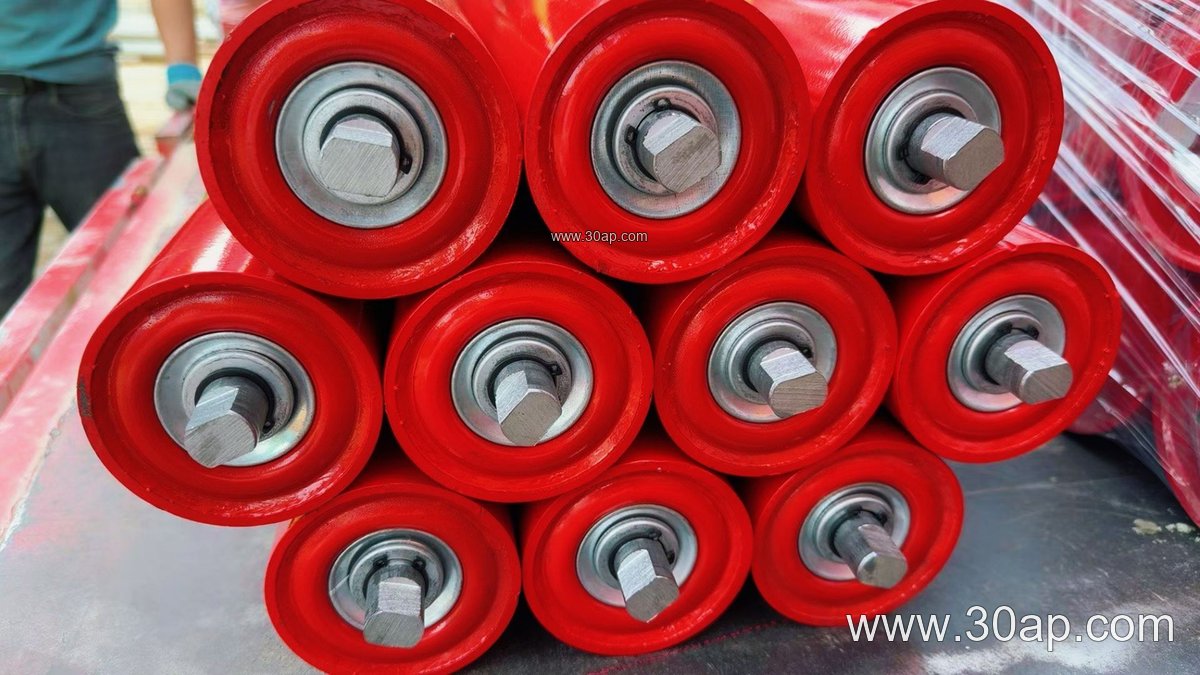
Inside a typical unit, the bearing sits in a stamped or machined housing closed by interlocking steel or polymer rings. Grease fills the small cavity and acts as a barrier. Because there is no contact between the rotating and stationary seal faces, the roller can run at normal belt speeds without generating seal heat. The roller shell is usually a steel tube with machined ends; shaft, bearing, and seal are assembled as one sealed cartridge.
Common bearing sizes include 6204, 6205, 6305, 6306, 6308, and 6310. These are reference values, not fixed pairings: a given roller diameter can be built with more than one bearing depending on load and design life. Roller diameters usually range from Ø63 and Ø76 up to Ø159, Ø178, Ø194, and Ø219 for heavy stations.
Where It Fits on the Conveyor
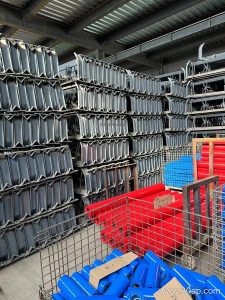
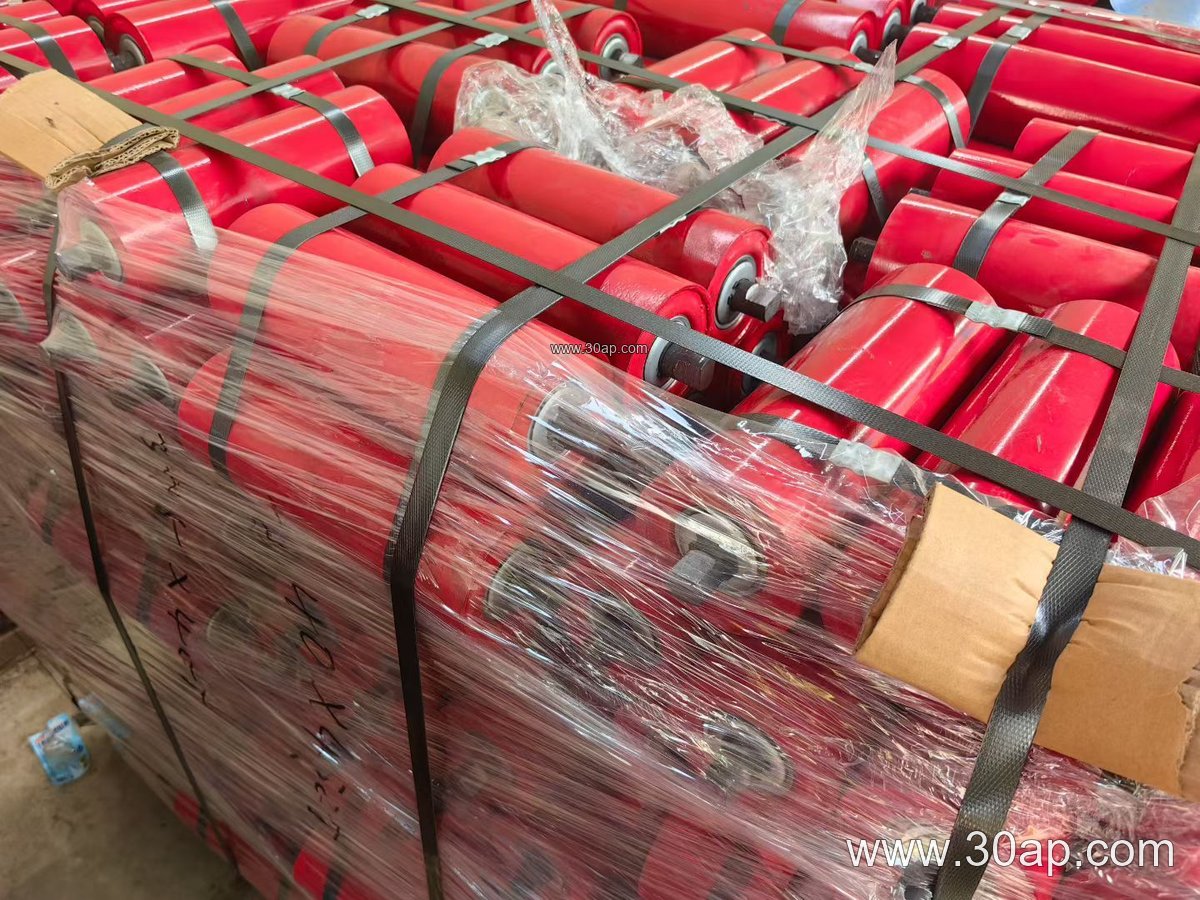
Labyrinth-sealed rollers appear in troughing sets, transition positions, and return runs. A three-roll troughing set at 20, 30, 35, or 45 degrees is common; the same seal design can be used on a single-roll or two-roll arrangement when the belt width and load call for it. Return idlers, including V-type and flat lower rollers, also benefit because the return strand is often the dustiest and wettest part of the frame.
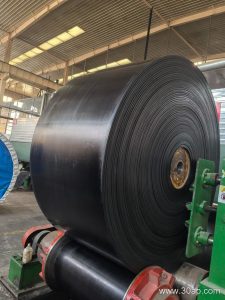
Typical service environments include limestone mines, iron ore plants, aggregate crushing and screening lines, cement plants, power station coal yards, and port bulk terminals. In these places a heavy-duty mining conveyor belt carries abrasive material, and fine dust settles on every roller. A sealed bearing housing keeps that dust out of the grease.
Matching Roller Length to Belt Width
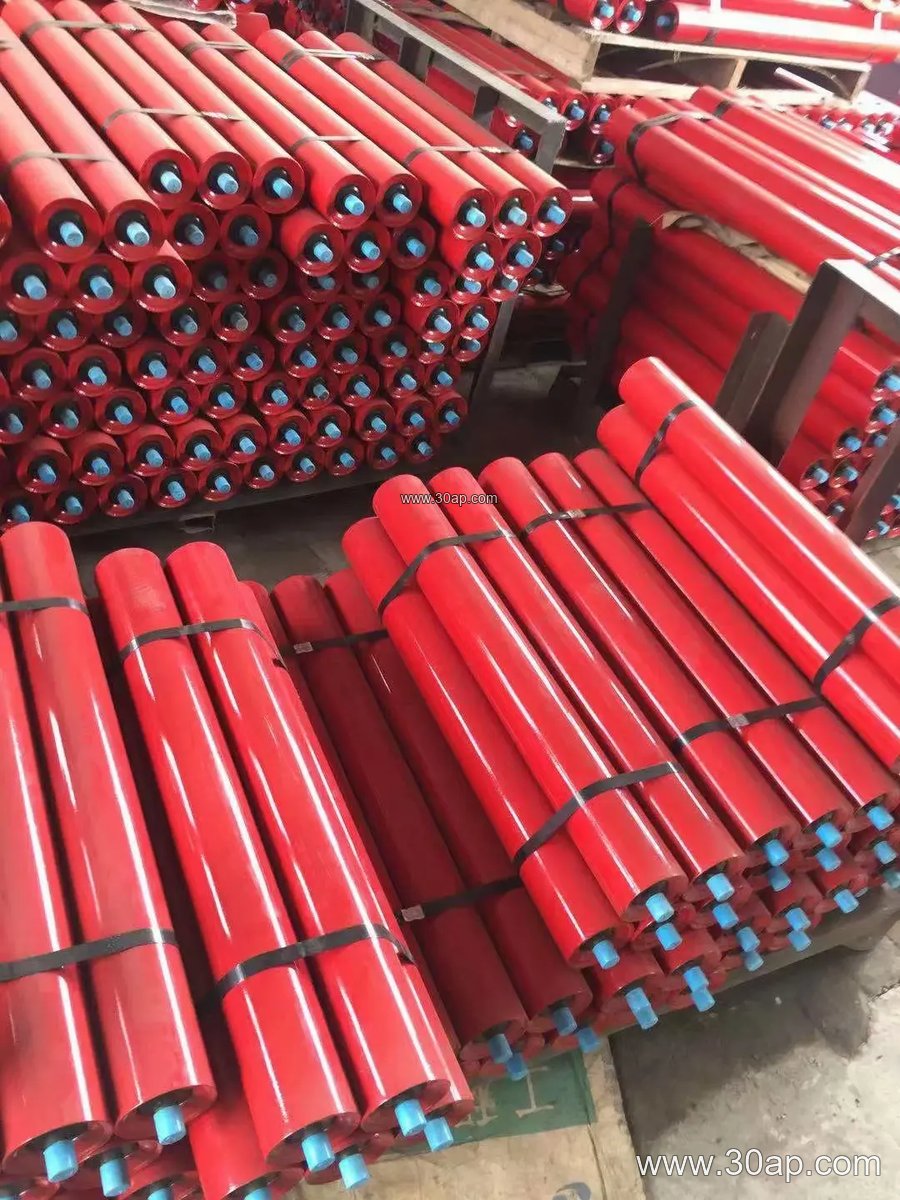
Roller length follows belt width, trough angle, and roll configuration. The values below are common examples for three-roll troughing sets, not mandatory pairings. Side rollers and centre rollers may differ, and frame design will change the final figure.
- B500 belt: roller length about 200 mm
- B650 belt: roller length about 250 mm
- B800 belt: roller length about 315 mm
- B1000 belt: roller length about 380 mm
- B1200 belt: roller length about 465 mm
- B1400 belt: roller length about 530 mm
- B1600 belt: roller length about 600 mm
- B1800 belt: roller length about 670 mm
- B2000 belt: roller length about 750 mm
Surface options range from plain steel tube to nylon, ceramic, and rubber rings. Rubber rings are often chosen at load points to soften impact, while ceramic or nylon covers help where build-up and wear are concerns.
Buyer Checklist Before Ordering
Start with the conveyor duty: belt width, trough angle, belt speed, and the material being carried. Confirm the roller diameter and bearing size against the load, not against a single belt dimension. Ask how the seal is constructed, whether the bearing is greased for life, and whether the roller can be re-lubricated. Check that the shaft ends and flats match the existing conveyor bracket, since a correct roller that does not seat properly will fail early.
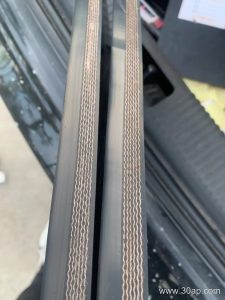
For abrasive bulk handling, a heavy-duty conveyor belt and well-sealed rollers work as a system. If the application also involves heat, oil, or fire risk, the belt may need a heat resistant conveyor belt or flame retardant conveyor belt, but the roller seal choice should still be based on dust and moisture exposure. Where a plant runs a steel cord conveyor belt or a fabric core conveyor belt on the same line, roller spacing and diameter are set by the belt’s load support needs, not by the belt type alone.
Maintenance Notes
Inspect for seized rollers, worn shells, and grease leakage at each shutdown. A roller that stops turning will flat-spot the belt and raise power draw. Keep the frame clean so dust does not pack around the seal gap, and replace damaged rollers in matched sets where alignment matters. Record roller diameter and bearing number at installation so future orders stay consistent.