What a Turning Pulley Does
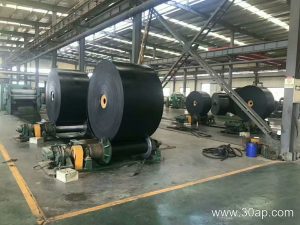
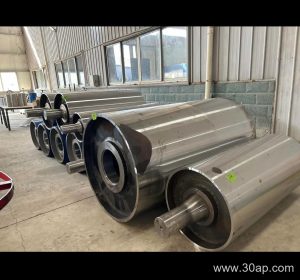
A turning pulley, often called a bend pulley, is a key component in belt conveyor systems. Its main job is to change the direction of the conveyor belt, guiding it along the desired path. Unlike drive pulleys that transmit power or tail pulleys that handle belt return, a turning pulley primarily redirects the belt. This makes it essential in confined spaces, such as underground mines or transfer points in cement plants, where the conveyor route must bend without interrupting material flow.
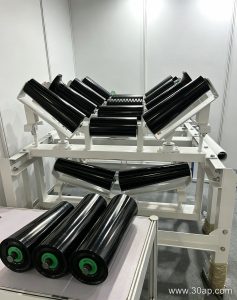
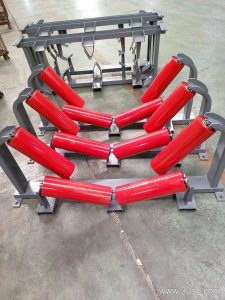
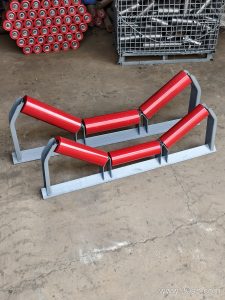
The turning pulley works with the conveyor belt to maintain proper tension and alignment. In a typical setup, it may be positioned at a 90-degree or 180-degree bend, depending on the layout. For example, in a copper mine’s crushing circuit, a turning pulley can route the belt around an obstacle, ensuring continuous transport of ore. It is often used alongside idler rollers and conveyor brackets to support the belt and reduce wear.
Construction and Key Features
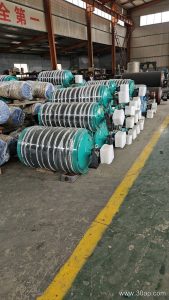
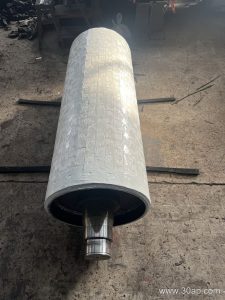
A turning pulley is built for durability and smooth operation. The core is usually a steel drum with a shaft, and the surface may be plain or covered with rubber lagging to improve grip and protect the belt. Common surface options include plain, diamond pattern, or ceramic lagging, with lagging thicknesses often ranging from 8 mm to 20 mm. The pulley diameter and face width are selected based on the belt width and load requirements.
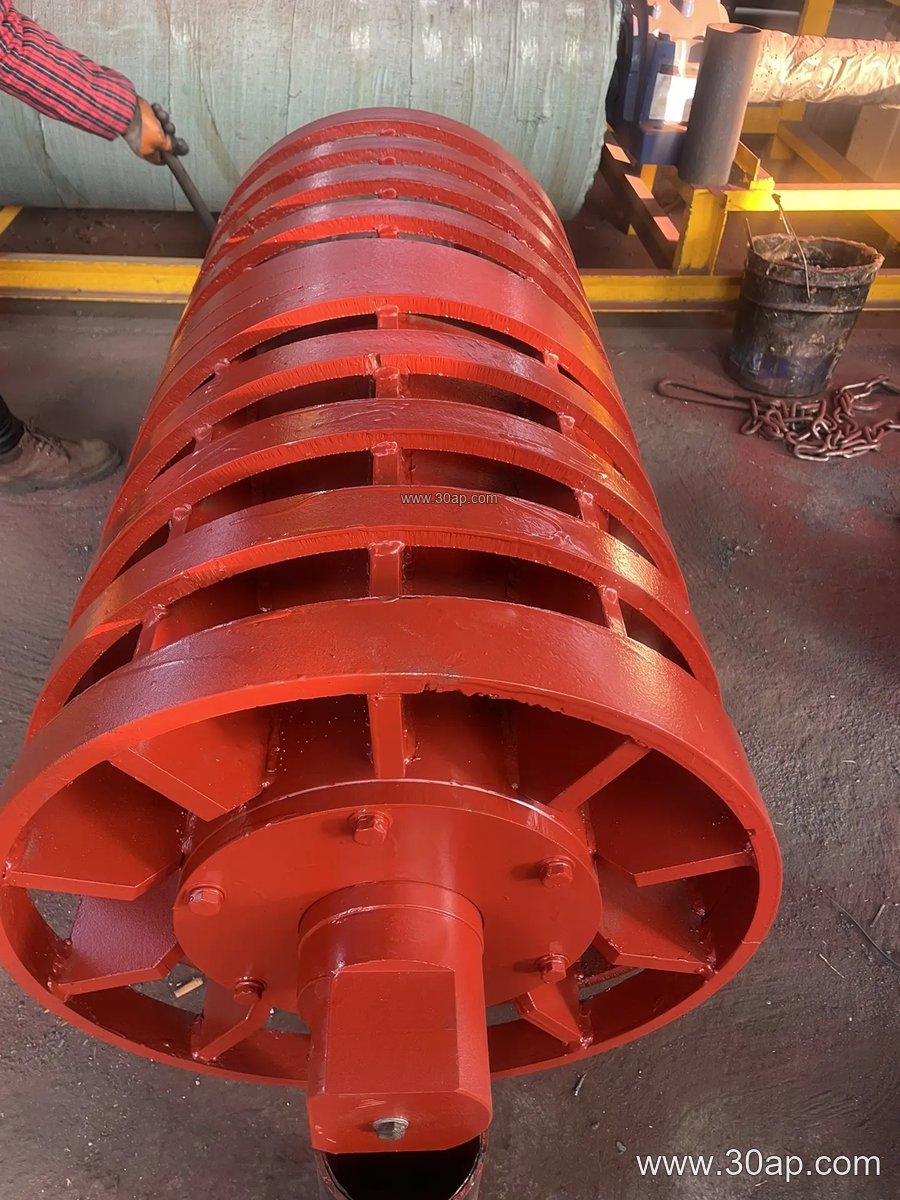
Typical belt widths for conveyors using turning pulleys include B400, B500, B650, B800, B1000, B1200, B1400, B1600, and B1800. The pulley face width is usually slightly wider than the belt, for instance, about 500 mm for B400 or about 1400 mm for B1200. Diameters commonly range from Ø200 to Ø1800, depending on the application. The shaft diameter is determined by torque and load, with common sizes such as Ø50, Ø60, Ø80, Ø100, Ø120, and Ø160. These values are for reference; actual specifications should be confirmed with the manufacturer.
Where Turning Pulleys Are Used
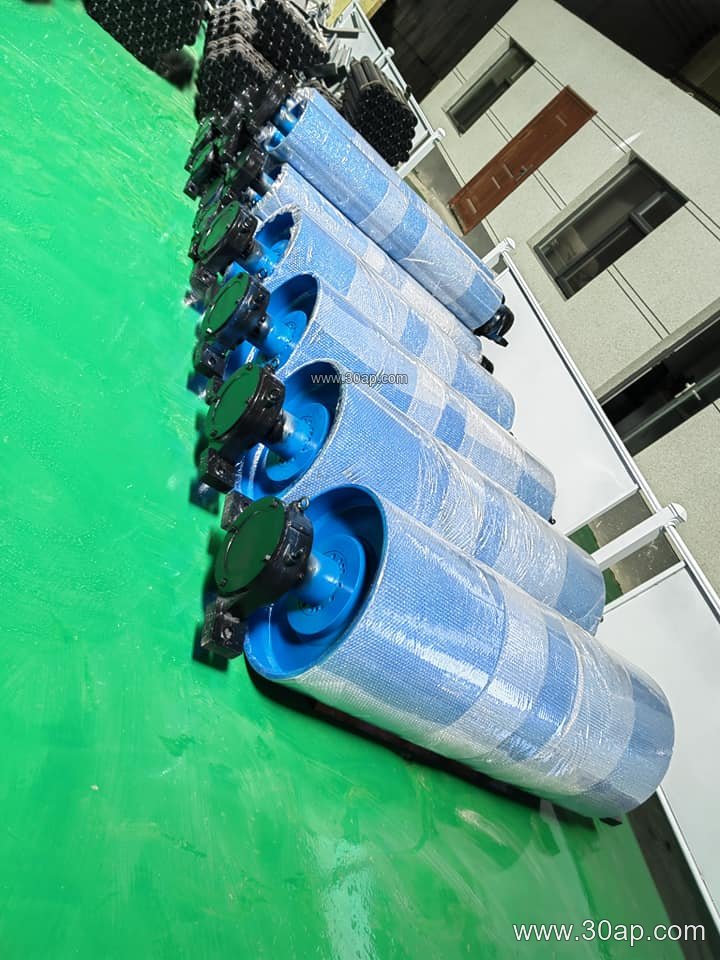
Turning pulleys are found in many industries that rely on belt conveyors. In coal washing plants, they help navigate the belt through dense equipment layouts. In power plant coal handling systems, they redirect the belt to fit space constraints. Aggregate operations, such as sand and gravel lines, use them to route belts around screens and crushers. They are also common in fertilizer plants and grain silos, where gentle handling and reliable direction changes are needed.
In these settings, the turning pulley works with other components like the conveyor pulley, idler roller, and conveyor bracket to ensure the system runs smoothly. It is not a substitute for a drive or tail pulley but complements them by managing belt path changes.
Selection and Maintenance Tips
When choosing a turning pulley, consider the belt width, operating tension, and environmental conditions. The pulley diameter should be large enough to avoid excessive bending stress on the belt. Lagging type depends on the need for friction and wear resistance; for example, ceramic lagging may be used in abrasive conditions like iron ore handling. Always verify the shaft size based on the actual load, not just the belt width.
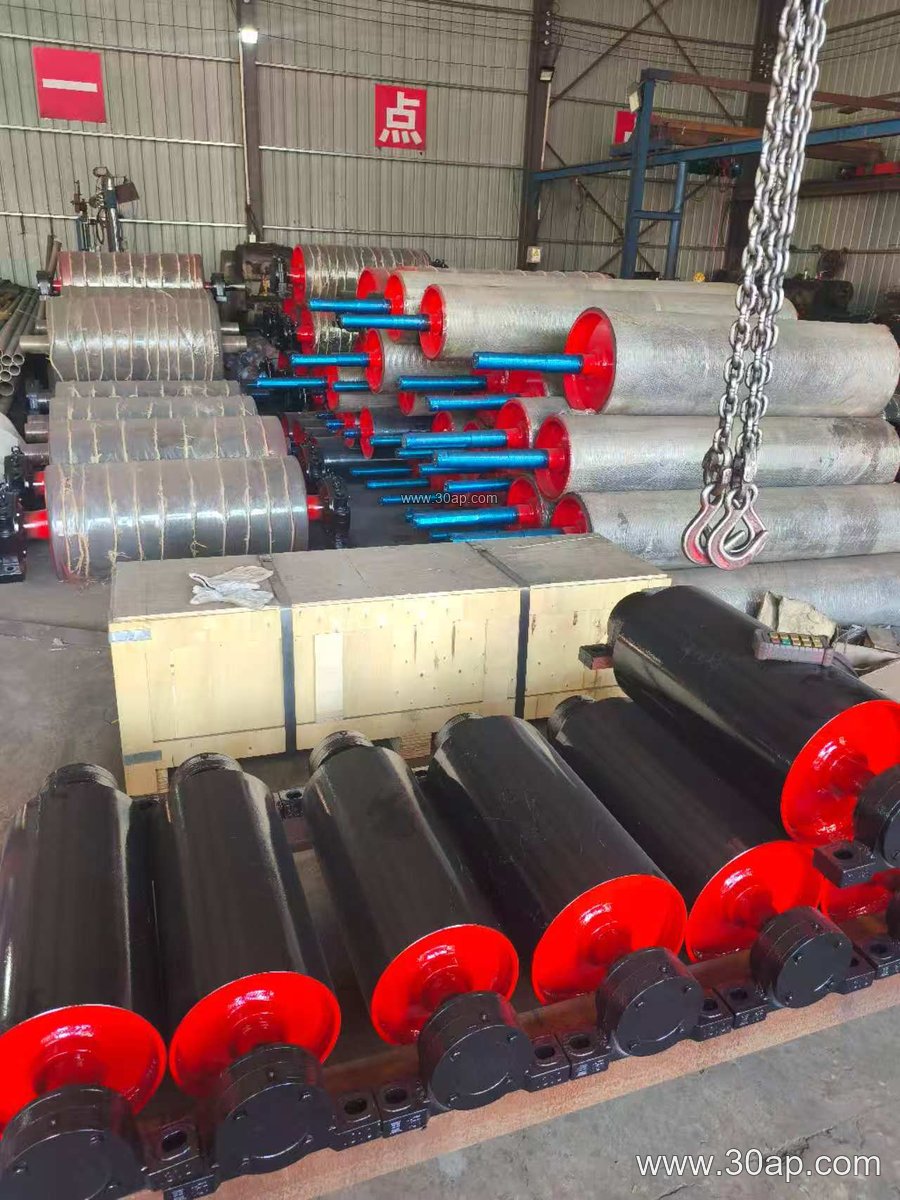
Regular maintenance includes checking for belt misalignment, lagging wear, and bearing condition. Proper lubrication and alignment extend the pulley’s life. In dusty environments such as cement plants, keep the pulley area clean to prevent buildup that could cause tracking issues.
Common Reference Dimensions
The table below lists typical combinations for turning pulleys. These are common examples, not fixed rules; many other sizes and combinations are available.
| Belt Width | Pulley Face Width (approx.) | Common Diameter Range | Typical Shaft Diameter |
|---|---|---|---|
| B400 | 500 mm | Ø200–Ø400 | Ø50–Ø80 |
| B500 | 600 mm | Ø250–Ø500 | Ø60–Ø90 |
| B650 | 750 mm | Ø315–Ø630 | Ø70–Ø100 |
| B800 | 950 mm | Ø400–Ø800 | Ø80–Ø120 |
| B1000 | 1150 mm | Ø500–Ø1000 | Ø90–Ø140 |
| B1200 | 1400 mm | Ø630–Ø1250 | Ø100–Ø160 |
| B1400 | 1600 mm | Ø800–Ø1400 | Ø120–Ø180 |
| B1600 | 1800 mm | Ø1000–Ø1600 | Ø140–Ø200 |
| B1800 | 2000 mm | Ø1250–Ø1800 | Ø160–Ø200 |
Remember that these are reference values. Final specifications should be based on engineering calculations and supplier consultation to ensure optimal performance and safety.