What a Heavy-Duty Mining Conveyor Belt Is
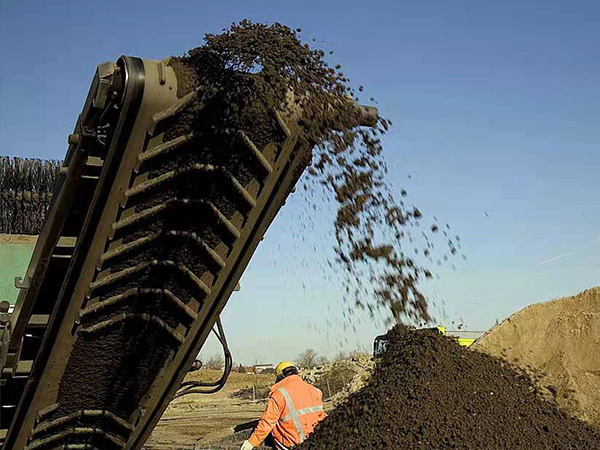
A heavy-duty mining conveyor belt is the load-carrying element in a bulk material handling system built for ore, coal, crushed rock, and similar abrasive feeds. Instead of a light general-purpose belt, this class of belt uses a stronger carcass, thicker covers, and splices designed for continuous high-tonnage service. The same product is often called a high-strength mining conveyor belt, and both names describe the same article rather than different items.
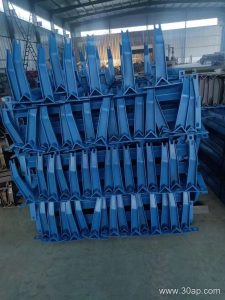
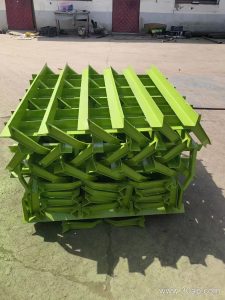
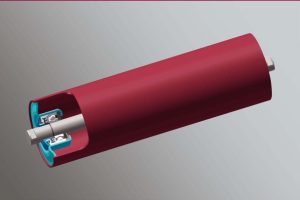
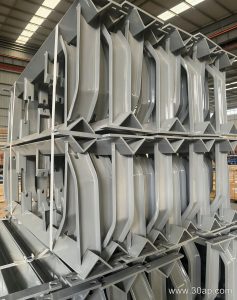
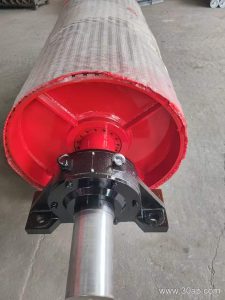
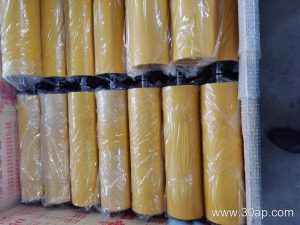
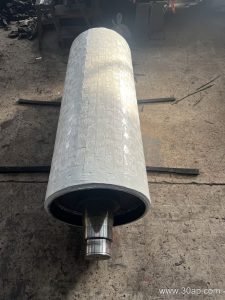
The belt itself does not carry the load alone. It runs over idler rollers that support the trough, wraps around the head or discharge pulley, and returns over a tail or bend pulley, with conveyor brackets holding the structure together. Each of those parts has its own job, and none is a substitute for another.
Construction That Handles Abrasion and Impact
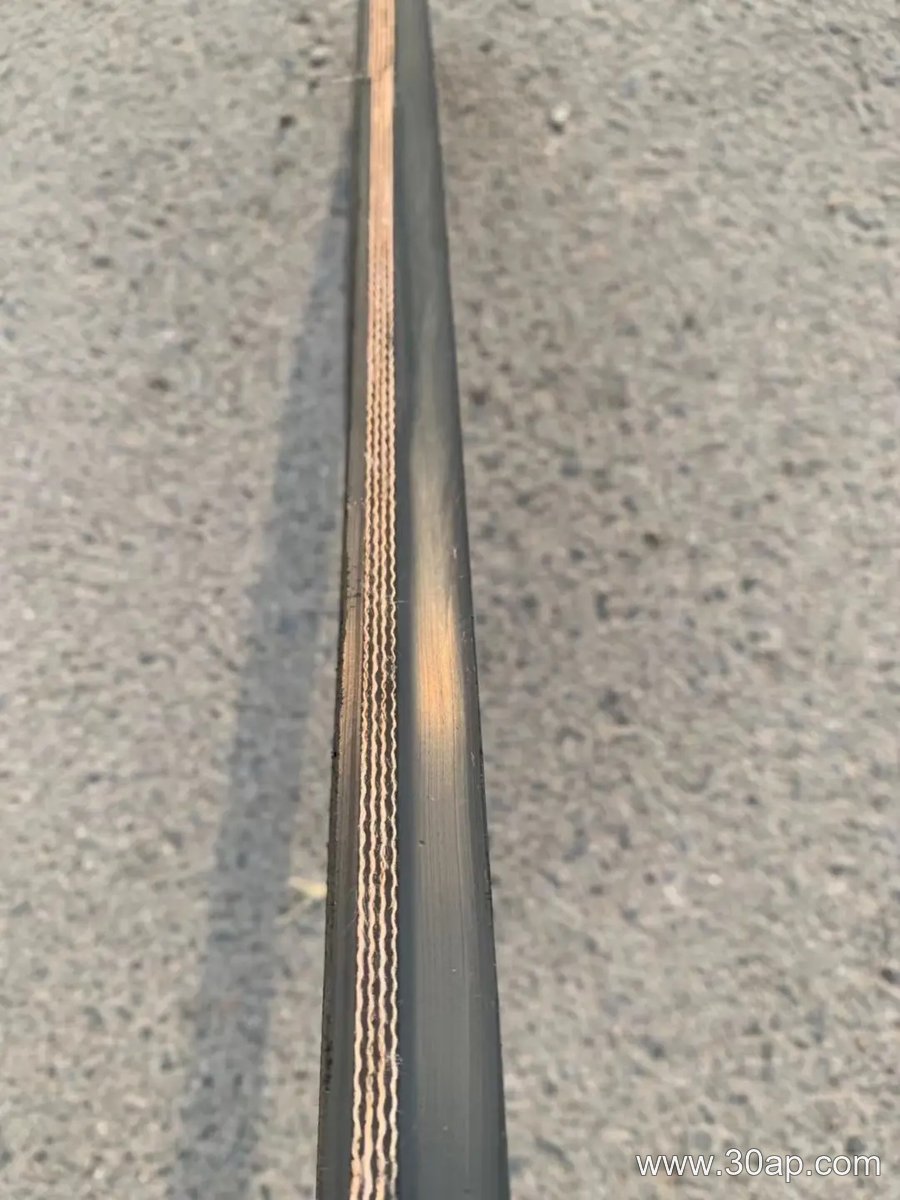
A typical heavy-duty mining belt is a composite: a tension-bearing carcass, skim layers, and top and bottom rubber covers. The carcass may be fabric-reinforced or steel-cord reinforced, and the choice affects elongation, splice method, and tear resistance.
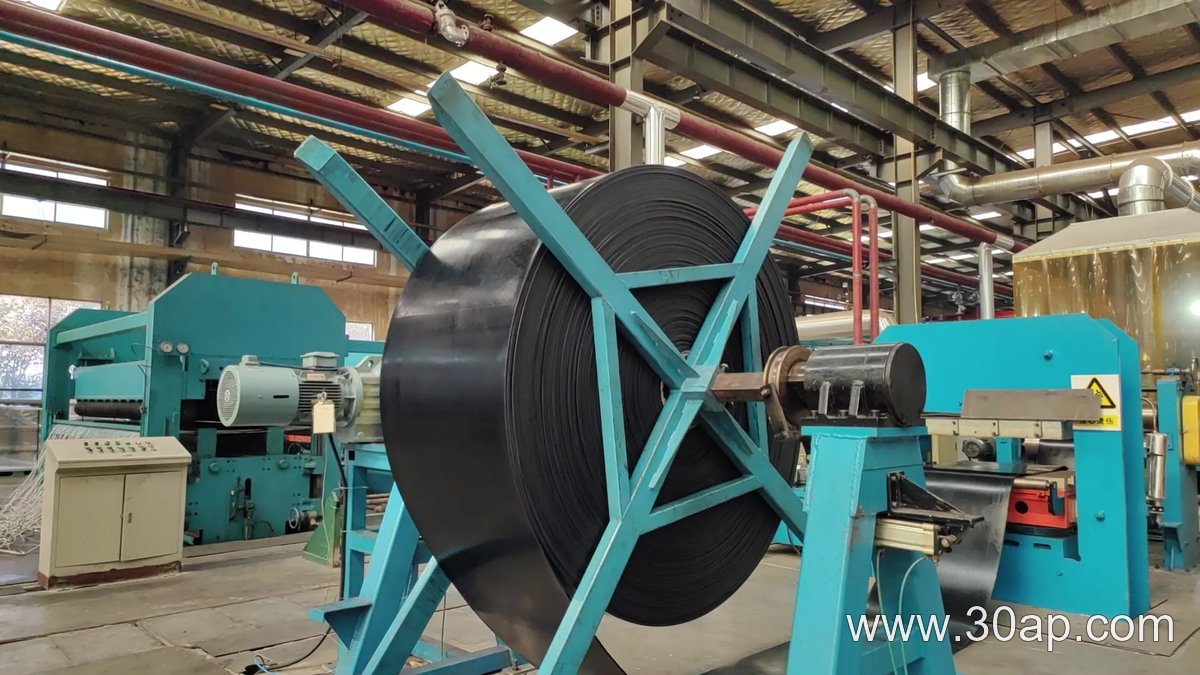
Common carcass types
- EP conveyor belt with polyester warp and nylon weft, common in medium to long hauls.
- NN nylon conveyor belt, known for high elasticity and impact absorption.
- Steel cord conveyor belt for very long, high-tension overland routes.
Cover compounds are selected for the duty: abrasion-resistant, heat-resistant, oil-resistant, flame-retardant, antistatic, cold-resistant, or acid and alkali resistant. A heavy-duty mining conveyor belt frequently combines abrasion resistance with flame retardancy or antistatic properties where underground or dusty conditions apply. Surface forms such as patterned, chevron, or corrugated sidewall belts are chosen only when the incline or material containment demands them; they are variations on the belt, not replacements for the main heavy-duty product.
Reference Dimensions and How They Are Written
The table below lists reference data only. Actual values depend on the conveyor design, and a single belt width does not dictate one pulley diameter or shaft size.
| Parameter | Reference range |
|---|---|
| Belt width | B500, B650, B800, B1000, B1200, B1400, B1600, B1800, B2000 |
| Fabric belt strength grades | EP200, EP315, EP400, EP500, EP630, EP800, EP1000, EP1250, EP1600, EP2000 |
| Cover thickness examples | 3+1.5 mm, 4+2 mm, 5+2 mm, 6+2 mm, 8+3 mm |
| Ply count | Commonly 2 to 6 layers |
These figures are usually stated as top cover plus bottom cover, for example 6+2 mm. A wider belt may use a larger pulley, but the relationship is set by the conveyor designer, not by a fixed rule linking one width to one diameter.
Where It Is Used
Heavy-duty mining belts appear in open-pit and underground mines, mineral processing plants, stockyards, and port bulk terminals. They move material from crushers to screens, from loading points to stockpiles, and along inclined declines. In these settings the belt works with conveyor pulleys at the drive, tail, and bend positions, and with idler rollers spaced to control sag. Conveyor brackets and frames keep alignment so the belt tracks correctly under load.
Because mining feeds are often sharp and heavy, impact zones and transfer points receive extra attention. Impact idlers, skirt rubber, and wear liners reduce damage at the loading point, while a properly rated heavy-duty belt resists cutting and gouging along the carrying run.
What a Buyer Should Check
- Material size, density, and temperature, since hot or oily feeds rule out some cover compounds.
- Belt width and strength grade matched to the required tonnage and conveying distance.
- Cover thickness and compound, because abrasion resistance drives service life in mining.
- Splice preference and whether the carcass suits vulcanized or mechanical joining.
- Pulley, idler roller, and bracket compatibility, confirmed against the conveyor layout.
- Troughing and training needs on long inclines, where misalignment shortens belt life.
Specify by duty rather than by habit. A high-strength mining conveyor belt that fits one site may be over- or under-specified for another, and the correct choice comes from the conveyor design, the material, and the operating environment rather than from a single number.