What a Vertical Idler Bracket Does on a Conveyor
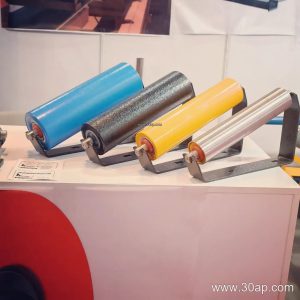
In a belt conveyor system, the Vertical Idler Bracket is the vertical support element that holds an idler roller in the correct position relative to the belt line. Rather than carrying the belt itself, this bracket fixes the idler assembly to the conveyor frame or to a vertical mounting surface, keeping the roller square to the belt path. On a typical troughed conveyor, the bracket works together with the conveyor bracket and the idler roller to preserve the trough profile and reduce belt wander. It is a small component, but a loose or misaligned vertical bracket can cause edge damage on the conveyor belt and uneven loading across the trough.
Construction and Mounting Arrangement
Most vertical idler brackets are fabricated from angle steel, channel steel, or folded steel plate. The bracket usually includes a vertical leg with slotted or drilled holes for the frame bolts, plus a horizontal or angled seat where the idler shaft is clamped. Slotted holes allow the maintenance team to fine-tune roller height and lateral position after installation. Because the bracket is part of the load path, weld quality and plate thickness matter more than finish. A common arrangement uses two vertical brackets per idler station, one on each side of the frame, with the roller shaft passing through both seats.
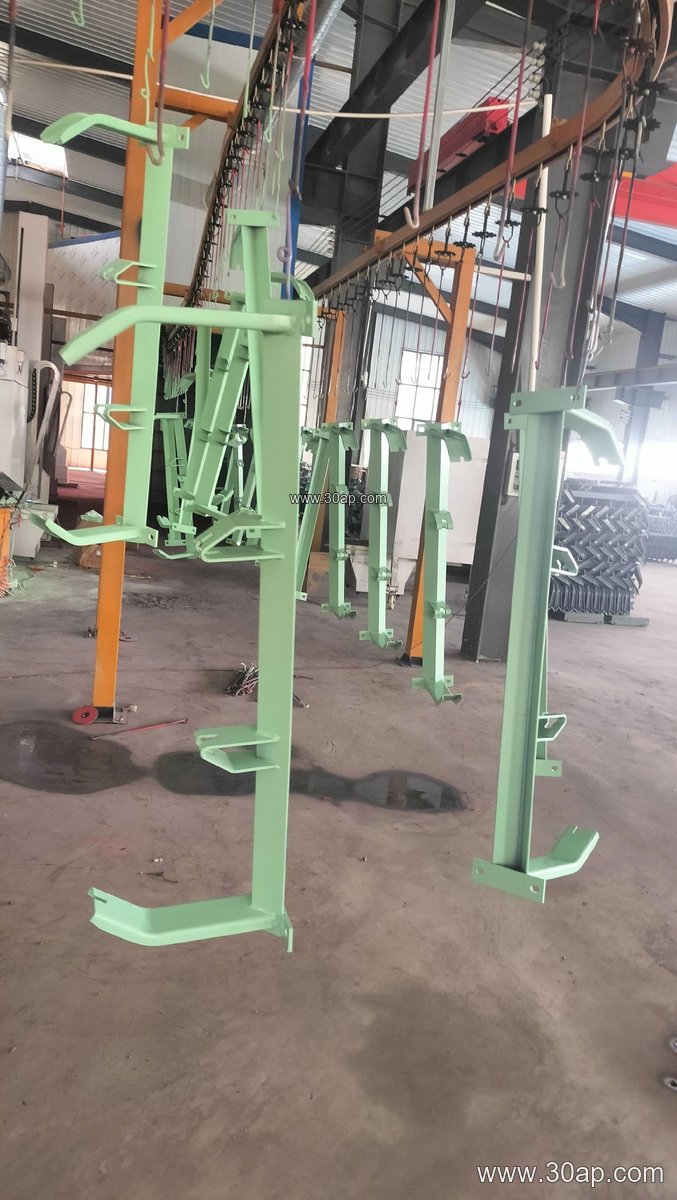
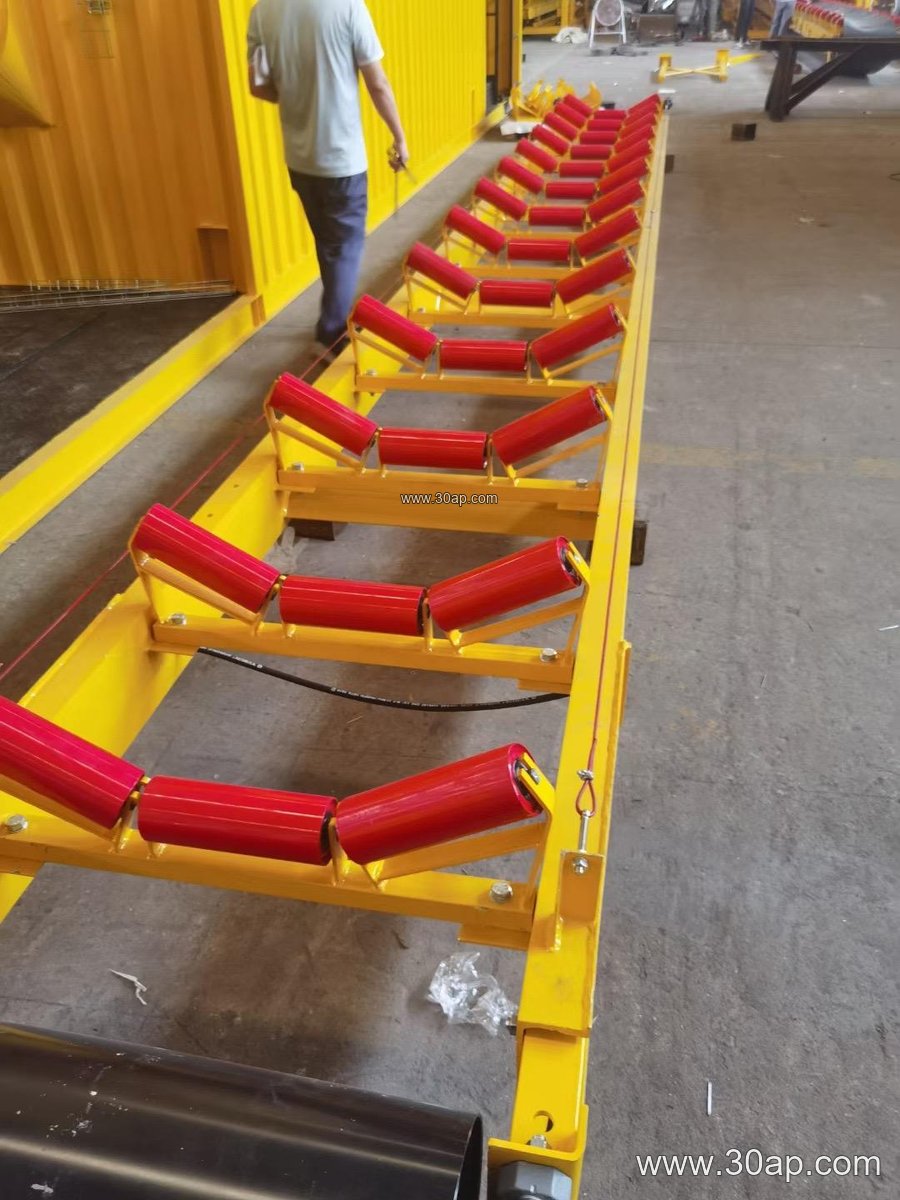
- Material options: angle steel, channel steel, folded steel plate
- Fixing method: bolted to the frame, welded to a support beam, or clamped to a vertical post
- Adjustment: slotted holes for height and lateral alignment
- Surface treatment: painted or galvanized, depending on the site environment
Where Vertical Brackets Are Used
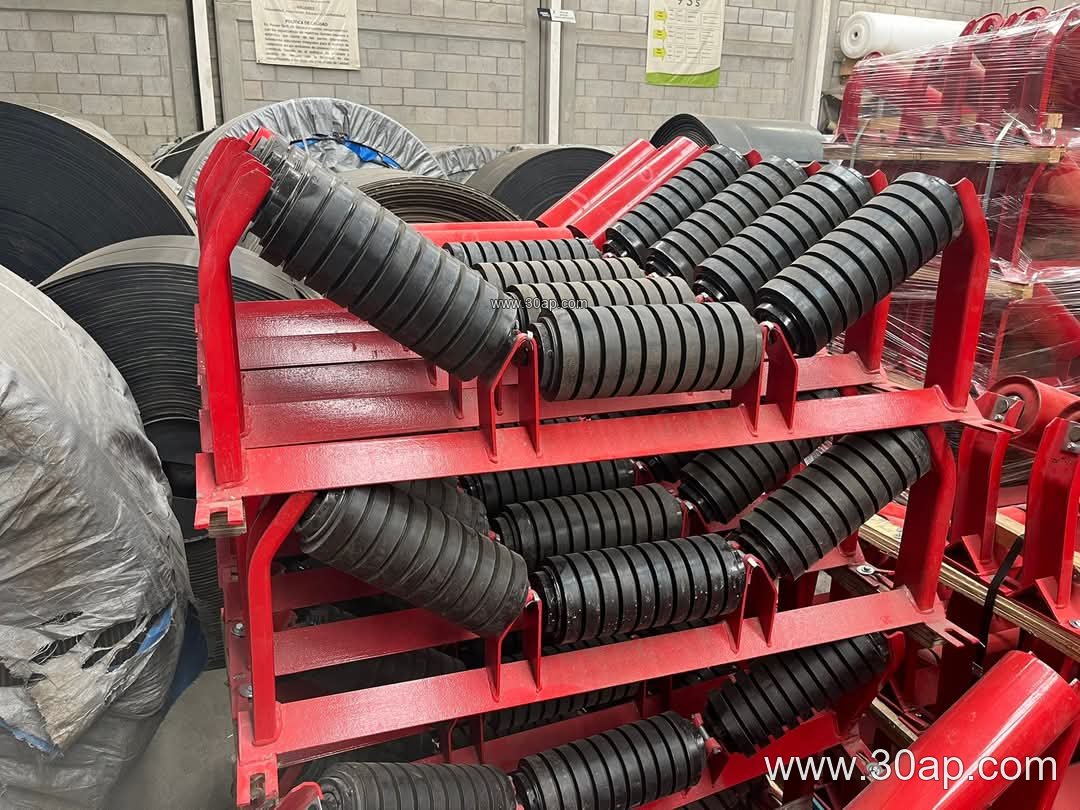
These brackets appear wherever the idler station needs a vertical reference rather than a flat crossbeam. In a limestone quarry, they are often used on transfer points where the belt changes elevation. In a coal preparation plant, vertical brackets help keep return-side rollers aligned under a loaded belt. Cement plants and power plant coal yards also use them on inclined sections, where a stable vertical seat limits roller walk. In each case the bracket must match the frame geometry, so the installer should check hole spacing against the actual frame before ordering.
Common Reference Dimensions
The table below shows typical reference values for belt width, trough angle, and roller diameter. These are common examples, not fixed combinations, and the actual bracket dimensions are determined by the conveyor design.
| Belt Width | Trough Angle | Roller Diameter | Typical Use |
|---|---|---|---|
| B650 | 30 degrees | Ø89 | Light aggregate and sand lines |
| B800 | 35 degrees | Ø108 | Quarry and crusher discharge |
| B1000 | 35 degrees | Ø133 | Cement plant raw material |
| B1200 | 45 degrees | Ø133 | Coal handling and power plant |
| B1400 | 45 degrees | Ø159 | Heavy iron ore and port loading |
| B1600 | 35 to 45 degrees | Ø159 or Ø194 | High-capacity bulk material lines |
Belt width does not dictate a single trough angle or roller diameter. A B1200 frame may run 35 or 45 degrees, and the roller diameter is chosen from load and speed rather than width alone.
Selecting the Right Bracket for the Frame
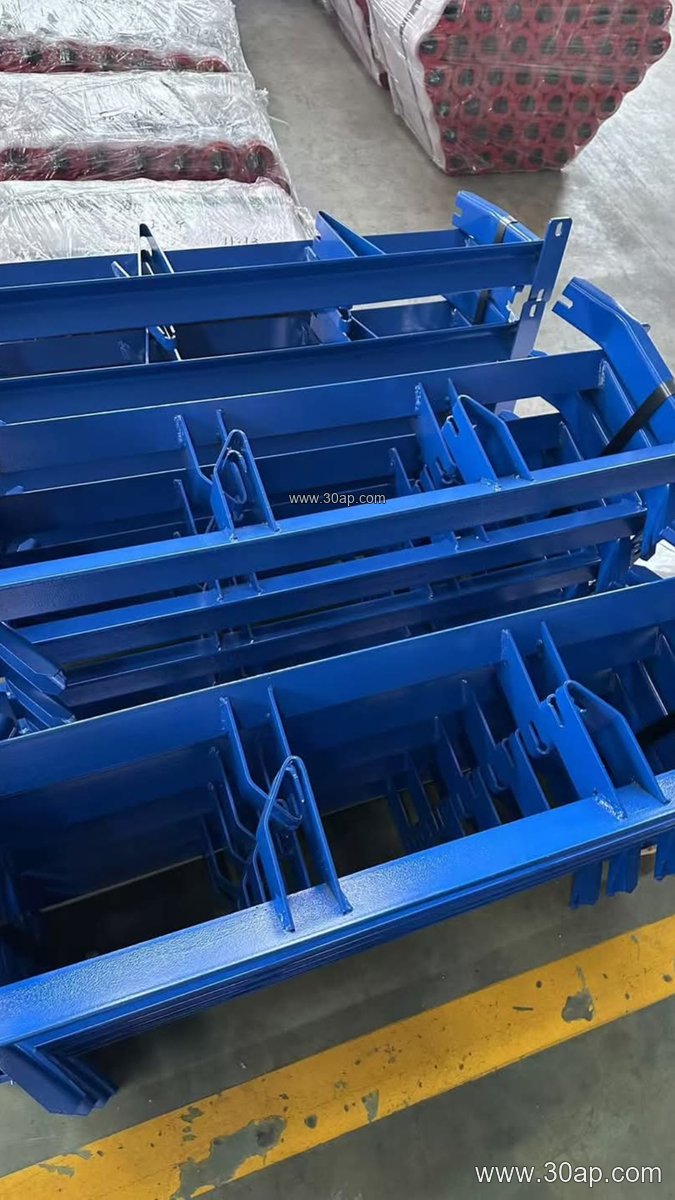
A buyer should confirm four things before ordering a vertical idler bracket. First, the frame hole pattern: center distance and slot orientation vary with belt width and trough angle. Second, the roller shaft diameter, since the bracket seat must clamp the shaft without play. Third, the mounting orientation, because a vertical bracket on an inclined conveyor may need a different seat angle than one on a horizontal run. Fourth, the environment: a wash-down area in a sand plant may call for galvanized brackets, while a dry cement line may accept painted steel. For a comparison, a fixed trough bracket and an adjustable bracket differ mainly in whether the trough angle can be changed on site; the vertical bracket is not a substitute for either, but a support element used alongside them.
Installation and Maintenance Notes
Install vertical brackets in pairs and check that both seats are level before tightening the frame bolts. After the first week of operation, recheck bolt torque, because vibration on a loaded conveyor belt can loosen a bracket that was only hand-tightened. If the belt begins to track to one side, inspect the vertical brackets before adjusting the conveyor pulley; a tilted bracket is a common and easily corrected cause. Keep spare brackets on hand for the most heavily loaded stations, especially in crushing and screening circuits where impact loads are high.