What a 1000mm Conveyor Belt Is
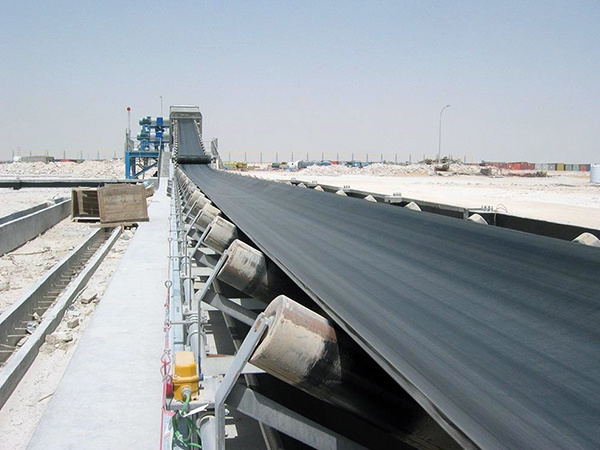
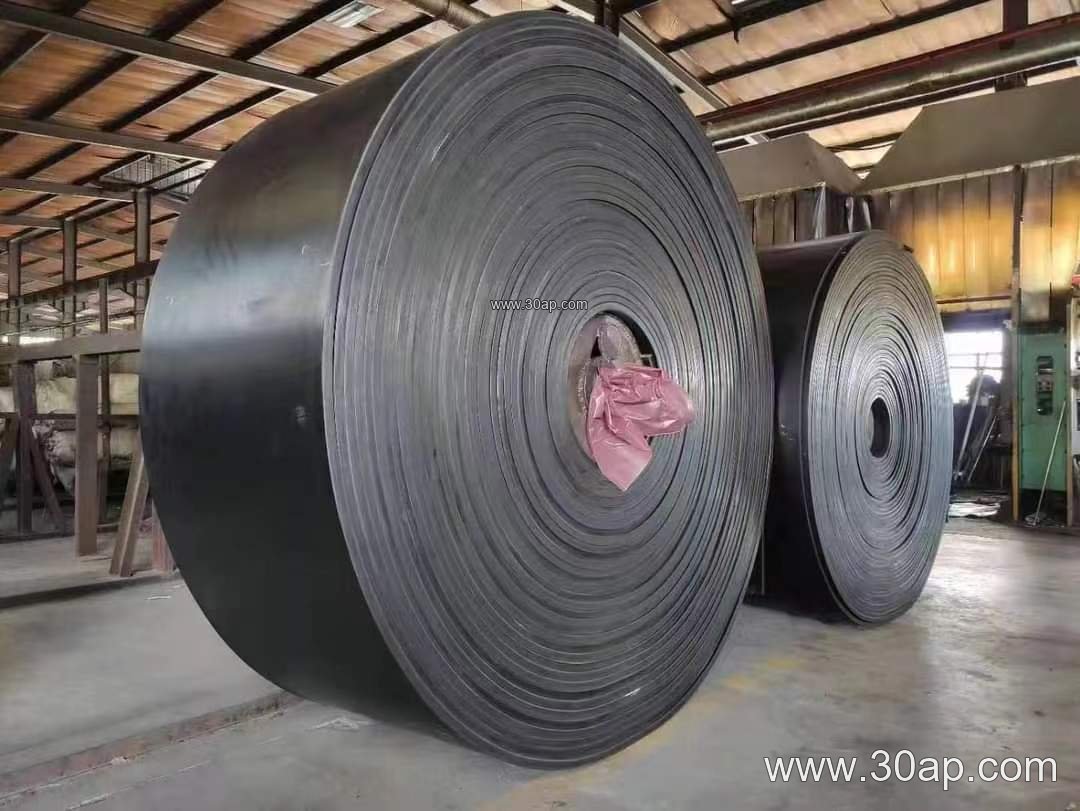
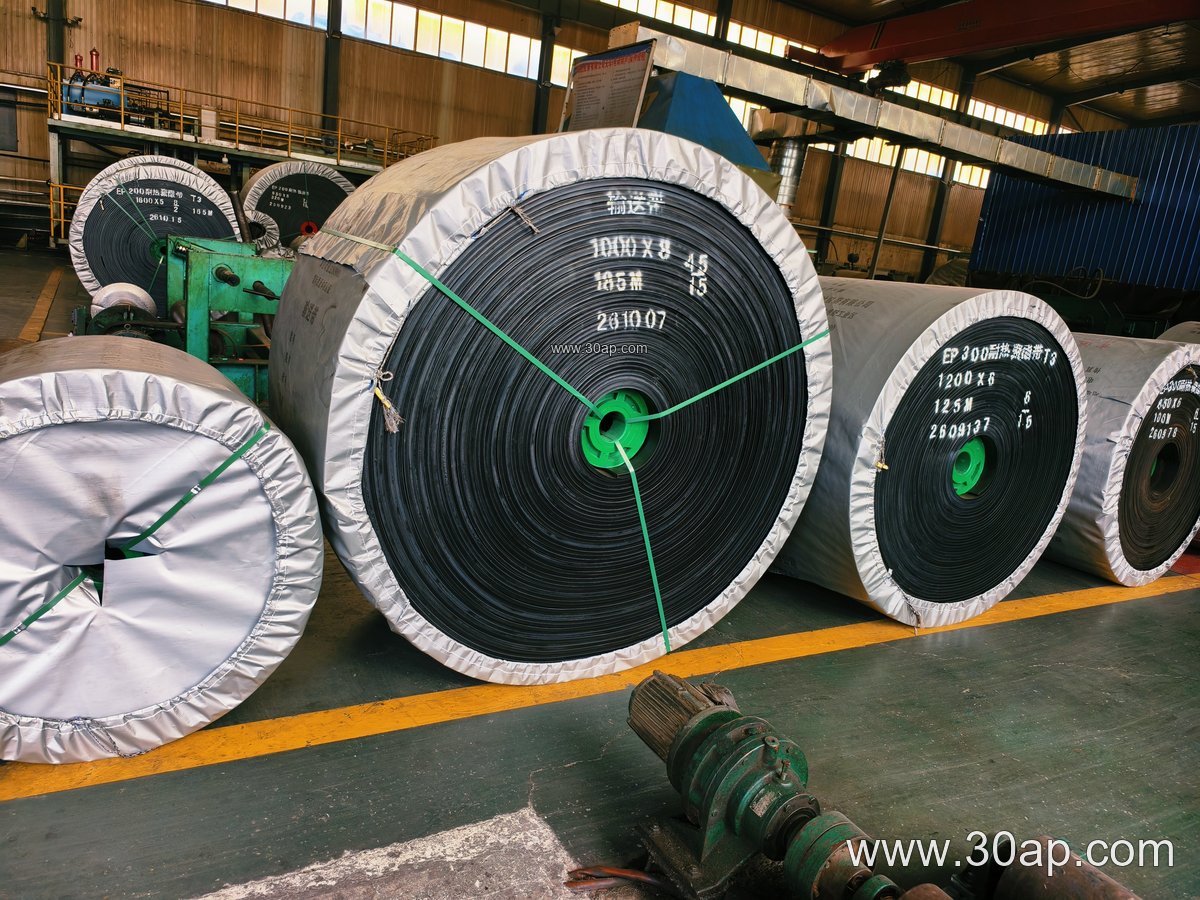
A 1000mm conveyor belt is a belt whose full width measures one meter, typically written as B1000 in project documents. It sits in the middle of the common width range, above 800mm belts and below 1200mm and 1400mm belts. Because one meter of width gives a generous loading area, this size is widely chosen for continuous bulk handling in mines, coal preparation plants, cement works, power stations and sand and gravel yards. In practical terms it is a conveyor belt that balances capacity against frame cost, and it can be supplied in several carcass types depending on the duty.
Construction and Common Specifications
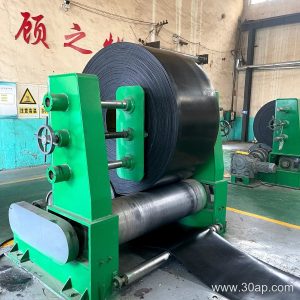
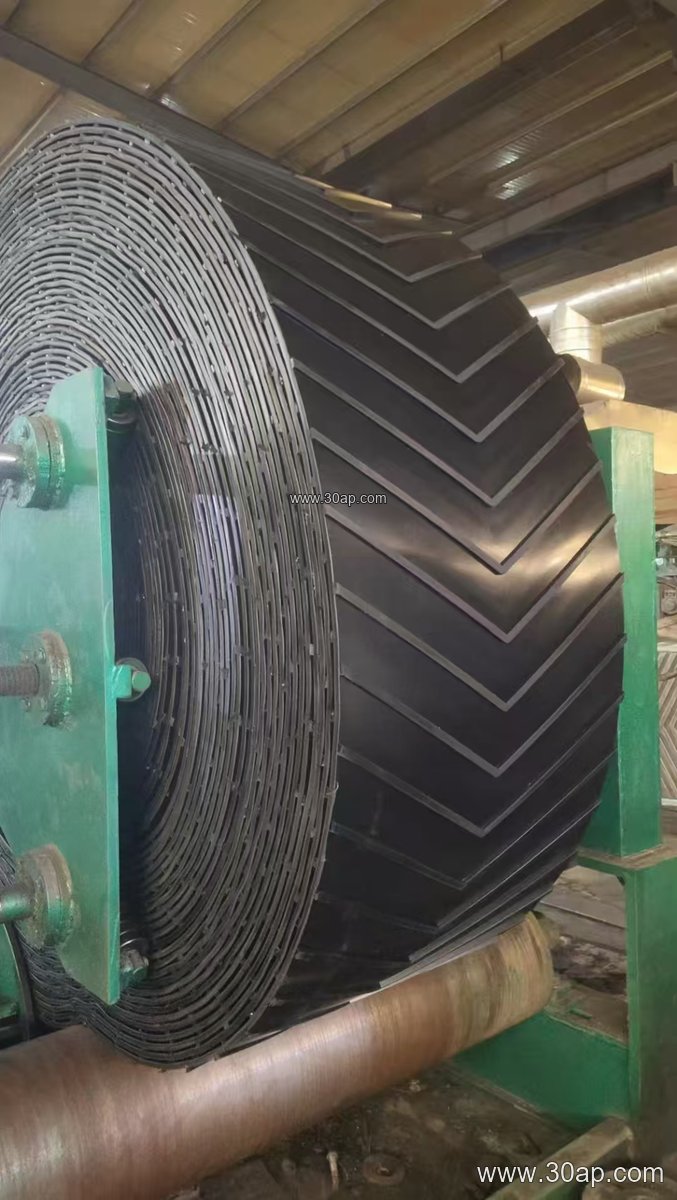
The belt is built from a rubber cover on both faces and a load-bearing carcass inside. The carcass decides tensile strength and elongation, while the covers decide resistance to abrasion, heat, oil or flame. A 1000mm wide belt is often produced as an EP (polyester-cotton) fabric belt, an NN nylon belt, a multi-ply fabric core belt, or a steel cord belt for long, high-tension lines. Surface forms such as a chevron pattern, corrugated sidewall or skirted edge can be added when the route is steep or material must be contained.
| Item | Typical Options for B1000 Belts |
|---|---|
| Belt width | 1000 mm (B1000) |
| Carcass type | EP fabric, NN fabric, multi-ply fabric, steel cord |
| Strength grade (EP example) | EP200, EP315, EP400, EP500, EP630, EP800, EP1000 |
| Cover thickness | 4+2 mm, 5+2 mm, 6+2 mm, 8+3 mm |
| Ply count | Usually 2 to 6 layers, by design |
| Special grades | Abrasion resistant, heat resistant, flame retardant, oil resistant, cold resistant, anti-static |
These figures are reference values only; final construction is confirmed by the belt designer and the supplier’s data sheet.
Where the One-Meter Width Fits
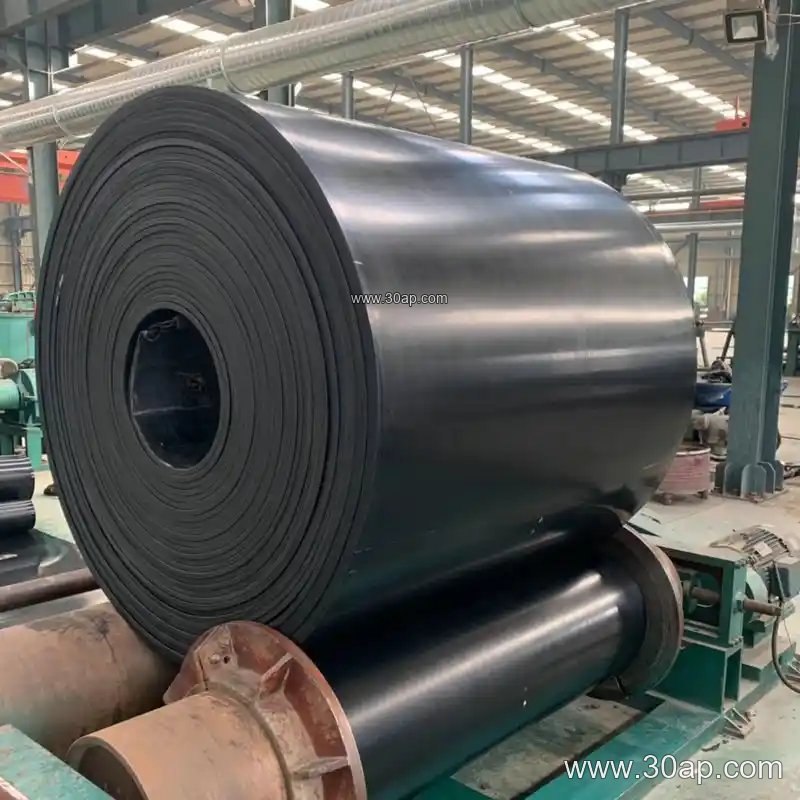
In a crushing circuit, a 1000mm conveyor belt commonly carries screened rock from a crusher discharge to a stockpile conveyor. In coal mining and underground coal mining, flame retardant and anti-static grades are usual, and the belt runs over idler rollers and around a head pulley and tail pulley. Cement plants use heat resistant or abrasion resistant covers for clinker and raw meal, while power plants handle coal and ash. Quarries and aggregate plants favor high abrasion resistant belts because sharp stone shortens cover life. Port and ship loading systems may use the same width for moderate tonnage, while a wider 1200mm or 1400mm belt is selected when capacity must rise.
Selection Points for Buyers
- Tension and length: long horizontal or inclined runs with high tension may point to a steel cord belt; shorter lines often suit an EP or NN fabric carcass.
- Material condition: hot clinker calls for a heat resistant grade, oily scrap for oil resistant rubber, and underground coal for flame retardant and anti-static properties.
- Cover wear: sharp, heavy ore benefits from a thicker top cover such as 6+2 mm or 8+3 mm and an abrasion resistant compound.
- Route shape: steep inclines may need a chevron belt, while confined transfer points may justify a corrugated sidewall or skirted design.
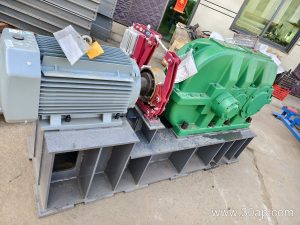
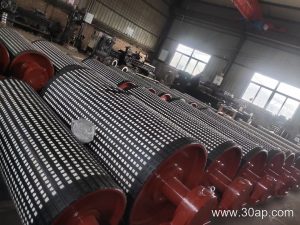
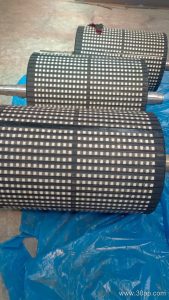
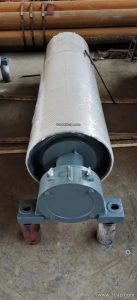
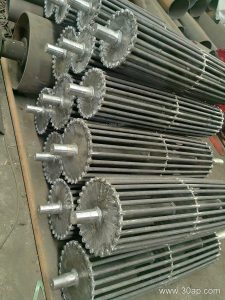
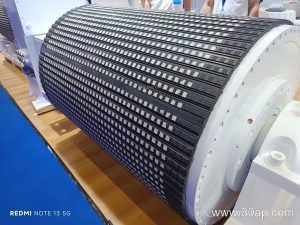
- Supporting hardware: trough angle, idler roller spacing, conveyor pulley diameter and conveyor bracket layout all affect belt life and must be checked together with the belt rating.
Belt width alone does not fix pulley or shaft dimensions; those come from the conveyor design, tension and drive arrangement.
Installation and Maintenance Notes
Correct alignment at the tail pulley and training idlers prevents edge damage, which matters on a one-meter belt because replacement cost is significant. Keep the skirt rubber and loading chute from pressing on the surface, and check that the belt runs centrally on every conveyor pulley. Store spare rolls indoors, away from ozone and sunlight, and inspect splices regularly on high-tension lines. For dusty or flammable environments, confirm that the selected flame retardant and anti-static grades match the site’s rules, and record cover thickness at each inspection so wear trends can be tracked.
Summary
A 1000mm conveyor belt is a versatile mid-width choice for mining, cement, power, quarry and port operations. Matching carcass type, strength grade, cover compound and surface form to the actual duty is more important than the width number alone, and a careful review of pulleys, idlers and brackets will keep the belt running straight for its full service life.