What a Large Pulley Does on a Conveyor
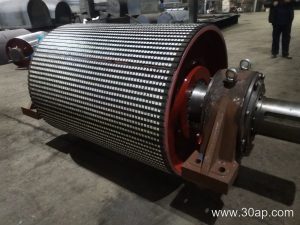
A large pulley is the drum at the heart of a heavy conveyor drive or turning point. In a limestone mine, a cement plant clinker line, or a power station coal yard, the belt may be 1,400 mm or more wide and carry hundreds of tonnes per hour. At that scale, the large pulley is not a small accessory; it is a structural component that transmits torque, sets belt tension, and controls how the conveyor belt tracks around the ends of the frame.
The same product is also called a large conveyor drum or large conveyor pulley. Those names describe the same item. Drive pulleys, tail pulleys, and bend pulleys are different roles, and they are not interchangeable; a large drive pulley at the head end and a large bend pulley in a tensioning run serve different purposes even when their diameters look similar.
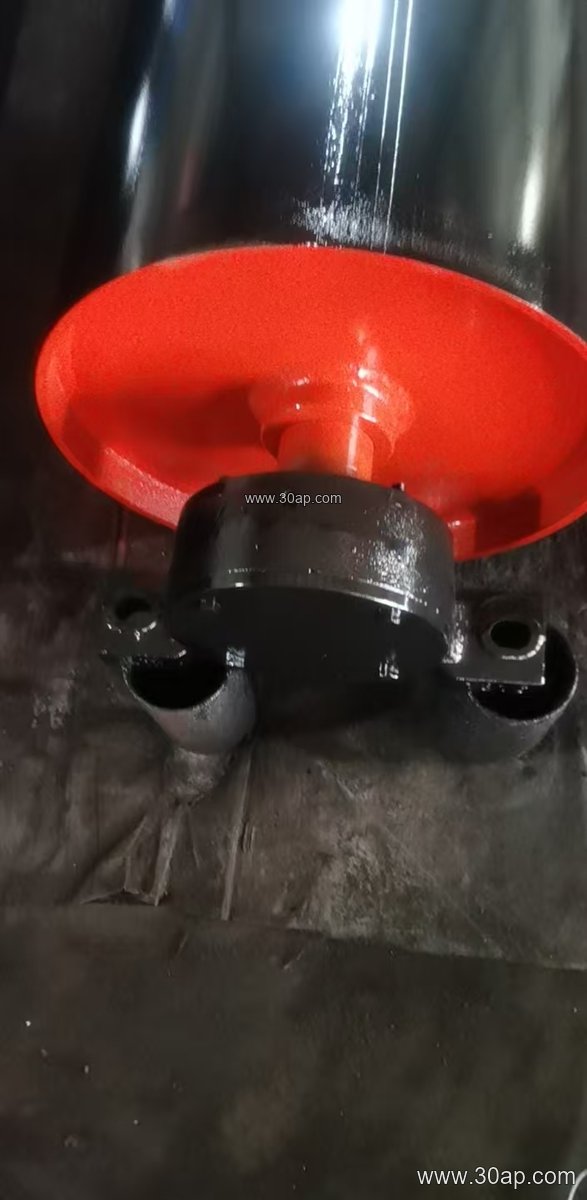
How the Drum Is Built
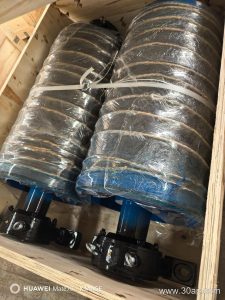
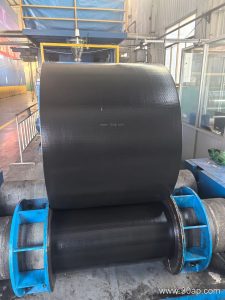
A typical large pulley combines a cylindrical shell, two end discs, a shaft, and bearing housings. The shell may be seamless tube or rolled plate, and the shaft is sized by torque and radial load rather than by belt width alone. Common shaft diameters include Ø120, Ø140, Ø160, Ø180, and Ø200 mm, but the final value comes from the drive calculation.
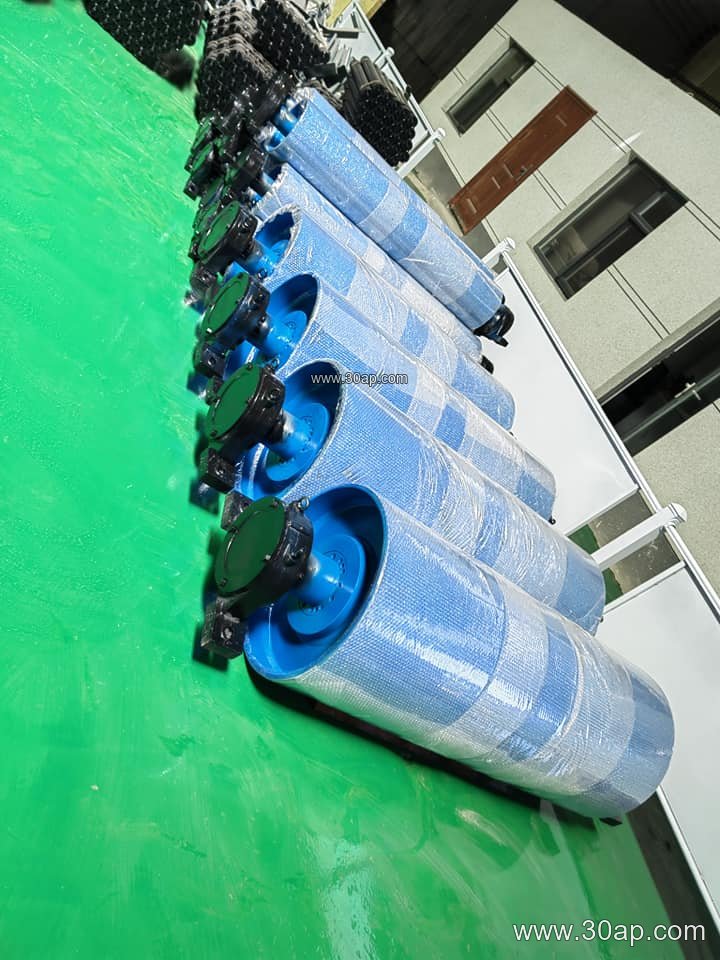
Surface treatment matters in wet or dusty service. Plain shells are used where grip is not critical, while rubber lagging improves friction at the drive. Options include hot-vulcanized rubber, cold-bonded rubber, diamond grooving, herringbone grooving, and ceramic lagging. Lagging thickness is often 8, 10, 12, 15, or 20 mm depending on duty.
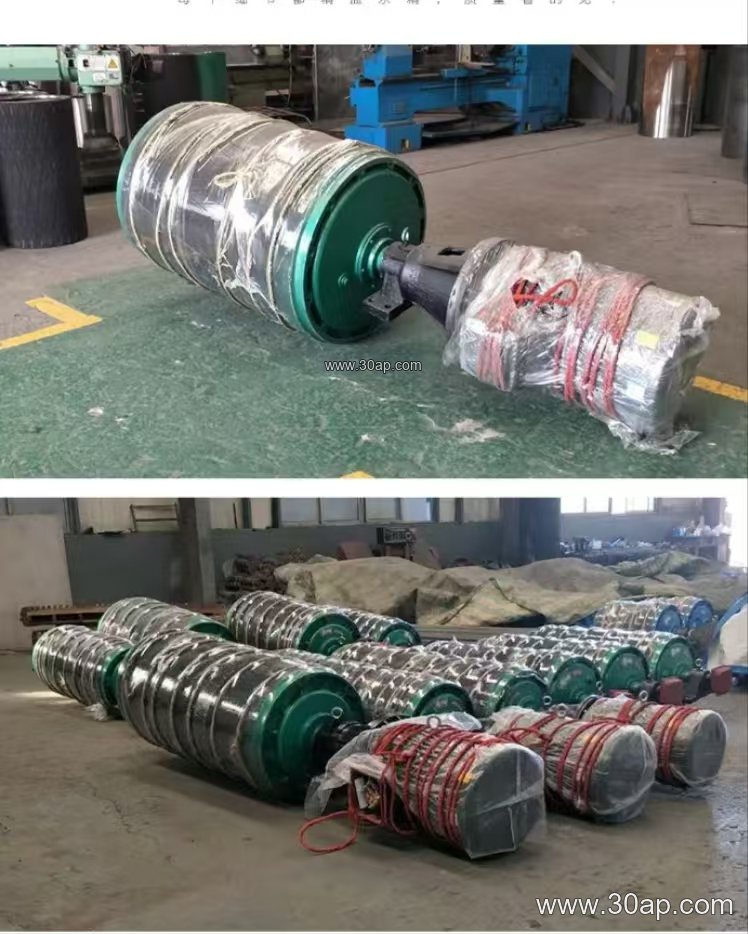
Common Sizes and Reference Dimensions
The table below gives typical reference values. They are starting points for discussion, not fixed rules, and a B1200 belt is not limited to one diameter.
| Belt width | Typical shell face width | Example diameter combinations |
|---|---|---|
| B650 | about 750 mm | Ø400, Ø500 |
| B800 | about 950 mm | Ø500, Ø630 |
| B1000 | about 1150 mm | Ø630, Ø800 |
| B1200 | about 1400 mm | Ø800, Ø1000 |
| B1400 | about 1600 mm | Ø800, Ø1000, Ø1250 |
| B1600 | about 1800 mm | Ø1000, Ø1250 |
| B1800 | about 2000 mm | Ø1250, Ø1400 |
Large diameters such as Ø1400, Ø1600, and Ø1800 appear on long overland conveyors and high-tension head drives. Shell face width is usually greater than belt width so the belt has room to run without edge contact.
Where Large Pulleys Are Used
In a quarry or sand and gravel plant, a large head pulley drives the main line from the crusher to the stockpile. In a coal preparation plant or a power plant coal handling system, large tail and bend pulleys keep the belt aligned through transfer towers. Cement plants use them on clinker and raw meal conveyors, while port bulk terminals rely on them for high-capacity ship loading lines.
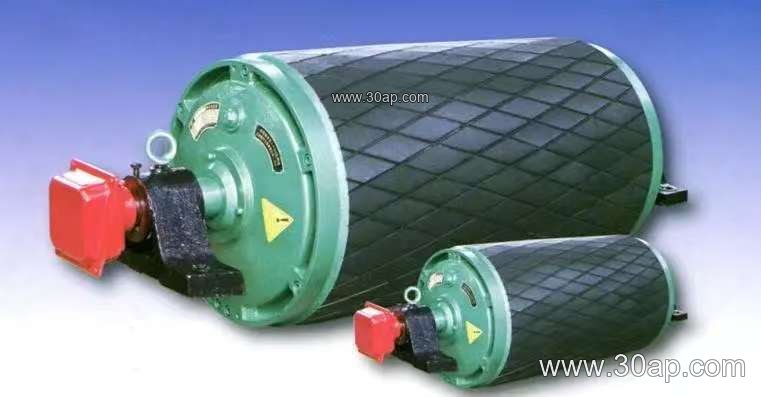
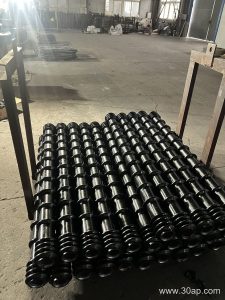
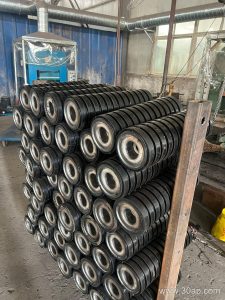
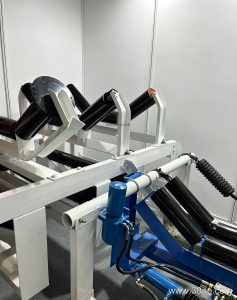
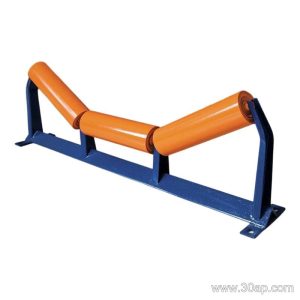
Supporting components matter too. The conveyor belt runs over idler rollers between pulleys, and the pulley sits in a conveyor bracket that must be strong enough for the resulting reaction load. A poorly supported large pulley can deflect and cause belt mistracking.
What Buyers Should Check Before Ordering
- Role and position: confirm whether the unit is a head drive, tail, take-up, or bend pulley, since each has different load and lagging requirements.
- Belt width and speed: match shell face width to the belt and check the surface speed against the lagging choice.
- Torque and shaft size: ask for the shaft diameter from the drive calculation, not from a belt-width table.
- Lagging type and thickness: specify plain, rubber, diamond, herringbone, or ceramic according to grip and wear conditions.
- Balance and runout: large drums should be balanced for the intended speed to avoid vibration.
- Bearing and sealing: dusty cement or coal service needs effective sealing and a lubrication plan.
Finally, plan maintenance access. A large pulley is heavy, and lifting points, bearing removal space, and lagging inspection should be considered at the design stage rather than after installation.