What a Carbon Steel Conveyor Bracket Does
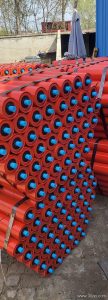
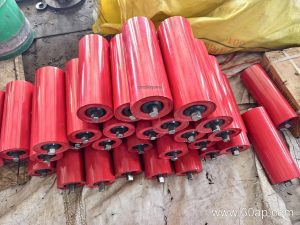
A Carbon Steel Conveyor Bracket is the structural frame that holds idlers in place along a conveyor line. Often called a carbon steel idler bracket or conveyor idler frame, it carries the conveyor belt and its load while keeping the idler rollers at the correct angle and spacing. In quarry, cement plant, and power plant coal handling systems, these brackets are the quiet workhorses that keep the belt tracking true.
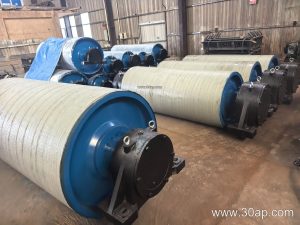
The bracket is not a pulley. Drive, tail, and bend pulleys
are separate components, and a bracket never replaces them. It is also not one specific idler type — a troughing bracket, return bracket, and impact bracket each serve a different position on the conveyor.
How It Is Built
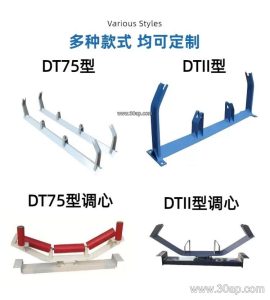
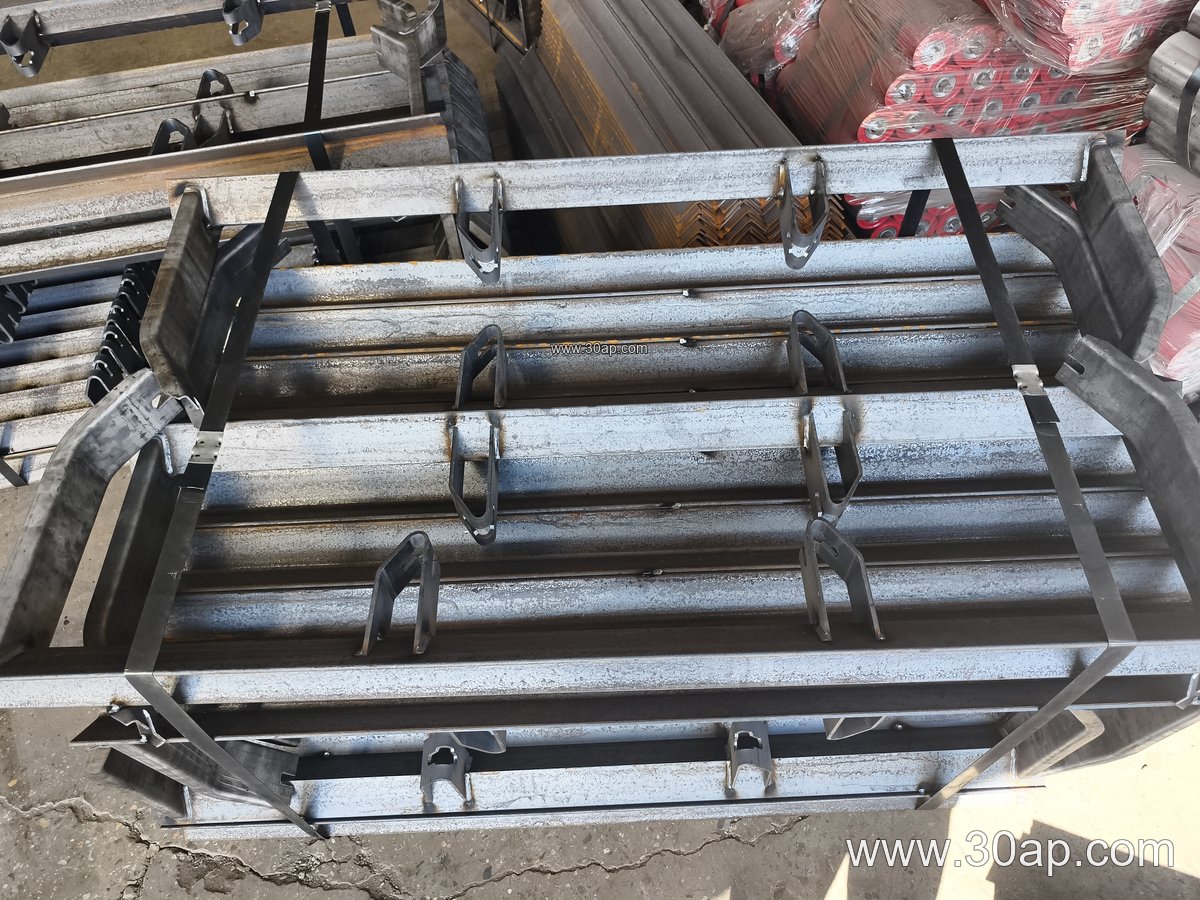
Most brackets are fabricated from angle steel, channel steel, or bent steel plate. The material is carbon steel, chosen for strength and weldability. A typical troughing bracket has two or three idler mounting slots set at a fixed trough angle, plus a crossbeam that bolts to the conveyor stringer. Return brackets are flatter, and V-return brackets use two rolls in a V shape to help center the belt.
Common bracket types include upper troughing brackets, transition brackets, return brackets, flat return brackets, V-return brackets, impact brackets, self-aligning brackets, forward-leaning brackets, spiral roller brackets, suspended brackets, and adjustable brackets. Fixed brackets hold one trough angle, while adjustable brackets can move between common angles such as 20, 30, 35, and 45 degrees.
Matching Belt Width, Trough Angle, and Roller Diameter
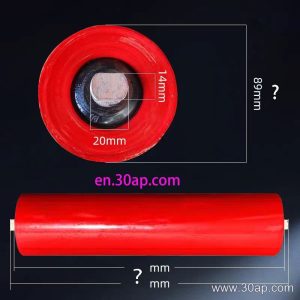
Bracket size follows the belt width and the idler diameter. A B800 belt with a 35-degree trough and Ø108 idlers is a common combination in aggregate plants, while a B1200 line in a cement plant may use 45 degrees and Ø133 rollers. A B650 conveyor in a small sand line often runs 30 degrees with Ø89 idlers. These are examples, not fixed rules — the right bracket depends on the load, belt speed, and existing structure.
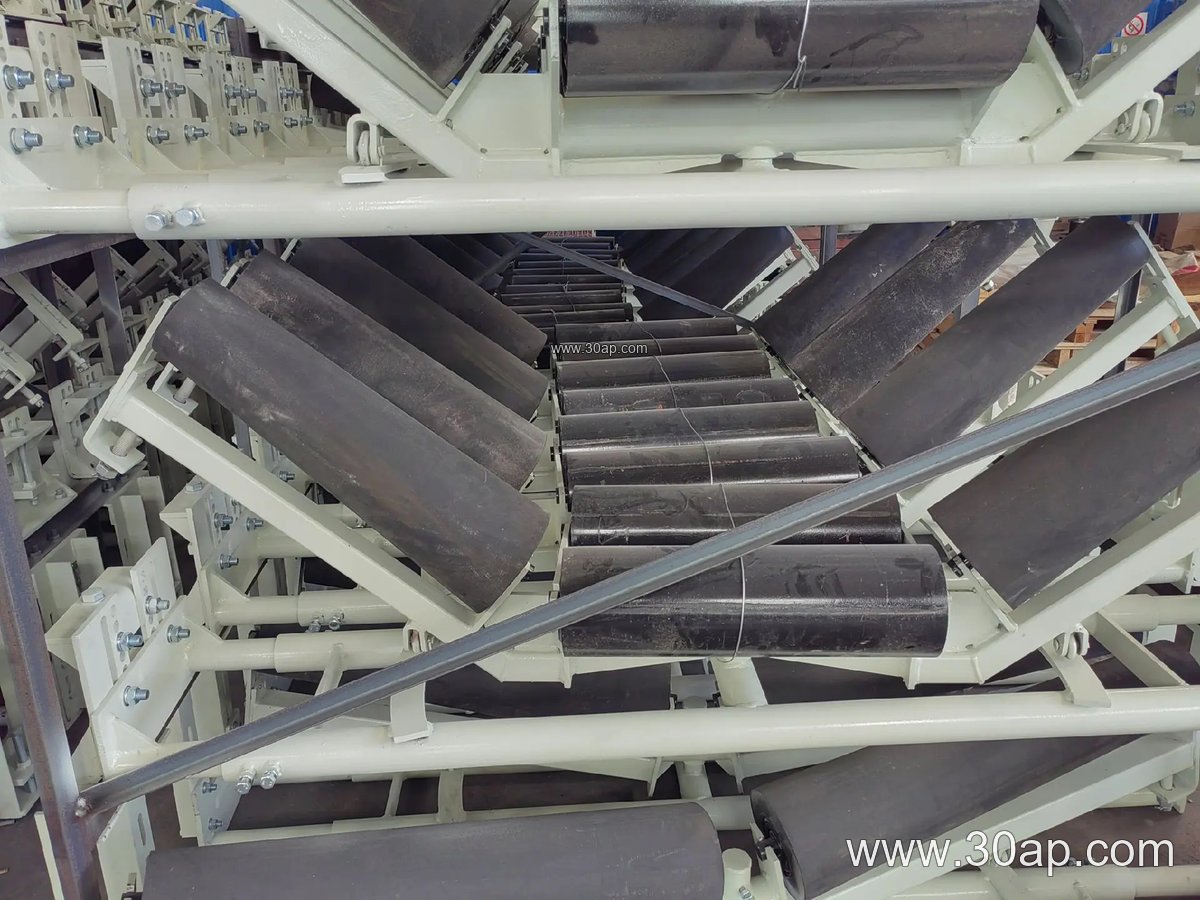
Installation hole spacing and crossbeam length change with belt width and trough angle, so they are determined by design rather than a single universal number. When specifying a bracket, share the belt width, trough angle, roller diameter, and mounting dimensions with the supplier.
Where It Is Used
Carbon steel conveyor brackets appear wherever bulk material moves on a belt. In a limestone quarry or stone crushing line, troughing brackets support the conveyor belt through the loading zone, while impact brackets absorb the drop from the crusher. In a coal-fired power plant, flame retardant and anti-static belts run on brackets that must resist dust and vibration. In a cement plant, heat resistant belts near the kiln need brackets that hold alignment through thermal movement. Sand and gravel plants, iron ore handling, and port ship-loading systems all rely on the same basic frame.
Buyer Checklist
- Confirm belt width and trough angle before ordering — B500 through B2000 are common, but the bracket must match the actual line.
- Match roller diameter (Ø89, Ø108, Ø133, Ø159, or Ø194) to the bracket slot and the load.
- Choose fixed brackets for standard runs and adjustable brackets where the trough angle may need tuning.
- Check the steel finish and hole spacing against the stringer layout.
- Pair brackets with the correct idler type: troughing, return, impact, or self-aligning.
Used together with idler roller assemblies and the right conveyor pulley, a well-matched bracket keeps the belt centered and reduces edge wear. For abrasive ore or heavy mining duty, consider how the bracket handles vibration and misalignment before finalizing the order.