What Is an EP1500 Conveyor Belt?
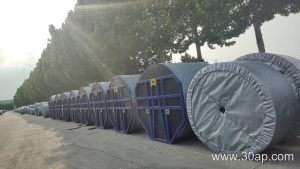
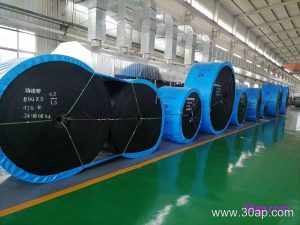
The EP1500 conveyor belt is a heavy-duty fabric-core belt built around polyester-polyamide (EP) warp and nylon weft cords. The designation EP1500 refers to the belt’s nominal tensile strength of 1500 N/mm per ply, placing it among the higher-strength EP Conveyor Belt grades used in demanding bulk material handling. It is also accurately described as an EP1500 rubber conveyor belt or EP1500 fabric core conveyor belt, and it belongs to the broader family of Multi-Ply Fabric Core Conveyor Belt products.
Unlike steel cord constructions, the EP1500 relies on multiple layers of EP fabric for strength, giving it good flexibility, resistance to impact, and reliable tracking on conventional conveyor structures. This makes it a practical choice for operations that need high tension capacity without the stiffness of a steel-reinforced carcass.
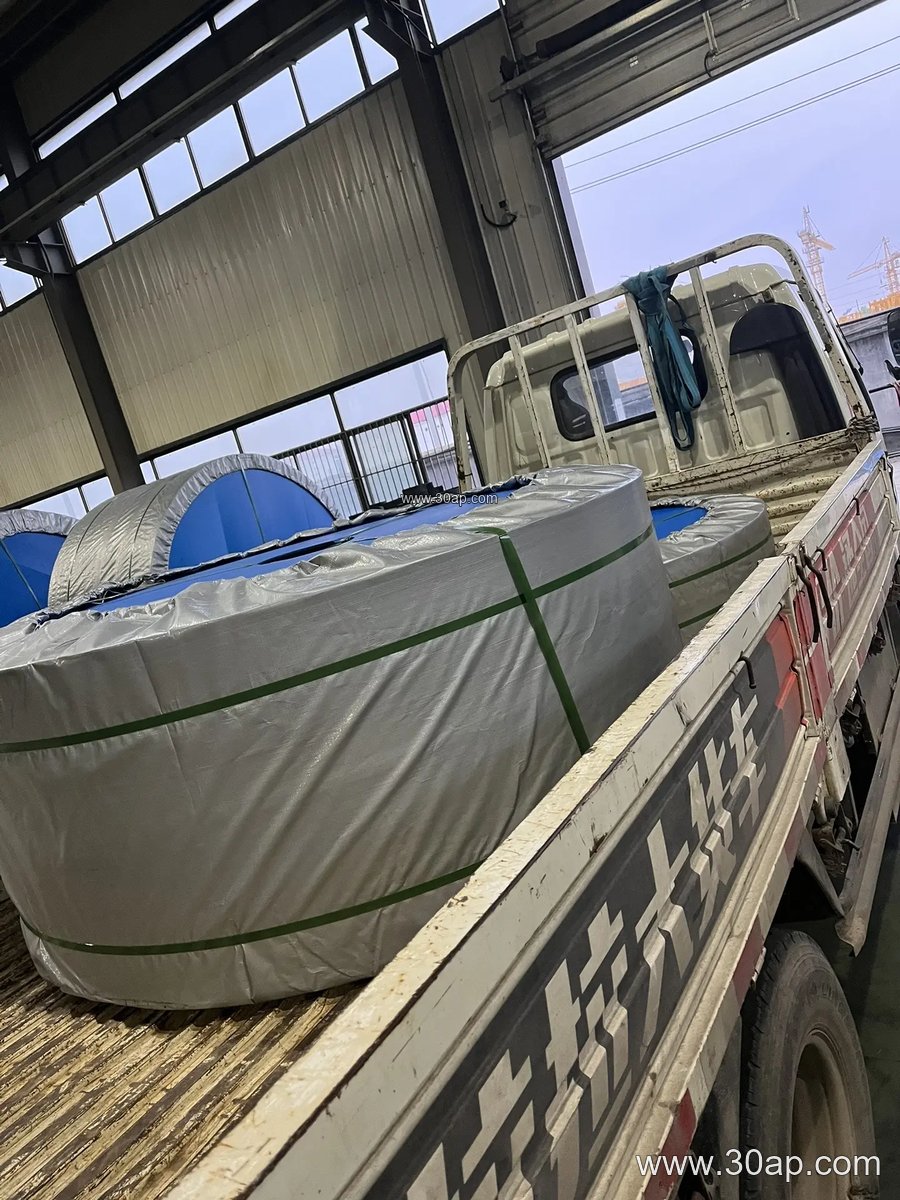
Construction and Typical Specifications
The belt typically consists of 2 to 6 plies of EP fabric, depending on the required strength and the number of plies the manufacturer uses to reach the EP1500 rating. The carcass is protected by rubber covers on both the top and bottom surfaces. Common cover thickness combinations include 4+2 mm, 5+2 mm, 6+2 mm, and 8+3 mm, with the heavier covers suited to abrasive or high-impact duty.
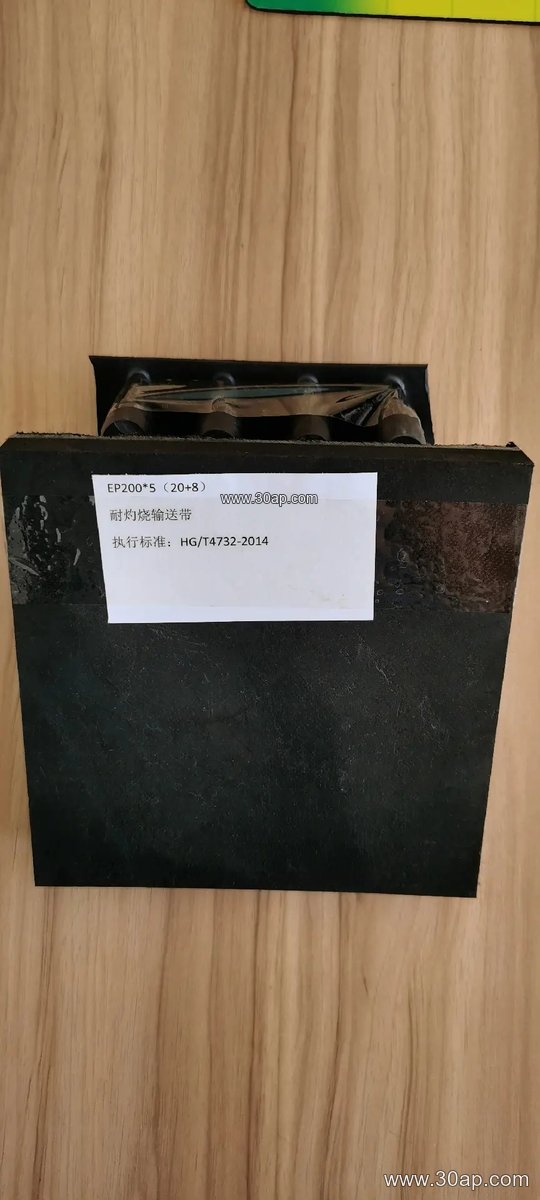
The table below shows representative parameters for EP1500 and nearby EP grades. These are common reference values; actual specifications are determined by the belt designer and may vary between manufacturers.
| Property | Typical Range or Example |
|---|---|
| Belt type | EP1500 (polyester-polyamide fabric core) |
| Nominal strength | 1500 N/mm per ply |
| Number of plies | Commonly 3 to 5, according to design |
| Belt width | B800, B1000, B1200, B1400, B1600, B1800, B2000 |
| Top cover thickness | 4 mm, 5 mm, 6 mm, 8 mm |
| Bottom cover thickness | 1.5 mm, 2 mm, 3 mm |
| Cover options | Abrasion resistant, heat resistant, flame retardant, oil resistant, anti-static, cold resistant |
Other EP grades in the same family include EP200, EP315, EP400, EP500, EP630, EP800, EP1000, EP1250, EP1600, and EP2000. The EP1500 sits above the mid-range grades and is often selected where moderate-to-high tension is required but a steel cord belt is not necessary.
Where EP1500 Belts Are Used
This belt grade suits continuous conveying of bulk materials in industries such as mining, coal preparation, cement production, power generation, quarrying, and port handling. In a Mining Conveyor Belt system, the EP1500 may carry crushed ore, coal, or aggregate over long distances and inclines. In a cement plant, it can transport clinker, limestone, and raw meal. Power plants use it for coal and ash handling, while quarries and sand making plants rely on it for stone and aggregate transport.
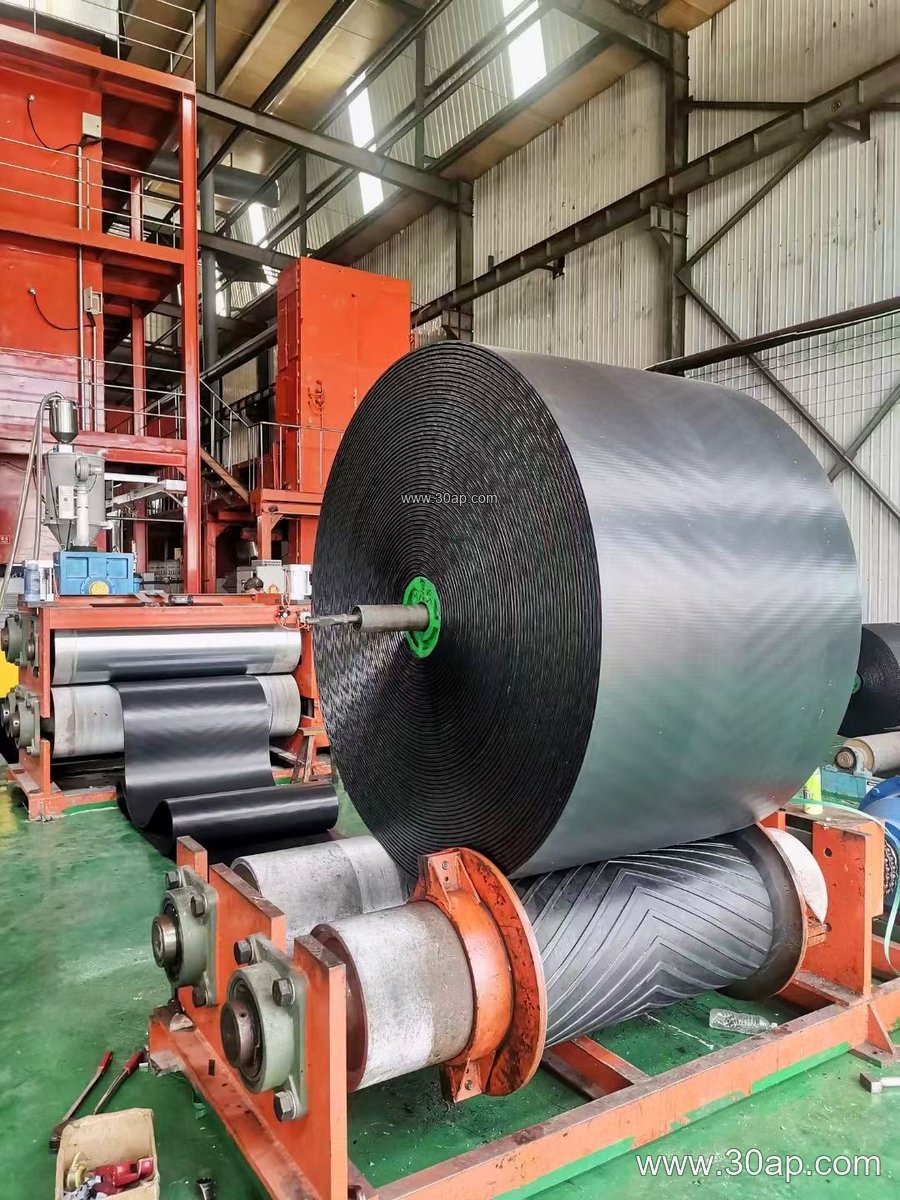
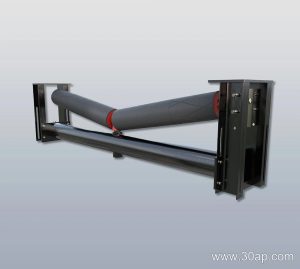
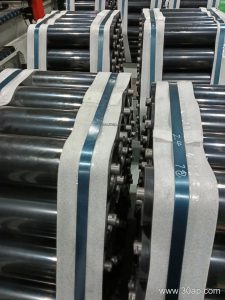
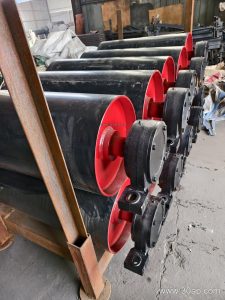
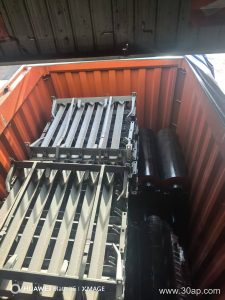
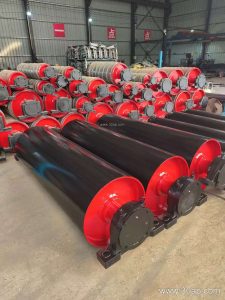
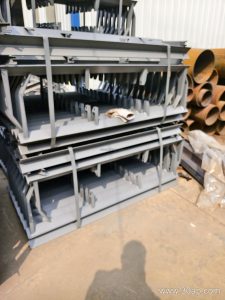
The belt works together with conveyor pulleys, idler rollers, and conveyor brackets. The drive pulley transmits motion, the tail pulley provides return tension, and bend pulleys route the belt through curves. Idler rollers support the belt and load, and brackets hold the idler frames in place. Selecting these components to match the belt’s width, tension, and cover thickness is essential for reliable operation.
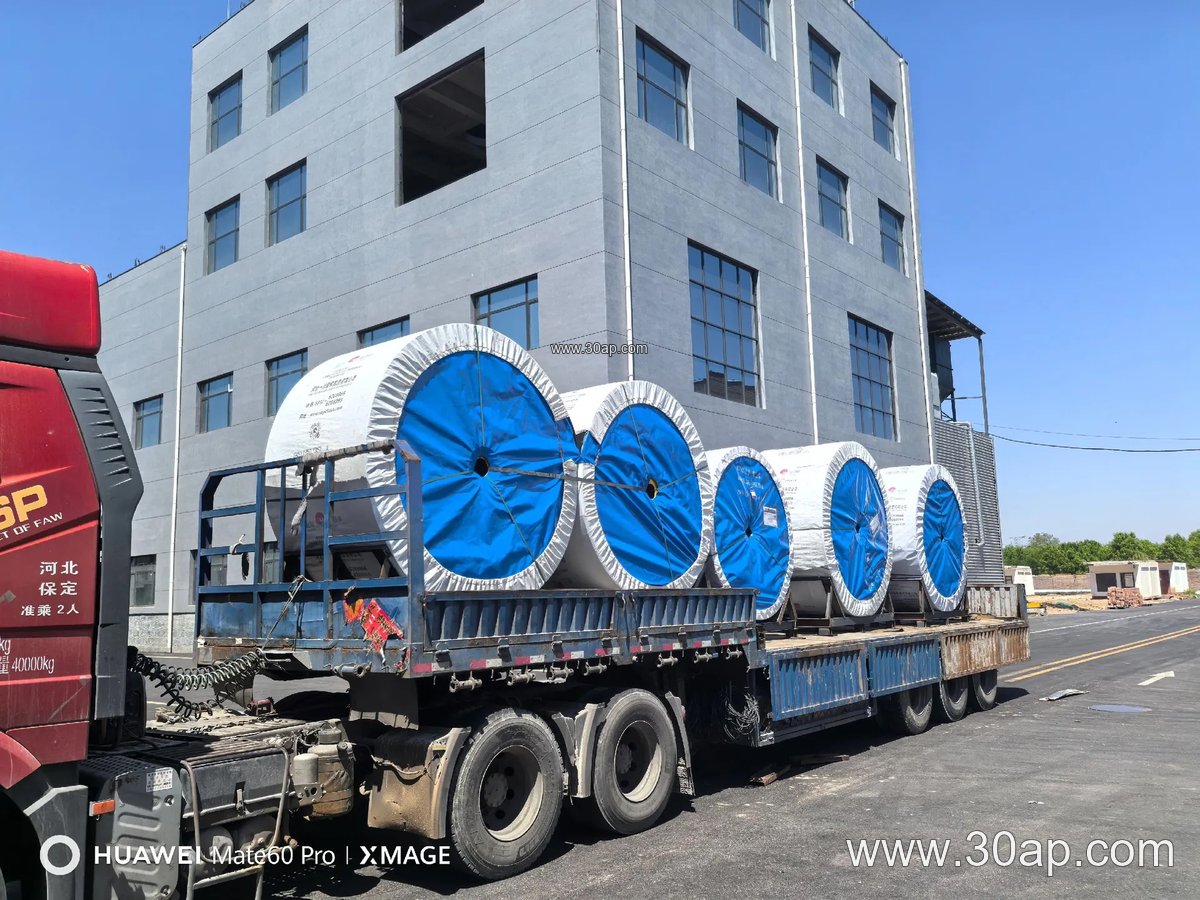
Cover Compounds and Environmental Resistance
EP1500 belts can be supplied with different rubber cover compounds to match the operating environment. An Abrasion Resistant Conveyor Belt cover is common in quarry and mining duty where sharp rock and ore cause wear. Heat resistant grades serve cement plants and foundries, while flame retardant and fire resistant covers are used in coal mining and underground installations. Oil resistant covers suit recycling and machinery applications, and anti-static or cold resistant versions are available for specialized conditions.
For comparison, NN conveyor belts use nylon fabric in both warp and weft, while steel cord belts use embedded steel wires for very high strength and low elongation. The EP1500 remains a fabric-core product, so it offers a balance of strength, flexibility, and spliceability that suits many plant and surface mining conveyors.
Buyer Checklist
- Confirm the required belt width and the number of plies needed to achieve EP1500 strength in your conveyor design.
- Match cover thickness and compound to the material being carried and the environmental conditions.
- Check compatibility with existing pulleys, idler rollers, and conveyor brackets.
- Consider splice method and belt flexibility for the pulley diameters in the system.
- Review the manufacturer’s data sheet for actual tension ratings, cover properties, and tolerances.
An EP1500 conveyor belt is not a universal solution for every conveyor, but when specified correctly it provides dependable service in high-capacity material handling. Buyers should treat published sizes and strengths as reference data and confirm final specifications with the belt supplier.