What a 600mm Conveyor Belt Is
A 600mm conveyor belt is a belt with a nominal width of 600 millimeters, often written as B600 in specifications and drawings. It sits in the light-to-medium width range, narrower than common 800mm and 1000mm belts but wider than 500mm units. Because of that middle position, it suits lines where tonnage is moderate and space is limited, such as a secondary crusher discharge in a quarry, a cement plant additive line, or a coal handling section feeding a transfer point.
Width is only one dimension. The same 600mm belt can be supplied as an EP conveyor belt, an NN conveyor belt, or a steel cord conveyor belt, and those choices change strength, splice method, and pulley requirements far more than the width does.
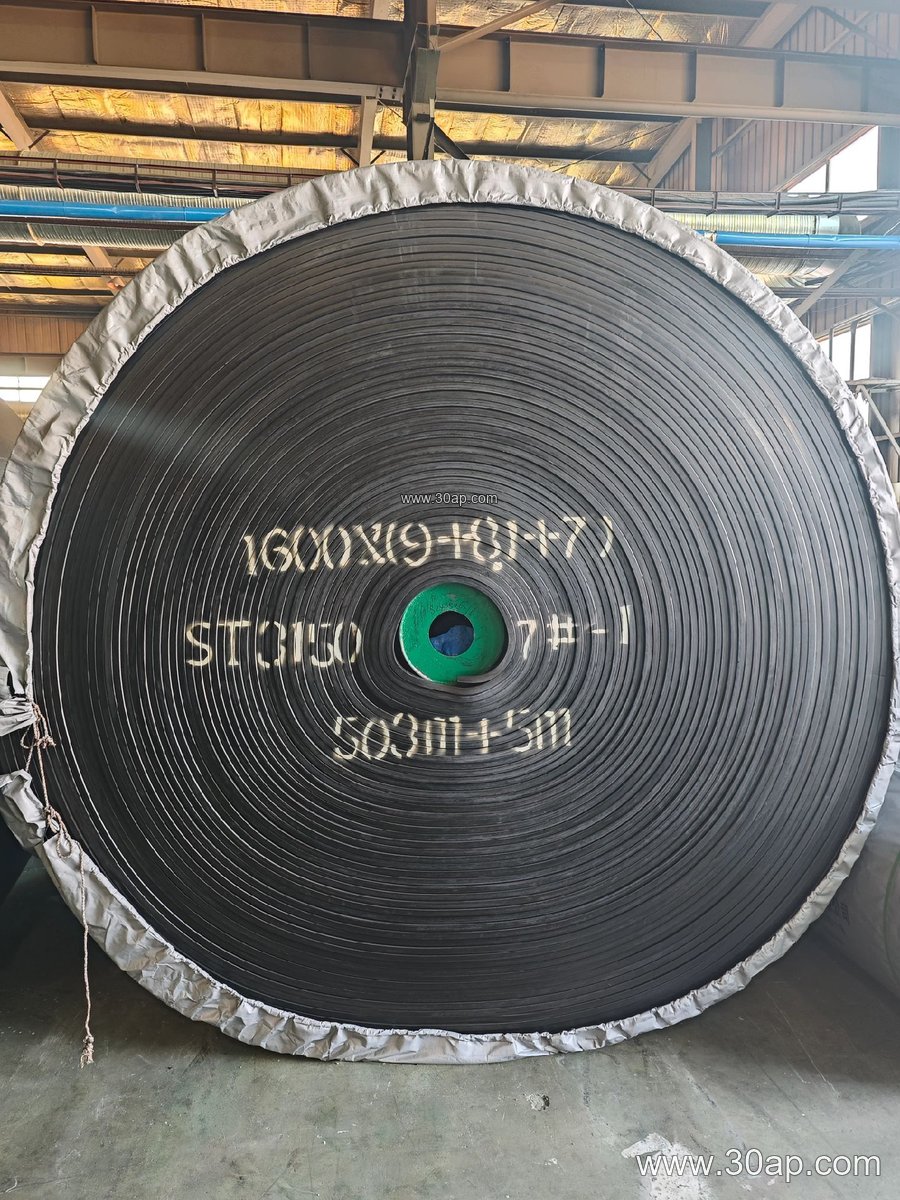
How the Belt Is Built
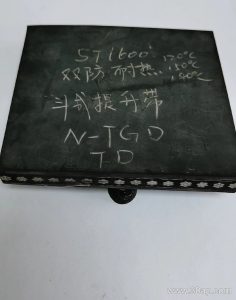
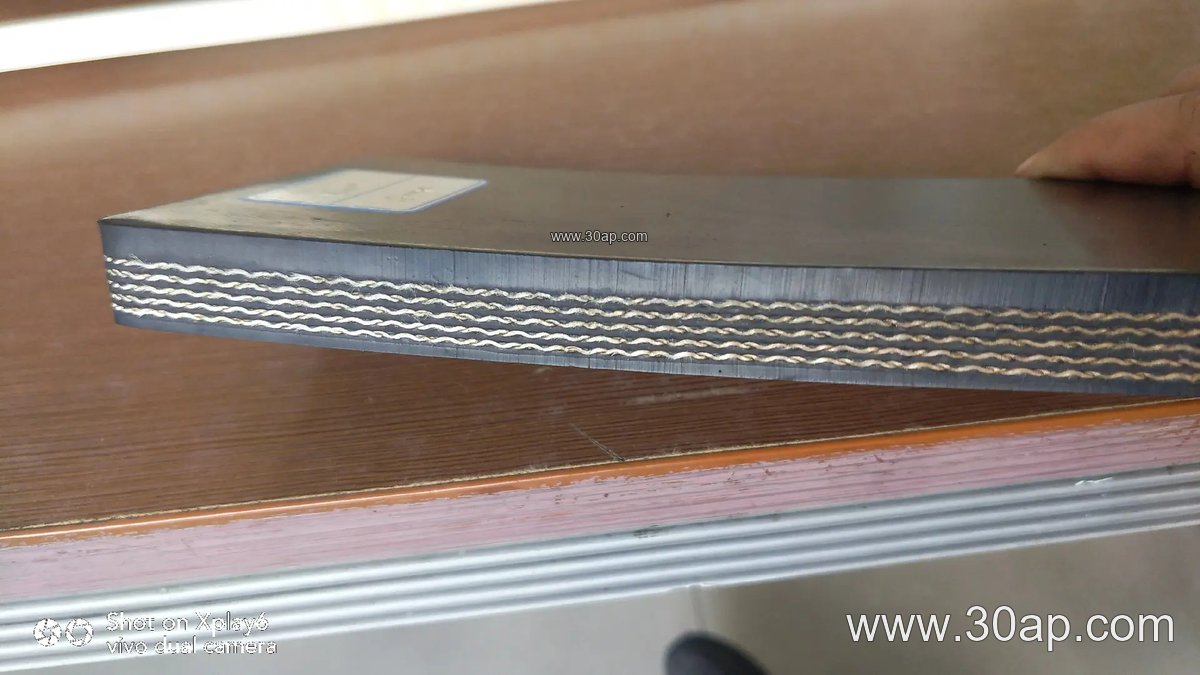
A fabric-core belt has a rubber cover on both faces and one or more fabric plies in between. The plies carry tension, while the covers protect the carcass from abrasion, heat, oil, or moisture. A 600mm conveyor belt in a multi-ply fabric core conveyor belt design might use 2 to 6 plies depending on the duty. Steel cord versions replace the fabric with steel strands and are used when very high strength is needed at a given width.
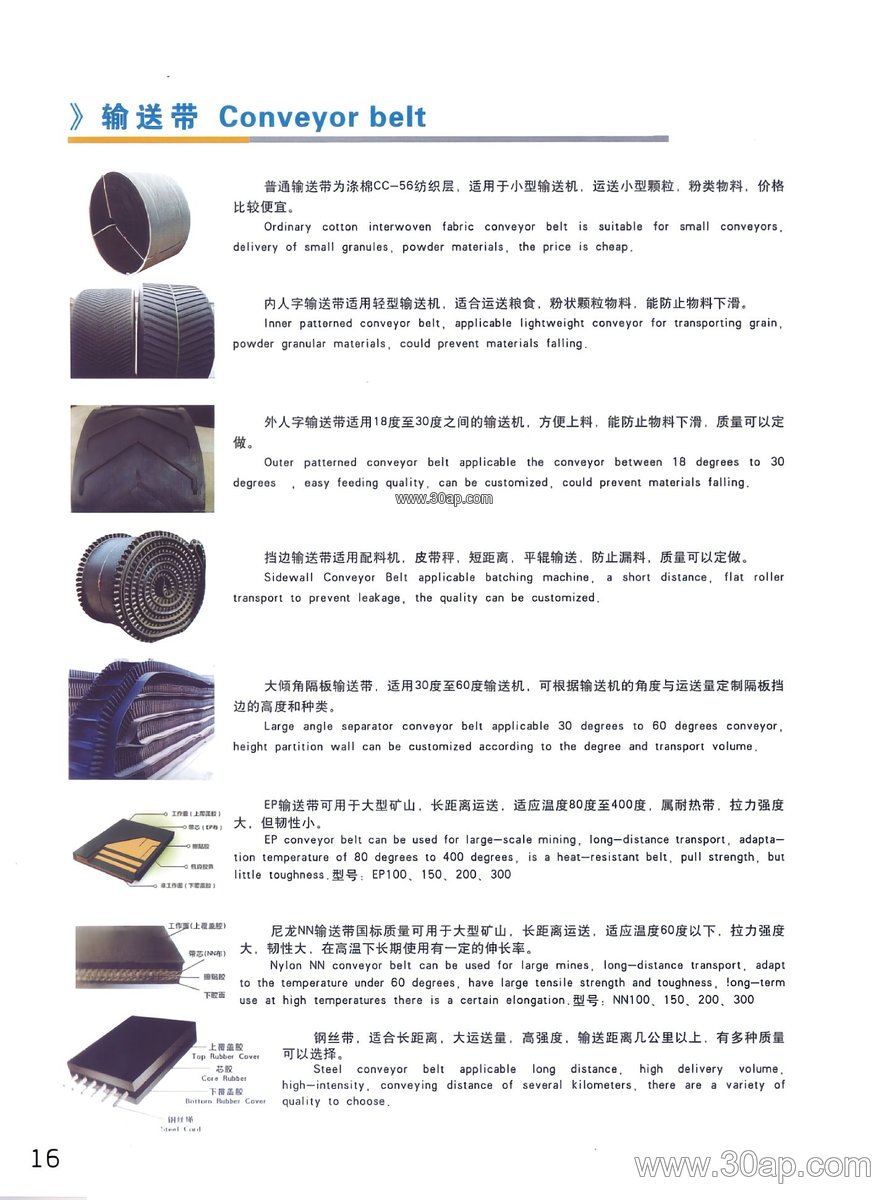
Common cover gauges are written as a pair, top plus bottom, such as 4+2 mm or 5+2 mm. These are reference examples only; the correct combination depends on the material and the loading conditions. Edge construction matters too, because a narrow belt can suffer edge damage quickly on misaligned systems. Pulleys, idler roller sets, and the conveyor bracket arrangement should all be checked against the belt’s thickness and tensile grade.
Typical Strength Grades for a 600mm Belt
- EP200, EP315, EP400 — light duty, short centers, low tonnage
- EP500, EP630, EP800 — general bulk handling, aggregate and cement lines
- EP1000 and above — heavy duty, long runs, high tension
- ST grades for steel cord designs where fabric cannot reach the required tension
Where It Fits in Real Plants
In a sand and gravel operation, a 600mm belt often works as a collecting or transfer belt under screens. In a cement plant it may carry clinker additives, gypsum, or fine limestone. Power plants use narrow belts on coal feeder and ash handling branches. Underground coal mining is another common setting, where flame retardant and anti-static properties are usually specified, and PVG or PVC constructions appear alongside rubber types.
For hot material such as clinker or sinter, a heat resistant conveyor belt is the usual choice. For oily scrap or machined parts, an oil resistant conveyor belt helps protect the carcass. In cold climates, a cold resistant conveyor belt keeps flexibility at low temperatures. Where fine dust and static build-up are concerns, anti-static and fire resistant grades are specified together. In food and recycling lines, a food grade conveyor belt or a chevron conveyor belt for inclined sections may be more suitable.
Width, Pulley and Layout Considerations
Do not assume that one belt width corresponds to one pulley diameter. Pulley sizing follows the belt thickness, the splice type, and the tension in the system, so a 600mm belt may run on a range of drive, tail, and bend pulleys. The drive pulley transmits power, the tail pulley sets the return point, and bend pulleys change direction; they are not interchangeable, and each is selected separately.
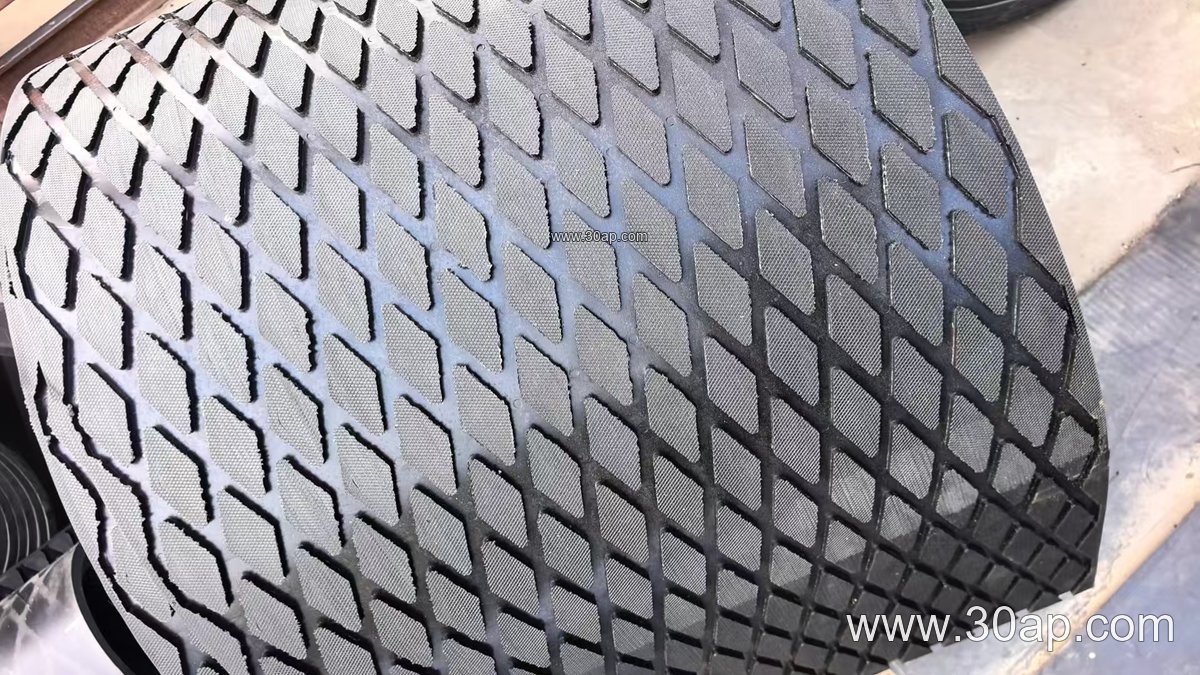
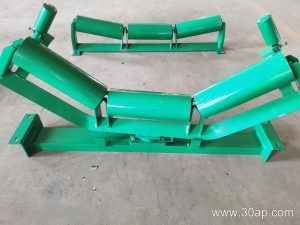
Idler roller spacing also depends on belt stiffness and load, not on width alone. Trough angle, transition distance, and the position of the conveyor bracket all influence how well a 600mm belt tracks. On inclined sections, a chevron conveyor belt or corrugated sidewall conveyor belt can prevent material rollback, but these are separate designs, not replacements for a standard flat belt.
What Buyers Should Confirm
- Measured belt width and required cut length or endless supply
- Tensile grade and number of plies, or steel cord class
- Cover compound and top/bottom thickness
- Flame retardant, anti-static, heat, oil, or abrasion requirements
- Splice method and whether an endless conveyor belt is preferred
- Pulley diameters, idler roller type, and take-up arrangement
Ask for the manufacturer’s data sheet rather than relying on a single number. A 600mm conveyor belt that suits a quarry transfer point may be wrong for an underground coal road, even if the width matches. The belt, pulleys, idlers, and brackets form one system, and the specification should be read together. Buyers comparing options should also look at abrasion resistant conveyor belt grades for hard rock, flame retardant conveyor belt options for coal, and EP conveyor belt data for general bulk duty before finalizing the order.