What an Ore Conveyor Pulley Does in a Bulk Handling System
An ore conveyor pulley is the rotating cylindrical component that drives, redirects, or tensions the conveyor belt in a bulk material handling line. In hard rock mining, a single overland conveyor may use several of these units: a drive pulley at the head end, a tail pulley at the loading point, and bend or take-up pulleys along the route. Each position imposes different loads, so the pulley is selected by duty rather than by belt width alone.
The pulley works together with the conveyor belt, idler rollers, and conveyor brackets to keep material moving from the crusher to the stockpile or from the shaft to the processing plant. A poorly matched pulley can cause belt mistracking, slip, or premature bearing failure, which is why buyers should understand the basic construction before ordering.
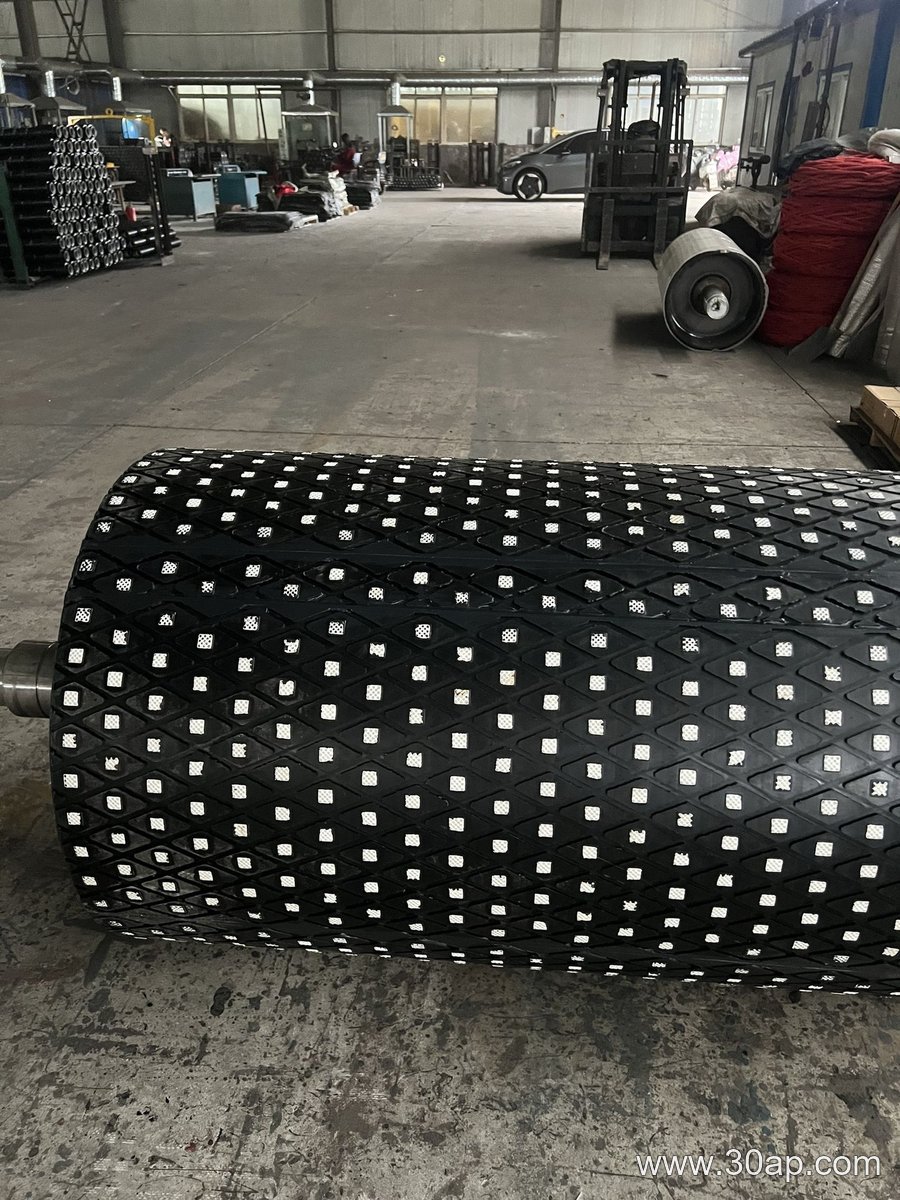
How an Ore Conveyor Pulley Is Built
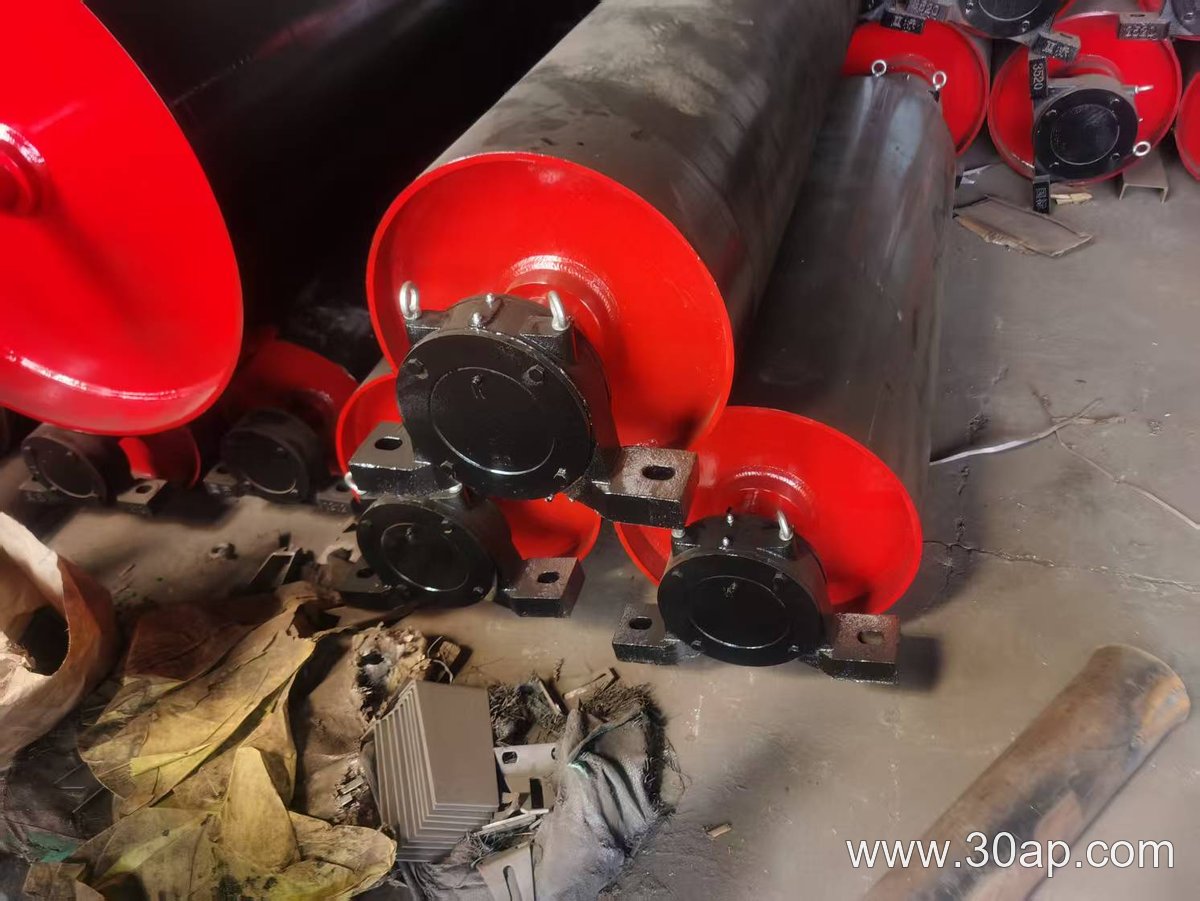
Most pulleys share a common structure: a cylindrical shell, two end discs, a shaft, and bearing housings. The shell is usually made from seamless steel pipe or rolled plate, machined at the ends to accept the discs. The shaft is keyed or shrink-fitted to the hub, and the whole assembly is balanced for the intended belt speed.
Shell, Shaft, and Lagging
The shell diameter and face width are the first dimensions a buyer looks at. Common diameters range from Ø200 mm for small tail pulleys up to Ø1600 mm or more for high-tension drive units. Face width is normally wider than the belt: a B800 belt often uses a pulley face around 950 mm, while a B1200 belt typically matches a face near 1400 mm. These are reference values, not fixed rules, because the actual face width depends on belt training and edge clearance.
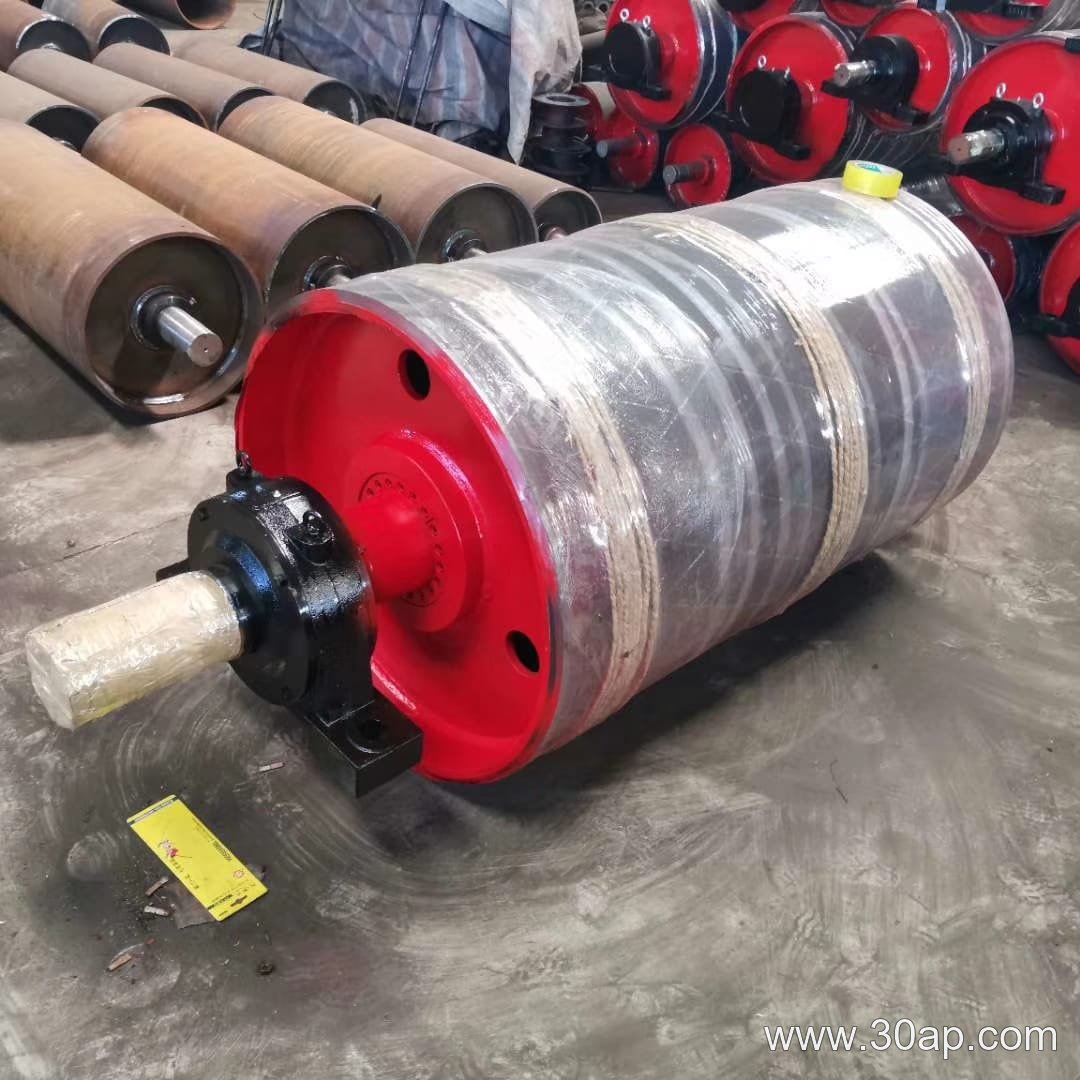
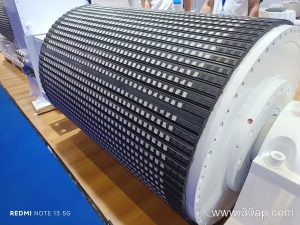
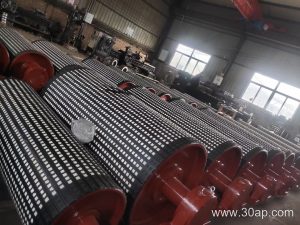
Shaft diameter is determined by torque and bending load, not by belt width. Typical shaft sizes include Ø80, Ø100, Ø120, Ø140, and Ø160 mm, but a B1000 conveyor might use different shaft diameters depending on the drive power and pulley position. The surface form also matters. Plain steel is common for non-drive positions, while rubber lagging in 8, 10, 12, 15, or 20 mm thickness improves grip on drive pulleys. Diamond, herringbone, and ceramic lagging patterns are chosen for wet or oily conditions.
Where Ore Conveyor Pulleys Are Used
These pulleys appear in many industries that handle abrasive bulk solids:
- Iron ore and copper ore concentrators, where belt conveyors move crushed rock from the primary crusher to the mill feed.
- Coal washing plants and power station coal yards, where dust and moisture demand reliable belt tracking.
- Cement plants and aggregate quarries, where limestone and clinker travel on long inclined belts.
- Port bulk terminals and steel sinter plants, where high-tonnage conveyors run continuously.
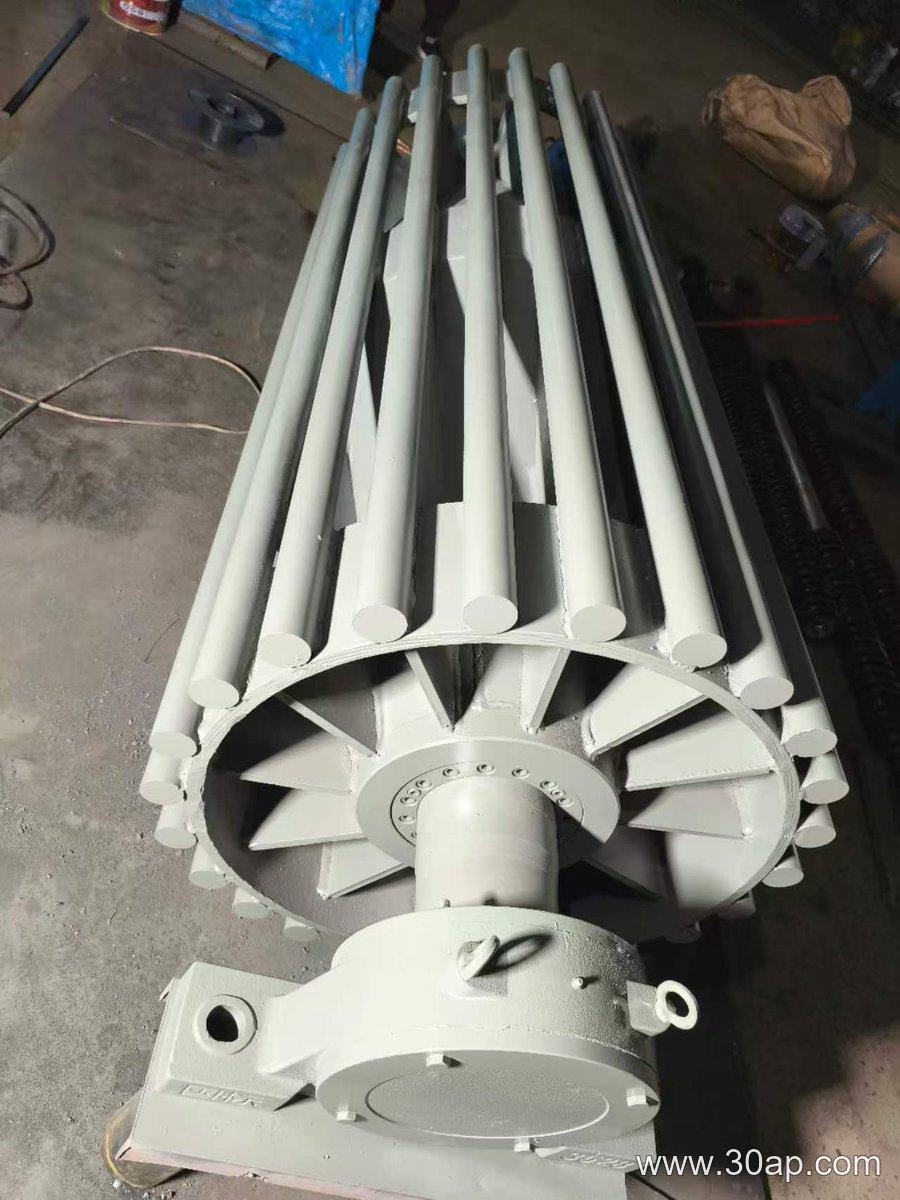
In each case, the pulley type is matched to its job. A drive pulley at the head end needs lagging and a robust shaft. A tail pulley at the loading zone may be plain or lightly lagged. A bend pulley changes belt direction without driving, and a take-up pulley maintains tension. These roles are not interchangeable, so a spare drive pulley cannot simply replace a bend pulley of the same diameter.
What Buyers Should Check Before Ordering
When specifying an ore conveyor pulley, gather the following information:
- Belt width and pulley face width, for example B650 with a 750 mm face or B1400 with a 1600 mm face.
- Pulley diameter and position in the conveyor, such as head, tail, bend, or take-up.
- Required shaft diameter based on torque and radial load, not on a fixed belt-to-shaft table.
- Lagging type and thickness if the pulley is a drive unit.
- Bearing type, housing style, and whether a conveyor bracket or base frame is included.
It also helps to confirm the belt speed, material lump size, and ambient conditions. A pulley for a dusty quarry may need different sealing than one in a wet coal wash box. The goal is to match the pulley to the conveyor, not to copy a specification from a different line.
Maintenance and Wear Points
Regular inspection of lagging, bearing temperature, and shaft alignment can prevent unplanned stops. Worn lagging reduces traction and can polish the belt cover. A damaged shell or loose end disc may cause vibration. When replacing a pulley, check the conveyor belt and idler rollers at the same time, because a worn belt can accelerate pulley wear.
For any ore conveyor pulley order, provide the application details and let the manufacturer confirm the final dimensions. Reference sizes such as B800 × Ø500 or B1200 × Ø1000 are starting points, not universal matches.