What an Adjustable Conveyor Bracket Does
An adjustable conveyor bracket is the support component that holds the carrying idlers at a defined trough angle while allowing that angle to be changed on site. Instead of welding a fixed frame to the stringer, maintenance teams can loosen the mounting bolts, rotate or slide the bracket, and reset the roll profile to suit a new belt or a different material load. In a quarry, a cement plant or a power plant coal yard, this flexibility often means the difference between a short changeover and a full frame replacement.
The same component is also described as an adjustable idler bracket or adjustable troughing bracket. Those names refer to the same item; they are not a drive pulley, a tail pulley or a bend pulley, and they should not be confused with those assemblies.
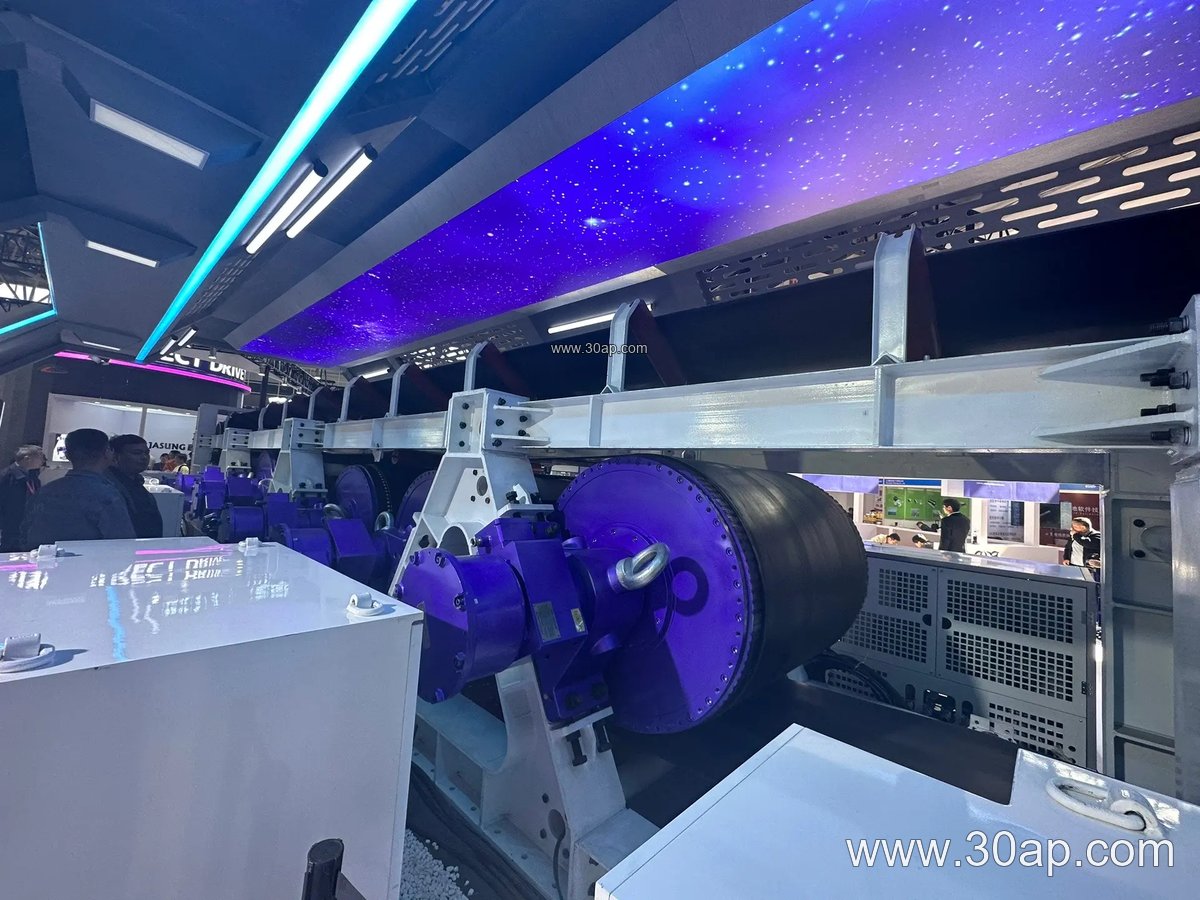
How the Bracket Is Built
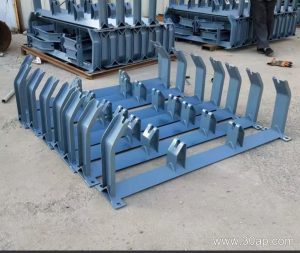
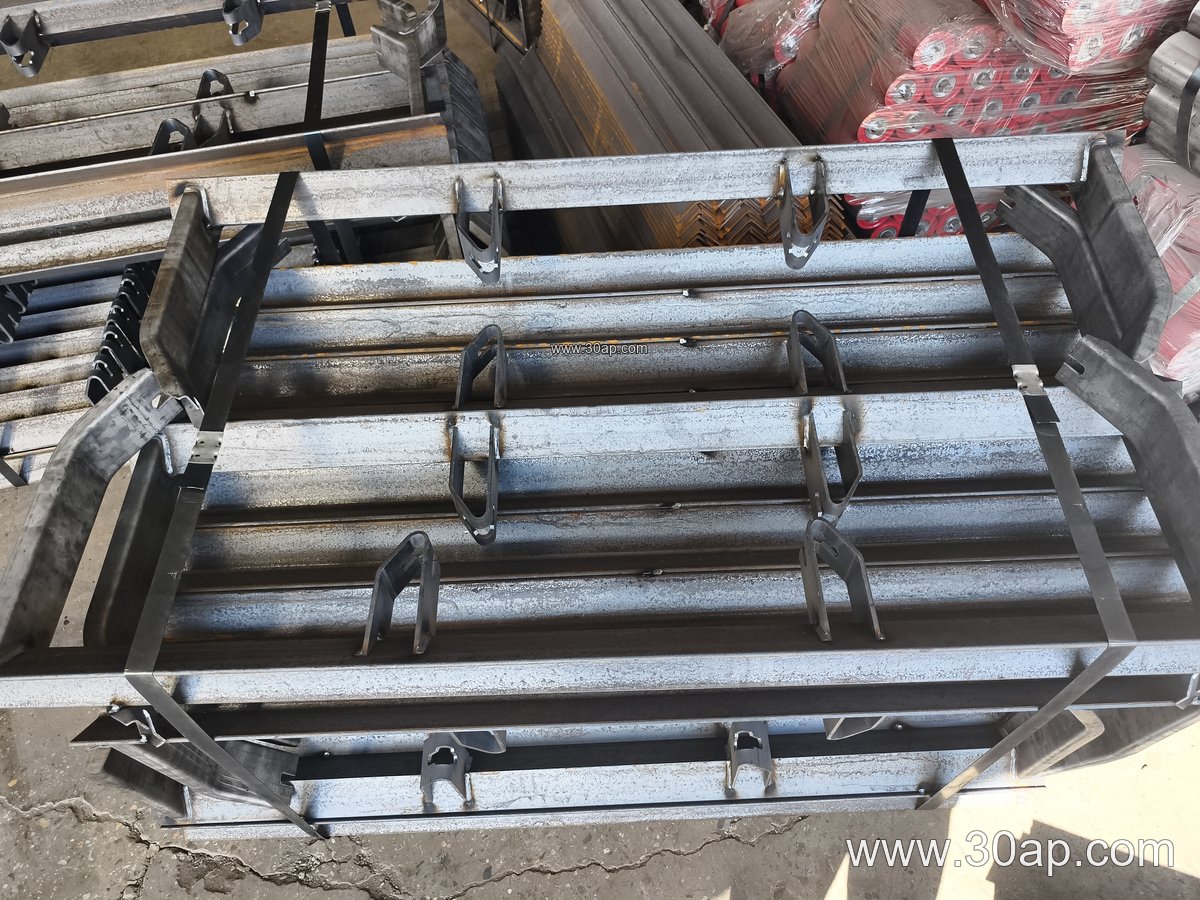
Most designs are fabricated from angle steel, channel steel or folded steel plate, then drilled or slotted so the idler ends can be positioned at more than one setting. A typical unit includes a base that bolts to the conveyor stringer, an inclined arm that carries the side idler, and a hinge or slotted joint that fixes the working angle. Locking bolts, washers and sometimes a scale mark help the fitter repeat a setting across the whole conveyor line.
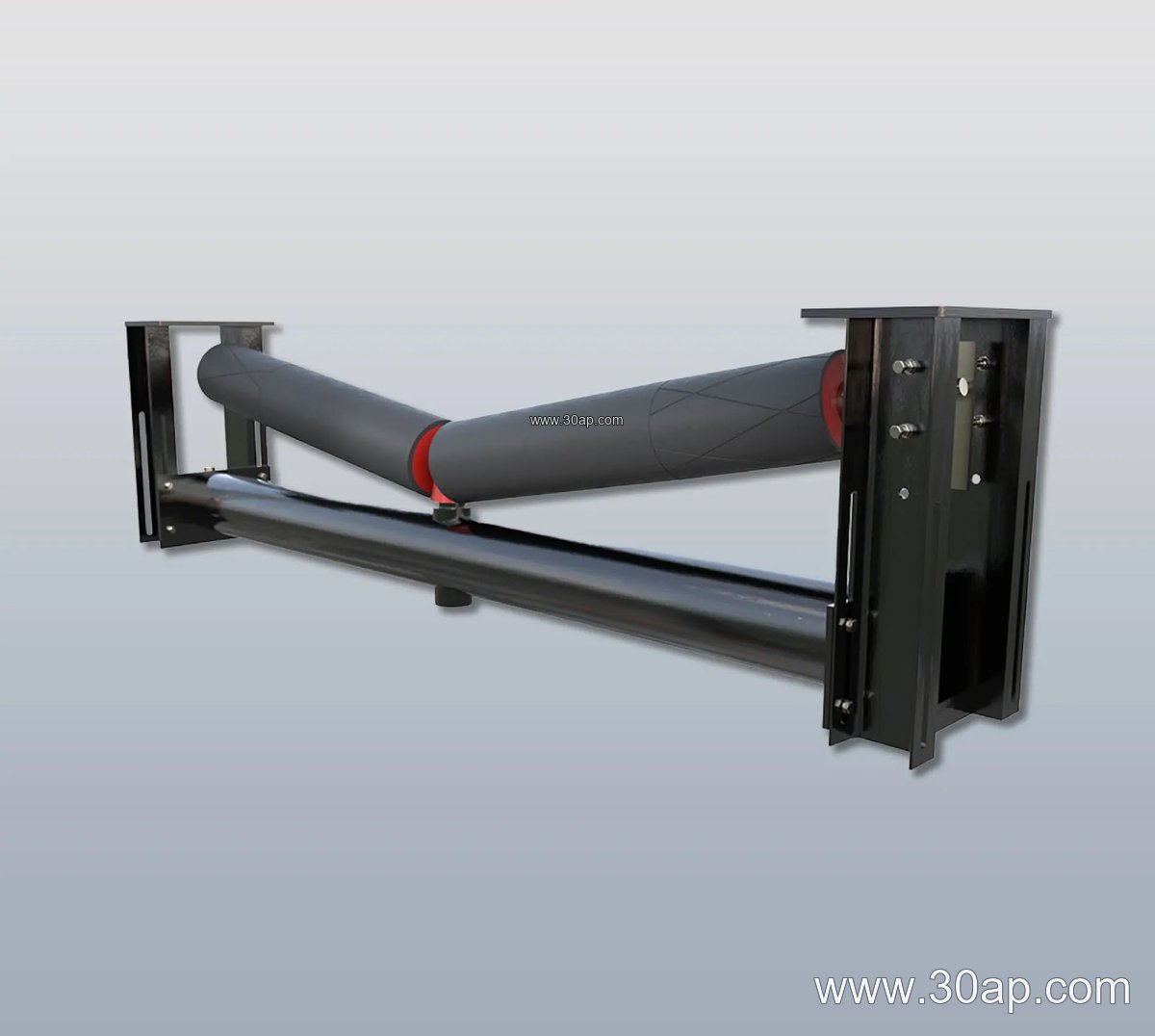
Because the bracket works together with the conveyor belt and the idler roller, its geometry must match the idler shaft, the frame width and the intended trough. Common trough angles are 20, 30, 35 and 45 degrees, and a good adjustable design covers several of these in one body. Forward tilt of about 1.5 to 2 degrees is sometimes built in to help belt tracking, but this should be confirmed with the conveyor designer rather than assumed.
Typical Sizes and Matching Data
The table below shows reference combinations often seen in catalogues and project drawings. These are examples, not universal rules, and the final choice depends on belt width, idler diameter, load and frame design.
| Belt width | Trough angle | Idler diameter | Typical use |
|---|---|---|---|
| B650 | 30 degrees | Ø89 | Small aggregate or sand line |
| B800 | 35 degrees | Ø108 | General bulk material handling |
| B1000 | 35 degrees | Ø133 | Cement plant and coal yard |
| B1200 | 45 degrees | Ø133 | High capacity ore or stone duty |
| B1400 | 45 degrees | Ø159 | Heavy-duty mining conveyor |
| B1600 | 35 degrees | Ø159 | Large port or plant trunk line |
Bore size, hole pitch and crossbeam length change with belt width and trough angle, so these should be taken from the conveyor drawing. A bracket that suits a B800 frame will not automatically fit a B1400 frame, and one belt width can be paired with more than one idler diameter depending on load and speed.
Where Adjustable Brackets Are Used
These brackets are common on troughed carrying runs in stone crushing plants, limestone mines and cement production lines. They also appear in coal handling systems at power stations, in iron ore and copper ore plants, and on belt lines that feed crushers or screens. Where the material changes seasonally, or where a conveyor is reused for a different duty, the adjustable feature reduces the need to cut and re-weld the frame.
They are usually installed on the carrying side, not on the return side. Return runs more often use a fixed lower bracket or a V-type return bracket, and the two should not be treated as interchangeable. On a transfer point, a buffer or impact bracket may be preferred, while a self-aligning bracket may be chosen near the tail. Each has its own role, and the adjustable bracket remains the focus here.
Selection and Maintenance Notes
- Confirm the belt width, trough angle and idler diameter before ordering; B1000 with 35 degrees and Ø133 is only one possible combination.
- Check that the mounting holes align with the existing stringer, or plan an adapter plate.
- Match the bracket material to the environment: dusty quarry air, wet coal yards and cement kilns place different demands on the frame.
- After adjustment, tighten locking bolts evenly and check that all idlers sit at the same height and angle.
- Inspect for looseness, corrosion and bent arms during routine belt inspections.
A well-chosen adjustable conveyor bracket keeps the belt profile correct and makes later changes easier. Buyers working with abrasive rock, coal or cement should also review the conveyor belt specification, since an abrasion resistant conveyor belt or a flame retardant conveyor belt may be needed alongside the mechanical support. For general enquiries about brackets, idlers and belt components, the team at conveyoridler.com can help match parts to the drawing.