What a Conveyor Parts Idler Does on the Line
A conveyor parts idler is the rotating support that carries the conveyor belt along its route. Mounted in a conveyor bracket or frame at regular intervals, each idler roller holds the belt up on the carrying side or keeps it aligned on the return side. Without these small rotating assemblies, the belt would sag, rub against structure and wear out quickly. In a quarry, a cement plant or a power plant coal yard, the idler is one of the most frequently replaced wear items, so choosing the right configuration matters for uptime and energy use.
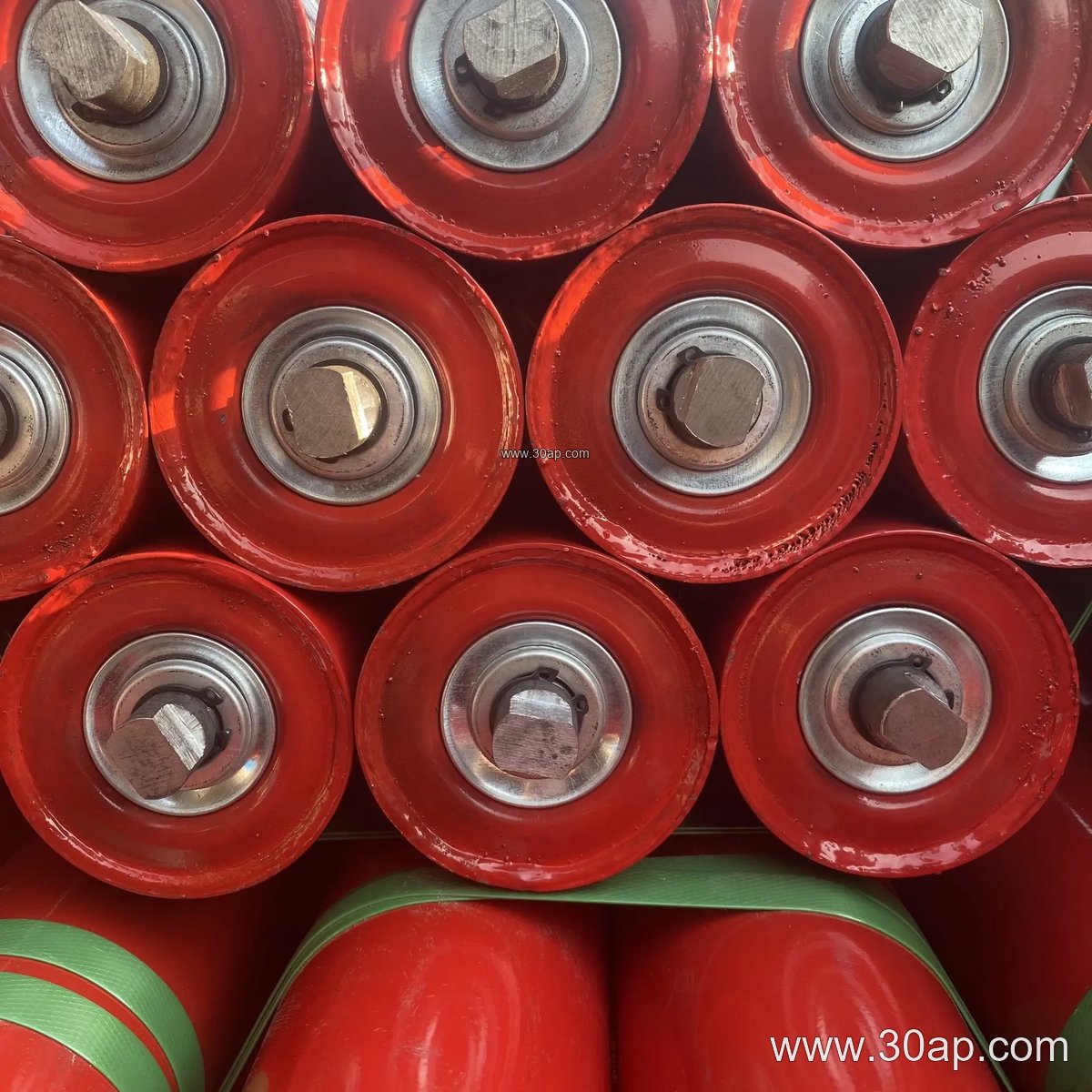
How an Idler Roller Is Built
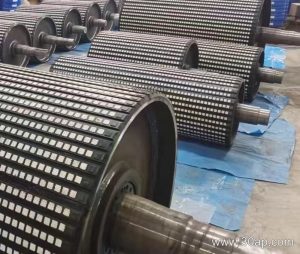
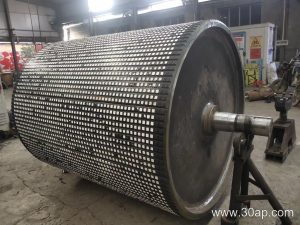
The basic construction is a steel tube shell, a shaft, bearing housings at each end and a sealing arrangement. The shell may be plain steel, nylon-coated, ceramic-covered or fitted with rubber rings for impact absorption. Bearings are usually deep-groove ball types such as 6204, 6205, 6305, 6306, 6308 or 6310, selected according to load and speed rather than matched to one shell diameter. Sealing is critical in dusty conditions: a labyrinth seal with grease retention keeps grit away from the bearing and extends service life in stone crushing lines and aggregate yards.
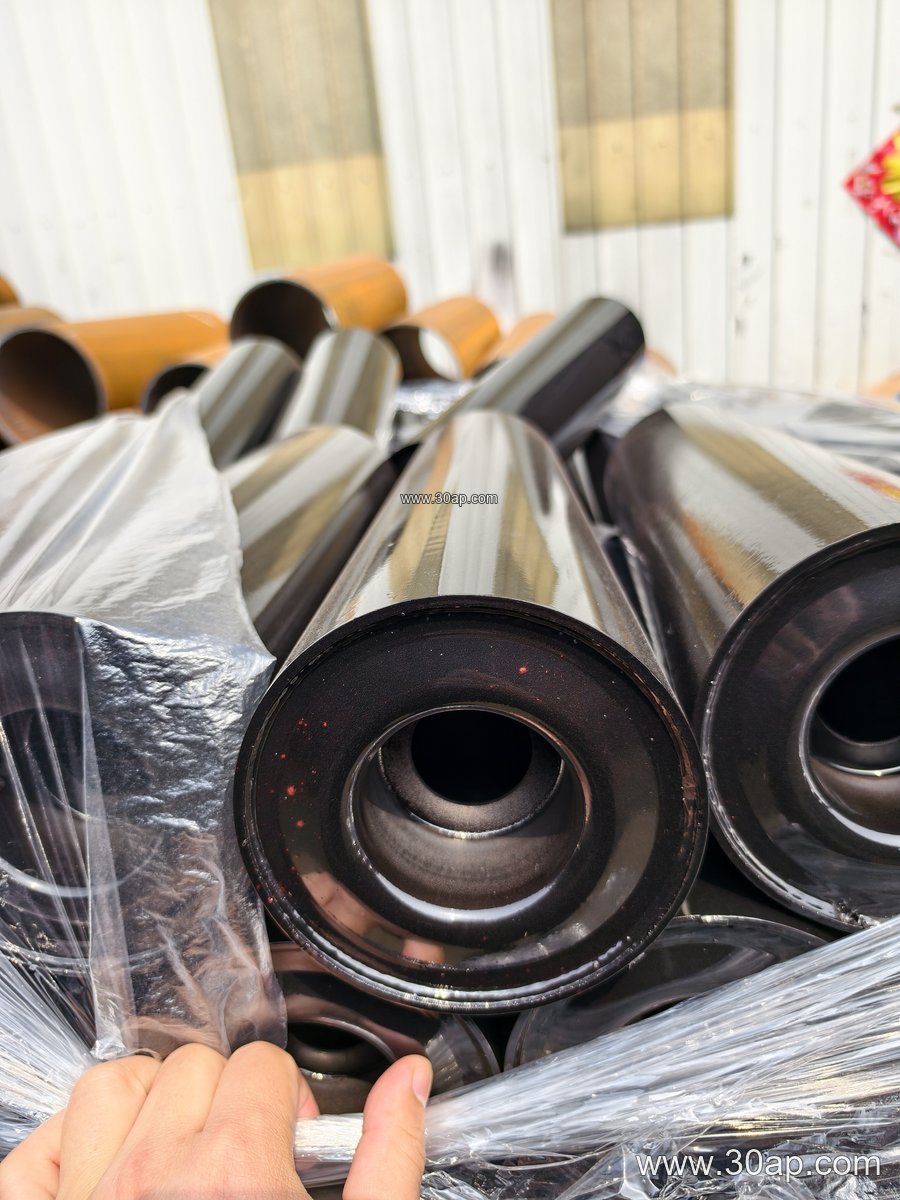
Common Idler Types and Where They Sit
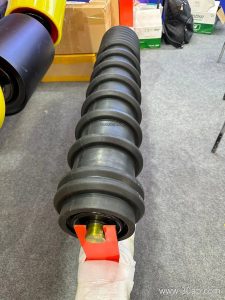
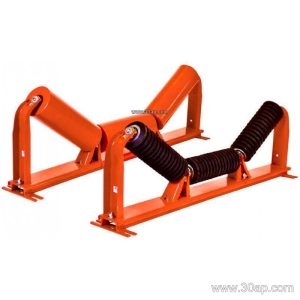
Carrying-side idlers are often supplied as three-roll troughing sets with trough angles of 20, 30, 35 or 45 degrees. A single-roll or two-roll arrangement may be used on narrower belts. Return-side idlers run flat or in V form to support the empty belt. Transition idlers ease the belt from flat to troughed profile near the tail. Impact idlers with rubber rings sit under the loading point to cushion lumps. Self-aligning idlers, including friction and tapered types, correct minor belt drift, and spiral idlers help shed sticky material. Each of these is a distinct subtype with its own job; a return idler is not a substitute for a carrying idler, and a bend pulley is a different component entirely.
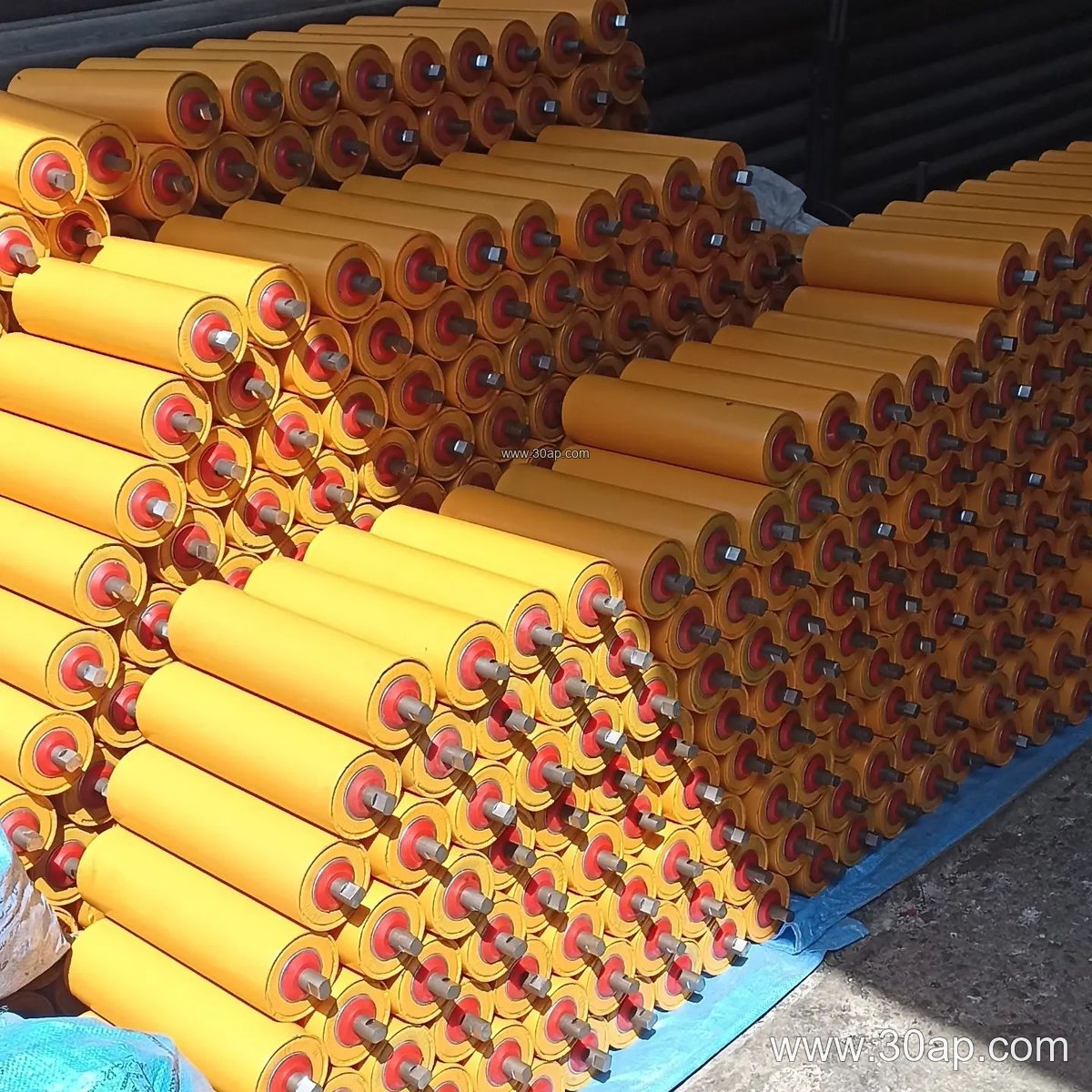
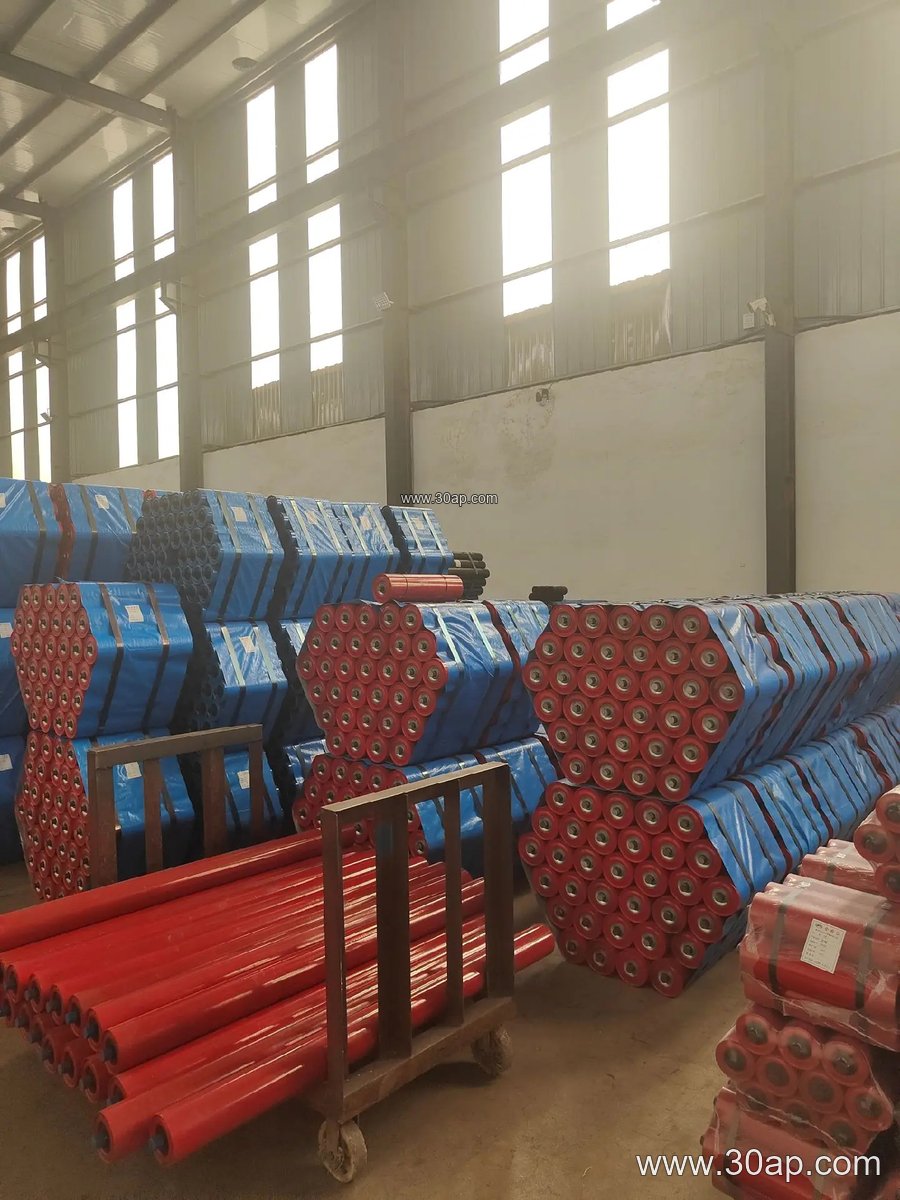
Matching Roll Diameter and Belt Width
Roll diameter and belt width are linked to belt speed, load and the conveyor profile, but there is no single rule that pairs one belt width with one diameter. Typical roll diameters include Ø63, Ø76, Ø89, Ø102, Ø108, Ø127, Ø133, Ø159, Ø178, Ø194 and Ø219 mm. Belt widths commonly run from B400 and B500 up through B650, B800, B1000, B1200, B1400, B1600, B1800, B2000, B2200 and B2400. Roll length changes with belt width, trough angle and the number of rolls in the set. As a rough reference for three-roll troughing sets, roll lengths of about 200 mm at B500, 250 mm at B650, 315 mm at B800, 380 mm at B1000, 465 mm at B1200 and 530 mm at B1400 are sometimes used, with larger figures for wider belts. Side rolls and centre rolls can differ, so these are examples only and final dimensions are decided by conveyor design.
| Reference item | Common range |
|---|---|
| Roll diameter | Ø63 to Ø219 mm |
| Belt width | B400 to B2400 mm |
| Trough angle | 20, 30, 35, 45 degrees |
| Bearing | 6204, 6205, 6305, 6306, 6308, 6310 |
| Roll surface | Steel, nylon, ceramic, rubber ring |
Where Idlers Work Hardest
In an iron ore or copper ore terminal, heavy abrasive loads punish the carrying idlers, and abrasion resistant conveyor belt grades are usually matched with robust roll shells. In a coal mining conveyor or underground coal mining conveyor, flame retardant conveyor belt and anti-static conveyor belt construction go together with idlers that seal well against fine coal dust. Cement plants and lime kiln lines combine heat resistant conveyor belt sections with idlers that must tolerate hot clinker near the transfer points. Ports handling bulk material conveyor belt systems rely on smooth-running return idlers to keep long spans tracking straight. Even a small sand making plant or concrete mixing station benefits from correct idler spacing and alignment.
Buyer Checklist Before Ordering
- Confirm belt width, trough angle and whether the set is single, two-roll or three-roll.
- State the roll diameter, shell material and bearing size required, and note whether rubber rings are needed for impact zones.
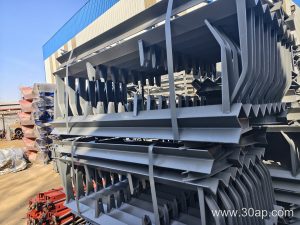
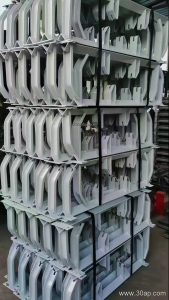
- Check shaft end fixing and bracket dimensions so the idler fits the existing conveyor bracket without modification.
- Ask about sealing type and grease arrangement for dusty or wet service.
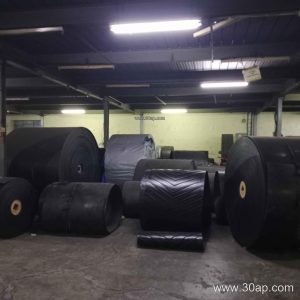
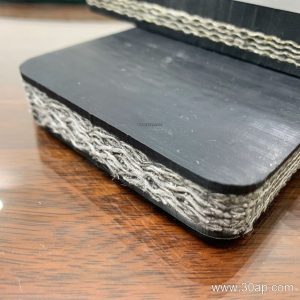
- Consider the belt itself: an EP conveyor belt or steel cord conveyor belt may call for different idler spacing than a fabric core conveyor belt, and a chevron conveyor belt or corrugated sidewall conveyor belt can need extra clearance.
Well-chosen conveyor parts idler assemblies reduce belt wear, cut downtime and keep material moving from the crusher to the stockpile. Buyers who match roll diameter, bearing and sealing to the actual duty will get far better results than those who order by belt width alone. Browse our idler roller range and confirm dimensions with the conveyor drawing before placing an order.