What a Multi-Ply Fabric Core Conveyor Belt Is
A Multi-Ply Fabric Core Conveyor Belt is a heavy-duty rubber belt built around several layers of woven fabric, usually EP (polyester-cotton) or NN (nylon) canvas, bonded together with skim rubber and protected by top and bottom cover compounds. Each fabric layer carries part of the tension load, so the belt combines flexibility with high strength. Because the layers are visible in a cross-section, buyers often refer to the product simply as a multi-ply fabric conveyor belt or a ply fabric belt.
The construction differs from a Steel Cord Conveyor Belt, where steel wires replace fabric as the tension member, and from single-ply lightweight belting used on short, low-tension runs. In quarries, cement plants, power stations and coal mining operations, the multi-ply fabric design remains a practical choice for main haulage and plant conveyors where impact resistance and spliceability matter.
How the Belt Is Built
The carcass is the heart of the product. Fabric plies are calendered with rubber, stacked, and cured under pressure so the layers act as one unit. Cover rubber is then applied to both faces. Typical construction details include:
- 2 to 6 fabric plies, depending on required strength
- EP or NN canvas, with EP preferred where low stretch is important
- Cover grades for abrasion, heat, oil, flame retardance or cold service
- Cut edges or moulded edges, depending on the duty
Belt thickness is often described by cover gauge plus carcass, for example 5+2 mm or 6+2 mm covers over a 3-ply or 4-ply core. These figures are common reference values; actual construction should follow the conveyor design and the belt maker’s data sheet.
Common Strength and Size Ranges
Tension ratings for fabric-core belts are usually expressed in EP or NN grades. The following values are typical reference points, not a supply promise for any single order.
Strength grades
- EP200, EP315, EP400, EP500 — light to medium plant conveyors
- EP630, EP800, EP1000 — general bulk handling
- EP1250, EP1600, EP2000 — heavy main lines and long centres
Width and cover examples
| Parameter | Common reference values |
|---|---|
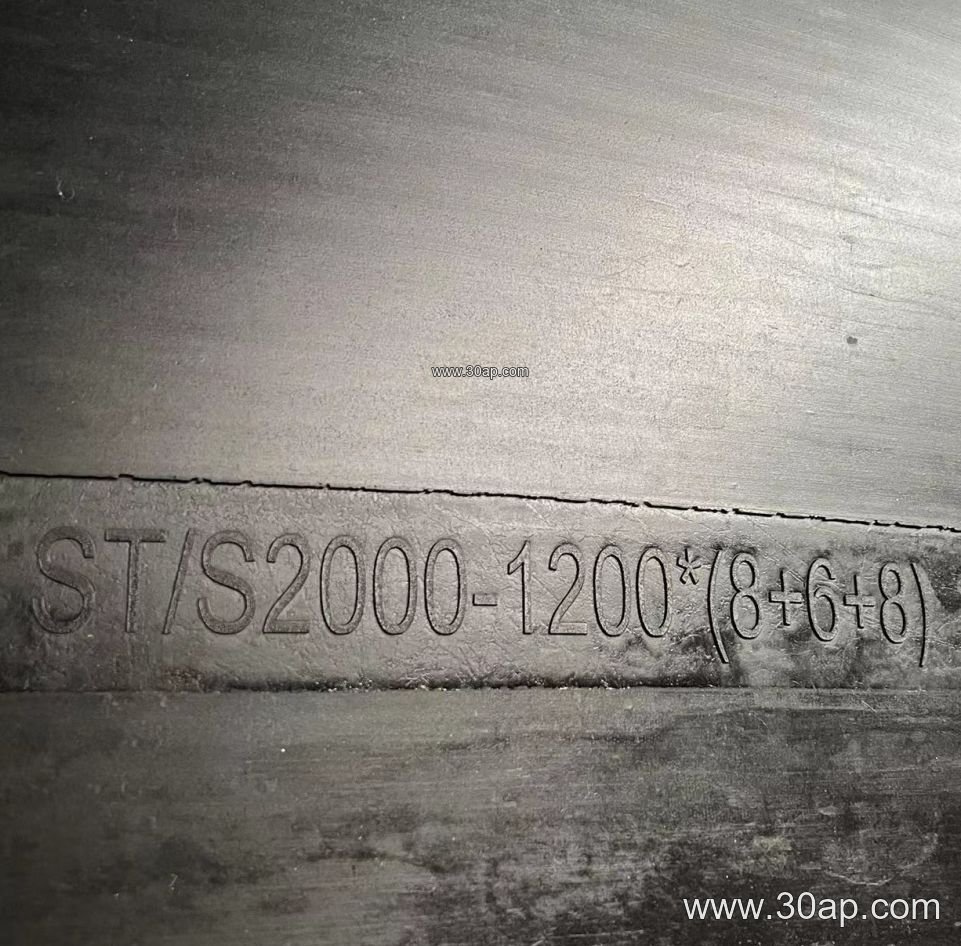
| Belt width | B500, B650, B800, B1000, B1200, B1400, B1600, B1800, B2000 |
| Cover gauge | 3+1.5, 4+2, 5+2, 6+2, 8+3 mm |
| Carcass plies | 2 to 6 layers |
Belt width and pulley diameter are matched by conveyor design, not by a fixed rule. A 1200mm wide belt may run on different pulley sizes depending on tension, speed and troughing angle, so always confirm the drive, tail and bend pulley dimensions with the conveyor engineer.
Where It Fits in the Plant
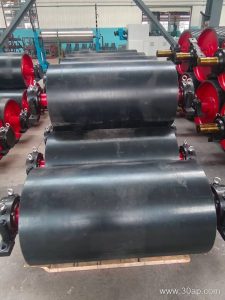
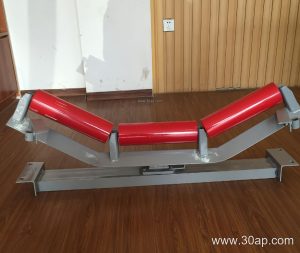
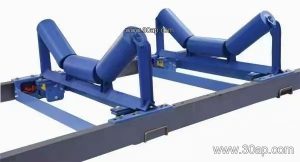
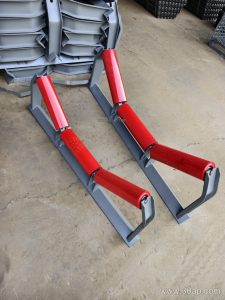
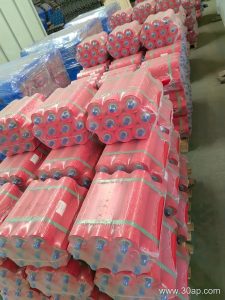
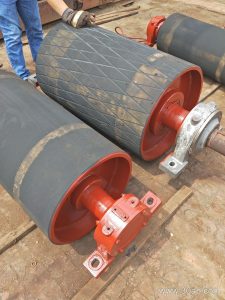
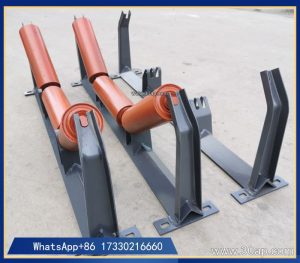
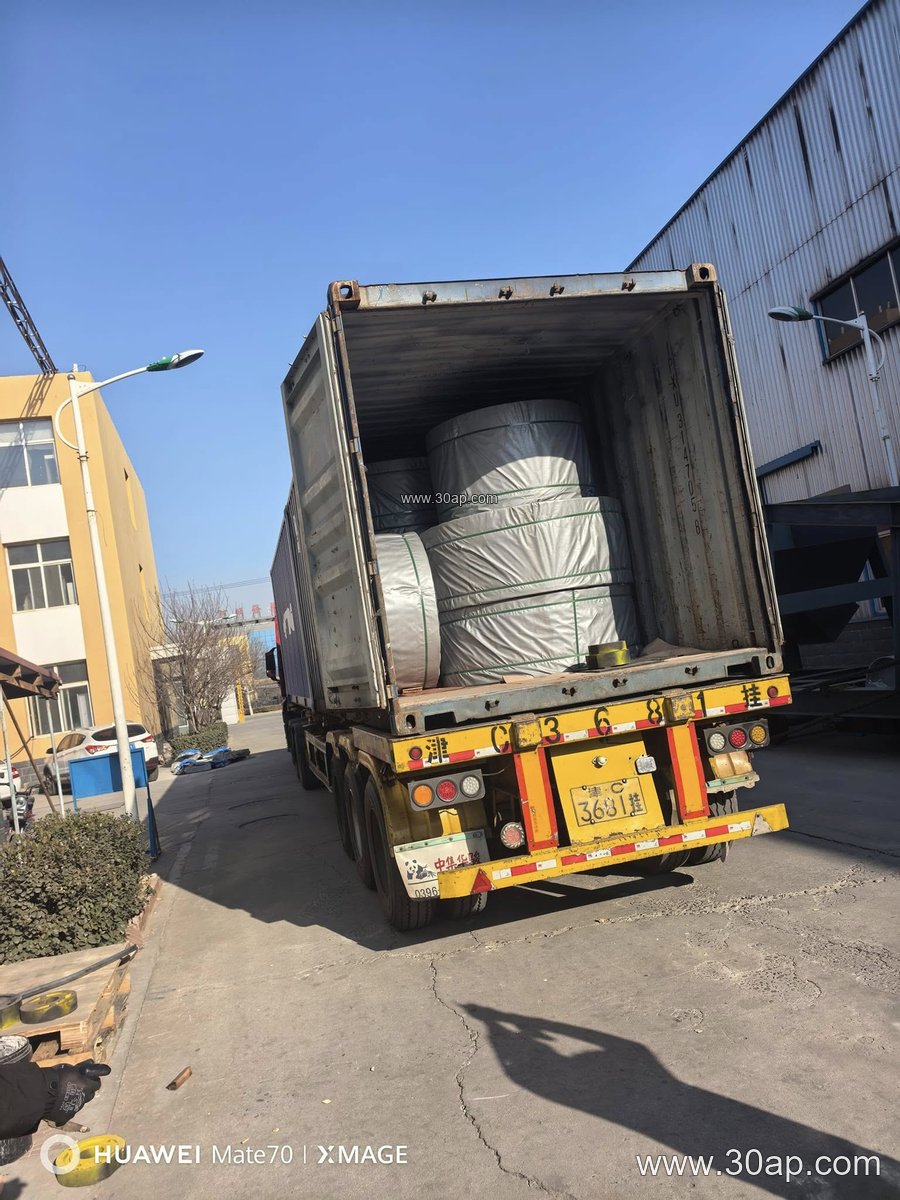
These belts are common in mining, coal preparation, cement kiln lines, power plant coal yards, aggregate quarries, sand and gravel plants, ports and recycling facilities. A typical circuit includes the belt, idler rollers, a conveyor pulley at the head and tail, and a conveyor bracket carrying the rollers. In dusty or wet conditions, abrasion resistant grades help extend cover life, while flame retardant and anti-static versions are often specified for underground coal mining conveyors.
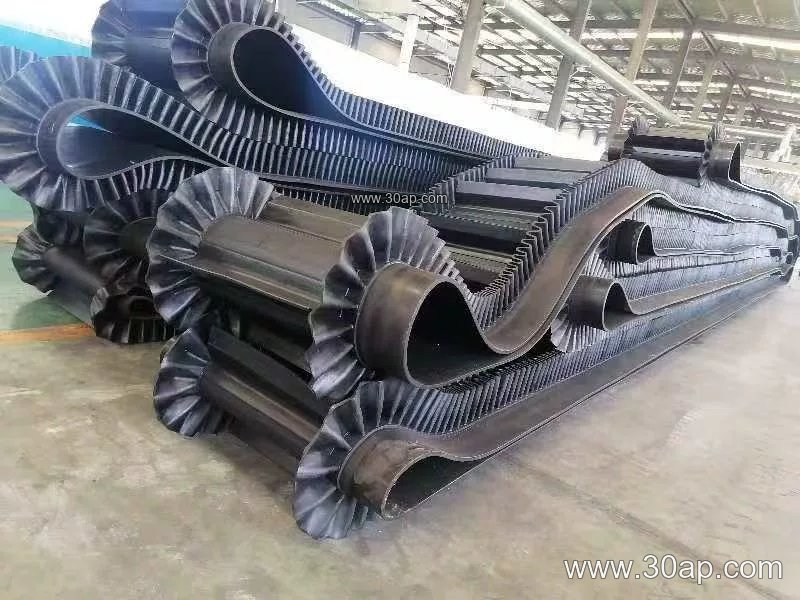
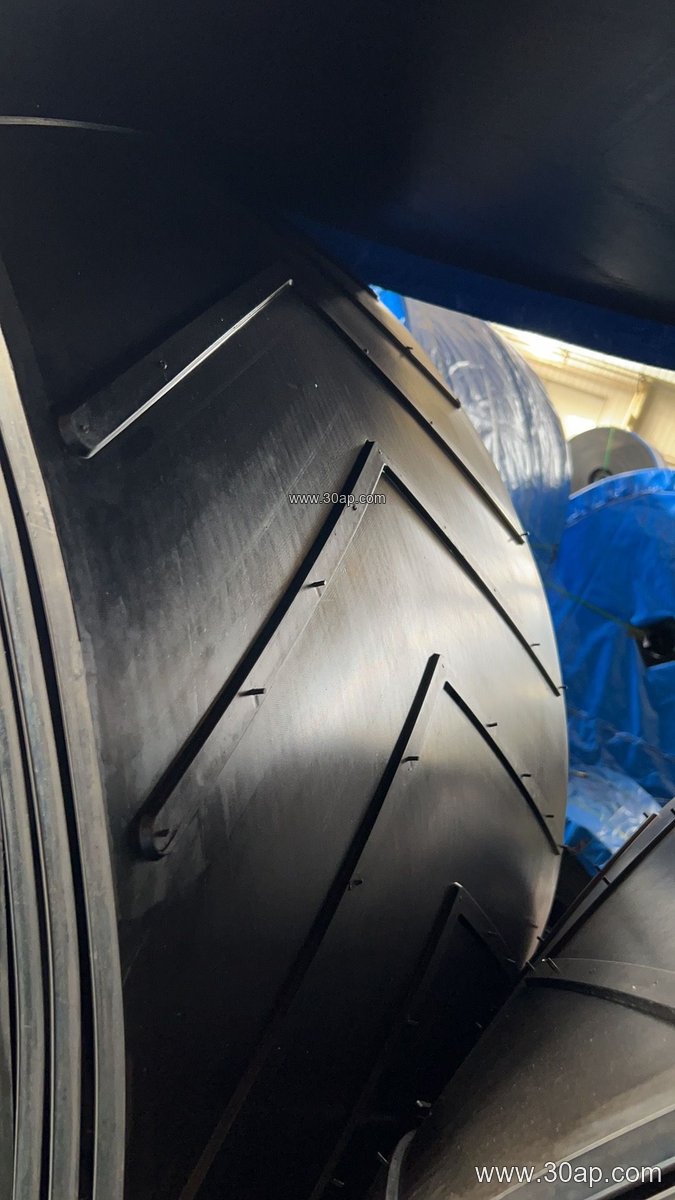
For inclined haulage, a Chevron Conveyor Belt or a Corrugated Sidewall Conveyor Belt may be chosen to prevent material rollback, but those are separate designs. The multi-ply fabric belt itself remains the flat, troughed workhorse of the plant.
Selection Points for Buyers
Start with the duty, not the price. Material lump size, drop height, belt speed, troughing angle and centre distance all affect the choice of ply count and cover grade. A High Abrasion Resistant Conveyor Belt cover is useful for sharp rock and ore, while a Heat Resistant Conveyor Belt is needed near clinker or sinter. Check splice method too: fabric belts are usually spliced with hot vulcanisation or mechanical fasteners, and the splice strength depends on ply number and step length.
Ask for the tension rating, cover grade, ply count, edge type and recommended minimum pulley diameter in writing. Keep spare idler rollers and a spare conveyor pulley in the store, since a seized roller can damage the belt edge quickly. For long overland runs or very high tensions, compare the fabric option with a Steel Cord Conveyor Belt before finalising the order.
Care and Service Life
Track belt wear at the edges and at the loading point. Misalignment, overload and blocked chutes are common causes of premature cover damage. Inspect idler rollers for flat spots, check pulley lagging and keep the belt cleaner adjusted. A well-matched multi-ply fabric core conveyor belt, used within its rated tension and cover duty, can serve for many years in cement, coal, ore and aggregate service.