What Makes an Idler Highly Wear-Resistant
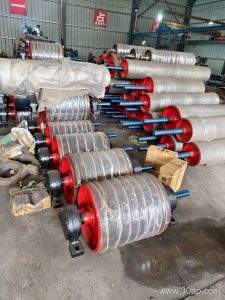
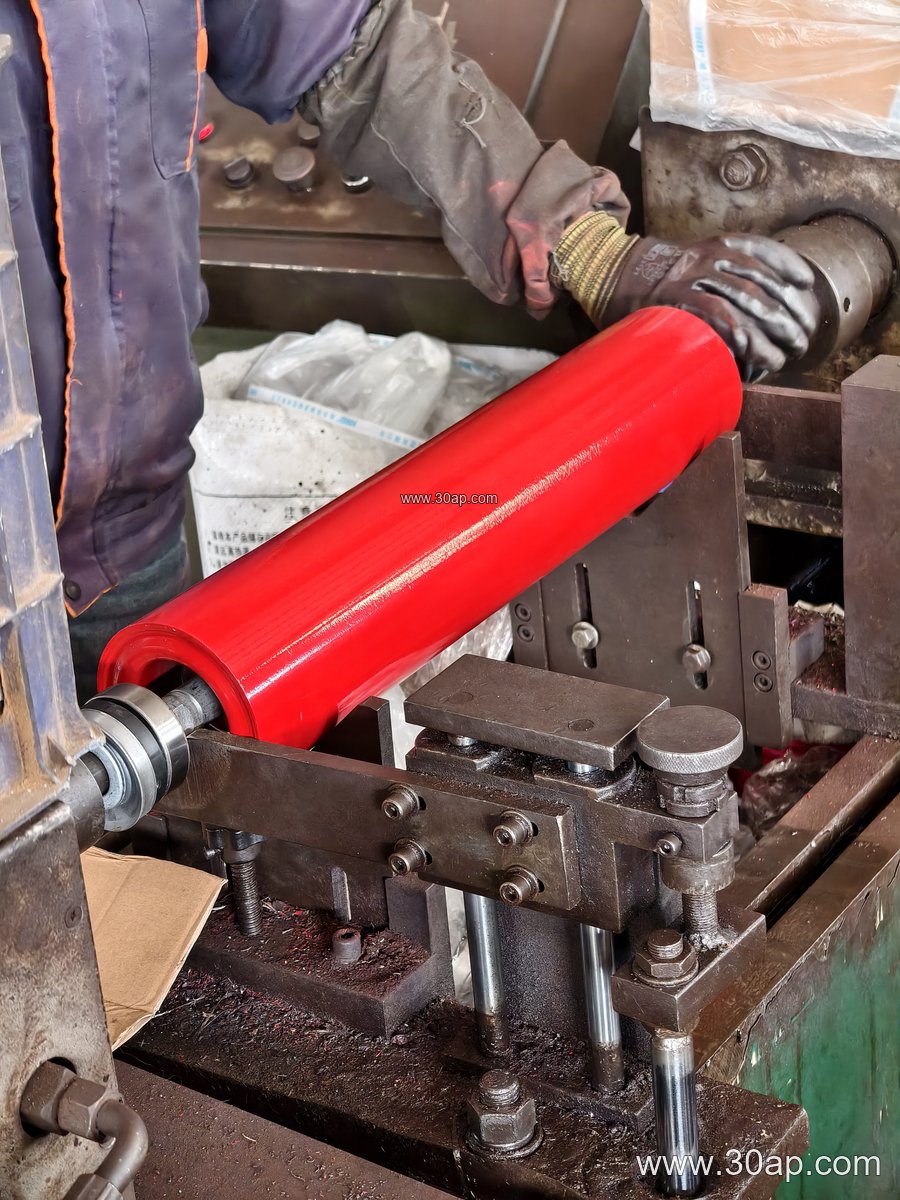
A highly wear-resistant idler is a load-carrying roller built to survive the grinding, cutting and impact that ordinary rollers cannot tolerate. In a quarry or a coal washing plant, the conveyor belt is only as reliable as the rollers beneath it. When fines, grit and sharp aggregate work into a standard roller, the shell wears thin, the bearing seal fails, and the roller seizes. A highly wear-resistant idler roller addresses this by combining a thicker or hardened shell, a reinforced bearing housing and a multi-stage seal that keeps abrasive dust away from the bearing. The result is a roller that holds its roundness longer, protects the conveyor belt from tracking problems, and reduces the number of shutdowns for roller replacement.
Construction Details That Matter
The wear resistance of an idler comes from several features working together rather than from one material alone.
- Shell: Seamless steel tube with increased wall thickness, or a nylon, ceramic or rubber-ring surface where the application calls for it. Ceramic and rubber-ring surfaces are common where sticky or highly abrasive material builds up.
- Bearing: Deep-groove ball bearings such as 6205, 6305, 6306 or 6308 are typical, matched to the radial load and the roller diameter rather than to belt width alone.
- Seal: Labyrinth or contact seals with a dust lip are essential; the seal usually determines service life in a dusty plant.
- Shaft and housing: A properly pressed bearing housing and a shaft that resists bending under load keep the roller running true.
Typical roller diameters run from Ø63 and Ø76 for light duty up to Ø159, Ø178 and Ø219 for heavy troughing positions. The correct diameter depends on belt speed, load and the space available in the conveyor bracket, not on a single fixed rule.
Where the Roller Earns Its Keep
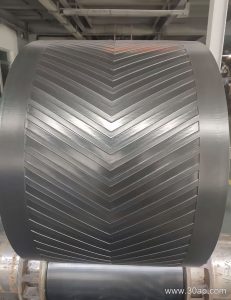
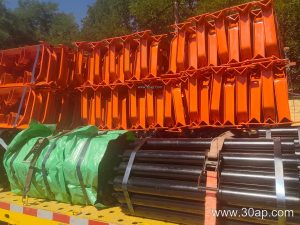
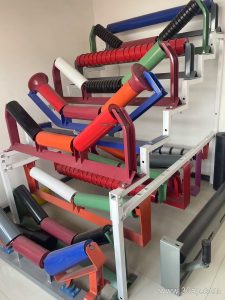
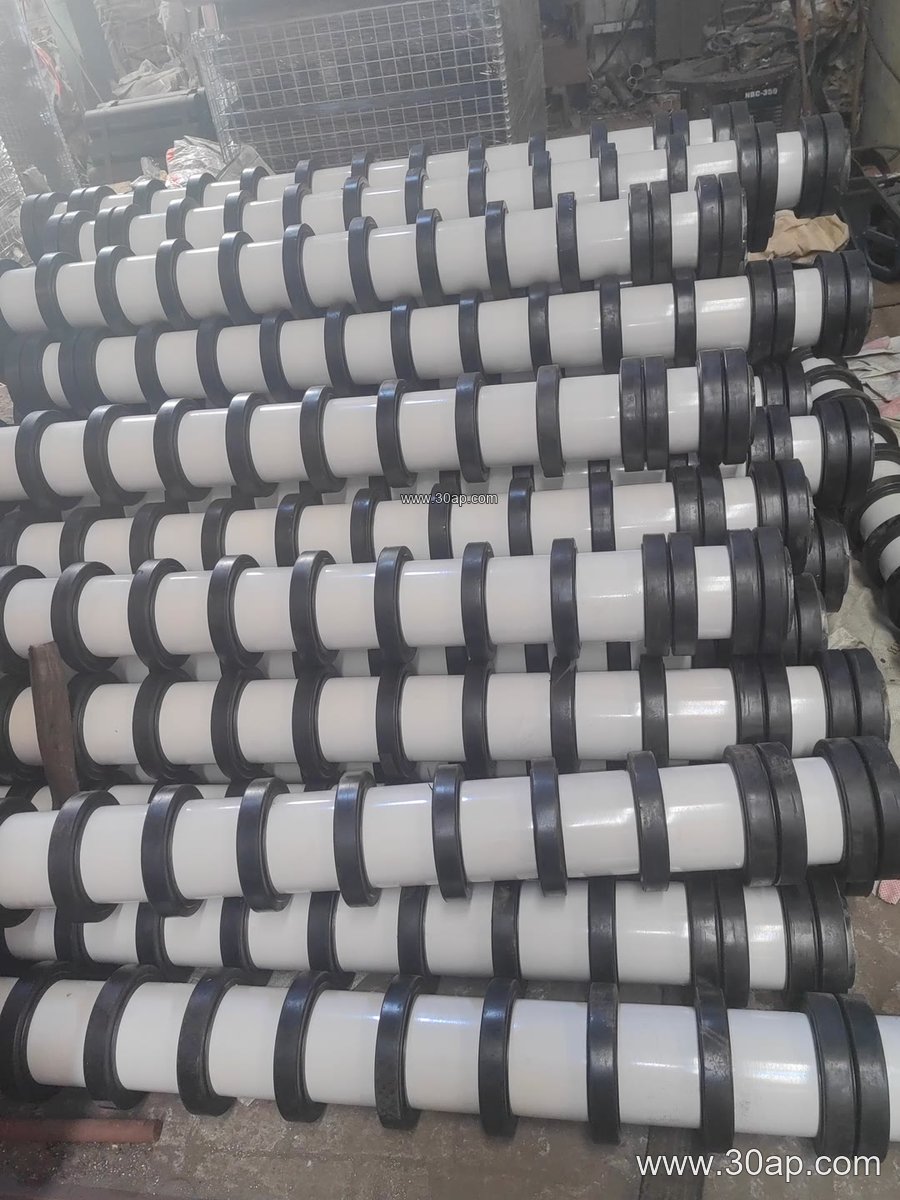
The most demanding positions are usually the loading point and the return run. At the transfer point, a highly wear-resistant idler used as an impact or buffer roller absorbs the energy of falling rock before the belt and the frame take the hit. Along the carrying side, three-roll troughing sets at 20, 30, 35 or 45 degrees support the belt and the material. On the return side, a V-return or flat return roller keeps the belt clean and centred. In a limestone quarry feeding a crusher, or a coal washery handling wet fines, the difference between a standard roller and a wear-resistant one is measured in months of uninterrupted operation. The same logic applies in cement plants, power station coal yards and sand and gravel lines where a fabric core conveyor belt or an abrasion resistant conveyor belt carries sharp material day after day.
Matching the Idler to the Conveyor
Roller length follows belt width, trough angle and roll configuration. The table below gives common reference examples for three-roll troughing sets; side rollers and centre rollers may differ, and final dimensions should always be confirmed against the conveyor design.
| Belt width | Typical roller length (three-roll trough) | Common trough angle |
|---|---|---|
| B500 | about 200 mm | 20–35 degrees |
| B650 | about 250 mm | 20–35 degrees |
| B800 | about 315 mm | 30–35 degrees |
| B1000 | about 380 mm | 30–35 degrees |
| B1200 | about 465 mm | 30–35 degrees |
| B1400 | about 530 mm | 35–45 degrees |
| B1600 | about 600 mm | 35–45 degrees |
| B1800 | about 670 mm | 35–45 degrees |
| B2000 | about 750 mm | 35–45 degrees |
These figures are reference data, not a fixed pairing of belt width to roller size. A conveyor pulley at the drive or tail end has its own dimensions and should never be substituted for a roller specification; drive, tail and bend pulleys are separate components with separate duties.
Buyer Checklist
- Confirm the actual load per roller, belt speed and material lump size before choosing shell thickness.
- Ask for the seal design and bearing brand class, since these drive life in dusty service.
- Check that the roller fits the existing conveyor bracket and frame height.
- Decide whether ceramic, nylon or rubber-ring surfaces are needed for sticky or wet material.
- For underground coal work, verify flame retardant and anti-static requirements with the belt supplier as well as the roller supplier.
A well-chosen highly wear-resistant idler pays back through fewer stoppages, less belt edge damage and lower maintenance labour. Buyers who compare shell, seal and bearing details rather than price alone usually get the longer service life they were looking for. For related conveyor components, see the roller and belt sections at www.example.com/highly-wear-resistant-idler and www.example.com/conveyor-roller.