What a Mining Ceramic Lagged Pulley Does
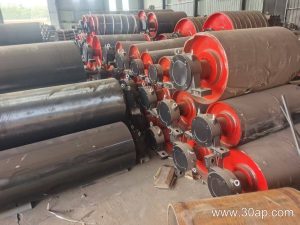
A mining ceramic lagged pulley is a conveyor pulley whose shell is covered with ceramic tiles set into a rubber or polymer backing. The ceramic surface is there to do one job well: keep the conveyor belt from slipping where traction matters most. In a quarry, a limestone mine, or a copper ore concentrator, the drive pulley has to transmit high torque to a belt that may be wet, dusty, or coated in fine abrasive material. A plain steel shell often loses grip under those conditions, while a ceramic lagging keeps a consistent friction coefficient and resists the wear that would quickly polish an ordinary rubber surface.
The same product is also described accurately as a ceramic lagged conveyor pulley. It is a surface form of conveyor pulley, not a separate machine, and it is usually specified on the drive position of a heavy-duty conveyor. On the same conveyor you may find a bare tail pulley, a rubber lagged bend pulley, and a ceramic lagged drive pulley working together, because only the drive needs the extra grip.
How the Ceramic Surface Is Built
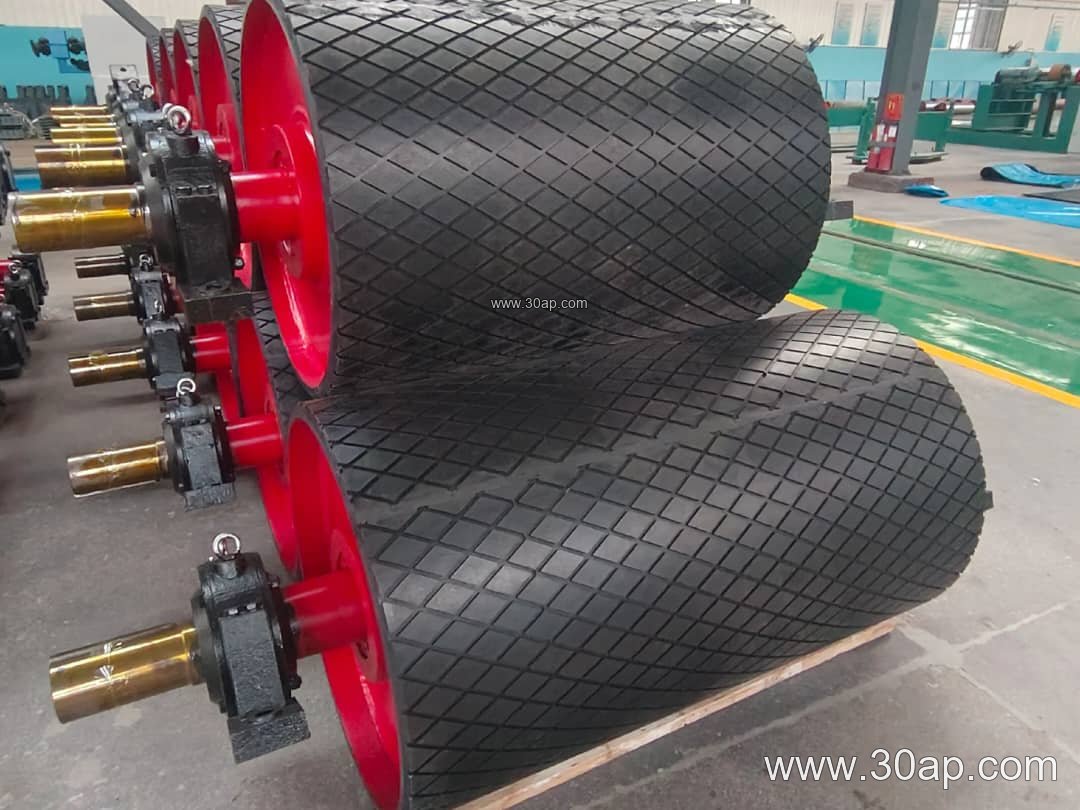
The pulley body is fabricated from rolled steel plate with welded end discs and a hub, then machined and balanced. Lagging is applied in one of two common ways. In the first, ceramic tiles with raised studs or dimples are vulcanized into a rubber sheet that is bonded to the shell. In the second, individual tiles are set into a cold-bonded polymer layer. Both approaches leave the ceramic proud of the backing, so the belt contacts hard wear-resistant islands while the flexible backing presses into the belt’s underside for grip.
Because the ceramic tiles carry the abrasion, the lagging holds its profile far longer than plain rubber in ore and aggregate service. Typical lagging thicknesses are 8, 10, 12, 15, or 20 mm, with thicker builds chosen for larger pulleys and harsher duty. The ceramic pattern is usually a plain studded or diamond arrangement; a chevron pattern is more often seen on rubber lagging for wet belts, and is a different surface choice from ceramic.
Where It Fits on the Conveyor
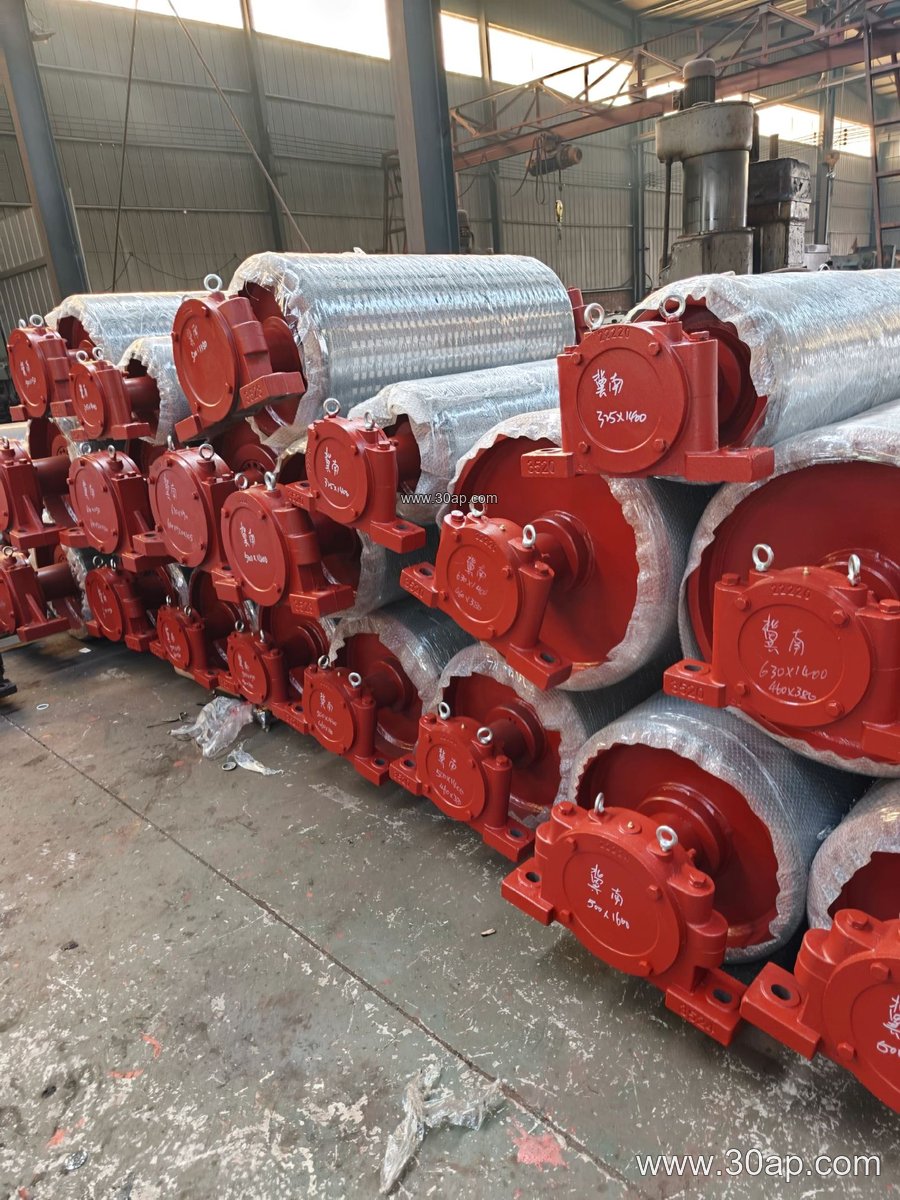
Ceramic lagging is most often specified on the drive pulley, which may also be the head or discharge pulley. It is sometimes used on a tension pulley where slip is a risk, but the tail pulley and snub or bend pulley normally do not need it. This distinction matters when ordering: a drive pulley, a tail pulley, and a bend pulley are not interchangeable, and each has its own load and traction requirement.
Typical installations include:
- Primary and secondary crushing circuits feeding a crusher conveyor
- Wash plants and coal preparation plants handling wet fines
- Cement plant clinker and raw meal conveyors
- Power plant coal handling and port bulk terminals
- Iron ore and copper ore transfer conveyors
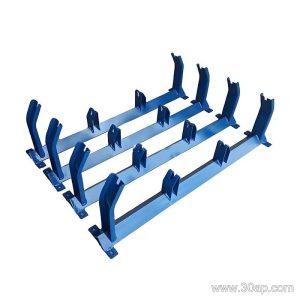
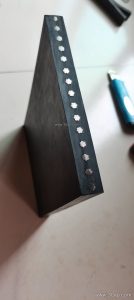
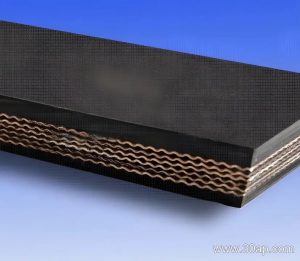
In these duties the pulley usually works with a heavy-duty mining conveyor belt, a flame retardant conveyor belt in underground coal service, or an abrasion resistant conveyor belt on sharp ore. The belt, the conveyor pulley, and the idler roller set all wear together, so the lagging choice should match the belt cover grade and the environment.
Common Reference Sizes
The table below lists reference values only. Final diameter and shaft size are set by belt tension, torque, and load, not by belt width alone.
| Belt width | Typical pulley face | Common diameters | Common shaft sizes |
|---|---|---|---|
| B650 | about 750 mm | Ø400, Ø500, Ø630 | Ø70, Ø80, Ø90 |
| B800 | about 950 mm | Ø500, Ø630, Ø800 | Ø80, Ø90, Ø100 |
| B1000 | about 1150 mm | Ø630, Ø800, Ø1000 | Ø100, Ø120, Ø140 |
| B1200 | about 1400 mm | Ø800, Ø1000, Ø1250 | Ø120, Ø140, Ø160 |
| B1400 | about 1600 mm | Ø800, Ø1000, Ø1250 | Ø140, Ø160, Ø180 |
| B1600 | about 1800 mm | Ø1000, Ø1250, Ø1400 | Ø160, Ø180, Ø200 |
Face width is normally slightly wider than the belt. A B1200 x Ø1000 combination and a B1400 x Ø800 combination are both realistic; neither width locks the pulley to a single diameter. Shaft diameter should always come from the torque and bearing load calculation.
Buying Notes
Check that the ceramic tile pattern suits the belt cover and the material being carried. Confirm the lagging bond method, because a properly vulcanized ceramic lagging lasts far longer than a field-applied patch. Ask how the pulley will be balanced and whether the hub and bearing housing match the conveyor bracket on site. Finally, match the pulley to the belt: a high strength conveyor belt carrying ore at high tension needs a larger shaft and heavier bearing than a fabric core conveyor belt on a short run. For a mining ceramic lagged pulley, traction and wear life are the payoff, so specify it where slip is a real risk rather than on every pulley in the line.