What a Head Bend Pulley Does on a Conveyor
A head bend pulley is a deflection roller mounted near the discharge end of a conveyor. Its job is not to drive the belt and not to set the tension at the tail; it guides the returning belt around a bend so the belt can reach the head drive pulley and then travel back along the return strand. In many layouts the head bend pulley, also called a head snub pulley, increases the wrap angle on the drive pulley, which improves traction without changing the drive itself. That is why engineers treat it as a distinct component from the drive pulley, the tail pulley and the ordinary bend pulley used elsewhere along the route.
Because it only redirects the belt, a head bend pulley is usually smaller and lighter than the drive pulley it serves. Still, it carries real load, and a poor choice shows up quickly as belt tracking problems, edge wear or premature bearing failure.
Construction and Surface Options
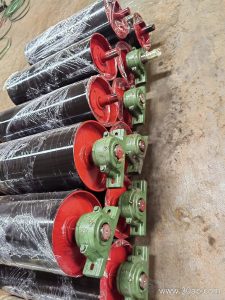
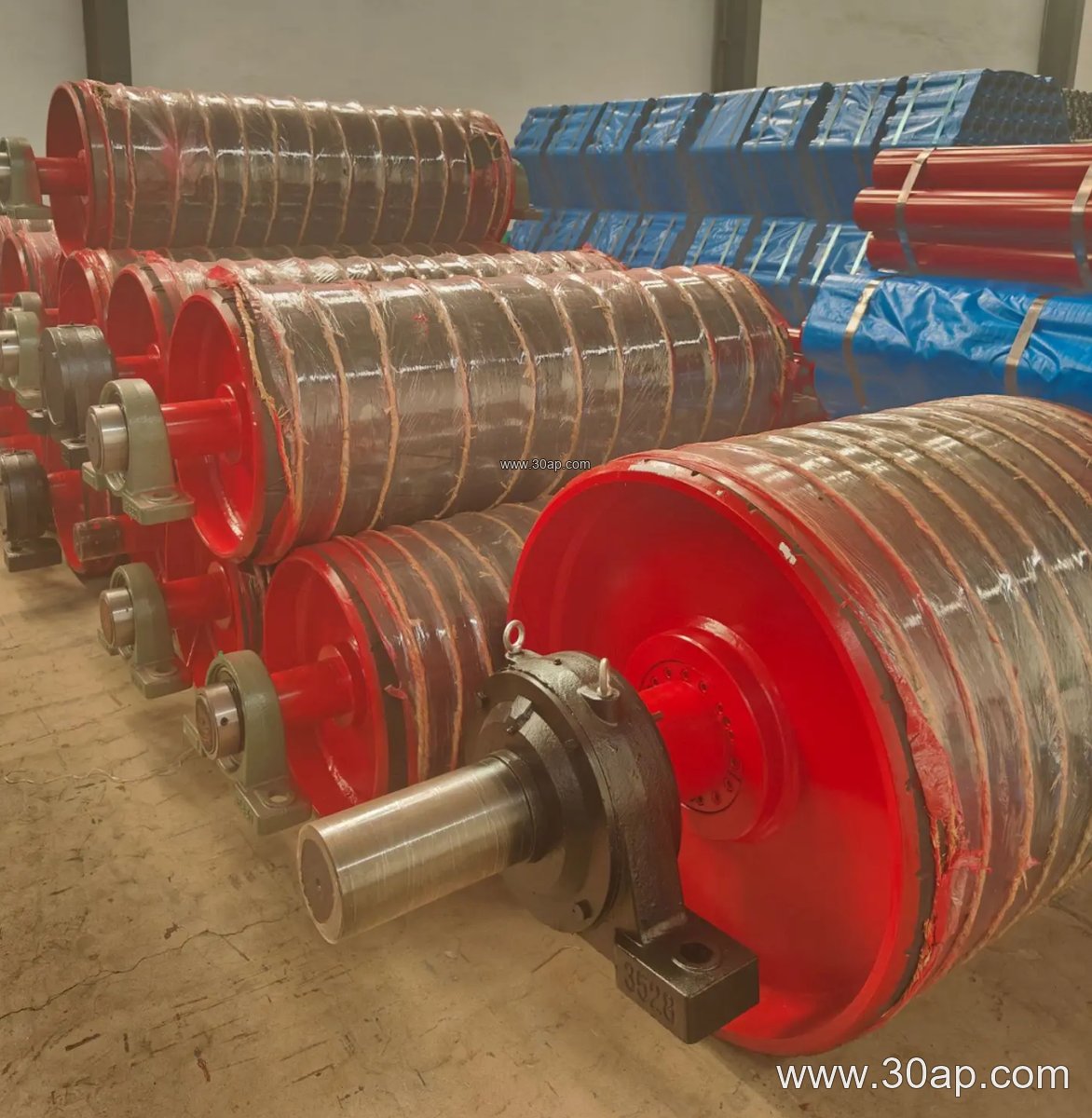
The pulley body is typically a welded steel drum with a machined face, fitted with a shaft, bearing housings and a lagging layer where grip or wear protection is needed. Common face widths follow the belt they serve, for example a B1200 belt normally runs on a drum face around 1400 mm, while a B800 conveyor often uses a face near 950 mm. Diameters are selected from the belt path geometry and the bending fatigue the belt can tolerate, so a B1200 head bend pulley might be built at Ø800 or Ø1000 depending on the layout.
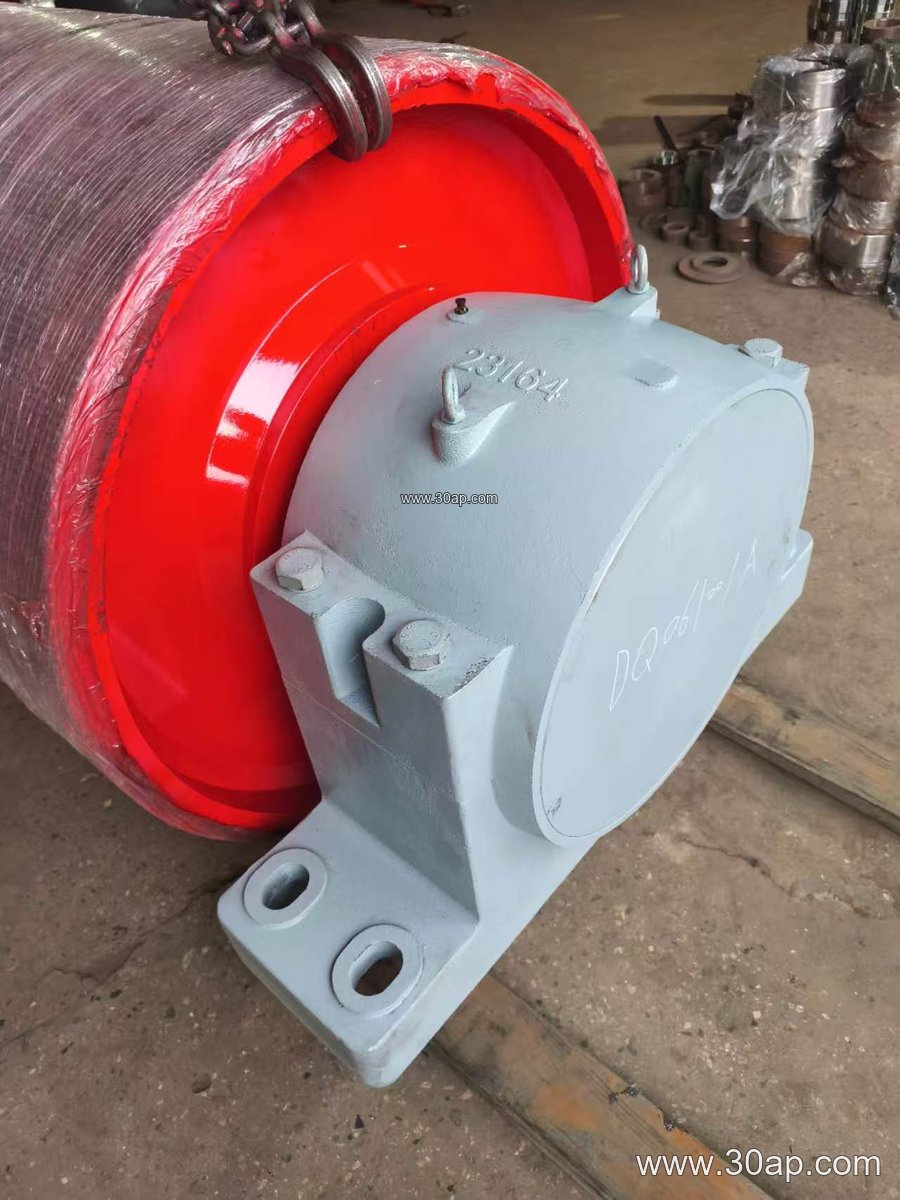
Surface treatment matters. Plain face is fine for light duty. Rubber lagging, either cold bonded or hot vulcanized, improves grip and protects the shell. Diamond or herringbone grooving helps shed water and fines, and ceramic lagging is chosen where abrasive dust is constant. Lagging thickness commonly ranges from 8 mm to 20 mm.
| Parameter | Common reference values |
|---|---|
| Belt width | B500, B650, B800, B1000, B1200, B1400, B1600, B1800, B2000 |
| Pulley diameter | Ø200, Ø250, Ø315, Ø400, Ø500, Ø630, Ø800, Ø1000, Ø1250 |
| Drum face width | About belt width plus 100 to 200 mm, e.g. B650 about 750 mm, B1000 about 1150 mm, B1400 about 1600 mm |
| Shaft diameter | Ø50, Ø60, Ø70, Ø80, Ø90, Ø100, Ø120, Ø140, Ø160, selected by torque and load |
| Lagging | Plain, rubber lagging, diamond, herringbone, ceramic; 8 to 20 mm thick |
These figures are reference ranges, not fixed pairings. A wider belt does not automatically dictate one shaft size, and shaft diameter should always follow the calculated torque and bearing load.
Where It Fits in the Plant
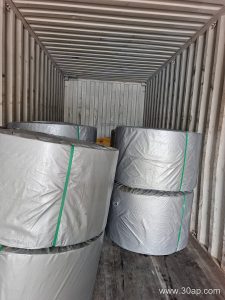
Head bend pulleys appear wherever a conveyor must fold its return path close to the head structure. In a quarry or aggregate line they keep the discharge zone compact, and in a coal handling system they help route the belt around the transfer tower. Power plant coal conveyors and cement plant clinker lines use them for the same reason. Because the pulley sits close to the discharge, dust and spillage are heavy, so a sealed bearing housing and wear resistant lagging are worth specifying. Matching the pulley with a suitable conveyor belt, whether an EP conveyor belt, a steel cord conveyor belt or a flame retardant conveyor belt for underground work, keeps the bend radius within the belt’s fatigue limits.
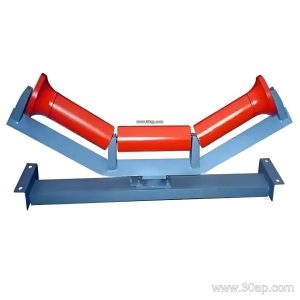
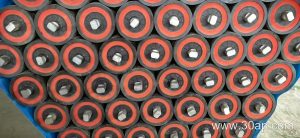
On a long overland system the head bend pulley also influences belt training. A slightly crowned or well aligned drum helps the belt stay centered, while poor alignment causes the belt to rub the conveyor bracket and chute. Inspecting the pulley together with the conveyor idler roller set on the return strand is a practical maintenance habit.
Selection Points for Buyers
- Confirm the function: this is a deflection pulley at the head, not a drive or tail pulley, so the load case differs.
- Check the belt path drawing for wrap angle and the minimum bend radius the belt maker allows.
- Specify lagging by environment: abrasive ore favors ceramic or thick rubber, wet coal favors grooved rubber.
- State the belt width and the required face width, and let the supplier confirm diameter and shaft size from torque data.
- Ask about balancing, bearing type and lubrication access, since these drive service life more than shell thickness.
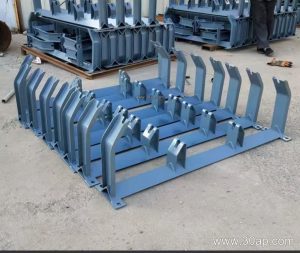
For a complete head station, the bend pulley should be ordered together with the drive pulley, the conveyor bracket set and the belt specification so the geometry is checked as one assembly rather than piece by piece.