What a Self-Aligning Idler Bracket Does
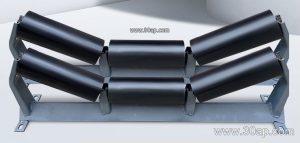
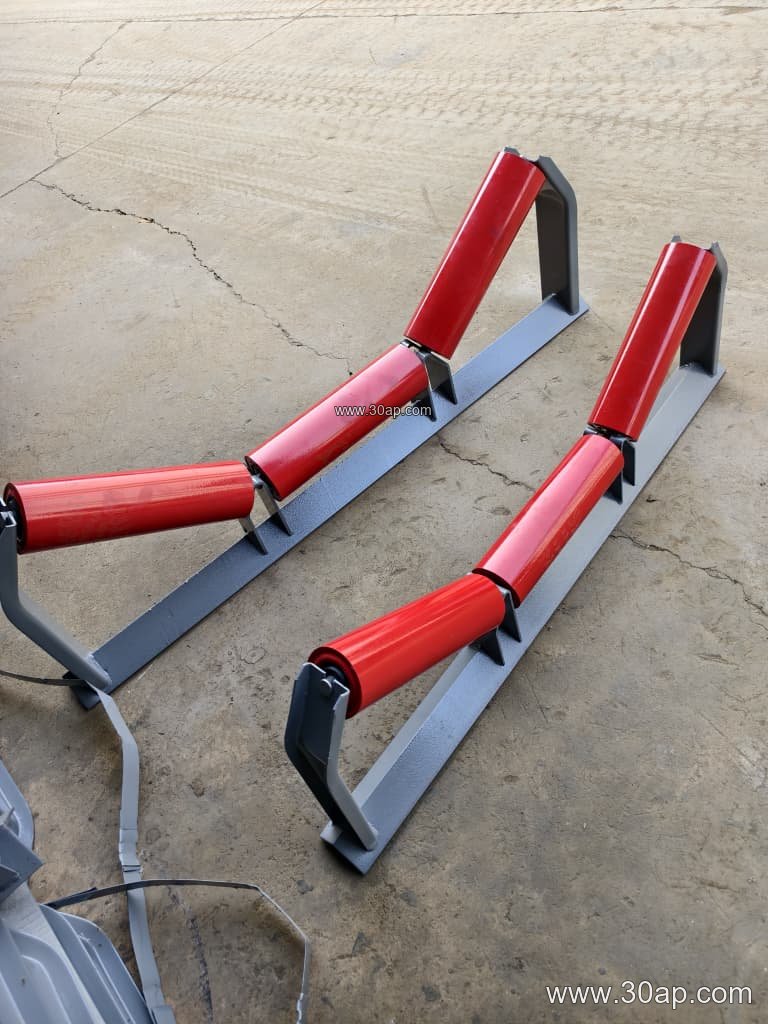
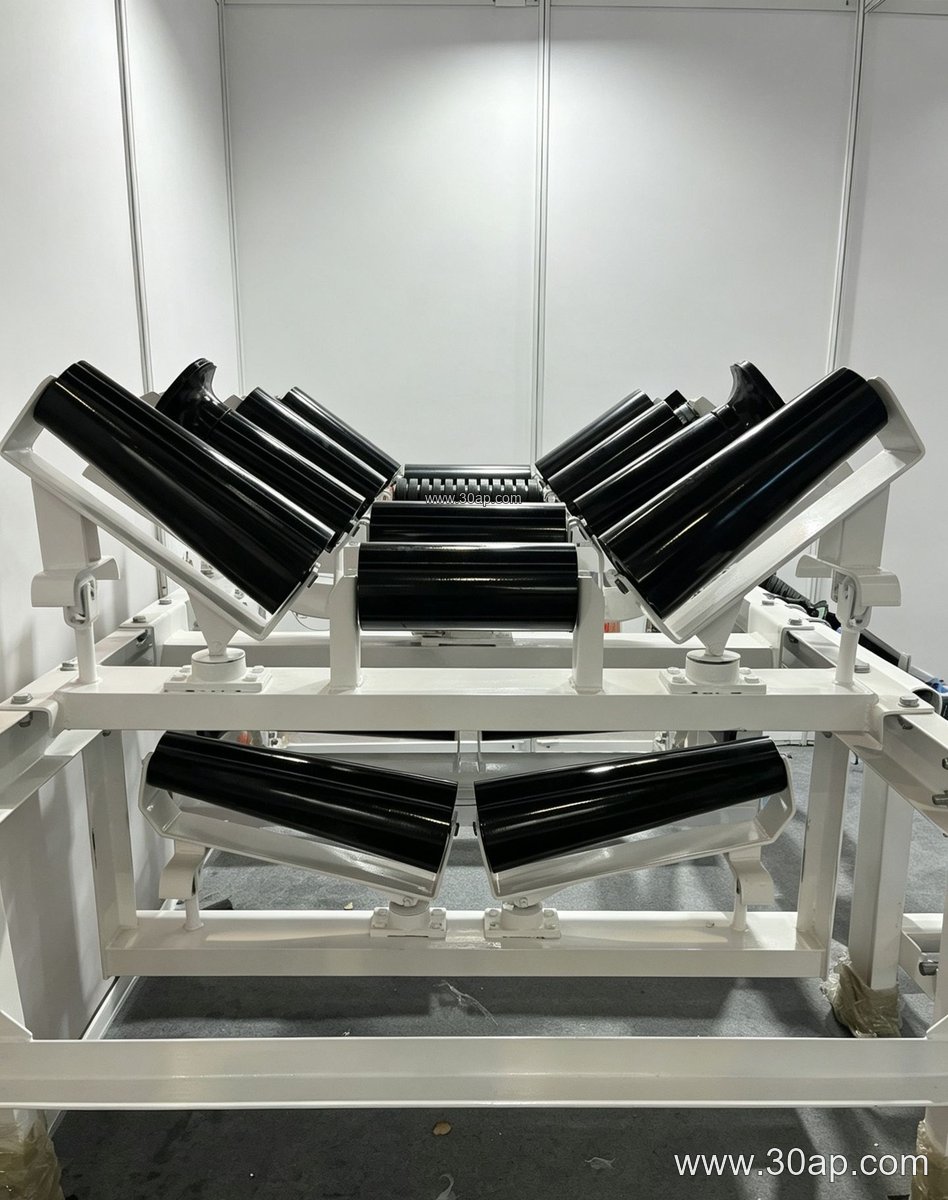
A self-aligning idler bracket is a pivoting support that holds the idler roller and automatically corrects belt misalignment. Unlike a fixed bracket, it allows the idler to swivel slightly around a vertical axis, so when the conveyor belt drifts to one side, the bracket responds and steers the belt back toward the center. This makes it a practical choice for quarries, coal preparation plants, and cement lines where uneven loading or sticky material often causes tracking problems. The bracket works together with the conveyor belt and the idler roller to keep the line running smoothly.
Construction and Key Features
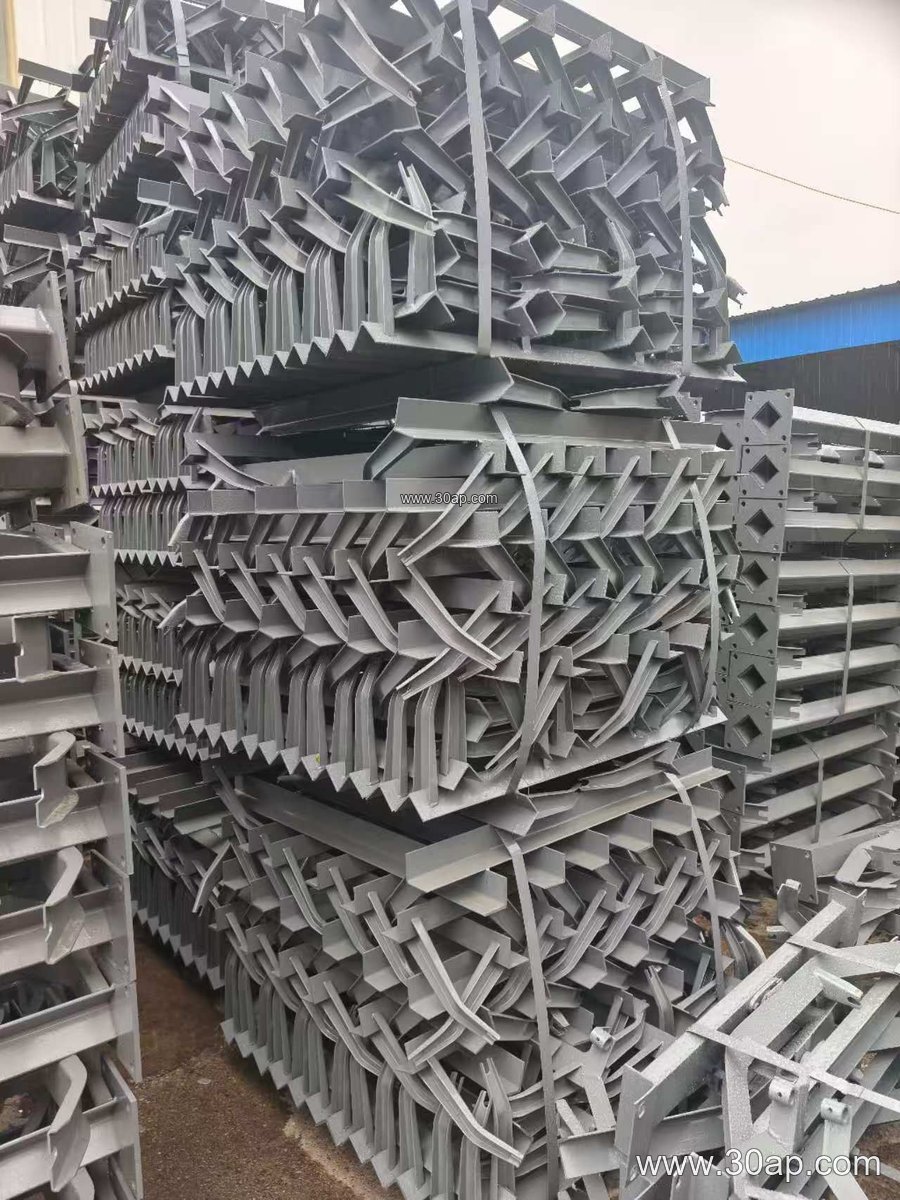
Most self-aligning idler brackets are fabricated from angle steel, channel steel, or folded steel plate. The pivot mechanism is the heart of the design: a vertical shaft or bearing assembly lets the bracket rotate a few degrees in either direction. A common arrangement includes a return arm or a small vertical roller that contacts the belt edge and triggers the corrective movement. The bracket is usually supplied with slotted mounting holes so it can be adjusted on site. Because the bracket must resist vibration and shock loading, the pivot area is often reinforced. Buyers should confirm the bracket material and pivot bearing type, as these affect service life in dusty or wet conditions.
Where It Fits on the Conveyor
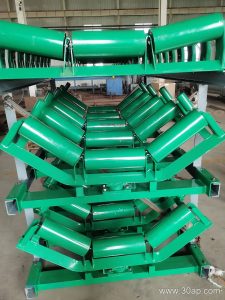
Self-aligning brackets are typically installed on the carrying side, often just after the loading point or before the head pulley, where misalignment is most likely. They can also be used on the return strand in combination with a V-type return bracket for additional control. In a typical bulk material conveyor belt system, you might find a self-aligning bracket paired with a 35-degree troughing idler on a B1000 belt, or with a 30-degree arrangement on a B800 line. The bracket is not a substitute for a bend pulley or a tail pulley; those components serve different purposes in the conveyor drive and tensioning system.
Common Configurations and Size Reference
The table below lists typical bracket and idler combinations. Values are for reference only and should be confirmed with the actual conveyor design. Belt width, trough angle, and roller diameter are matched according to the load and belt characteristics, not by a fixed rule.
| Belt Width | Trough Angle | Idler Diameter | Typical Bracket Use |
|---|---|---|---|
| B500 | 20° or 30° | Ø89 | Light-duty aggregate lines |
| B650 | 30° | Ø89 or Ø108 | Sand and gravel plants |
| B800 | 35° | Ø108 | Coal preparation, cement |
| B1000 | 35° or 45° | Ø108 or Ø133 | Iron ore, power plant coal |
| B1200 | 45° | Ø133 | Heavy-duty mining conveyors |
| B1400 | 45° | Ø159 | Large quarry and port systems |
| B1600 | 45° | Ø159 or Ø194 | High-capacity bulk handling |
Adjustable brackets allow the trough angle to be set between common values such as 20°, 30°, 35°, and 45°. Forward-leaning brackets, often set at about 1.5° to 2°, are a related design used for gentle self-centering. Installation hole spacing and crossbeam length change with belt width and trough angle, so these should be taken from the conveyor drawing rather than assumed.
Selection and Maintenance Tips
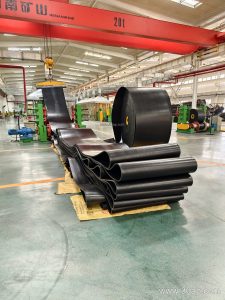
When choosing a self-aligning idler bracket, match the bracket load rating to the idler roller and the conveyor belt tension. Check that the pivot moves freely before installation and that the bracket sits square to the belt centerline. In dusty environments such as a limestone mine or a fertilizer plant, keep the pivot area clean and inspect for wear at regular intervals. A bracket that sticks will not correct tracking and may cause edge damage. For conveyors carrying abrasive material, consider a bracket with reinforced pivot points and pair it with an abrasion resistant conveyor belt to reduce overall wear. If the belt is a heavy-duty mining conveyor belt or a steel cord conveyor belt, confirm that the bracket and idler assembly can handle the higher tension and weight. Self-aligning brackets are also useful on pipe conveyor belt systems where belt rotation must be controlled, though the bracket design may differ from standard troughing units.
Buyer Checklist
- Confirm belt width and trough angle from the conveyor layout.
- Select idler diameter that matches the existing roller series.
- Verify bracket material and pivot bearing suitability for the site conditions.
- Ask for installation dimensions rather than relying on general tables.
- Plan a simple inspection routine for pivot movement and belt tracking.
For more information on conveyor components and belt selection, visit our site at www.example.com/conveyor-idler-bracket and www.example.com/self-aligning-bracket. A well-matched self-aligning idler bracket helps protect the conveyor belt, reduces downtime, and keeps material moving in quarries, coal mines, cement plants, and power stations.