What a Servo-Controlled Belt Tracker Does
A servo-controlled belt tracker is an active belt alignment device that detects a conveyor belt drifting away from its intended path and corrects it with a motorized, servo-driven actuating unit. Instead of waiting for a belt to rub a structure or spill material, the tracker monitors belt position and responds in a controlled way. In a quarry, cement plant, coal preparation facility, or power plant coal yard, this kind of closed-loop correction helps protect the belt edge, the conveyor pulley surfaces, and the idler roller frames from uneven wear.
The device is often described by its functional equivalent, a servo-driven automatic belt alignment system, because its defining feature is the servo loop: sensor feedback, controller logic, and a steering action that moves a roller or frame assembly. It is not simply an idler roller with a crowned profile.
How the Correction Loop Is Built
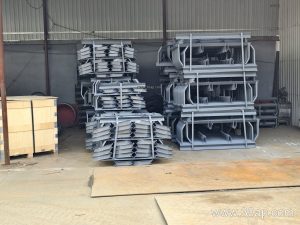
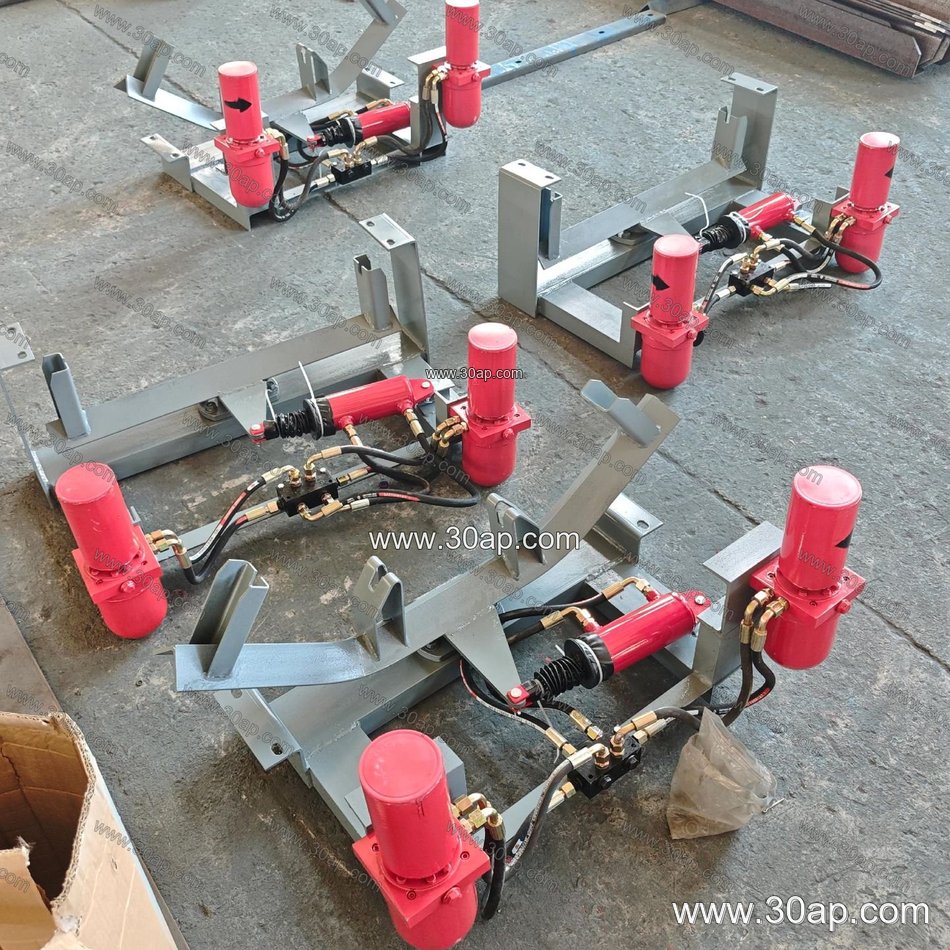
The tracker usually combines four elements: a position sensor or edge-detection probe, a servo motor or servo actuator, a steering frame carrying alignment rollers, and a control cabinet that processes feedback. When the sensor reports a drift, the controller commands the actuator to angle the steering rollers slightly. The belt then migrates back toward the center line. Because the movement is driven and measured, the correction can be gentler than a purely mechanical reaction and can be tuned to the belt speed and load.
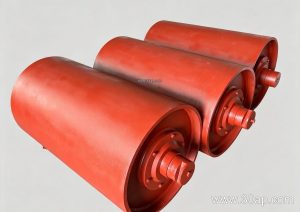
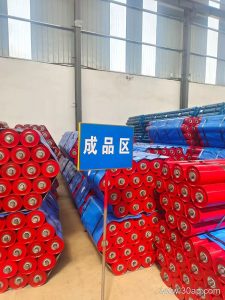
On the mechanical side, the tracker must fit the conveyor bracket and frame without interfering with the existing carrying or return idlers. The steering assembly is commonly installed on the carrying run near a transfer point or on the return run where belt wander is persistent. It should not be confused with the drive pulley, tail pulley, or bend pulley, which serve different functions in the conveyor layout and are not interchangeable with alignment hardware.
Where It Fits in Bulk Handling
Belt wander appears in many bulk material operations: underground coal mining conveyors, iron ore and copper ore handling, aggregate and crusher discharge lines, port ship-loading systems, and cement plant clinker routes. A servo-controlled tracker is most valuable where the belt carries variable loads, where reversing or multi-point loading makes alignment difficult, or where edge damage is expensive to repair.
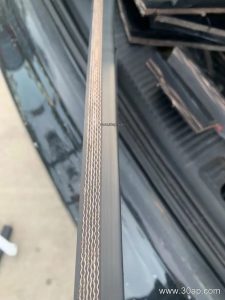
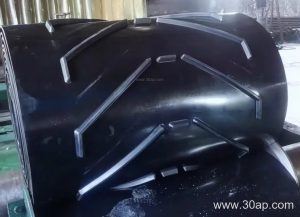
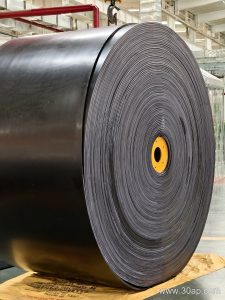
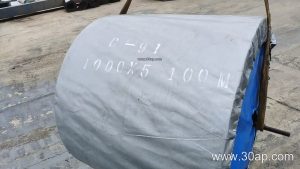
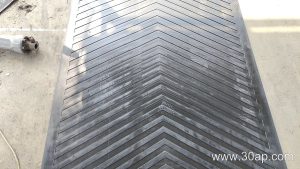
The surrounding belt construction matters. A heavy-duty mining conveyor belt or a steel cord conveyor belt behaves differently from a lightweight fabric core belt, and a chevron conveyor belt or corrugated sidewall belt may need different roller contact and clearance. The tracker itself should be selected for the belt width, speed, and splice condition rather than treated as a universal fix. For example, an 800 mm or 1200 mm belt on a coal mining conveyor belt may need a different steering frame than a 2000 mm wide conveyor belt at a port terminal.
Selection Details Buyers Should Confirm
Purchasing a servo-controlled belt tracker starts with the conveyor layout. Useful information includes the belt width, belt type, running direction, whether the unit goes on the carrying or return side, and the available mounting space. The table below shows the kind of reference data that may appear in a project discussion; actual values must come from the selected product data and confirmed drawings.
| Item | Typical project reference | Why it matters |
|---|---|---|
| Belt width | 650 mm, 800 mm, 1000 mm, 1200 mm, 1600 mm, 2000 mm | Sets roller length and frame clearance |
| Belt construction | EP conveyor belt, NN conveyor belt, steel cord belt, PVG belt | Affects stiffness and steering response |
| Installation position | Carrying run or return run | Determines frame and sensor arrangement |
| Drive and control | Servo actuator with position feedback | Defines the correction method |
Buyers should also ask how the controller handles loss of signal, manual override, and start-up. Belt tracking problems often involve more than one cause, including off-center loading, seized idler rollers, misaligned pulleys, or a skewed splice. A servo tracker corrects drift, but it does not replace proper installation and maintenance of the conveyor structure.
Maintenance and Safe Checks
Routine checks should confirm that the sensor lens is clean, the steering frame moves freely, and the servo actuator responds without binding. Belt edge condition and idler roller rotation deserve attention as well, since a worn edge or a dragging roller can keep a tracker working harder than necessary. Before any inspection near moving parts, stop the conveyor, isolate the energy source, and lock out the drive. Observe belt behavior only from a safe position.
For plants handling abrasive or dusty material, a flame retardant conveyor belt or abrasion resistant conveyor belt may be part of the same conveyor system, and the tracker selection should reflect that environment. When requesting a quotation, provide the belt width, belt type, conveyor drawing, running direction, and a description of the drift pattern. That information helps match a servo-controlled belt tracker to the actual duty rather than to an assumed standard size.