What Makes a Fire Resistant Conveyor Belt Different
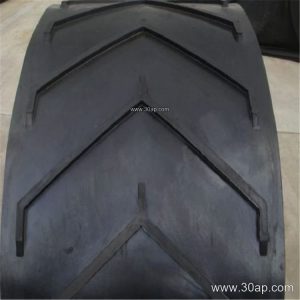
A fire resistant conveyor belt is a specialized rubber conveyor belt designed to resist ignition and limit flame spread in environments where heat, sparks, or combustible materials are present. Unlike standard belts, its rubber compound and construction are formulated to self-extinguish or slow the propagation of fire, making it a critical component in mining, coal handling, power generation, and other industrial settings where safety is paramount.
This belt is often referred to as a flame retardant conveyor belt, and the two terms are used interchangeably for the same product category. The core distinction lies in the cover compound and the overall belt design, which must meet specific fire safety criteria while still delivering reliable tension and load support.
Construction and Key Components
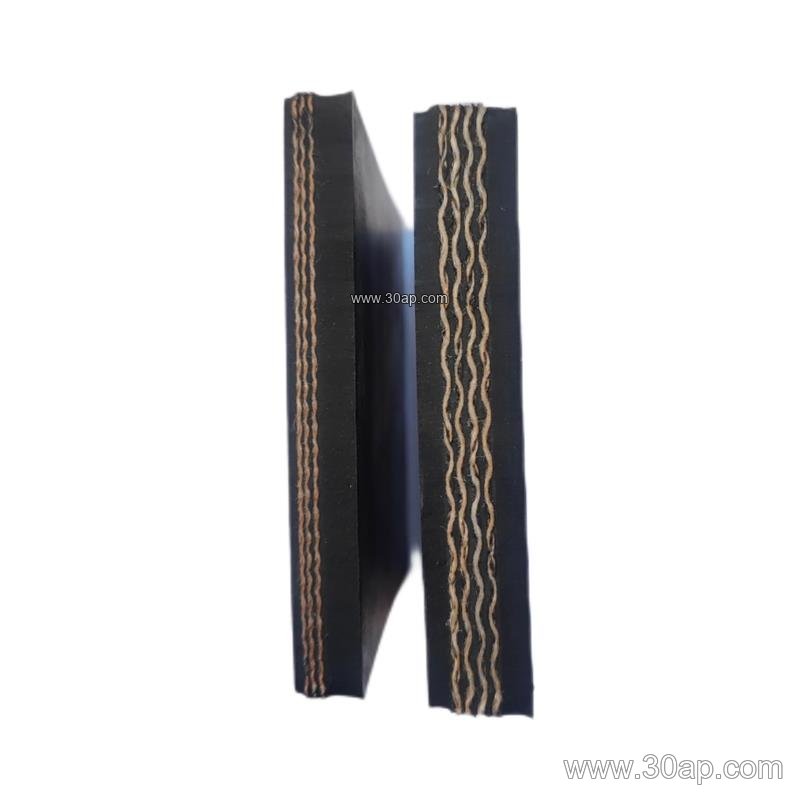
The construction of a fire resistant conveyor belt typically involves a fabric core or steel cord carcass, covered with rubber layers that include fire-retardant additives. Common carcass types include EP (polyester-cotton) and NN (nylon-nylon) fabrics, as well as steel cord for high-tension applications. The cover rubber is formulated with halogenated or non-halogenated flame retardants, and the belt may also incorporate anti-static properties to prevent spark generation.
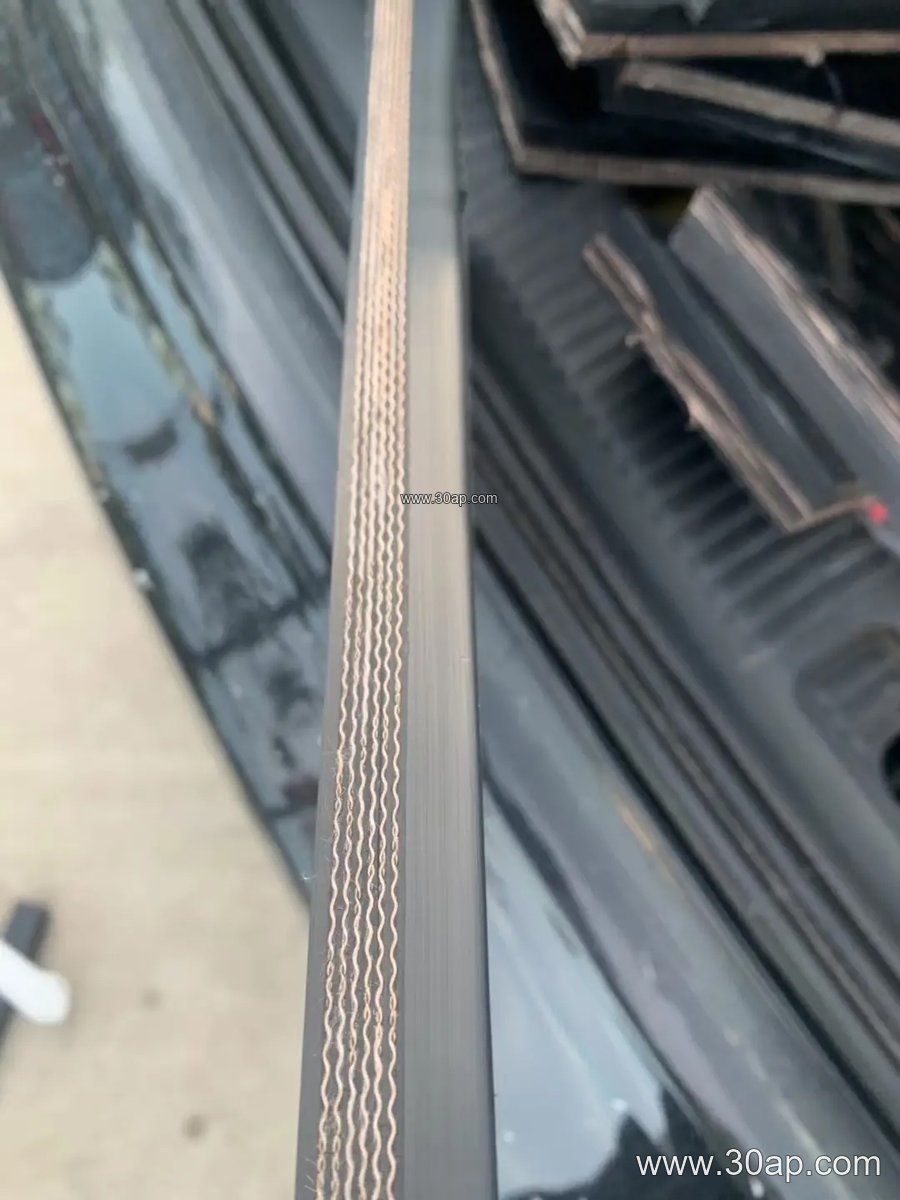
Typical constructions include:
- Carcass: EP or NN fabric, 2 to 6 plies, or steel cord for heavy-duty demands.
- Cover rubber: Fire-resistant compound, often with anti-static additives.
- Edge construction: Cut or molded edges to suit pulley and idler roller interaction.
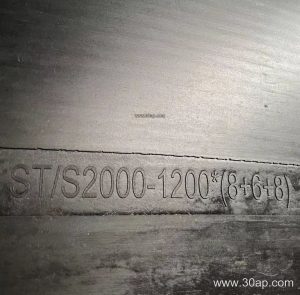
For example, an EP1000 fire resistant conveyor belt with a 4+2 mm cover and 3 plies might be used in a coal mining conveyor system, while a steel cord variant such as ST1600 could be specified for high-capacity ore transport. These are common configurations, but actual belt design should always be confirmed with the manufacturer based on the specific conveyor pulley arrangement and load requirements.
Where Fire Resistant Belts Are Used
Fire resistant conveyor belts are essential in industries where the risk of fire is elevated. Key applications include:
- Coal mining and underground coal mining: Transporting coal where methane and coal dust create explosion hazards.
- Power plants: Handling coal and biomass fuels.
- Cement plants and quarries: Moving raw materials and clinker in hot environments.
- Steel plants and foundries: Conveying hot sinter, coke, or slag.
- Ports and ship loading: Bulk material handling where fire safety regulations apply.
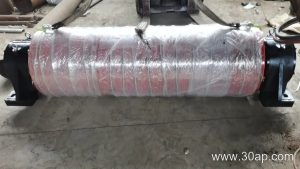
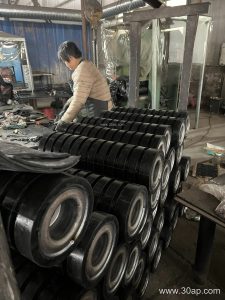
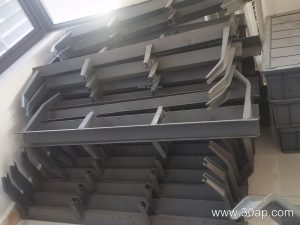
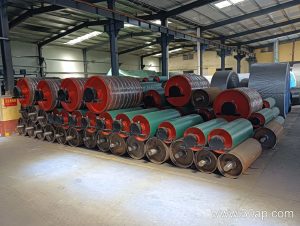
In these settings, the belt works alongside conveyor pulleys, idler rollers, and conveyor brackets to form a complete material handling system. The fire resistant belt is often part of a broader safety strategy that includes anti-static belts, heat resistant conveyor belts, and proper grounding.
Specifications and Sizing Considerations
Fire resistant conveyor belts are available in a range of strengths, widths, and cover thicknesses. The table below outlines common reference values; these are not universal specifications and should be verified for each project.
| Parameter | Common Range / Examples |
|---|---|
| Belt width | B500, B650, B800, B1000, B1200, B1400, B1600, B1800, B2000 |
| Fabric core strength | EP200, EP315, EP400, EP500, EP630, EP800, EP1000, EP1250, EP1600, EP2000 |
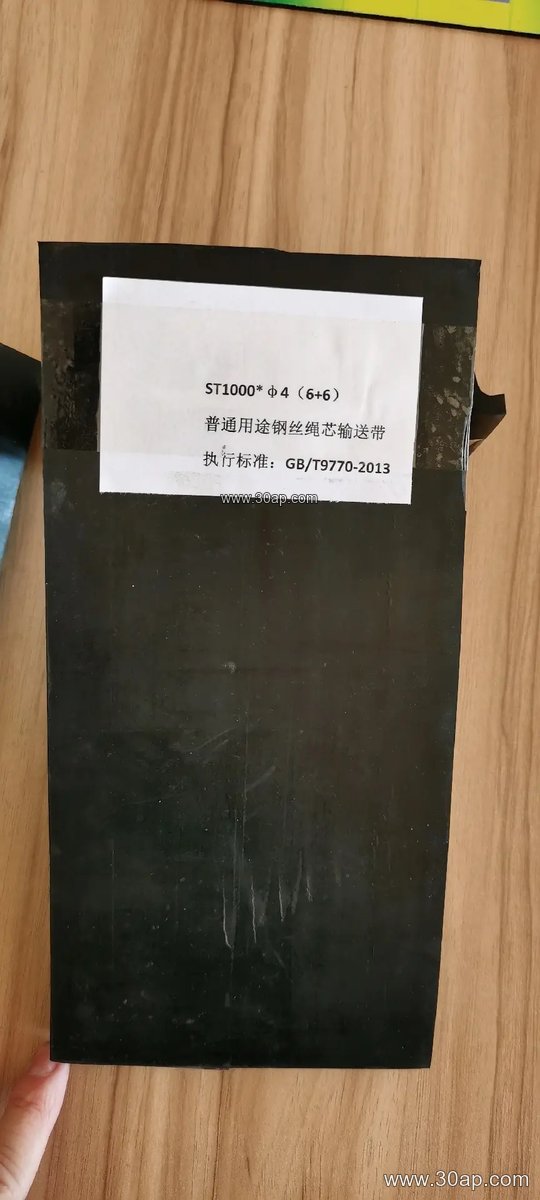
| Steel cord strength | ST1000, ST1250, ST1600, ST2000, ST2500, ST3150 (where fire resistance is required) |
| Cover thickness | 3+1.5 mm, 4+2 mm, 5+2 mm, 6+2 mm, 8+3 mm |
| Number of plies | 2 to 6 (fabric core) |
When selecting a belt, consider the conveyor pulley diameters, the idler roller spacing, and the overall tension. A wider belt such as 1800mm may be paired with larger pulleys to reduce bending stress, but there is no fixed rule linking one belt width to one pulley diameter. The belt width and pulley size must be matched according to the conveyor design and the belt manufacturer’s recommendations.
Other useful variants for specific conditions include the abrasion resistant conveyor belt for abrasive materials, the heat resistant conveyor belt for high-temperature loads, and the oil resistant conveyor belt where oil contamination is a concern. These are separate products and should not be substituted for fire resistance unless specifically designed to meet both requirements.
Buyer Checklist for Fire Resistant Conveyor Belts
Before purchasing a fire resistant conveyor belt, gather the following information:
- Required fire safety standard or test method (e.g., MSHA, ISO, or local regulations).
- Belt width and strength class (EP or ST) based on maximum load and tension.
- Cover thickness and rubber quality for the material being conveyed.
- Environmental factors: temperature, presence of oil or chemicals, and static electricity risk.
- Compatibility with existing conveyor pulleys, idler rollers, and brackets.
Always request test reports and certificates from the supplier to confirm fire resistance and anti-static properties. Avoid assuming that a standard rubber conveyor belt will perform safely in a fire-risk area; the fire resistant conveyor belt is a distinct product with specific compound and construction requirements.
For more information on fire resistant conveyor belts and related components such as conveyor pulleys and idler rollers, consult experienced suppliers who can provide application-specific guidance.