What a Conveyor Belt Tracker Does
A Conveyor Belt Tracker Poland is a specialized assembly designed to automatically correct belt misalignment on industrial conveyors. Often called a belt alignment tracker or self-aligning idler station, this equipment continuously monitors belt position and applies corrective force to bring the belt back to the center of the conveyor structure. In Poland’s mining, cement, and power plant sectors, where conveyors run long distances and handle abrasive materials, a reliable tracker is essential for reducing edge damage, spillage, and downtime.
Construction and Working Principle
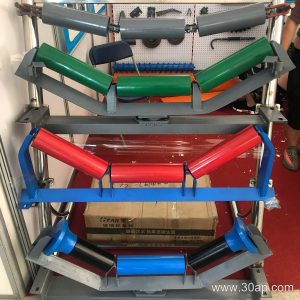
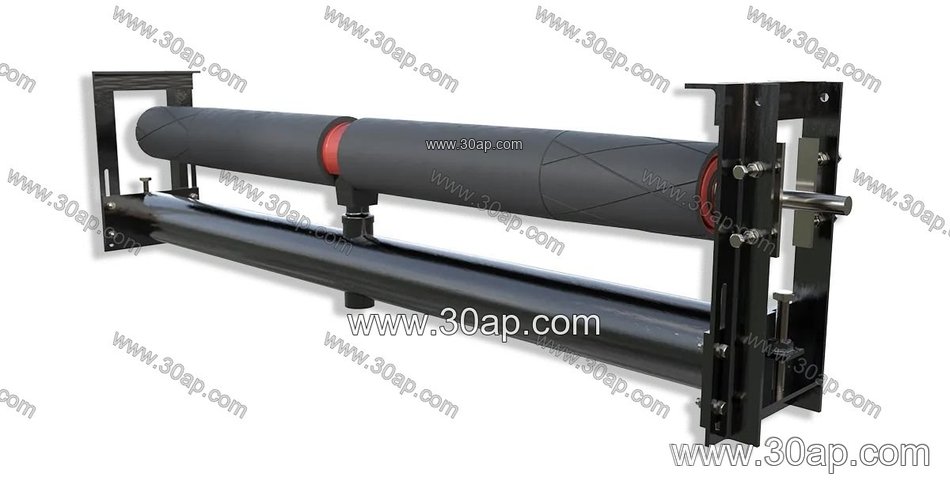
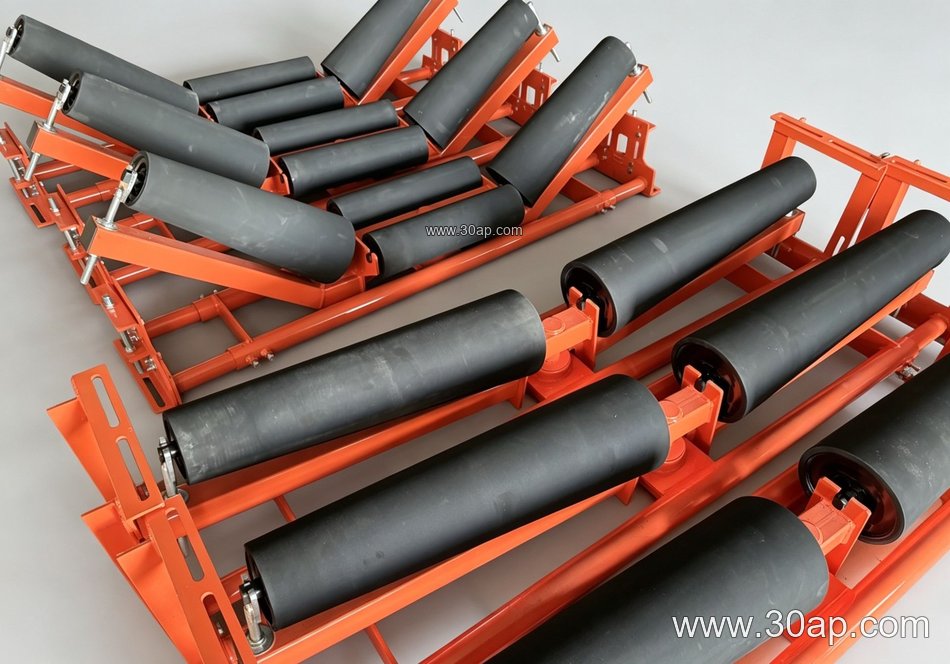
Most trackers use a pivoted frame carrying several idler rollers. When the belt drifts to one side, it contacts a vertical guide roller or sensor roller, which pivots the frame. The skewed rollers then generate a lateral force that steers the belt back. Common designs include mechanical linkage, hydraulic, and electric variants, but all share the goal of passive or active realignment. The tracker is typically installed on the carrying side, return side, or both, depending on the conveyor layout.
Key components include:
- Pivot frame with sealed bearings
- Guide rollers or sensing rollers
- Idler rollers (often impact or troughing type)
- Mounting brackets compatible with the conveyor stringer
For harsh environments, trackers may feature corrosion-resistant coatings and dust-protected bearings. In coal mining and aggregate plants, the tracker must withstand high dust loads and occasional impact from large lumps.
Where It Is Used
Conveyor belt trackers are deployed across many industries in Poland:
- Mining and coal preparation: Underground and surface conveyors handling coal, ore, or waste rock.
- Cement and lime plants: Clinker and raw material transport where belt wander causes spillage.
- Power plants: Coal and biomass feed lines requiring continuous operation.
- Quarries and aggregate yards: Crusher discharge and stockpile conveyors.
- Ports and bulk terminals: Ship loading and unloading systems.
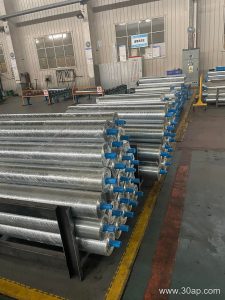
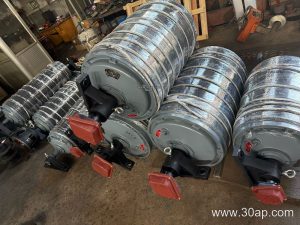
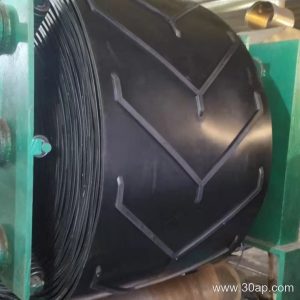
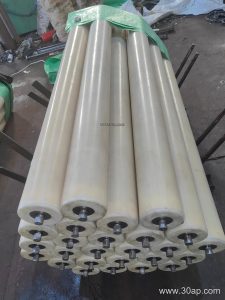
In these settings, a tracker works alongside the conveyor belt, idler roller, and conveyor pulley to maintain stable tracking. It is not a substitute for proper belt splicing or adequate tension, but it helps manage the dynamic misalignment that occurs during operation.
Selection and Sizing Considerations
Choosing the right tracker for a Polish installation requires more than matching belt width. Buyers should provide:
- Belt width (e.g., 800 mm, 1000 mm, 1200 mm, 1400 mm)
- Belt type and construction (e.g., EP Conveyor Belt, Steel Cord Conveyor Belt, Flame Retardant Conveyor Belt)
- Conveyor speed and running direction (one-way or reversible)
- Location: carrying or return side, trough or flat
- Available mounting space and stringer dimensions
- Environmental conditions: dust, moisture, temperature, corrosion
Note that belt width alone does not determine roller diameter, shaft size, or bracket hole spacing. These must be confirmed against the conveyor frame drawing. A tracker for a 1200mm wide conveyor belt may differ significantly from one for a 2000mm wide belt in terms of frame strength and roller size.
Maintenance and Troubleshooting
Regular inspection keeps trackers effective. Check pivot points for free movement, guide rollers for wear, and bearings for contamination. In dusty plants, clean accumulated material from the frame to prevent binding. If the belt still misaligns after installing a tracker, investigate other causes such as off-center loading, seized idlers, or pulley misalignment. Remember that drive, tail, and bend pulleys each have specific alignment requirements and are not interchangeable with tracker components.
Safety first: always lock out and tag out the conveyor before adjusting or servicing any tracker. Never attempt to touch moving parts during operation.
Buying Guide for Polish Industry
When sourcing a Conveyor Belt Tracker Poland, request documentation on the tracker’s compatibility with your belt width and conveyor structure. For high-abrasion applications like iron ore or copper ore handling, consider trackers with reinforced rollers. In underground coal mining, flame retardant and anti-static properties may be required for all components. The tracker should be selected as part of the overall conveyor system, not as an isolated add-on. Work with a supplier who can review your conveyor layout and recommend the appropriate model, whether mechanical, hydraulic, or electric. For more information on related conveyor components such as conveyor idler roller, conveyor pulley, and conveyor bracket, consult our technical team.