What an Energy-Harvesting Belt Tracking System Does
An energy-harvesting belt tracking system is a self-powered alignment device that keeps a conveyor belt centered on its pulleys and idlers while generating the electricity it needs from the belt’s own motion. Instead of relying on an external power feed or manual adjustment, the unit converts a small portion of the kinetic energy of the moving belt into usable power for its sensors, controller and actuator. This makes it attractive in remote sections of a plant where cable routing is difficult, such as a head-end transfer tower, a stockyard discharge point or a long overland run in a quarry.
The concept is closely related to a 输送带纠偏器, the Chinese term for a belt deviation corrector, but the distinguishing feature here is the onboard energy source. The system still performs the core tracking job: detect drift, apply a correcting force, and return the belt to its proper path.
How the Unit Is Built
A typical assembly combines four functional blocks. A sensing element, often a probe roller or edge sensor, watches belt position. A small generator, driven by a friction wheel or a rotating idler roller, harvests power. A controller with a small supercapacitor or battery buffer manages the signal. Finally, a correcting mechanism, usually a pivoting tracking frame or a pair of angled rollers, steers the belt back.
Mechanical parts must survive dust, moisture and vibration. Bearings are sealed, housings are rugged, and the energy module is sized to match the belt speed rather than the plant’s electrical grid. Because the device is self-contained, it can be retrofitted to an existing conveyor bracket without a new cable run.
Where It Fits in Bulk Handling
Mines, coal preparation plants, cement kilns, power station coal yards, steel sinter lines and aggregate quarries all run long belts that are prone to misalignment after loading changes, structure settlement or idler wear. A self-powered tracker suits sections where access is limited or where adding conduit is costly. It is especially useful on the return strand and on conveyors handling abrasive or wet material, where a wandering belt can quickly damage edges.
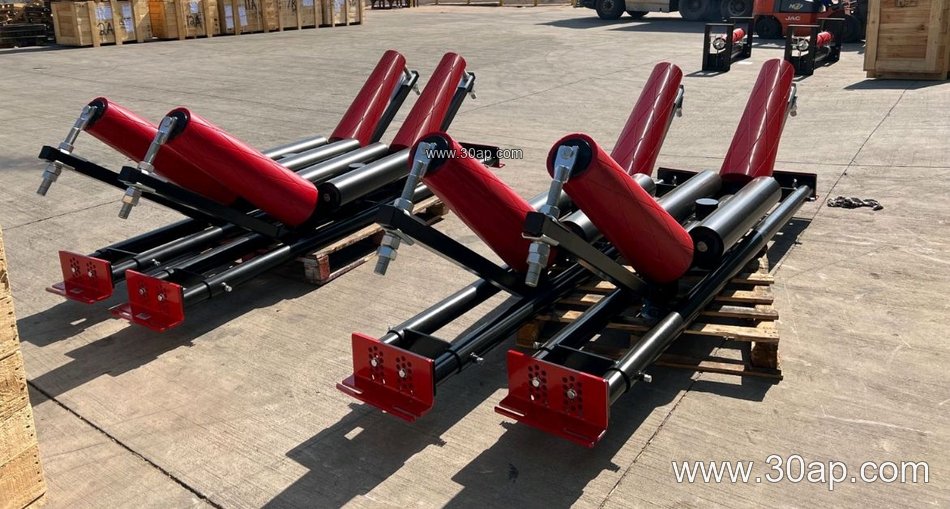
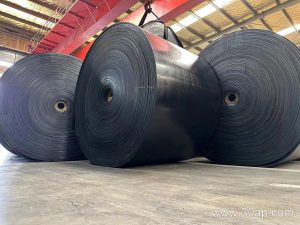
Users often pair it with a rubber conveyor belt or an EP conveyor belt on medium-duty lines, and with a steel cord conveyor belt on high-tension main haulage. The tracker does not replace good belt training practice, but it reduces the need for frequent manual correction.
Parameters Buyers Should Confirm
No single size fits every conveyor. The table below lists the kind of data a supplier will normally ask for; values are examples of the information category, not a supply list.
| Item | What to confirm |
|---|---|
| Belt width | e.g. 800 mm, 1000 mm, 1200 mm, 1600 mm, 2000 mm |
| Belt speed | Operating range, since the harvester depends on it |
| Position | Carrying or return strand |
| Direction | Single direction or reversible |
| Belt type | Fabric core, steel cord, chevron or corrugated sidewall |
| Mounting | Frame dimensions and available space |
| Environment | Dust, moisture, temperature, corrosion |
Belt width alone does not fix pulley diameter, shaft size or the number of tracking stations. Those depend on tension, load and frame design. A 1200 mm wide conveyor belt may use quite different hardware from another line of the same width.
Selection and Maintenance Notes
- Check that the generator output matches the controller’s needs at the lowest expected belt speed.
- Keep the sensing roller clean; buildup can mimic a tracking error.
- Inspect the friction drive for wear and confirm it does not slip on a wet belt.
- Confirm that the correcting frame does not conflict with existing conveyor pulleys or a bend pulley assembly.
- For hazardous areas such as underground coal mining, verify flame retardant and anti-static properties of nearby belting and the suitability of the electronics.
During installation, stop and lock out the conveyor before touching any moving part. Observe tracking only from a safe position while running. A tracker cannot compensate for a skewed splice, off-center loading or a seized idler roller, so those causes should be corrected first.
Buying Checklist
Provide the belt width, speed, running direction, strand, belt construction, frame drawing and a description of the drift pattern. Buyers comparing options should ask how the unit behaves at low speed, whether it can be serviced without removing the belt, and what spare parts are recommended. A well-matched energy-harvesting belt tracking system can reduce downtime and manual adjustments, but it works best as part of a complete alignment and maintenance program.