What a Fixed Conveyor Bracket Does on the Line
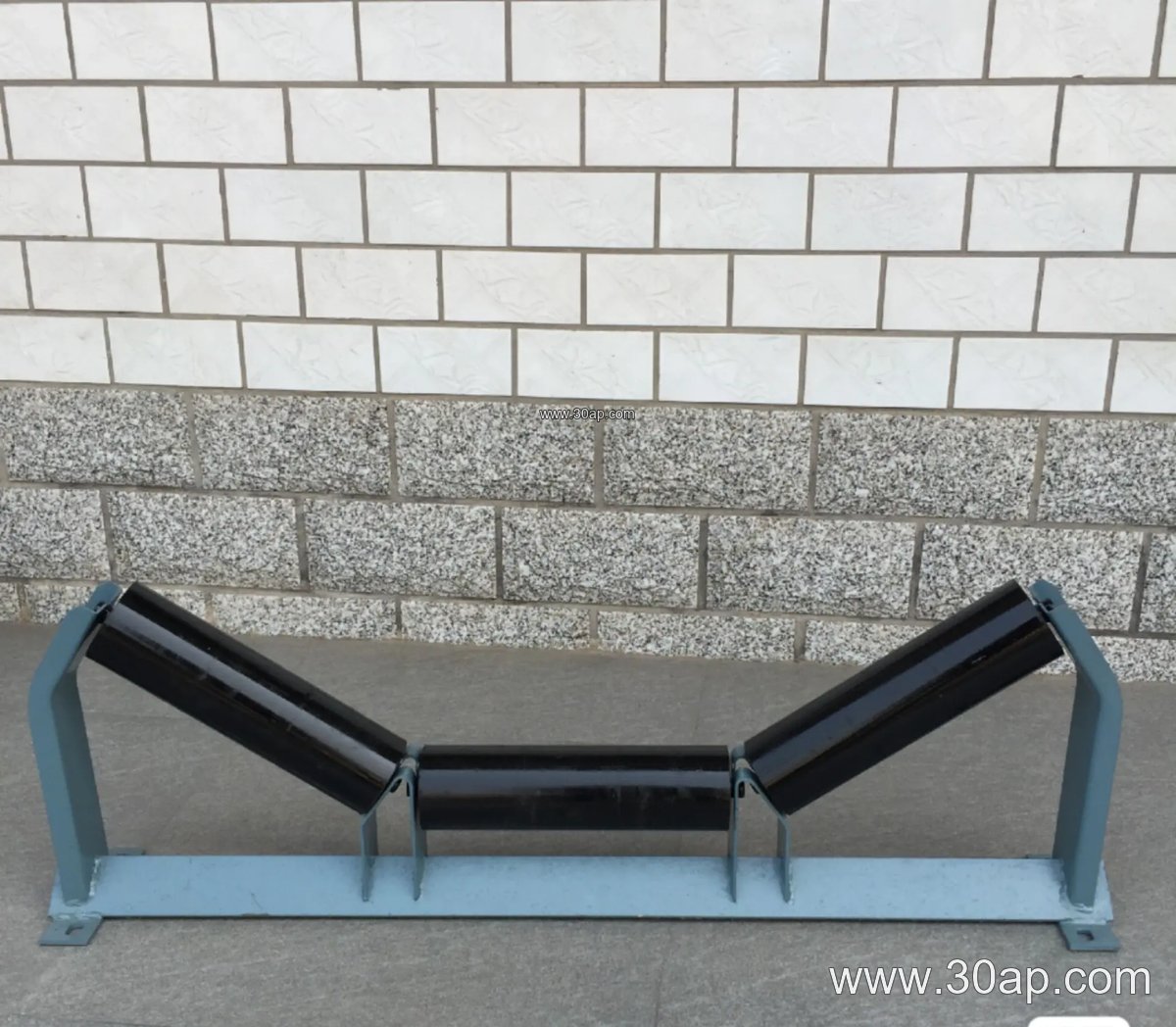
A fixed conveyor bracket is the non-adjustable steel support that holds idler rollers at a set position under the belt. Once bolted or welded to the conveyor frame, it keeps the trough angle, roller spacing and belt line constant, so the conveyor belt runs on a predictable path. In a quarry or a cement plant, this steady geometry is what keeps material centred and reduces spillage between transfer points.
Because the bracket position does not move after installation, it suits sections where the belt profile is already confirmed. Where field changes are expected, an adjustable bracket is often chosen instead; the fixed version is kept for straight runs and standard troughs.
How the Bracket Is Built
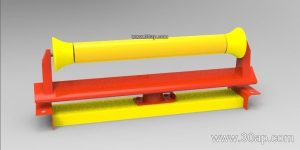
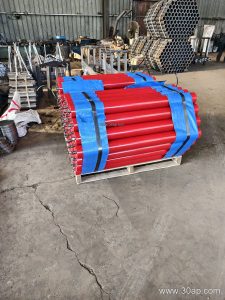
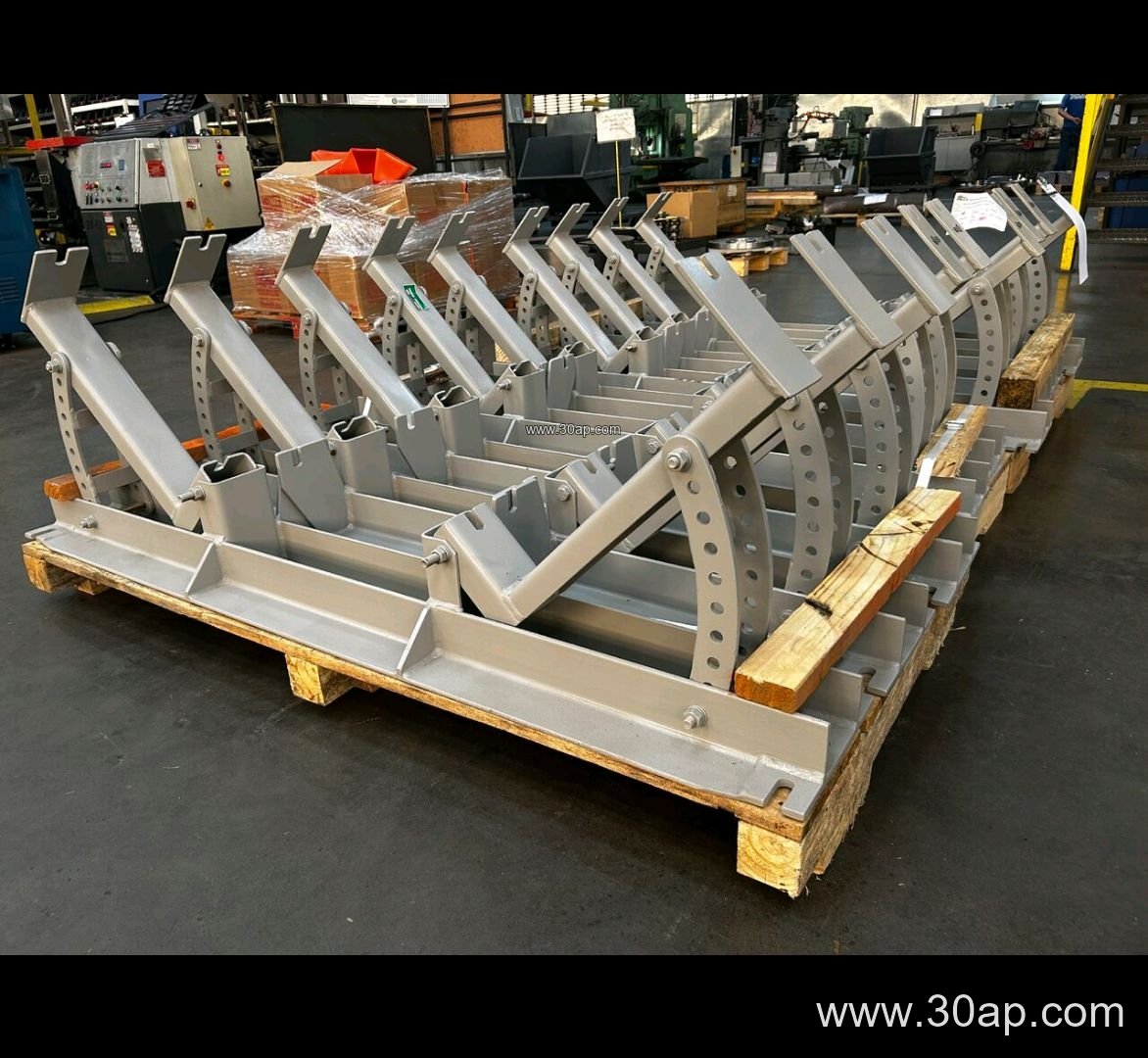
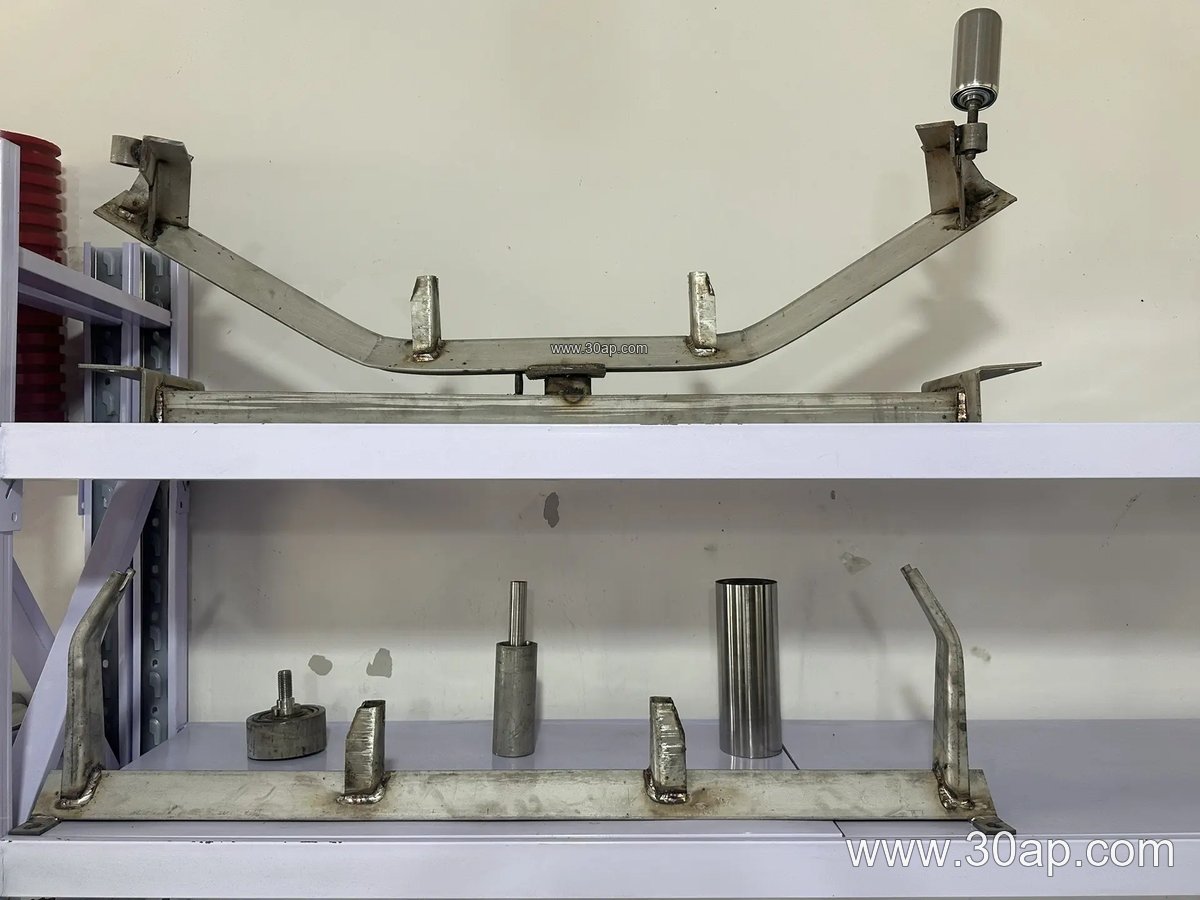
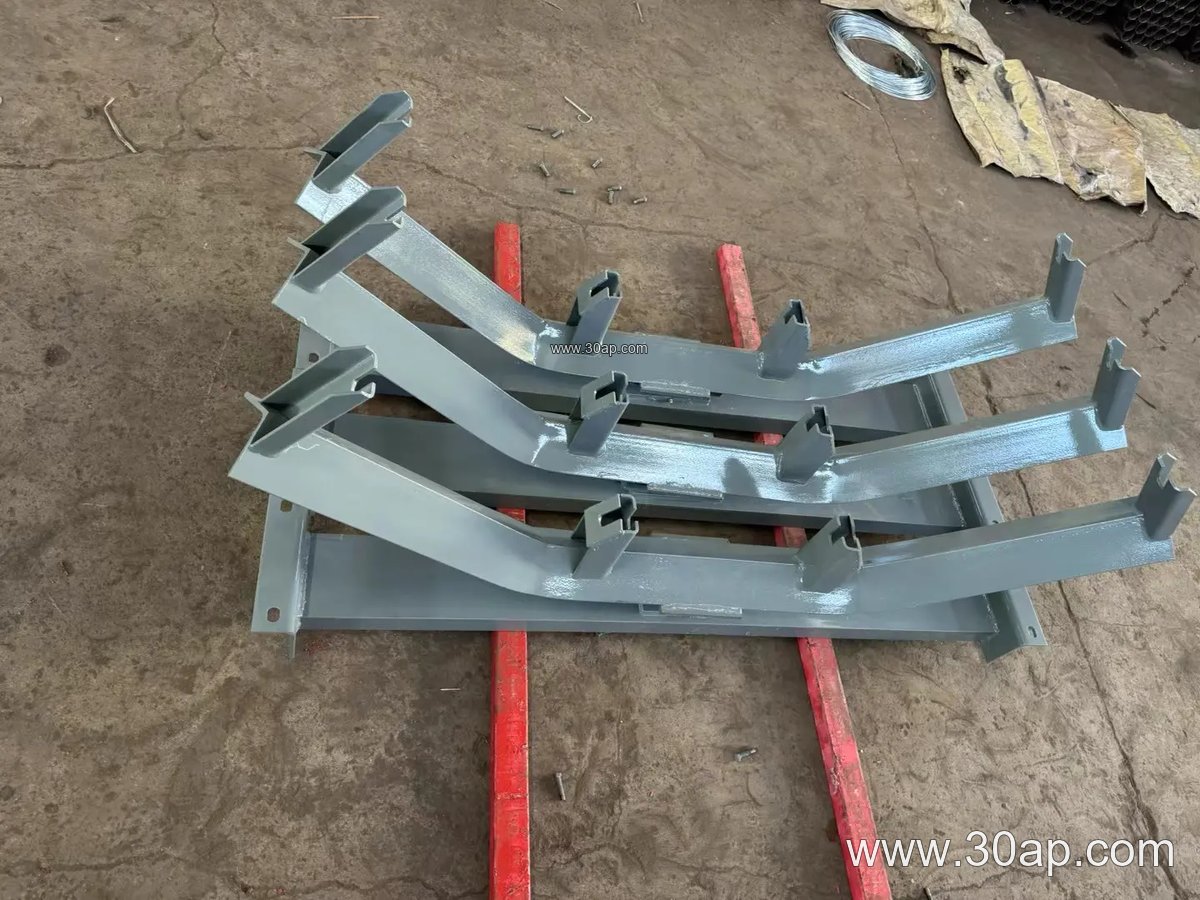
Most fixed conveyor brackets are fabricated from angle steel, channel steel or folded steel plate. The frame is cut, punched and welded to match the mounting hole spacing of the conveyor frame and the shaft ends of the idler roller. The bracket carries the roller load, so the weld quality and the thickness of the steel matter more than cosmetic finish.
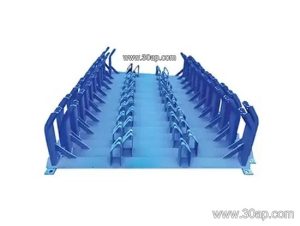
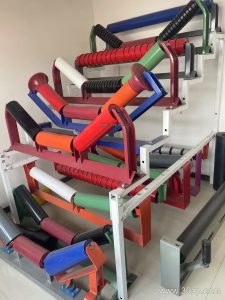
A typical bracket set includes the base plate or cross beam, the roller seats, and the fixing holes. For a troughing position, the side seats are set at the chosen trough angle, usually 20, 30, 35 or 45 degrees. The bracket does not set belt tension and does not replace the conveyor pulley at the head or tail; those are separate components with their own duties.
Where Fixed Brackets Are Used
These brackets appear in many bulk handling lines. In a coal washing plant they support troughing idlers on the main haulage section. In an iron ore or limestone operation they hold the belt through long straight runs before the crusher. Power plant coal yards, port ship loaders, steel sinter lines and aggregate plants all use similar fixed supports.
They are also common in sand and gravel lines, batching plants, tunnel spoil removal and grain silos. In each case the bracket works with the conveyor belt, the idler roller set and the conveyor pulley to keep the load moving. A heavy-duty mining conveyor belt may need stronger brackets and closer idler spacing, while a light EP conveyor belt on a short run can use a lighter frame.
Common Reference Sizes and Combinations
The table below lists reference values that appear in bracket and idler design work. They are examples, not a fixed match rule. Belt width, trough angle, roller diameter and bracket dimensions are confirmed by the conveyor design, not by a single catalogue line.
| Belt width | Trough angle | Roller diameter | Typical use |
|---|---|---|---|
| B500 | 20 or 30 degrees | Ø89 | Small aggregate and grain lines |
| B650 | 30 degrees | Ø89 or Ø108 | Sand and gravel, light quarry duty |
| B800 | 35 degrees | Ø108 | Cement and batching plant lines |
| B1000 | 35 or 45 degrees | Ø108 or Ø133 | Coal yard and power plant feed |
| B1200 | 35 or 45 degrees | Ø133 | Iron ore, port and heavy bulk |
| B1400 to B1600 | 35 or 45 degrees | Ø133 or Ø159 | Mine haulage and ship loading |
| B1800 to B2000 | 35 or 45 degrees | Ø159 or Ø194 | Large ore and coal systems |
A bracket for B1200, 45 degrees, Ø133 is a different fabrication from one for B650, 30 degrees, Ø89. Hole spacing and cross beam length change with belt width and trough angle, so a bracket must be ordered against the actual frame drawing.
Matching the Bracket to Belt and Roller Duty
Belt type affects bracket choice. A steel cord conveyor belt carries high tension and usually sits on a heavier frame with larger rollers. A flame retardant conveyor belt in an underground coal mine may need brackets that fit fire-safety layouts, while a heat resistant conveyor belt near a sinter cooler needs clearance for thermal expansion. Abrasion resistant conveyor belt in a crusher discharge area often pairs with impact resistant idler brackets and cushion rollers.
Also check the environment. An oil resistant conveyor belt in a recycling line, a cold resistant belt in a northern quarry, or an anti-static belt in a dust zone each puts different demands on the steelwork. The bracket itself is simple, but it must suit the belt width, the roller diameter and the load it carries.
Buyer Checklist
- Confirm belt width, trough angle and roller diameter together, not one at a time.
- Provide the conveyor frame drawing so hole spacing and beam length are correct.
- State the material and thickness of the steel, and whether welding or bolting is used.
- Check that the bracket fits the chosen idler roller shaft and bearing housing.
- Plan spare brackets for wear points and keep them matched to the installed set.
For more on belts, idlers and pulleys, visit ztconveyor.com and review the belt and roller data before finalising the bracket order.