What a 30 Inch Conveyor Belt Tracker Does
A 30 inch conveyor belt tracker is a belt alignment device sized for conveyor systems with a 30-inch (approximately 760 mm) wide belt. Its primary job is to detect and correct belt misalignment—commonly called belt drift or tracking—before it causes edge damage, material spillage, or structural wear. In industries such as mining, coal preparation, cement, power generation, and aggregate processing, even a small deviation can escalate quickly under high loads and fast belt speeds. The tracker acts as a continuous correction mechanism, typically installed on the carrying or return side of the conveyor.
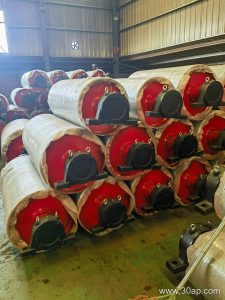
This device is also known as a 30 inch self-aligning idler or 30 inch training idler, depending on the design and the region. It should not be confused with a drive pulley, tail pulley, or bend pulley, which serve entirely different functions in the conveyor drive and tensioning system.
Construction and Working Principle
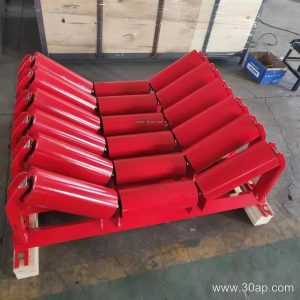
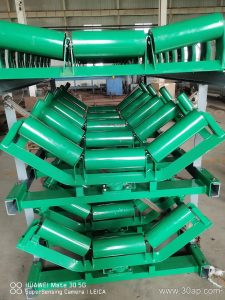
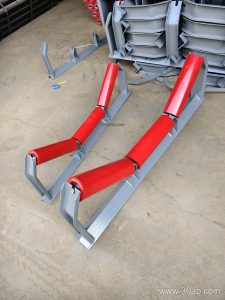
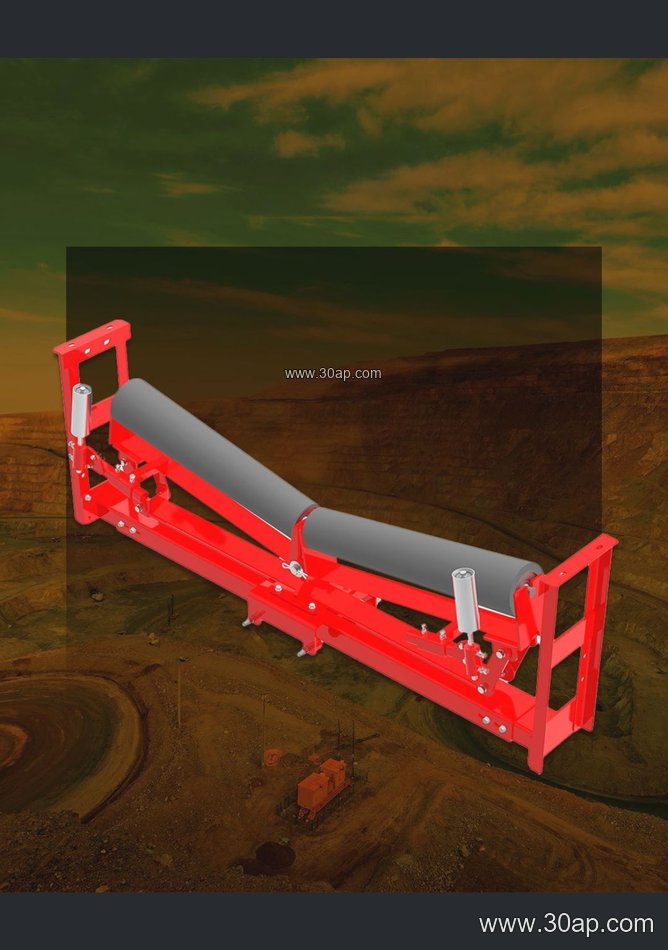
Most 30 inch conveyor belt trackers use a pivot-mounted frame carrying idler rollers. When the belt drifts to one side, it contacts a vertical guide roller or sensor arm, which generates a force that pivots the frame. The angled rollers then steer the belt back toward the center. The design may be mechanical (linkage or four-bar), hydraulic, pneumatic, or electric with sensor feedback and PLC control. The choice depends on belt speed, load, environment, and whether automatic or manual correction is preferred.
Key components typically include:
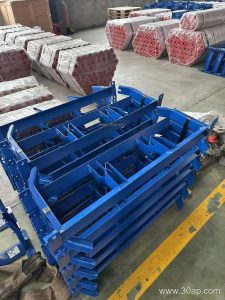
- Heavy-duty steel or stainless steel frame
- Idler rollers with sealed bearings
- Vertical guide rollers or edge sensing arms
- Pivot shaft and mounting brackets
- Optional sensors and control interface
For a 30-inch belt, the tracker width and roller length are matched to the belt width, but the shaft diameter and bearing size are selected based on load and conveyor design—not on belt width alone. Always confirm mounting dimensions and roller diameter with the conveyor manufacturer or a qualified engineer.
Where It Is Used
30 inch conveyor belt trackers are common in medium-width belt systems. You will find them in coal mining conveyors, cement plant raw material handling, power plant coal feeding, quarry and aggregate transport, and sand and gravel operations. They are also used in recycling facilities, bulk material ports, and stone crushing plants. The tracker helps maintain alignment on both the carrying side (often with troughing idlers) and the return side (flat idlers), reducing spillage and extending belt life.
Related equipment includes conveyor pulleys (drive, tail, bend), idler rollers, and conveyor brackets. Note that drive, tail, and bend pulleys are not interchangeable—each has a distinct role in belt tension and direction. A tracker complements these components but does not replace proper pulley alignment or adequate belt tension.
Selection and Sizing Considerations
Buyers should evaluate several factors before choosing a 30 inch conveyor belt tracker:
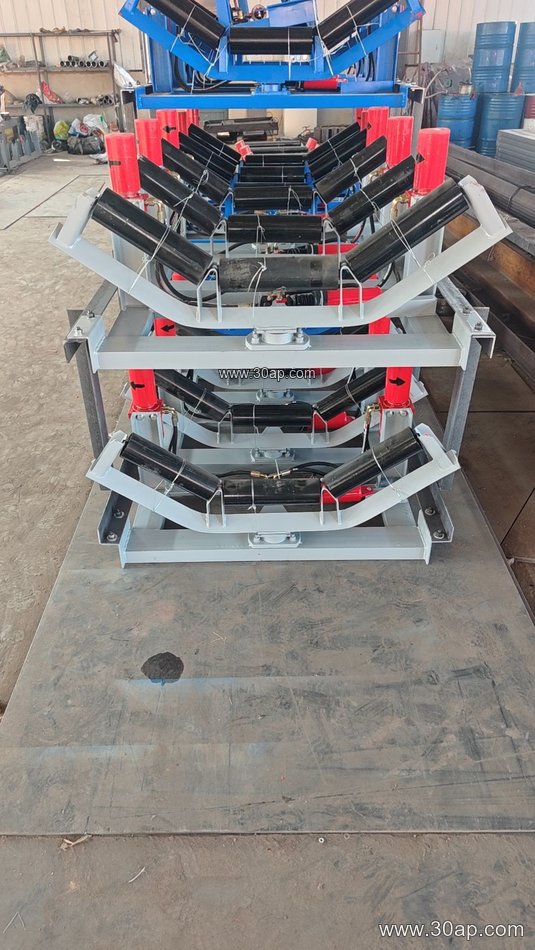
- Belt width and speed: Confirm the actual belt width (30 inches nominal) and operating speed.
- Load and material: Heavy ores, coal, or cement require robust rollers and frames. Consider abrasion-resistant and impact-resistant designs for harsh conditions.
- Location: Carrying side or return side; troughing or flat belt profile.
- Mounting: Check existing conveyor bracket dimensions and available space.
- Control type: Mechanical self-aligning vs. sensor-based automatic tracking. The latter may be preferred for critical or remote installations.
- Environment: Dust, moisture, temperature, and corrosion affect bearing seals and frame material.
A common mistake is assuming that a 30-inch belt tracker will fit any conveyor with a 30-inch belt. Roller diameter, shaft size, and mounting hole spacing vary between conveyor models. Always request a dimensional drawing and verify compatibility with your conveyor frame.
Maintenance and Troubleshooting
Regular inspection helps maintain tracker performance. Check for worn guide rollers, loose pivot joints, and material buildup that can restrict movement. Lubricate bearings according to the manufacturer’s schedule. If the belt continues to drift after installing a tracker, investigate other causes: off-center loading, misaligned pulleys, seized idlers, or belt splice issues. A tracker cannot compensate for severe structural misalignment or inadequate belt tension.
For conveyors handling abrasive or high-impact materials, consider pairing the tracker with abrasion resistant conveyor belt or impact resistant conveyor belt to reduce wear. In coal mining or underground applications, flame retardant conveyor belt and anti-static conveyor belt may be required for safety compliance.
Buyer Checklist
When inquiring about a 30 inch conveyor belt tracker, provide the following information to receive an accurate recommendation:
- Belt width (confirm 30 inches or 760 mm)
- Belt speed and load weight per meter
- Conveyor profile (troughing angle, return side)
- Mounting dimensions or a sketch of the existing frame
- Environmental conditions (dust, moisture, temperature)
- Preferred control method (mechanical or automatic)
For related conveyor components, you may also need to specify conveyor pulley type (drive, tail, or bend), idler roller diameter, and conveyor bracket dimensions. Remember that a 30 inch conveyor belt tracker is one part of a complete alignment strategy that includes proper installation, maintenance, and belt selection such as EP conveyor belt or steel cord conveyor belt for high-tension applications.