Where the Tail Bend Pulley Sits
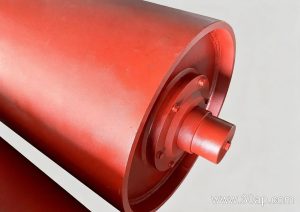
At the return end of a belt conveyor, the tail bend pulley is the drum that changes the direction of the belt on its way back to the loading point. It is not a drive pulley and it is not the tail pulley itself in the sense of the terminal drum that supports the belt at the loading zone; it is an auxiliary bend drum mounted near the tail, often to route the belt around a take-up or to increase the wrap angle on the tail drum. On a quarry conveyor or a cement plant clinker line, this small change of direction can be what allows the take-up carriage to sit in a convenient position without lengthening the whole structure.
Because it only bends the belt, the tail bend pulley carries far less torque than a drive pulley. What it does carry is belt tension, and that tension is the main thing a buyer should think about.
Construction and Surface Options
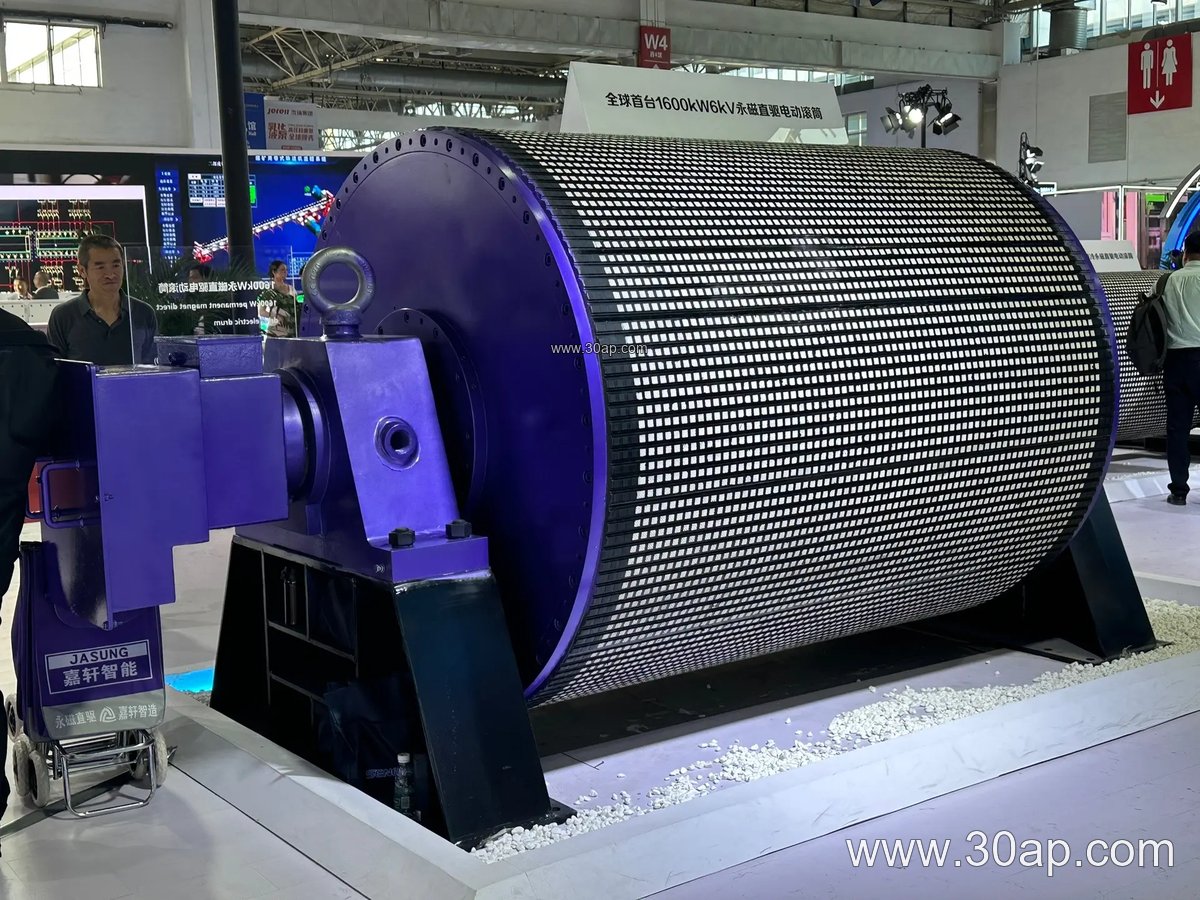
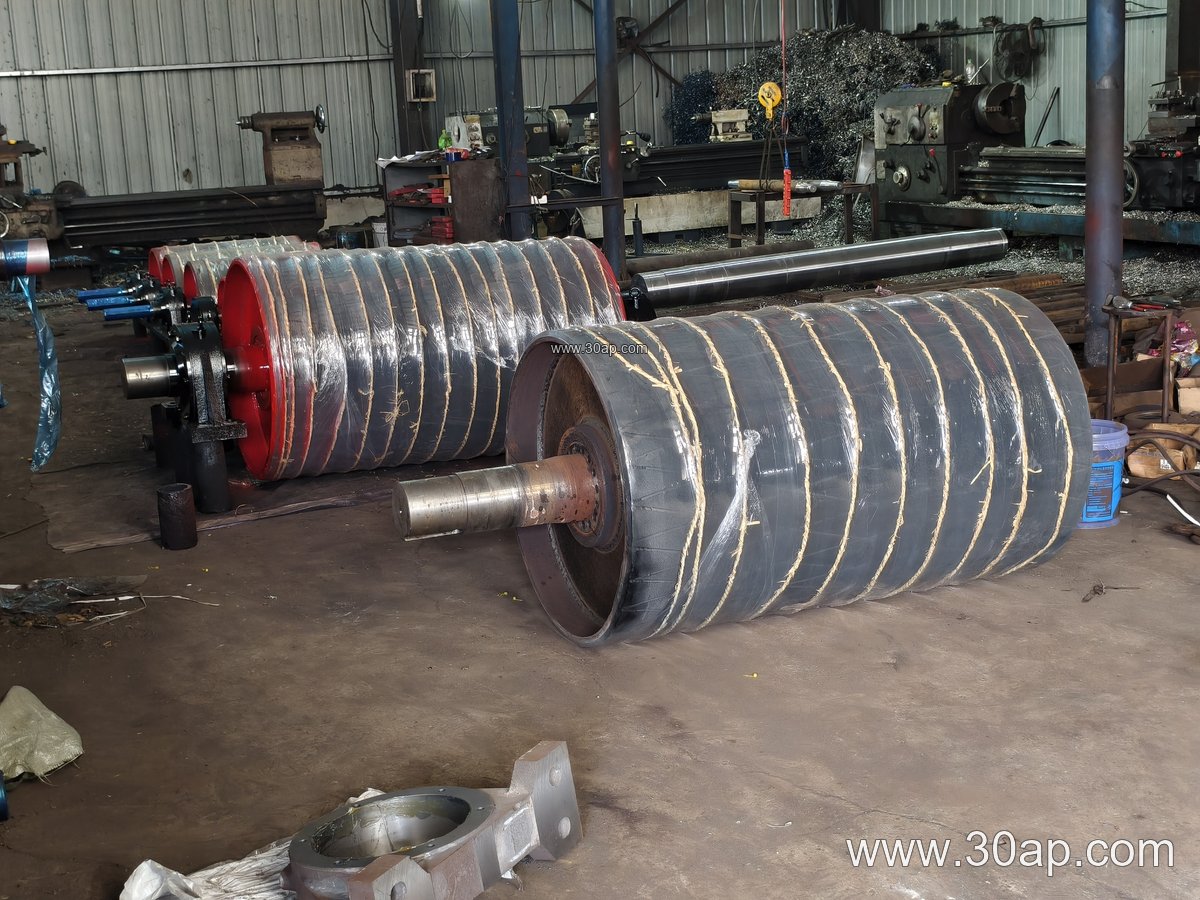
A typical tail bend pulley is a welded steel drum with a shaft running through it, supported by two bearing housings. The shell is machined and, in most bulk material installations, covered with rubber to protect both the drum and the belt. Common surface forms include plain rubber lagging, diamond lagging and ceramic lagging. Lagging thickness is often 8, 10, 12, 15 or 20 mm, chosen according to belt tension and the amount of slip protection needed.
The bearing arrangement matters as much as the shell. Grease-lubricated plummer blocks are common, and the shaft diameter is determined by the bending load and the tension, not by belt width alone. A B800 tail bend pulley, for example, may use a Ø80 shaft in one layout and a Ø100 shaft in another if the tension or the bearing span differs. Shaft sizes such as Ø50, Ø60, Ø70, Ø80, Ø90, Ø100 and Ø120 are typical in this duty range.
Common Shell and Width Combinations
The table below shows combinations that appear in conveyor layouts. These are reference examples, not fixed pairings; each conveyor is designed around its own tension and geometry.
- B500 belt, shell width around 600 mm, diameter Ø250 to Ø315
- B650 belt, shell width around 750 mm, diameter Ø315 to Ø400
- B800 belt, shell width around 950 mm, diameter Ø400 to Ø500
- B1000 belt, shell width around 1150 mm, diameter Ø500 to Ø630
- B1200 belt, shell width around 1400 mm, diameter Ø630 to Ø800
- B1400 belt, shell width around 1600 mm, diameter Ø800 to Ø1000
- B1600 belt, shell width around 1800 mm, diameter Ø1000 to Ø1250
Larger drums are used where the belt is stiff, such as a high strength steel cord belt on an iron ore or copper ore conveyor. Smaller drums suit fabric core belts like EP100 or NN200 where flexibility is less of an issue.
Working With the Belt and the Rest of the Line
The tail bend pulley has to match the belt it turns. A thick, heavy belt used on a heavy-duty mining conveyor needs a larger diameter to keep bending stress low, while a thinner EP belt on an aggregate conveyor can run over a smaller drum. The bend angle also matters: a 30 degree wrap is gentle, while a 180 degree reverse bend puts much more strain on the splice and the belt edges.
In a coal mine or power plant coal handling system, a flame retardant belt is often used together with anti-static properties, and the pulley lagging should be selected so that it does not create excessive friction heat. In a port bulk terminal handling iron ore fines, abrasive dust works into bearing seals, so sealed housings and regular greasing are important. The conveyor bracket that holds the pulley must be aligned with the tail pulley and the take-up frame so the belt tracks straight.
What Buyers Should Confirm
Before ordering, confirm the belt width, the required bend angle, the belt tension at that point and the space available for the drum. Ask for the shaft diameter and bearing type, the lagging material and thickness, and whether the pulley is supplied with a keyed shaft, a through shaft or a stub shaft. Check the surface finish and the balance of the shell, particularly on wider drums where vibration can shorten bearing life.
Also confirm the interface with the idler roller frames and the conveyor bracket on either side, so the pulley sits at the correct height and the belt enters and leaves without rubbing. For a mining conveyor belt running at high tension, a slightly larger diameter and thicker lagging usually cost less over time than repeated belt edge damage.
Finally, keep the maintenance plan simple: check bearing temperature, listen for unusual noise, and inspect lagging wear at each shutdown. A tail bend pulley is a low-cost component, but a seized one can stop a whole crushing or ship loading line.