What a Parallel Return Idler Does
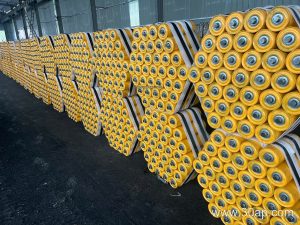
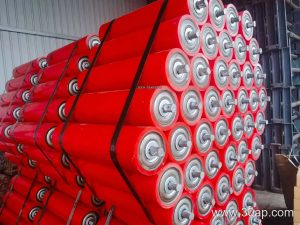
A parallel return idler is the flat, single-roll support that carries the empty side of a conveyor belt on its way back to the tail. Instead of a troughed arrangement, this idler roller sits horizontally under the returning belt, holding it up so it does not sag between frames or rub against the structure. In a typical conveyor line the loaded strand gets the attention, but the return run quietly determines belt tracking, rolling resistance and how long the cover lasts. The parallel return idler is the workhorse of that lower path, and it is often the first component a maintenance team replaces when the belt starts to wander or the drive motor pulls more current than it should.
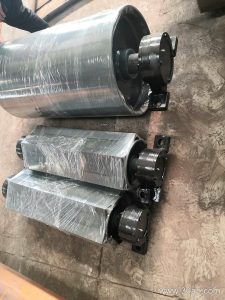
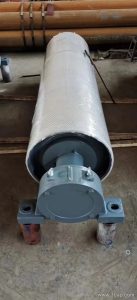
Where a V-shaped return set is used to self-center the belt, the parallel type keeps the return strand flat and is chosen when the belt is stiff, when the material is light, or when the layout simply calls for a straight lower profile. It is not a substitute for a bend pulley at the tail or a drive pulley at the head; those are separate components with their own duties. The parallel return idler belongs to the idler family, alongside troughing, impact and training rollers.
Construction and Common Forms
The basic build is a steel tube shell with pressed end caps, a through shaft, and bearing housings sealed against dust and water. Roll face options include plain steel, nylon, ceramic and rubber rings. In dusty quarry or coal handling duty the seal quality matters more than the shell thickness, because fine grit that reaches the bearing shortens life quickly. Common roller diameters in this family run from Ø63 and Ø76 up to Ø159, Ø178, Ø194 and Ø219 depending on belt width and load. Bearings are usually 6204, 6205, 6305, 6306, 6308 or 6310, matched to the shaft and duty rather than fixed to one roller size.
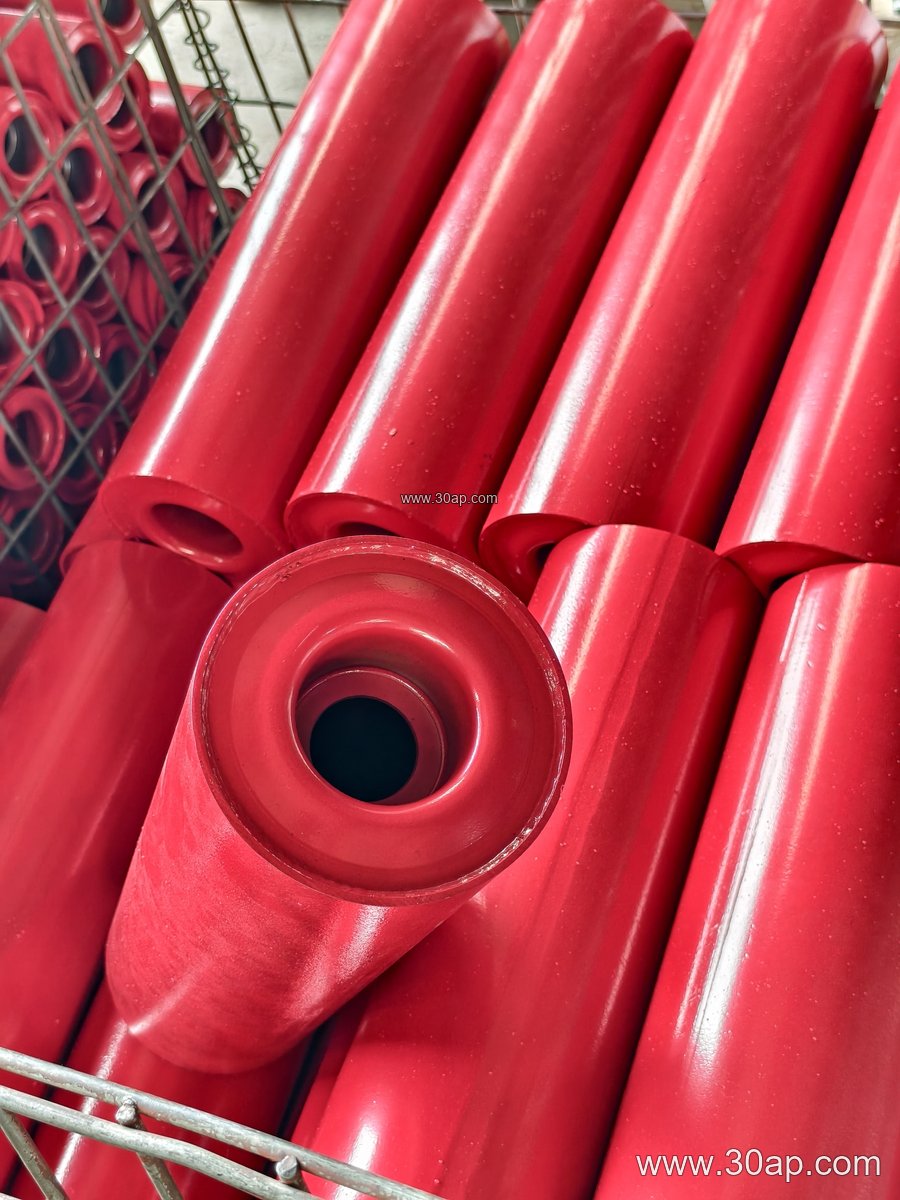
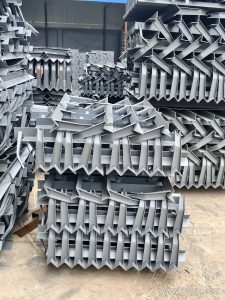
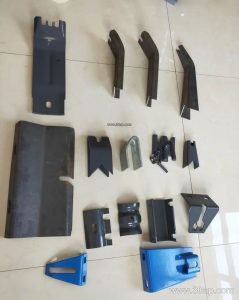
The idler is mounted in a conveyor bracket or frame, and the roll length follows belt width, trough angle and frame design. Some indicative examples for three-roll troughing sets are listed below; the parallel return roll is normally shorter than the troughing rolls of the same belt and is selected with the return frame.
| Belt width | Typical troughing roll length (example) | Common return roll diameter |
|---|---|---|
| B500 | 200 mm | Ø63–Ø89 |
| B650 | 250 mm | Ø76–Ø102 |
| B800 | 315 mm | Ø89–Ø108 |
| B1000 | 380 mm | Ø102–Ø127 |
| B1200 | 465 mm | Ø108–Ø133 |
| B1400 | 530 mm | Ø127–Ø159 |
| B1600 | 600 mm | Ø133–Ø178 |
| B1800 | 670 mm | Ø159–Ø194 |
| B2000 | 750 mm | Ø178–Ø219 |
These figures are reference examples only. A wide belt such as a 1800mm or 2000mm conveyor belt does not force one particular roller diameter, and a narrow belt can still use a heavier roll if the load case demands it. Selection should follow the actual belt tension, material weight and frame spacing, not a single number copied from a table.
Where It Fits in the Plant
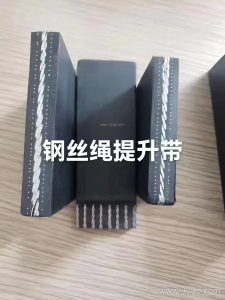
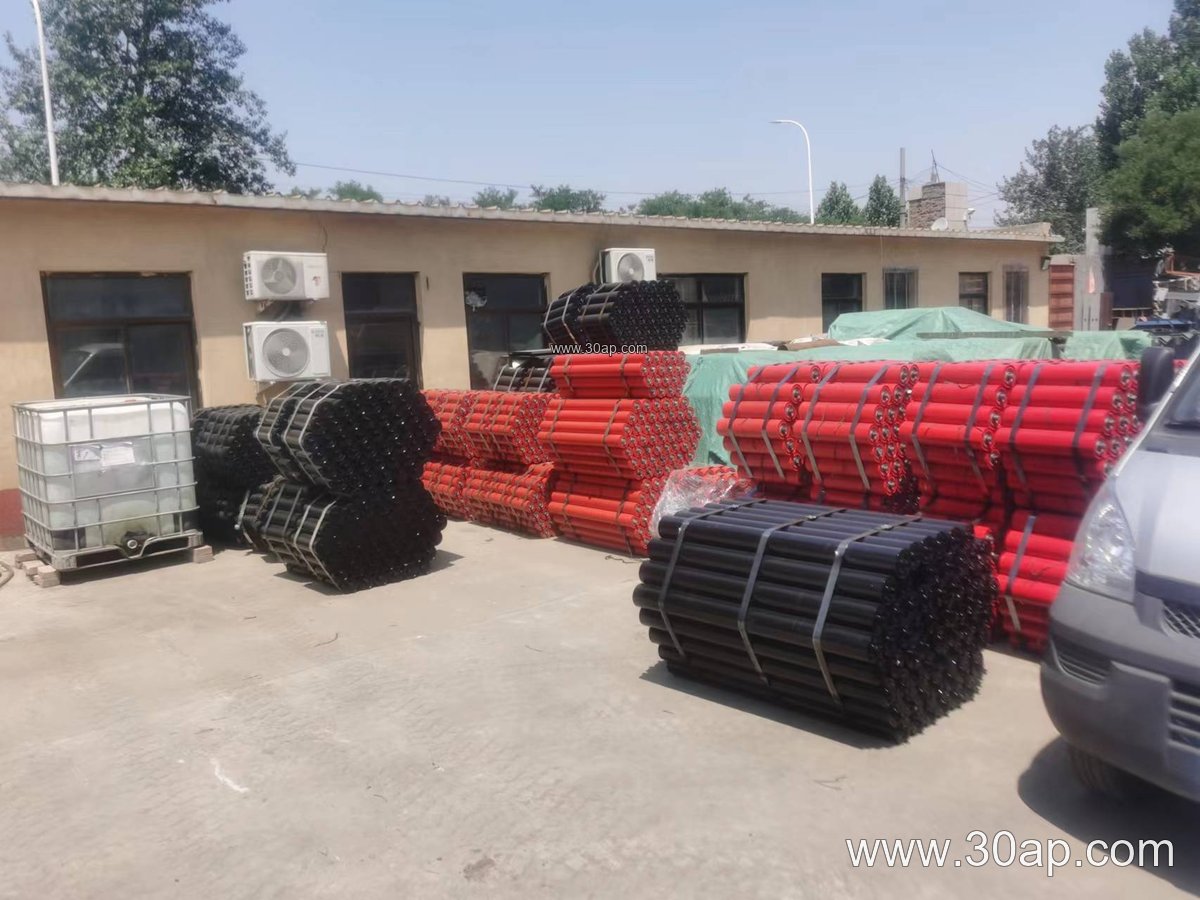
You will find the parallel return idler in almost every bulk handling circuit. In a sand and gravel line it supports the return side beneath the crusher discharge and the screening house, where grit is constant. In a cement plant it keeps the clinker and raw meal belts running true, and in a power plant coal yard it carries the empty strand under long overland conveyors. A limestone mine or iron ore operation may pair it with a heavy-duty mining conveyor belt and a steel cord conveyor belt where tension is high, while a smaller aggregate conveyor belt may use a lighter roll. The same component also appears in fertilizer plants, grain terminals and tunnel muck lines.
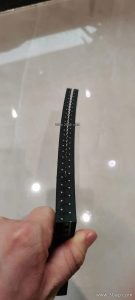
The belt itself influences the choice. A rubber conveyor belt with a thick cover tolerates a little more misalignment than a thin fabric core conveyor belt, and a flame retardant conveyor belt used underground brings its own handling rules. On a pipe conveyor belt the return side is folded, so the flat idler is not used there at all. Matching the return idler to the belt type and the environment is part of getting the lower run right.
Buyer Checklist
- Roll diameter and shaft: confirm the frame opening and the bearing size before ordering; do not infer a shaft diameter from belt width alone.
- Roll length: measure the existing frame, since return rolls vary with bracket design even on the same belt width.
- Seal and bearing: ask about the sealing arrangement for dusty or wet duty, especially in coal, cement and quarry service.
- Shell material: steel is standard; rubber rings help with noise and belt slip, ceramic suits abrasive fines.
- Spacing: return idlers are usually spaced wider than carrying idlers, but sag limits still apply on long spans.
- Compatibility: check that the parallel return idler shares mounting height with the existing conveyor bracket and training idlers so the belt line stays level.
Good maintenance is simple: watch for a seized roll, a worn shell flat spot or a belt that drifts to one side on the return run. Replacing a single parallel return idler early is cheaper than letting a locked roller grind the belt cover and load the drive pulley. For buyers comparing suppliers, ask for the roller diameter, shell wall, bearing number and seal type in writing, and keep the return idler specification separate from the drive, tail and bend pulley specification, because those are different products with different jobs.