What an Anti-Static Conveyor Belt Does
An anti-static conveyor belt is a rubber or fabric-reinforced belt built to bleed off static electricity that accumulates as material slides across the cover. In coal mining, cement plants, power stations, and sand and gravel yards, dry dust and fast-moving bulk material can build a charge on an ordinary belt surface. A belt with a conductive or static-dissipative compound gives that charge a controlled path to the conveyor frame instead of letting it jump as a spark. When the surrounding atmosphere carries combustible dust or gas, that difference matters.
The product is also called a static-dissipative conveyor belt or conductive rubber belt. Those names describe the same family, and buyers should confirm with the supplier which description applies to the compound being quoted. For general material handling the belt is often simply ordered as a Rubber Conveyor Belt with anti-static cover properties, while underground coal work usually calls for a Flame Retardant Conveyor Belt that also meets static control requirements.
Construction and Compound Details
The carcass carries the load and the cover carries the electrical behavior. Common builds include:
- Multi-ply fabric core with EP or NN plies, where an EP Conveyor Belt carcass is the usual choice for moderate to long hauls
- Steel Cord Conveyor Belt construction for high-tension main lines in mines and ports
- PVC or PVG solid-woven carcasses for underground coal mining, often supplied as PVG800S Conveyor Belt stock
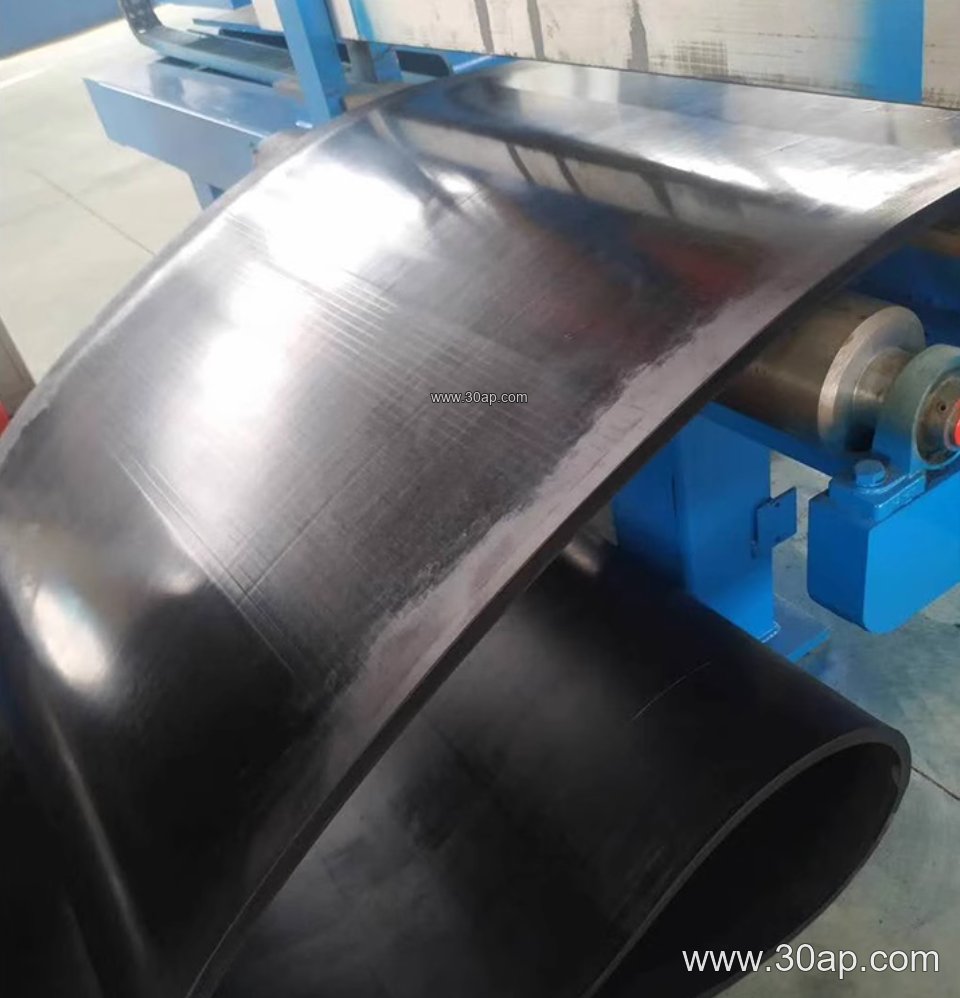
The anti-static effect comes from carbon black or conductive fillers dispersed in the cover compound, plus a conductive layer or edge treatment that connects the cover to the carcase and the frame. Cover thickness is usually quoted as top plus bottom, for example 4+2 mm or 6+2 mm, with 2 to 6 plies typical. Surface resistance is normally stated as a range rather than one number, and values differ between manufacturers, so treat catalogue figures as reference data only.
Typical Operating Environments
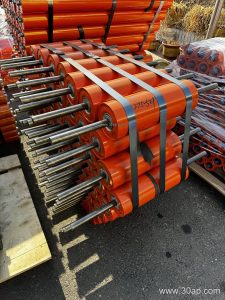
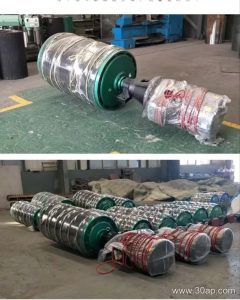
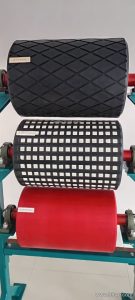
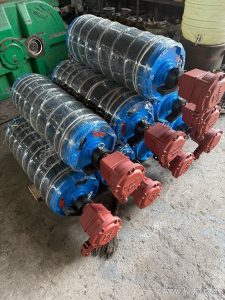
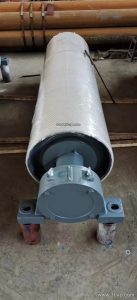
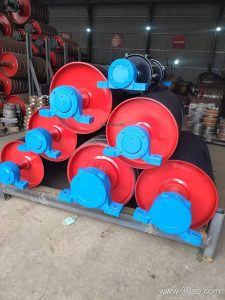
These belts appear wherever conveyed material is dry, dusty, and prone to charging. In a coal preparation plant they run alongside idler roller sets and conveyor pulley assemblies that must also be grounded. In cement and aggregate plants they carry clinker, limestone, and crushed stone. In power plants they handle coal and ash. In quarries and ore dressing lines a Quarry Conveyor Belt or Ore Conveyor Belt with static control reduces spark risk near dust collectors and enclosed transfer points.
The belt does not replace grounding practice. Metal structures, the conveyor bracket, drive and tail pulleys, and the idler frames should be bonded to earth so the belt has somewhere to send its charge. A static-dissipative belt on an ungrounded frame offers little protection.
Widths, Strengths, and Reference Data
Belt width follows the conveyor design rather than a fixed rule. Common widths run from B500 to B2000, and a given width can be paired with different pulley diameters depending on tension and wrap angle. The table below lists typical reference values, not supply commitments.
| Item | Common Reference Values |
|---|---|
| Fabric strength grades | EP200, EP400, EP630, EP800, EP1000, EP1250 |
| Belt widths | B500, B650, B800, B1000, B1200, B1400, B1600 |
| Cover thickness | 3+1.5 mm, 4+2 mm, 5+2 mm, 6+2 mm, 8+3 mm |
| Carcass plies | 2 to 6 plies typical |
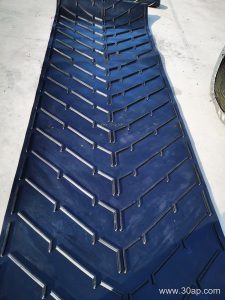
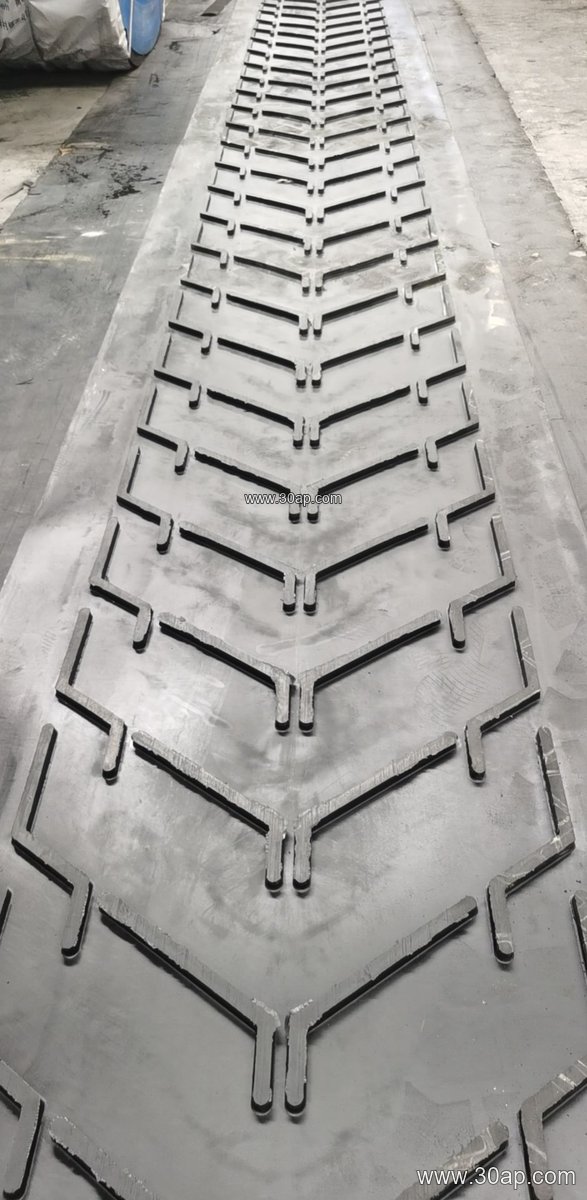
| Surface forms | smooth, Chevron Conveyor Belt pattern, corrugated sidewall |
Patterned and Skirted Conveyor Belt versions are used on inclines and at transfer points where spillage control is needed; static control can be combined with those forms, but each addition changes the compound and should be specified together.
Buyer Checklist
Start with the duty: material, lump size, throughput, incline, and ambient conditions. Then confirm the static requirement in writing, including the test method the supplier uses. Ask how the conductive path is made and whether belt edges need special splicing. For hot material such as clinker, a Heat Resistant Conveyor Belt compound may be needed alongside static control; for oily scrap or recycled material, an Oil Resistant Conveyor Belt cover is the relevant comparison. Cold climates may call for a Cold Resistant Conveyor Belt grade.
Splicing deserves attention. A vulcanized joint must restore the conductive path across the splice, and mechanical fasteners can interrupt it. Ask the splicer to follow the belt maker’s procedure. Also check that the belt sits correctly on the conveyor pulley and idler roller train, since misalignment creates dust and wear that shorten cover life.
Finally, keep spares consistent. Mixing a static-dissipative belt with a standard Abrasion Resistant Conveyor Belt on the same system can leave sections without a discharge path. Record the grade, width, cover thickness, and splice type for every belt on site so replacements match.