What a 2000mm Conveyor Belt Is
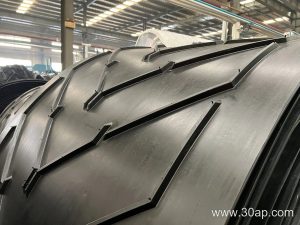
A 2000mm conveyor belt is a wide belt built to carry large volumes of bulk material across long distances. In the trade it is often called a 2000mm wide conveyor belt or a B2000 belt. The 2000mm figure refers to the belt width, not the pulley diameter or the shaft size. This width is typically chosen for high-capacity trunk conveyors in mines, coal preparation plants, cement works, power stations, ports and large stone crushing and sand making lines, where a narrower belt would need higher speed to move the same tonnage.
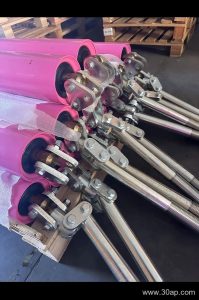
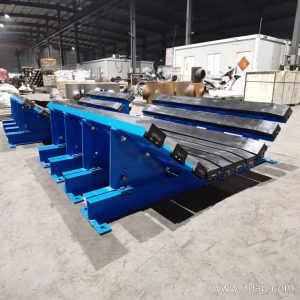
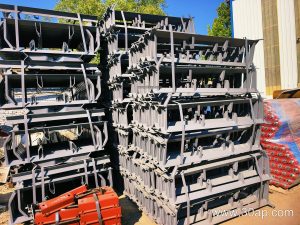
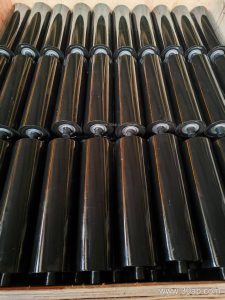
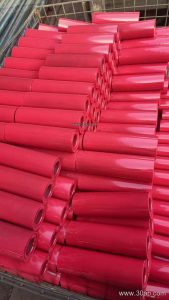
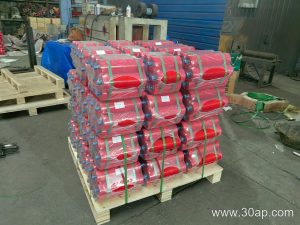
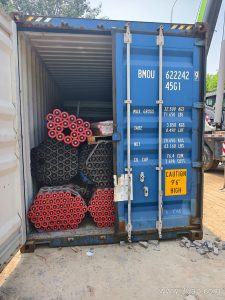
The belt is only one part of the system. It runs over conveyor pulleys, is supported by idler rollers, and is held in line by conveyor brackets and frames. Drive pulleys, tail pulleys and bend pulleys each do a different job, and their dimensions are matched to the conveyor design rather than to belt width alone.
Construction and Common Specifications
Most belts at this width use a fabric core or a steel cord core. Fabric core belts are built from EP or NN plies, while steel cord belts use brass-plated cords for very high strength and low stretch. Cover rubber is selected for the duty: abrasion resistant grades for ore and aggregate, flame retardant grades for underground coal mining, heat resistant grades near clinker or sinter, and oil resistant grades where lubricants or oily cargo are present. Corrugated sidewall and skirted designs are available when material must be contained on an incline.
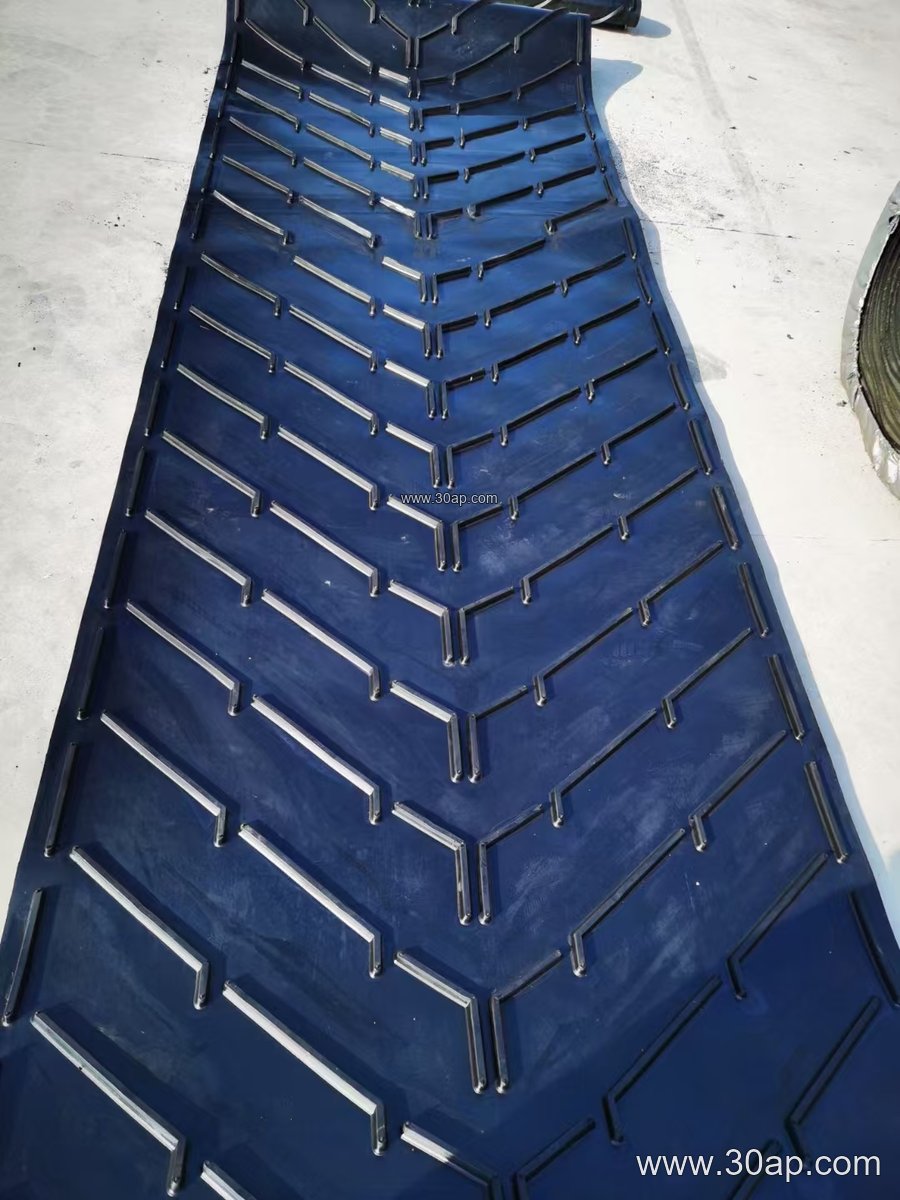
Typical reference values are shown below. These are common ranges, not fixed supply promises, and every project should be confirmed against the conveyor design.
- Belt width: B2000 (2000mm), with B1800 and B2200 used on adjacent conveyors in the same plant
- Fabric core strengths: EP200, EP315, EP400, EP500, EP630, EP800, EP1000, EP1250
- Steel cord strengths: ST1000, ST1250, ST1600, ST2000, ST2500
- Number of fabric plies: usually 2 to 6, depending on tension
- Cover rubber: 4+2, 5+2, 6+2 or 8+3 mm top and bottom combinations are common
Where It Fits in the Plant
At 2000mm, the belt is normally part of a high-tonnage main line. In a copper or iron ore concentrator it may run from the primary crusher to the stockpile; in a coal mining operation it may form the underground or surface trunk conveyor; in a cement plant it can feed raw mills or carry clinker; in a power plant it delivers coal from the yard to the bunkers. Quarry and aggregate operations use this width on primary and secondary circuits where rock and crusher discharge arrive in a wide, fast stream.
Because the load is spread over a wide surface, impact idlers and closely spaced carrying idlers are important at transfer points. Return idlers, training idlers and a properly aligned conveyor pulley set help keep a wide belt from mistracking. A 2000mm belt also needs adequate take-up travel, since a long, heavy belt stretches more than a narrow one.
Selection Points for Buyers
Start with the calculated belt tension, not with width alone. The working tension decides whether an EP fabric core or a steel cord construction is suitable, and it also decides the number of plies and the cover thickness. Confirm the material size, lump weight, drop height, moisture and temperature, because these affect impact resistance and cover grade. For underground coal work, flame retardant and anti-static properties are normally required; for surface ore handling, high abrasion resistant covers usually give the best service life.
Ask for the splice method, since a 2000mm belt is often joined on site with a vulcanized splice, and check that the splice strength matches the belt. Confirm the pulley diameters and the trough angle with the conveyor designer. A wide belt is not automatically matched to one pulley size, and shaft diameter must come from the drive calculation. For long overland lines, consider a pipe conveyor belt or an enclosed design only where dust control or route curvature makes it necessary; these are different products and should not be treated as direct replacements.
Handling, Installation and Maintenance
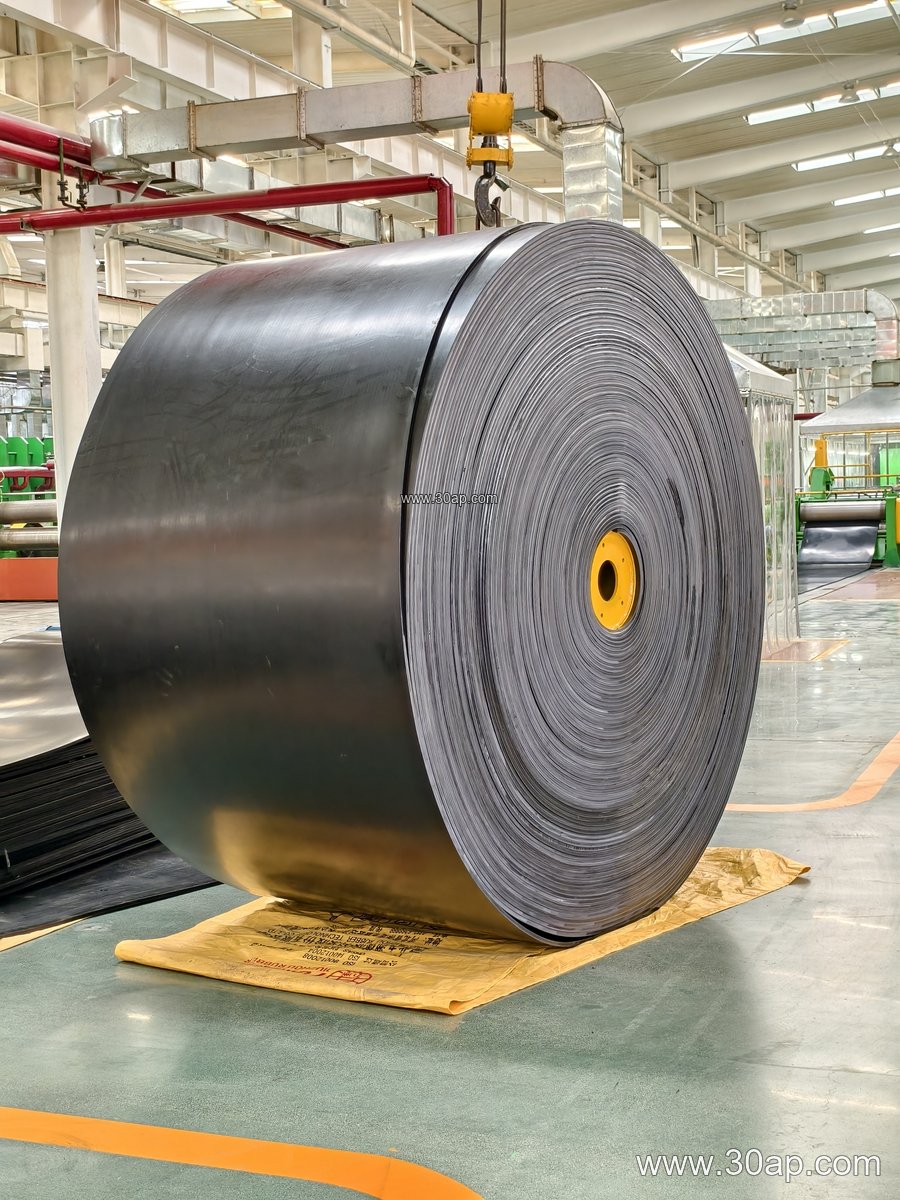
Wide belts are heavy and awkward to move. Use proper lifting gear, avoid sharp bends in the roll, and store the belt on a dry, flat surface away from sunlight and ozone sources. During installation, check that all idler rollers are square to the centre line and that the tail and bend pulleys are level. After running, inspect the edges for damage, watch for material build-up on return idlers, and re-check tension during the first weeks of operation. A small edge tear on a 2000mm belt can grow quickly, so early repair is worth the effort. Keep records of cover wear and splice condition so replacement can be planned before a shutdown becomes urgent.