What a 1600mm Diameter Conveyor Pulley Is
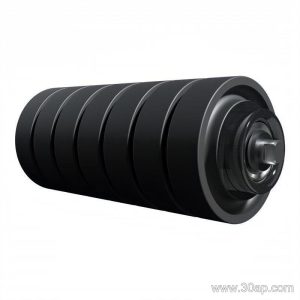
A 1600mm diameter conveyor pulley is a large-diameter drum used at high-capacity transfer points in bulk handling systems. At this size, the pulley is normally a heavy-duty, welded-steel assembly rather than a light fabricated drum, because the shell, hubs and shaft must carry high belt tension and torque. In practice, a 1600mm diameter pulley often appears as a drive or head pulley on wide belts, where a large contact arc improves grip and reduces the risk of belt slip.
The nominal 1600mm figure refers to the outside diameter of the shell, usually measured over the lagging when the pulley is supplied with a rubber or ceramic surface. Buyers should confirm whether the quoted diameter is bare shell or finished with lagging, since a 15mm or 20mm cover changes the effective diameter and the belt path.
Construction and Typical Features
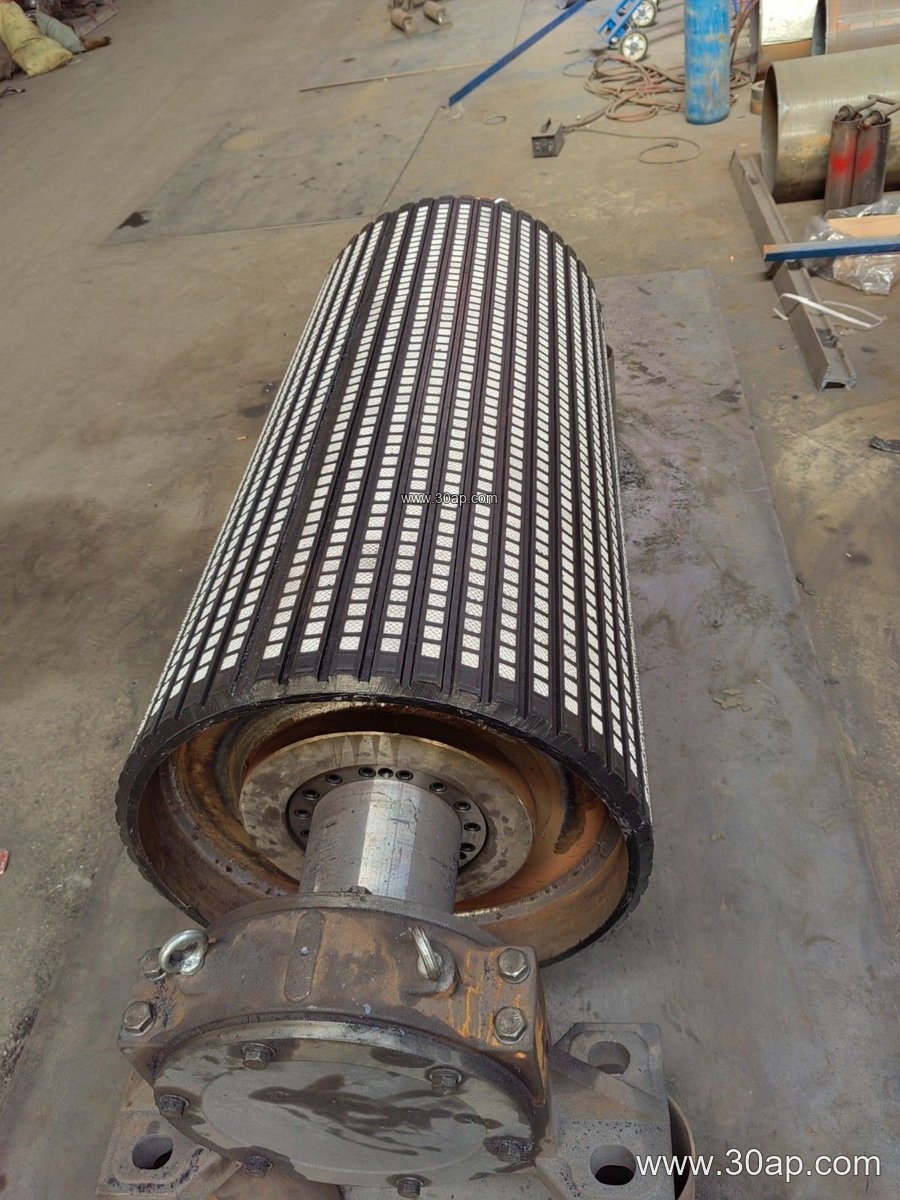
These pulleys are commonly built around a rolled steel shell with welded end discs, a pair of hubs and a through shaft. Depending on the duty, the design may include:
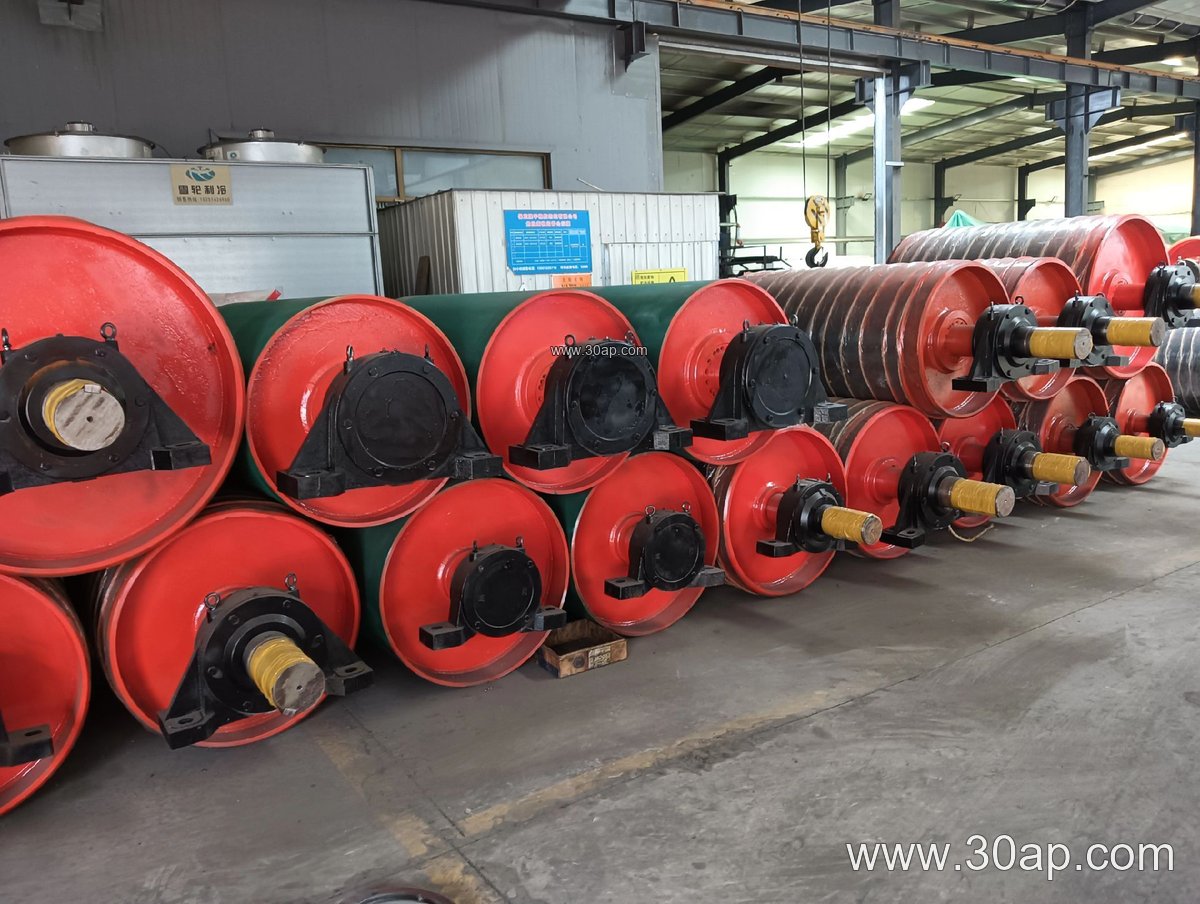
- Shell thickness selected from torque and belt tension rather than diameter alone
- Keyed or shrink-disc shaft connection
- Bearing housings and pillow blocks matched to the conveyor bracket arrangement
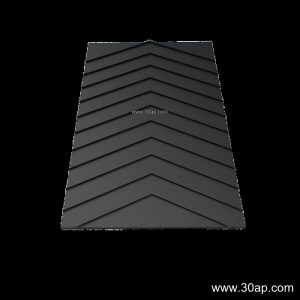
- Lagging in plain, diamond or ceramic form, usually 8mm to 20mm thick
- Balance grades suitable for the running speed of the conveyor
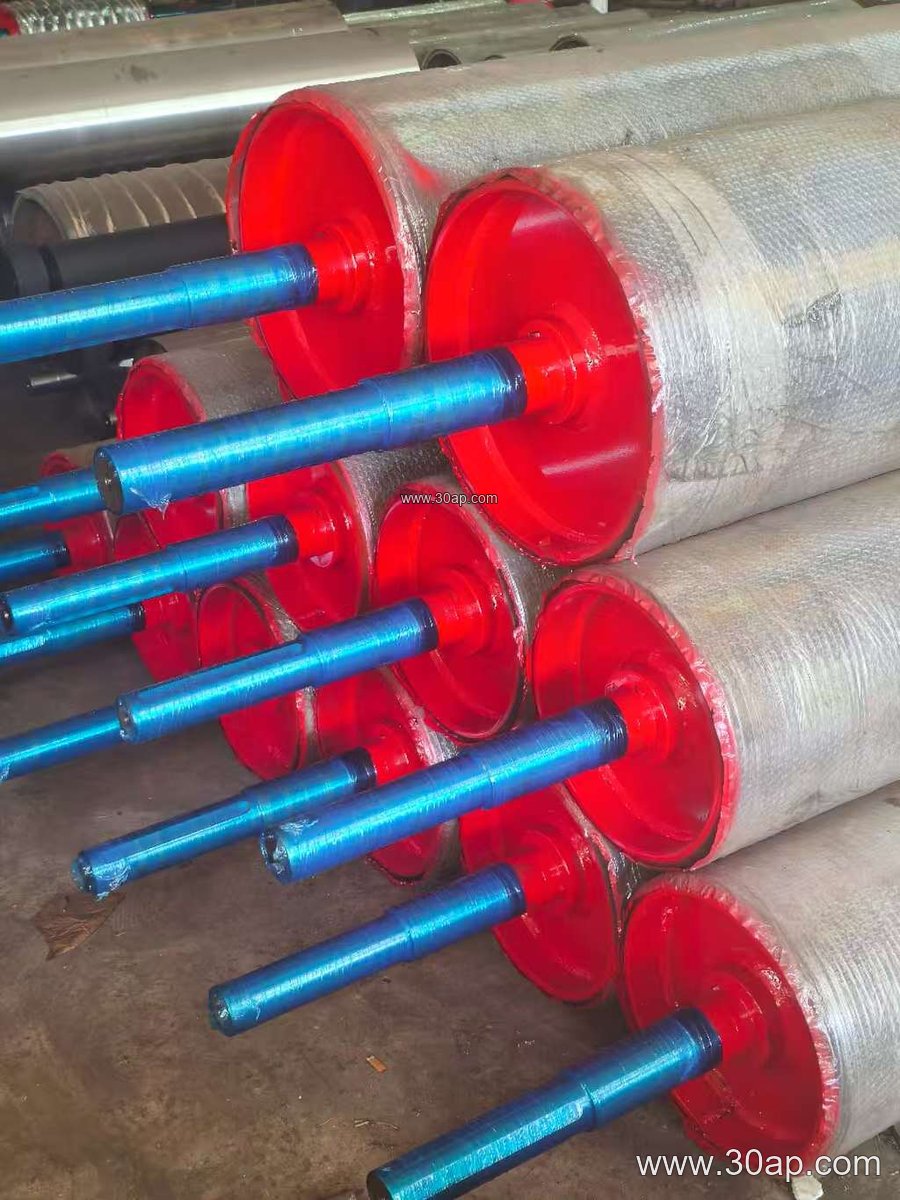
Shaft diameter is not fixed by the 1600mm size or by belt width. It is determined by the torque transmitted and the bearing loads, and common shaft sizes across heavy pulleys range from Ø100 to Ø200 and beyond. A buyer should always ask for the shaft and bearing calculation, not just the drum dimensions.
Where a 1600mm Diameter Pulley Fits
A pulley of this size is usually found in high-tonnage circuits: primary crushing stations in a quarry, ore transfer in an iron ore or copper ore plant, coal handling in a power plant, and main haulage conveyors in a coal preparation plant. It is also seen in port bulk terminals and sinter plants where wide belts carry abrasive or hot material.
At the head end, a large drive pulley gives a long wrap angle and helps transmit power to a heavily loaded belt. At a tension or bend position, the same diameter may be used to control belt sag and guide the belt through a transfer tower. The role matters: a drive pulley needs lagging and torque capacity, while a bend pulley is mainly selected for load and alignment. A tail pulley at the same diameter would be specified for cleaning and belt tracking rather than power transmission. Drive, tail and bend pulleys are separate duties and should not be treated as interchangeable.
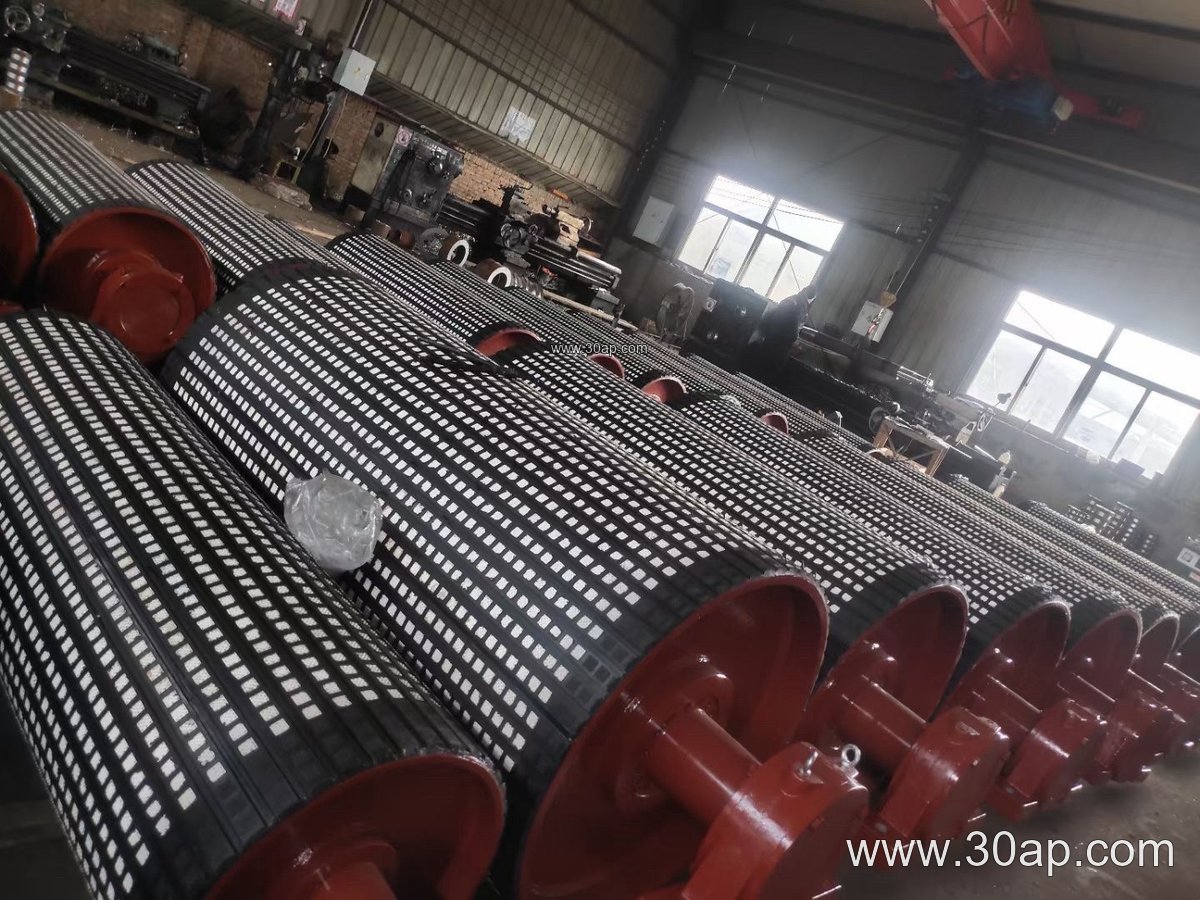
Matching the Pulley to the Belt and the Line
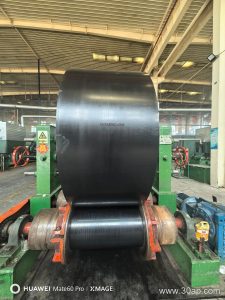
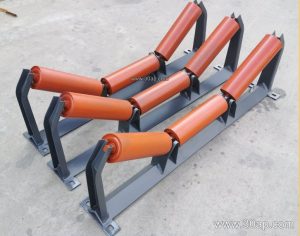
The pulley does not work alone. It interacts with the conveyor belt, the idler roller set, the frame and the conveyor bracket. A 1600mm diameter drum is often paired with wide belts such as 1400mm, 1600mm or 1800mm widths, and the shell face is normally wider than the belt. Common face widths for these belt sizes are around 1600mm for a 1400mm belt, 1800mm for a 1600mm belt and 2000mm for an 1800mm belt, though the final figure follows the conveyor design.
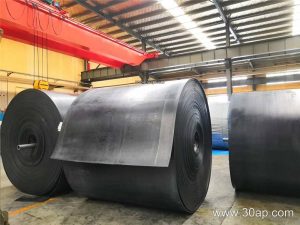
Belt construction also guides the choice. A steel cord conveyor belt or a high-strength EP conveyor belt carries more tension and usually needs a larger drum to limit bending stress in the carcass. Abrasion resistant conveyor belt used in a crusher conveyor line may call for thicker lagging, while a heat resistant conveyor belt in a cement plant or sinter line needs a cover compound that tolerates elevated temperature. In coal mining, a flame retardant conveyor belt and anti-static properties are usually required, and the pulley lagging should be selected to suit the same environment.
Selection Notes for Buyers
Before ordering, confirm the duty position, the belt width, the belt tension, the running speed and the environmental conditions. Ask for the lagging type and thickness, the shaft and bearing details, the balancing standard and the surface finish. If the pulley will be installed underground or in a dusty quarry, specify the bearing protection and the lagging groove pattern that suit the site.
It also helps to review the whole conveyor package: the belt specification, the idler roller spacing, the pulley alignment and the bracket mounting. A correctly sized 1600mm diameter conveyor pulley can then deliver long service in demanding bulk material handling, provided the surrounding components are matched with equal care.