What the EP1000 1200mm Conveyor Belt Is
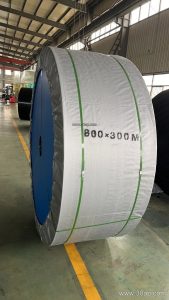
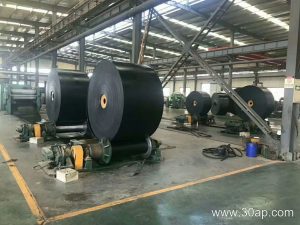
The EP1000 1200mm Conveyor Belt is a heavy-duty fabric-core belt built around a polyester-polyamide carcass rated at 1000 N/mm of tensile strength, supplied in a 1200 mm width. It sits in the upper-middle range of the EP family, above common EP200 and EP400 grades and below EP1250 and EP1500 constructions. Plants that need more strength than a standard EP Conveyor Belt but do not want the stiffness and splice complexity of a Steel Cord Conveyor Belt often land on this grade.
The 1200 mm figure is a nominal belt width, not a rule about which pulley, idler roller or conveyor bracket must be used. Matching components come from the conveyor design, not from the belt width alone.
Construction and Carcass Details
EP1000 refers to the warp direction strength of the polyester-polyamide fabric. A typical build uses multiple plies of EP fabric, usually two to six layers depending on the manufacturer, bonded under heat and pressure. The same carcass family appears in Multi-Ply Fabric Core Conveyor Belt products across many strength classes, with EP1000 as one specific rating.
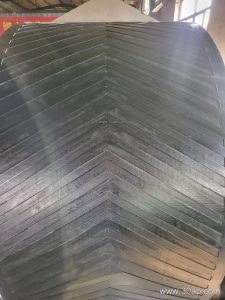
Cover rubber is specified separately, and buyers usually see it as a top and bottom thickness pair. Common combinations include 4+2 mm, 5+2 mm, 6+2 mm and 8+3 mm. A 10 mm thick belt might be 6+2 mm with a 2 mm carcass, or another arrangement entirely, so thickness alone does not identify the strength grade.
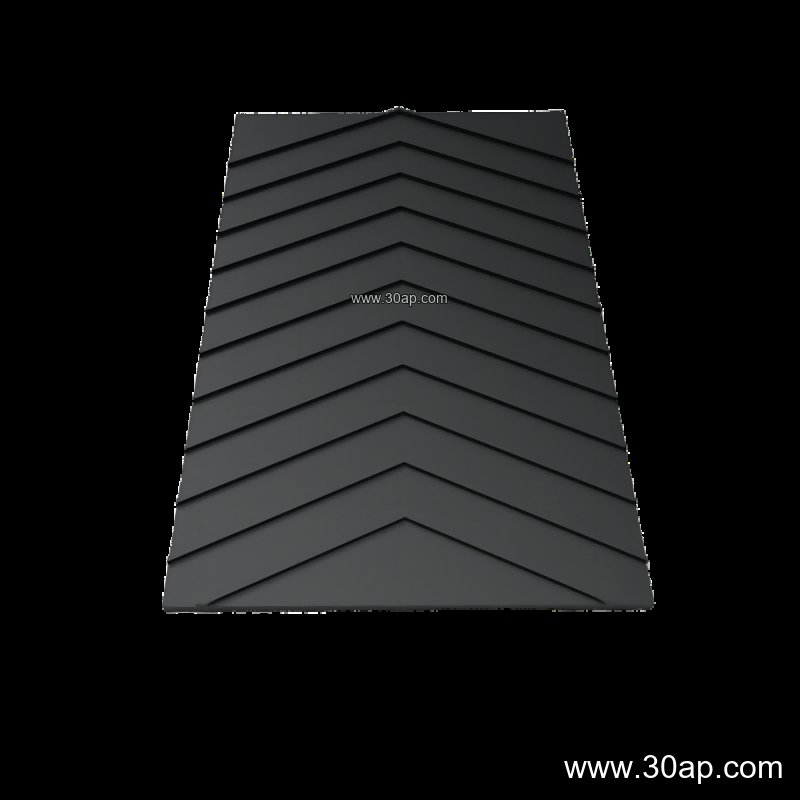
Cover Grades That Fit Different Duty
- Abrasion Resistant Conveyor Belt covers for crushed stone, sand and sinter.
- Heat Resistant Conveyor Belt compounds for cement clinker and hot ash.
- Flame Retardant Conveyor Belt and Anti-Static Conveyor Belt builds for coal handling and underground work.
- Oil Resistant Conveyor Belt grades for oily scrap and some recycled feed.
These are cover properties layered onto the same EP1000 carcass. They do not change the tensile rating.
Where a 1200 mm EP1000 Belt Fits
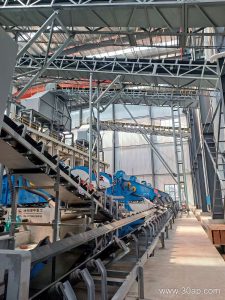
At 1200 mm, the belt handles high tonnage without going to extra-wide sizes. It appears on primary and secondary haulage in quarries, aggregate plants, cement works, power station coal yards and port loading systems. In mining, a Mining Conveyor Belt of this class may run on overland sections where a 1000mm Conveyor Belt would be too narrow and a 1400mm Conveyor Belt is more capacity than the circuit needs.
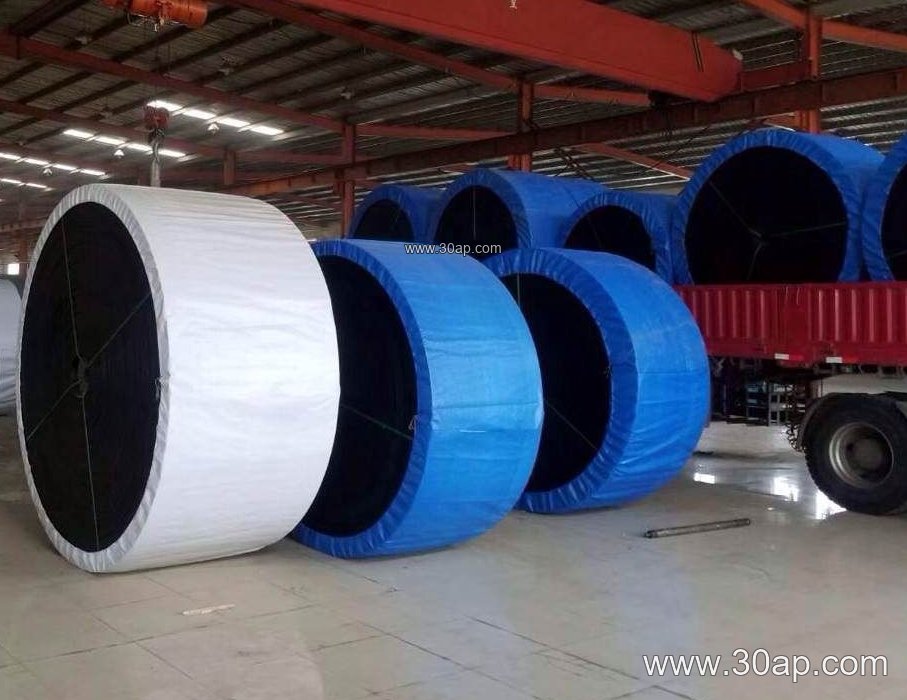
Typical service includes:
- Crushed limestone and granite on a Quarry Conveyor Belt line.
- Clinker and raw meal in cement plants.
- Coal on a Coal Mining Conveyor Belt or surface yard system.
- Iron ore and copper ore transfer in mineral processing.
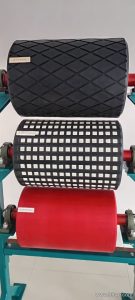
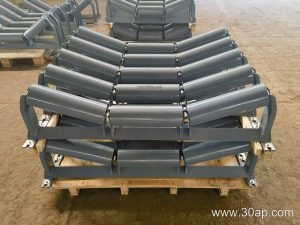
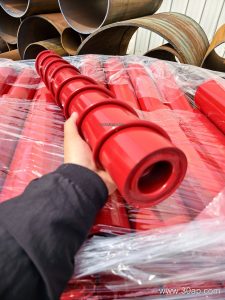
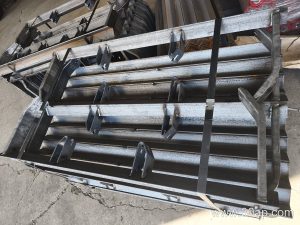
The belt is normally supported by troughing and return idler rollers, wrapped by a drive pulley and tail pulley, and held by conveyor brackets and frames. A bend pulley may redirect the return strand. None of these parts are interchangeable by name, and each is sized from belt tension, load and geometry.
Specification Snapshot
| Item | Typical Reference |
|---|---|
| Strength grade | EP1000 (1000 N/mm) |
| Belt width | 1200 mm |
| Carcass | Multi-ply EP fabric, 2 to 6 plies |
| Cover thickness | 4+2, 5+2, 6+2, 8+3 mm |
| Related grades | EP630, EP800, EP1250, EP1600 |
| Related widths | 1000mm, 1400mm, 1500mm |
Values are common industry references, not a supply promise. Each mill publishes its own data sheet.
Buyer Checklist
Confirm the actual tensile class and ply count before ordering. Check cover grade against the material being carried, since a standard Abrasion Resistant Conveyor Belt will not survive hot clinker and a Heat Resistant Conveyor Belt is wasted on cold sand. Ask about splice method, because EP1000 at 1200 mm is often joined with stepped vulcanized splices that need enough belt length and a clean press area.
Review pulley diameters and idler spacing with the conveyor designer. A wider belt does not automatically call for a larger shaft, and a 1200 mm belt can run on more than one pulley size depending on tension and wrap angle. Also confirm edge condition, since a 1200mm Wide Conveyor Belt on a misaligned frame will fray quickly at the edges.
For replacement planning, compare the existing belt’s grade marking, cover thickness and ply count with the proposed EP1000 1200mm Conveyor Belt. If the original was an EP800 or a NN Conveyor Belt, the upgrade may allow a thinner carcass at the same strength, but the take-up travel and pulley geometry still need checking.
Handling and Maintenance Notes
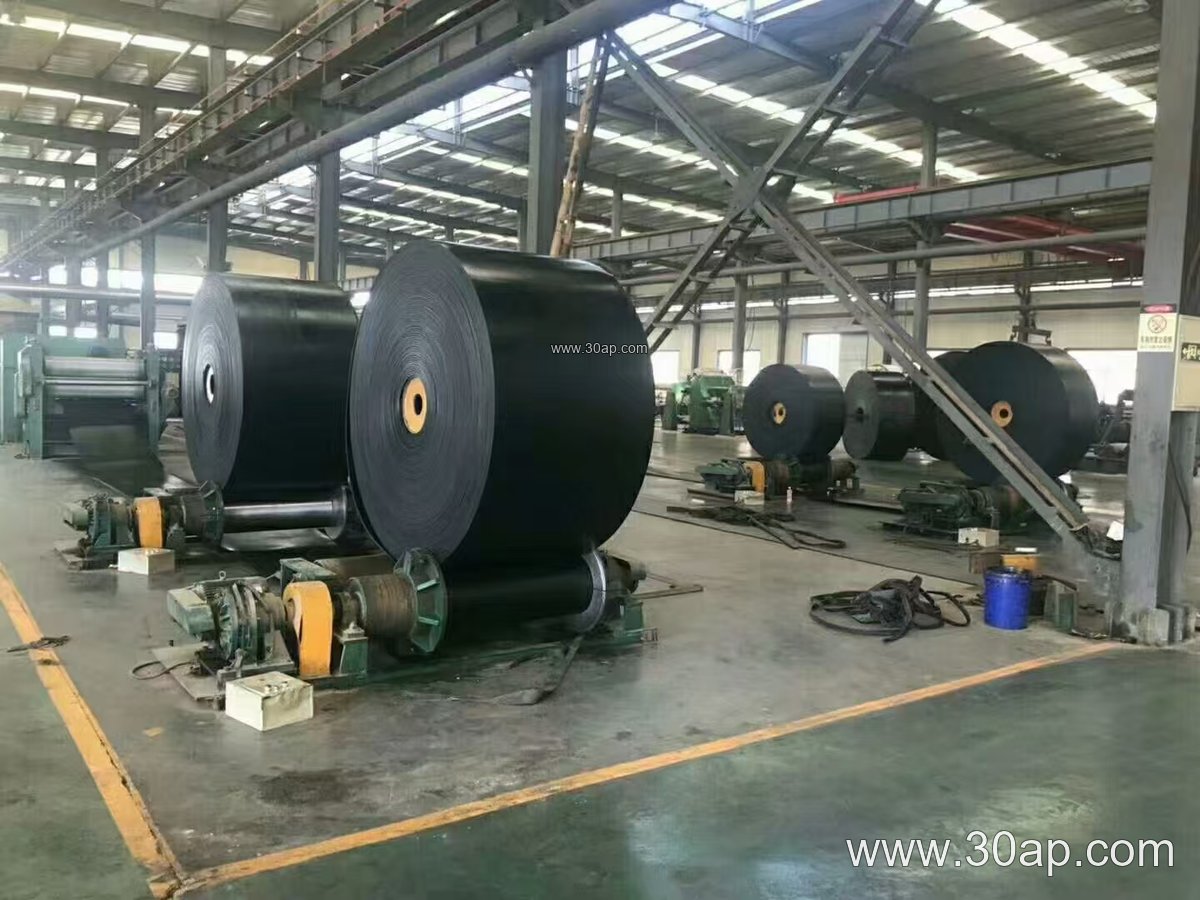
Store rolls on a dry surface, keep them off the ground and avoid sharp bends. During installation, track the belt before tensioning fully, then check idler roller alignment along the whole run. Inspect the drive pulley lagging and the tail pulley for material build-up, which causes edge damage on wide belts.
Routine checks should cover cover wear, splice condition and edge nicks. A small cut in a 6+2 mm cover can expose fabric and shorten belt life, so patch promptly. On a Bulk Material Conveyor Belt carrying abrasive rock, cover wear is the usual first limit, not carcass fatigue.