What a Heavy-Duty Mining Conveyor Belt Is
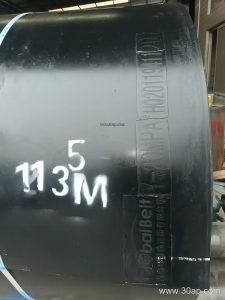
A heavy-duty mining conveyor belt is the load-bearing element of a bulk handling system built to move abrasive rock, ore, coal, and aggregate continuously over long distances. In practice, this is a heavy-duty conveyor belt specified for high tension, thick covers, and tough carcass construction so it can survive impact at the loading point and steady abrasion along the run. Buyers in mines, coal preparation plants, cement works, power stations, and sand and gravel yards often refer to the same product simply as a mining conveyor belt, and both names describe the same family of belts rather than different items.
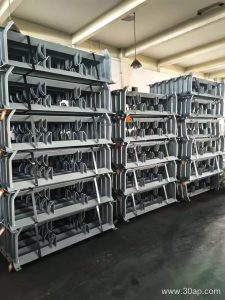
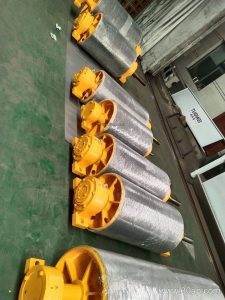
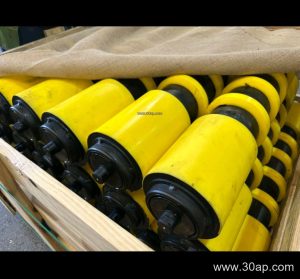
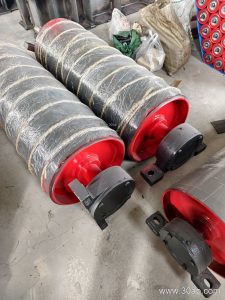
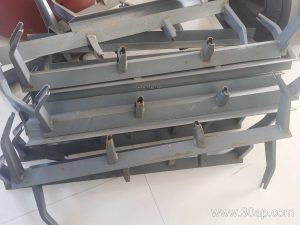
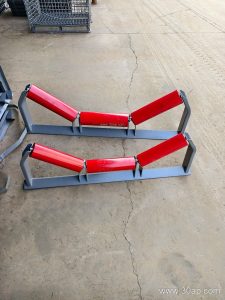
The belt is only one part of the circuit. A conveyor pulley at the drive and tail ends, idler rollers supporting the carrying and return strands, and conveyor brackets holding the structure together all interact with the belt. A well-matched system reduces edge damage and extends service life, while a mismatched one shortens it quickly.
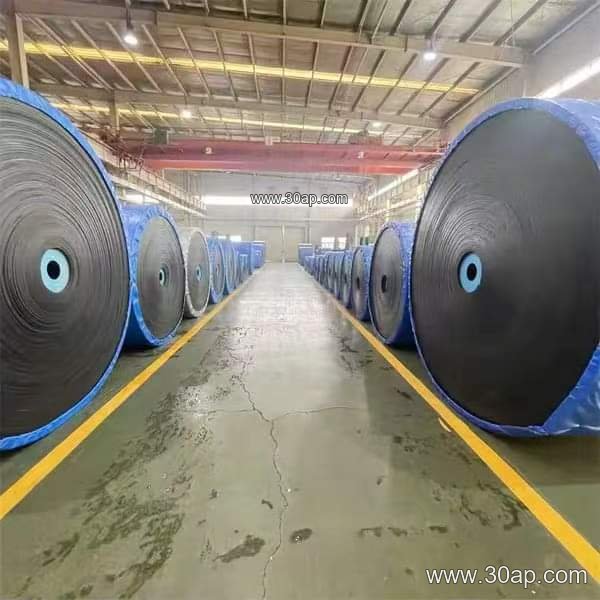
Construction and Common Configurations
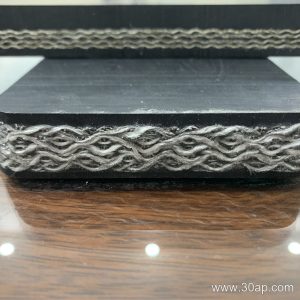
The carcass carries the tension. Fabric-core designs use multiple plies of EP or NN fabric, while steel cord belts use brass-plated wires for very high strength and long center distances. Cover compounds are selected for the duty: abrasion resistant grades for ore and rock, flame retardant and anti-static grades for underground coal mining, heat resistant grades for cement and clinker, and oil resistant grades where lubricants or oily feedstock are present.
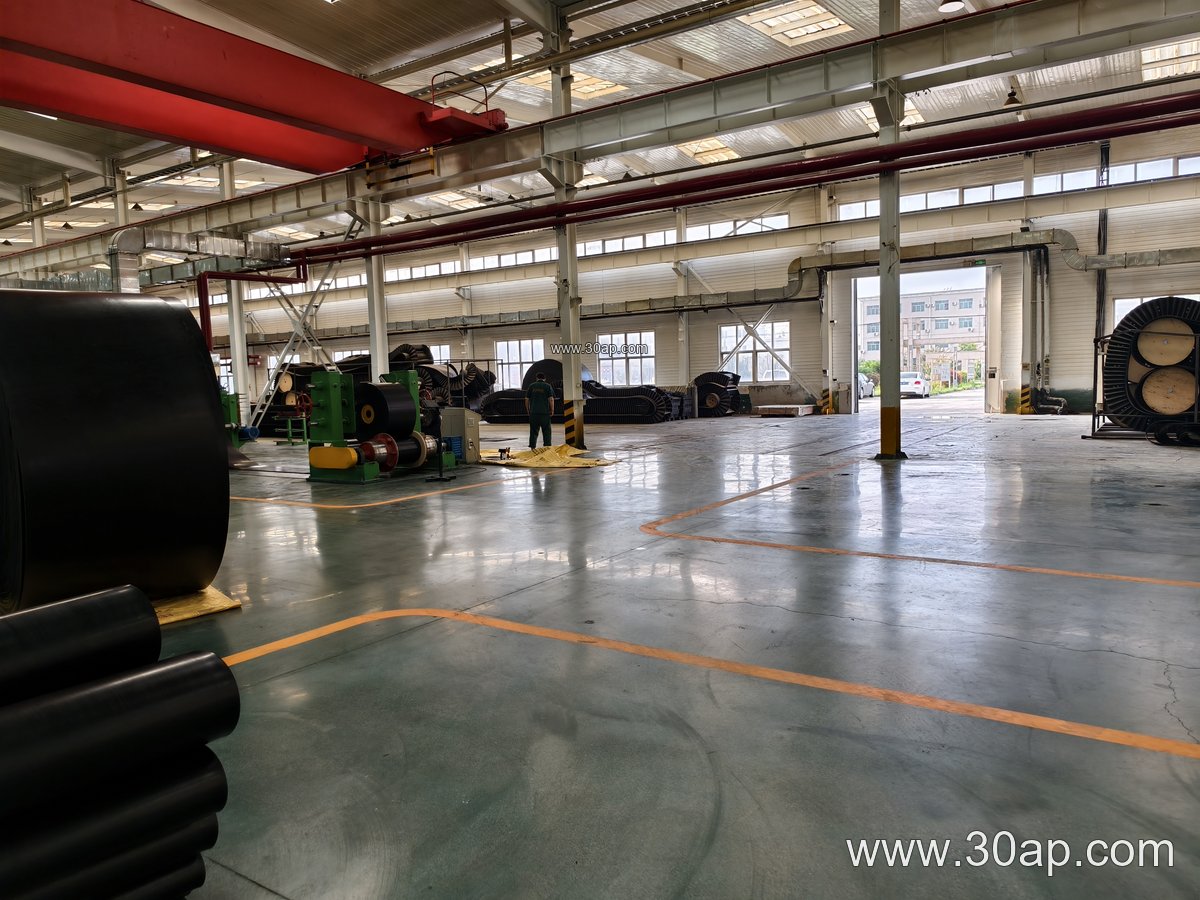
Common reference values, to be confirmed with the supplier for each project, look like this:
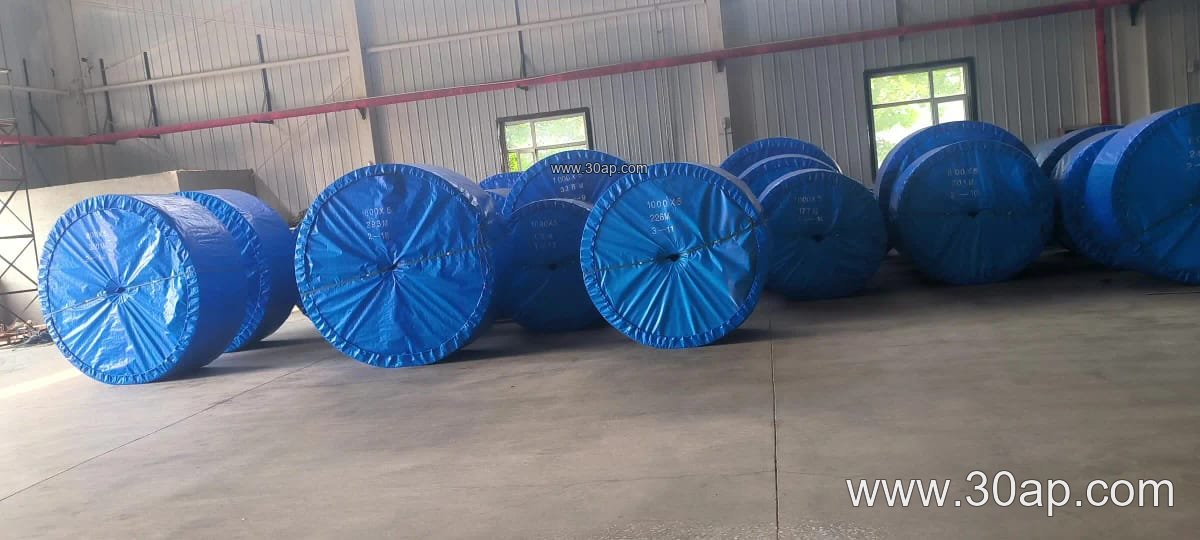
- Fabric types: EP conveyor belt and NN conveyor belt carcasses, often 2 to 6 plies
- Strength grades: EP200, EP400, EP630, EP800, EP1000, EP1250, and higher
- Steel cord grades: ST1000, ST1600, ST2000, ST2500
- Belt widths: B500, B650, B800, B1000, B1200, B1400, B1600, B1800, B2000
- Cover thickness examples: 4+2 mm, 5+2 mm, 6+2 mm, 8+3 mm
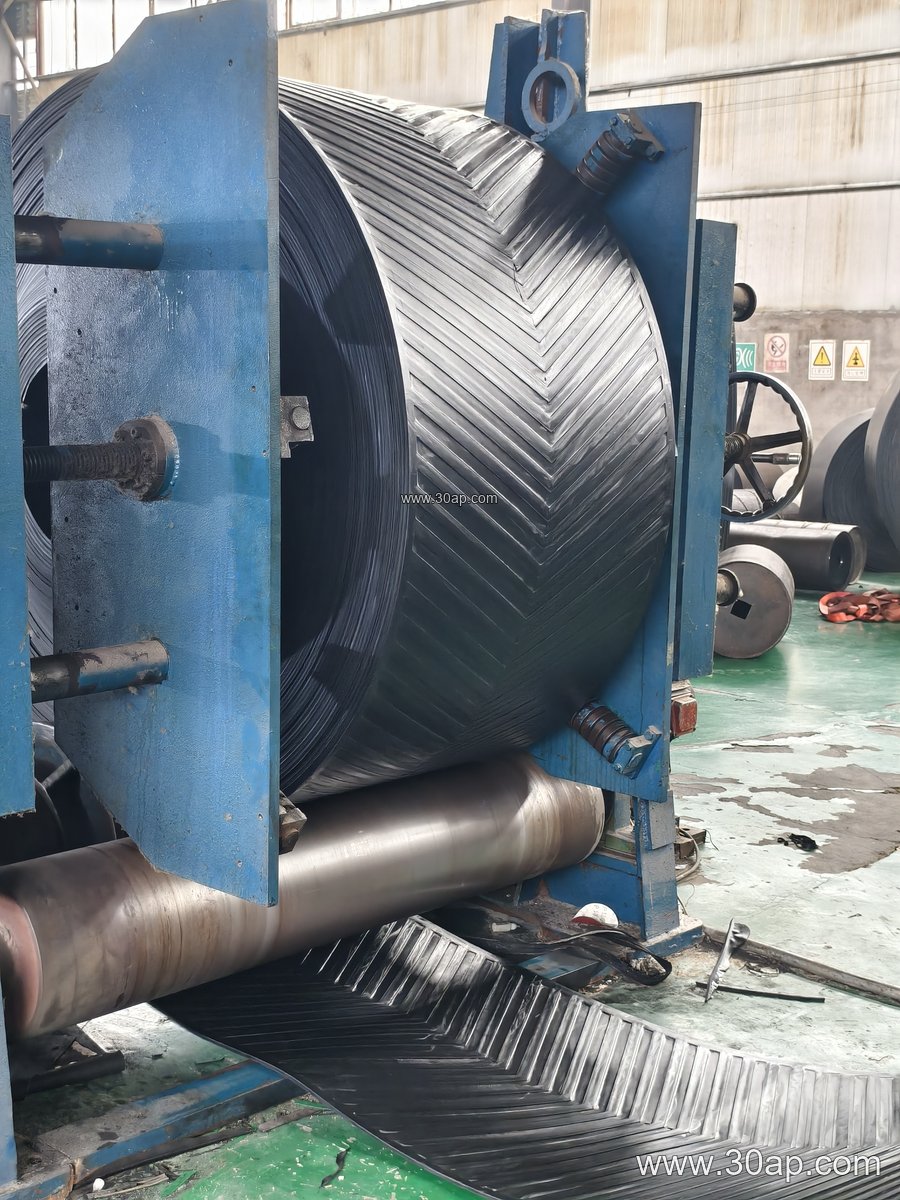
Special profiles are available when the route demands them. A chevron conveyor belt or corrugated sidewall belt helps on inclines, a skirted belt contains material at transfer points, and a pipe conveyor belt encloses the load on curved routes. These are variants of the same heavy-duty family, chosen for geometry rather than as replacements for a standard flat belt.
Where It Works
In a coal mine, a flame retardant conveyor belt with anti-static properties is typically required for underground sections, while surface coal handling may use a high abrasion resistant conveyor belt. Iron ore, copper ore, and gold mining operations usually favor thick abrasion resistant covers and robust splices because sharp lump ore punishes the surface. Quarries and stone crushing lines move limestone and granite over relatively short but steep runs, where impact resistant belts and well-placed idler rollers at the loading zone matter. Cement plants and power plants handle clinker, coal, and limestone, often with heat resistant or fire resistant grades near hot processes. Ports and ship loading facilities use wide belts, sometimes 1800 mm or 2000 mm, to achieve high tonnage with fewer transfer points.
Selection Points for Buyers
Start with the material: lump size, moisture, temperature, and whether it is oily, acidic, or dusty. Then confirm the duty cycle and the maximum gradient, since a steep incline may call for a chevron or sidewall design. Tension calculations determine whether an EP fabric core or a steel cord construction is appropriate; a 1200 mm wide belt and a 1800 mm wide belt are not interchangeable, and belt width should never be used alone to fix pulley or shaft dimensions, which are set by the conveyor designer.
Ask about splice method, cover grade, and edge protection. Check that the pulley diameter suits the carcass, and that troughing idler rollers match the belt width and load. For underground coal work, confirm flame retardant and anti-static performance in writing. For cold climates, a cold resistant compound avoids cracking at start-up.
Maintenance and Longevity
Most premature failures begin at the loading point or the splice. Keep skirt rubber and chute liners adjusted so material does not wedge against the belt, inspect idler rollers for seizure, and check pulley lagging for wear. Track alignment regularly to prevent edge fraying. Store spare belts flat and dry, and rotate stock so the rubber does not age unevenly. A planned inspection routine on a heavy-duty mining conveyor belt costs far less than an unplanned stoppage in a coal plant or quarry.