What a Ø133 Return Idler Does on a Conveyor
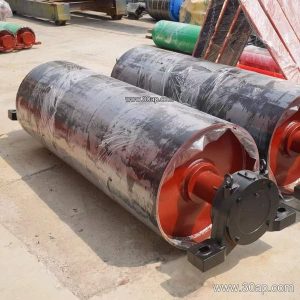
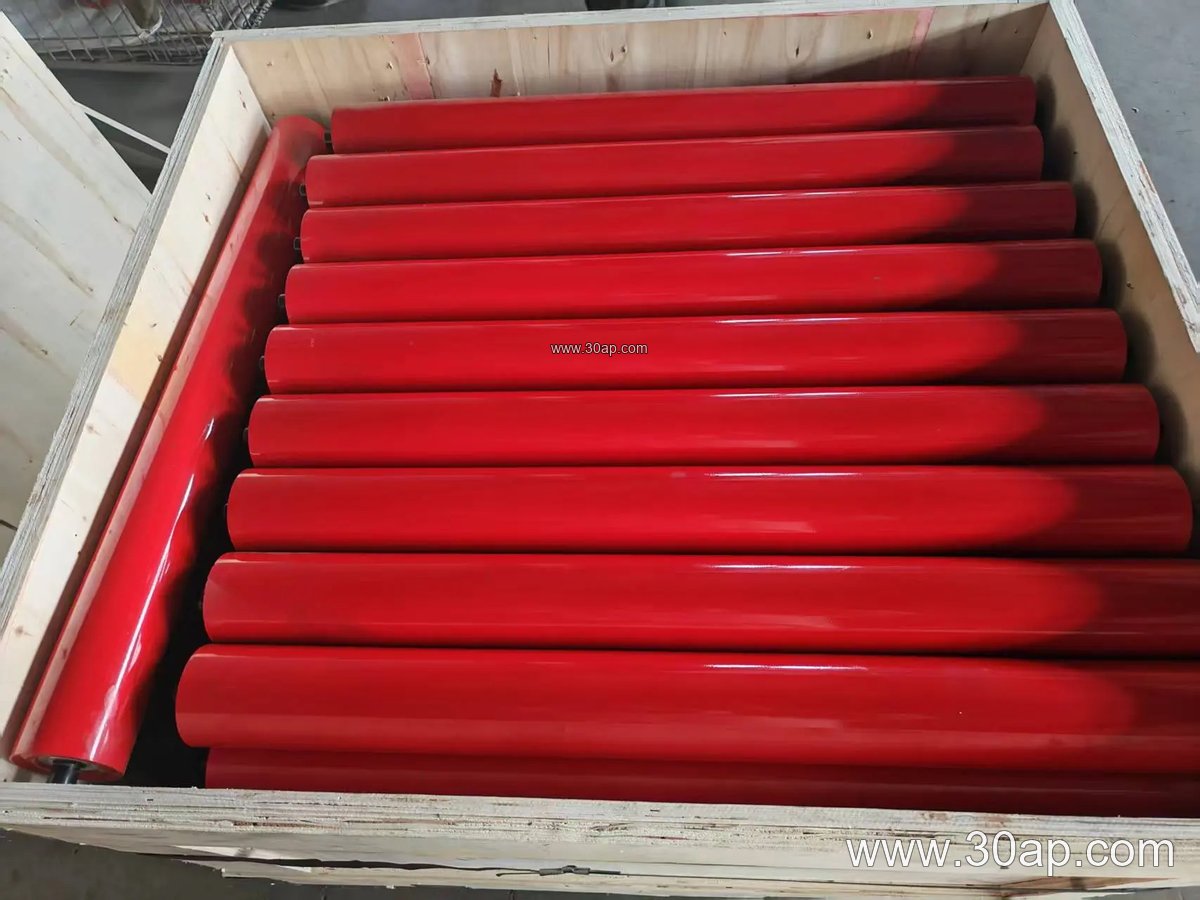
A Ø133 return idler is a 133 mm diameter roller that supports the empty (return) strand of a conveyor belt. It sits beneath the belt on the return side, keeping the belt from sagging and helping it track smoothly. This return idler roller is a common sight in bulk handling operations, from a quarry conveyor belt line to a coal mining conveyor belt system. Its job is simple but vital: carry the belt weight, reduce friction, and protect the belt from premature wear.
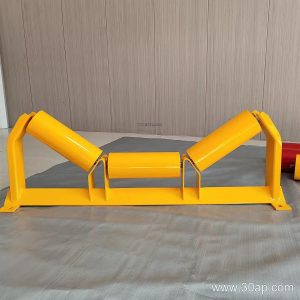
Unlike carrying idlers on the top side, return idlers often use a flat or V-shaped profile. The Ø133 size is a popular middle-ground diameter, offering good load capacity without excessive weight. When matched correctly with the conveyor belt width and the conveyor bracket spacing, it contributes to stable belt travel and lower energy consumption.
Construction and Key Components
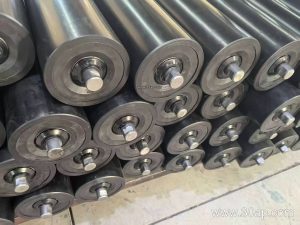
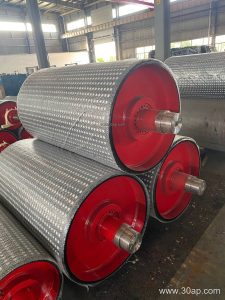
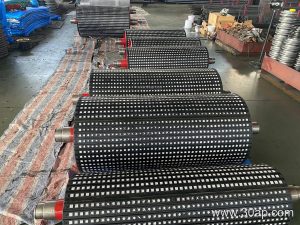
A typical Ø133 return idler consists of a steel tube shell, bearing housings, a shaft, and seals. The roller surface may be plain steel, or it can be fitted with rubber rings for cushioning in sticky or abrasive conditions. Bearing sizes are selected according to the load and shaft design; common options include 6205, 6305, and 6306, but the exact choice depends on the idler manufacturer’s engineering. Seals are critical in dusty environments such as a cement plant or sand and gravel yard, where fine particles can quickly destroy unprotected bearings.
The idler roller must rotate freely. A well-sealed, balanced roller reduces drag on the conveyor belt and extends the life of both the belt and the idler. The shaft ends are usually designed to fit standard conveyor brackets, allowing straightforward replacement.
Where the Ø133 Return Idler Fits
This return idler is used in a wide range of industries. In a limestone mine or iron ore plant, it supports the return strand after the discharge point. In a power plant coal handling system, it helps maintain belt alignment on long runs. The Ø133 diameter is often chosen for medium-duty conveyors, but it can also appear in heavy-duty mining conveyor belt circuits when the belt width and load are moderate.
It is not a drive pulley, tail pulley, or bend pulley; those are different components with distinct roles. The return idler works together with these pulleys but does not replace them. Similarly, a V-return idler or a flat return idler are subtypes of return idlers, and the Ø133 size can be found in both configurations.
Size, Fit, and Selection Notes
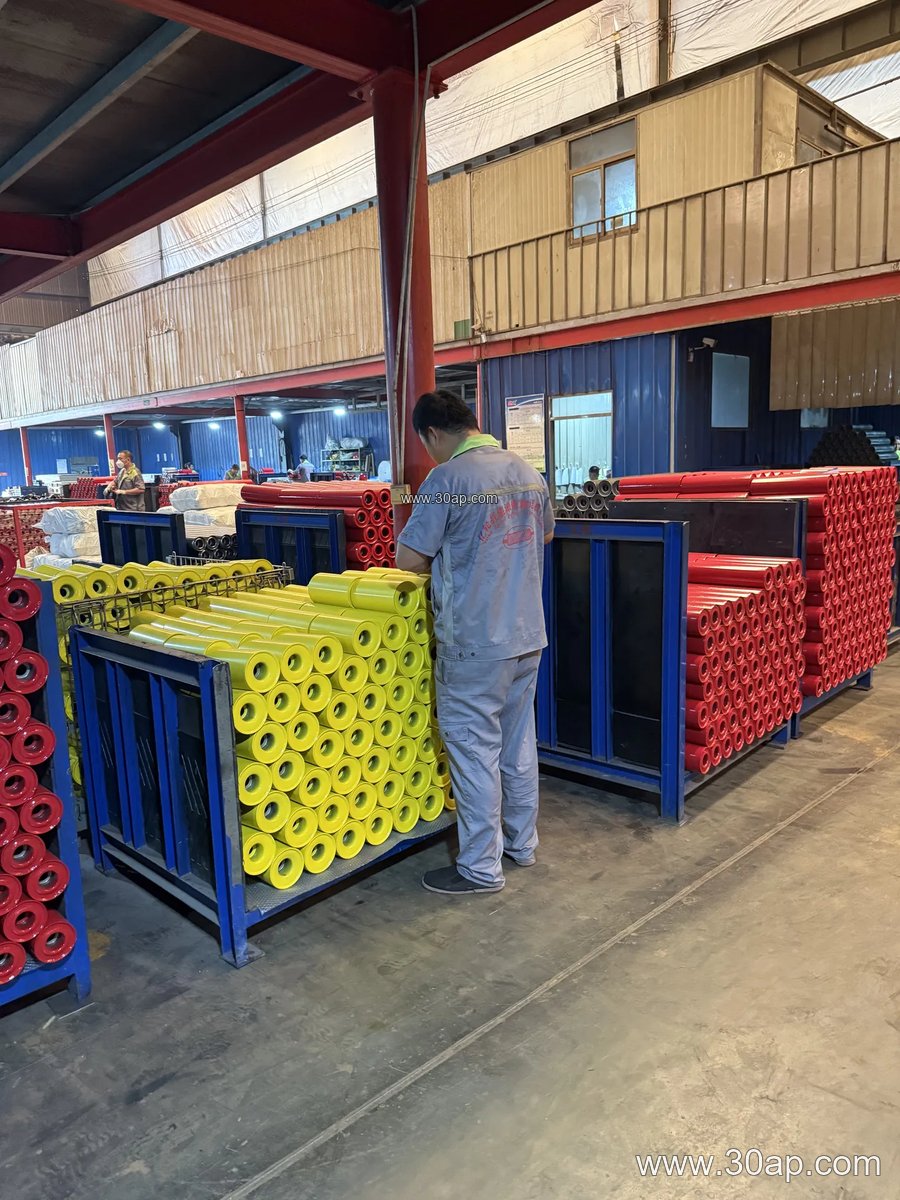
Matching the idler to the conveyor belt width is important. The roller length varies with belt width and idler arrangement. For reference, common roller lengths for three-roll carrying idlers are roughly 200 mm for B500, 250 mm for B650, 315 mm for B800, and 380 mm for B1000. Return idlers often use a single roller across the belt width, so the length should be specified according to the actual conveyor design. Do not assume that one belt width automatically dictates a fixed shaft diameter or bearing size; those are determined by the load calculation and the manufacturer’s design.
Below is a general reference table for common idler diameters and typical belt width ranges. These are examples, not universal rules:
| Idler Diameter | Typical Belt Width Range | Common Bearing Options |
|---|---|---|
| Ø89 | B500–B650 | 6204, 6205 |
| Ø108 | B650–B800 | 6205, 6305 |
| Ø133 | B800–B1200 | 6305, 6306, 6308 |
| Ø159 | B1000–B1400 | 6308, 6310 |
For a Ø133 return idler, a belt width around 800 mm to 1200 mm is often a practical match, but the final selection should consider belt speed, material weight, and environmental conditions. In a dusty quarry or a coal mining conveyor belt, sealed bearings and a robust shell are more important than chasing the lowest price.
Buyer Checklist for Return Idlers
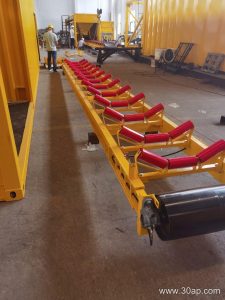
- Confirm the required roller diameter and length for your conveyor bracket spacing.
- Specify the belt width and the return idler type (flat, V-return, or rubber-disc).
- Check the bearing size and sealing class for dusty or wet conditions.
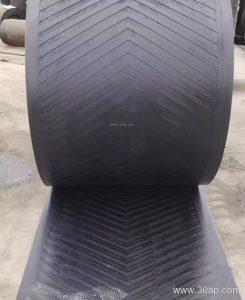
- Consider the belt construction: a heavy-duty mining conveyor belt or an abrasion resistant conveyor belt may demand a stronger idler.
- Ask for installation dimensions and confirm compatibility with existing conveyor brackets.
Whether the application is a quarry conveyor belt, a cement plant, or an underground mining conveyor belt, the Ø133 return idler is a dependable component when correctly specified. Pair it with quality conveyor pulleys and well-maintained belts to keep the entire system running efficiently.