What a Heavy-Duty Conveyor Bracket Really Does
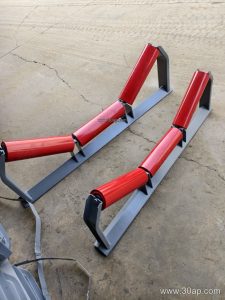
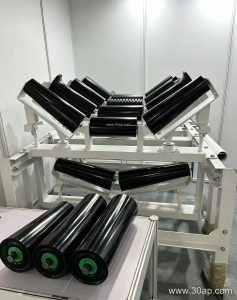
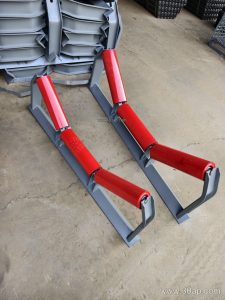
A heavy-duty conveyor bracket is the structural backbone that holds idler rollers in the correct position along a conveyor line. In practice, this component is often called a heavy-duty conveyor idler bracket or heavy-duty roller support bracket, and it carries the load of the belt, the material, and the rollers themselves. In a crusher circuit at a quarry, or on a coal handling line at a power plant, the bracket is the part that keeps the trough shape steady shift after shift. It is a small item in the bill of materials, but it decides how evenly the belt runs and how long the rollers last.
The bracket is not a pulley. Drive pulleys, tail pulleys, and bend pulleys transmit or redirect belt tension, while the bracket simply supports the carrying and return strands. Mixing these roles up leads to the wrong spare parts and wasted downtime.
How the Bracket Is Built
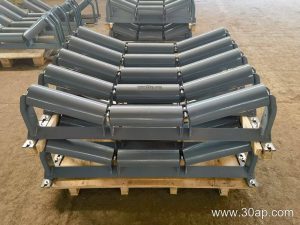
Most heavy-duty conveyor brackets are fabricated from angle steel, channel steel, or folded steel plate. The grade and thickness are chosen for the load and the environment, so a bracket for an iron ore terminal is usually heavier than one for a light aggregate line. Slots and holes are positioned so the idler roller sits at the intended trough angle, and the crossbeam length follows the belt width rather than a single fixed figure.
Common structural details include:
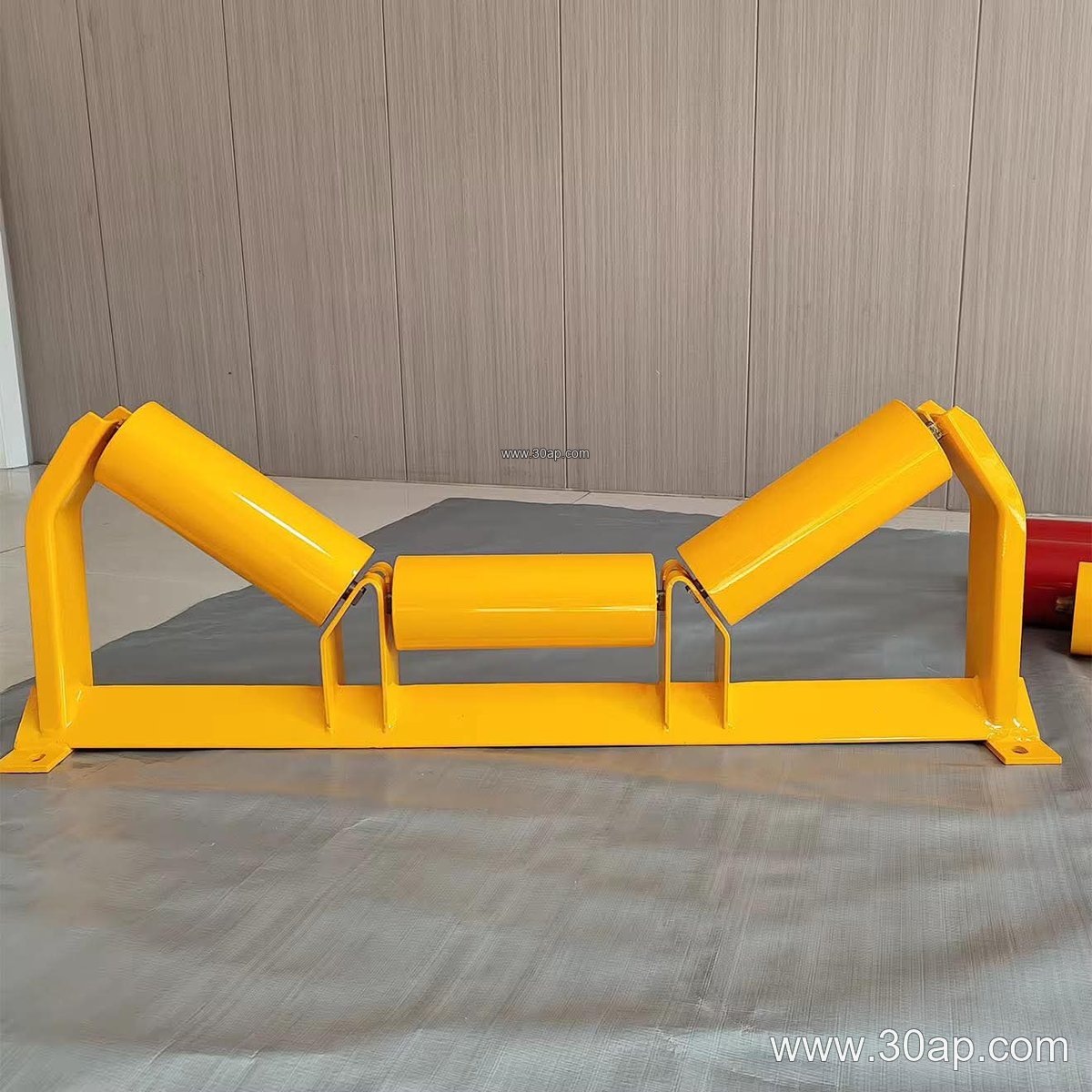
- Reinforced weld joints at the corners where the load concentrates
- Slotted mounting holes that allow small alignment corrections during installation
- Adjustable versions with several hole positions to change trough angle
- Hot-dip galvanized or painted finishes for wet or dusty service
Fabricators usually match the bracket to the belt width and roller diameter, since a B1200 line with Ø133 rollers needs a different frame from a B650 line with Ø89 rollers.
Where These Brackets Are Used
You will find heavy-duty conveyor brackets on troughing idler stations, transition sections, and return stands. In a limestone mine, they support the carrying run right after the crusher discharge, where impact and lump size are high. At a cement plant, they hold rollers under a heat resistant conveyor belt on clinker lines, and at a port they sit beneath a steel cord conveyor belt moving ore at high tonnage.
Other common settings include coal preparation plants, sinter plants, sand and gravel yards, and tunnel spoil handling. The bracket design changes with the duty: a buffer bracket under a loading point absorbs impact, a self-aligning bracket helps correct belt drift, and a V-return bracket supports the belt on the return side.
Types and Typical Reference Values
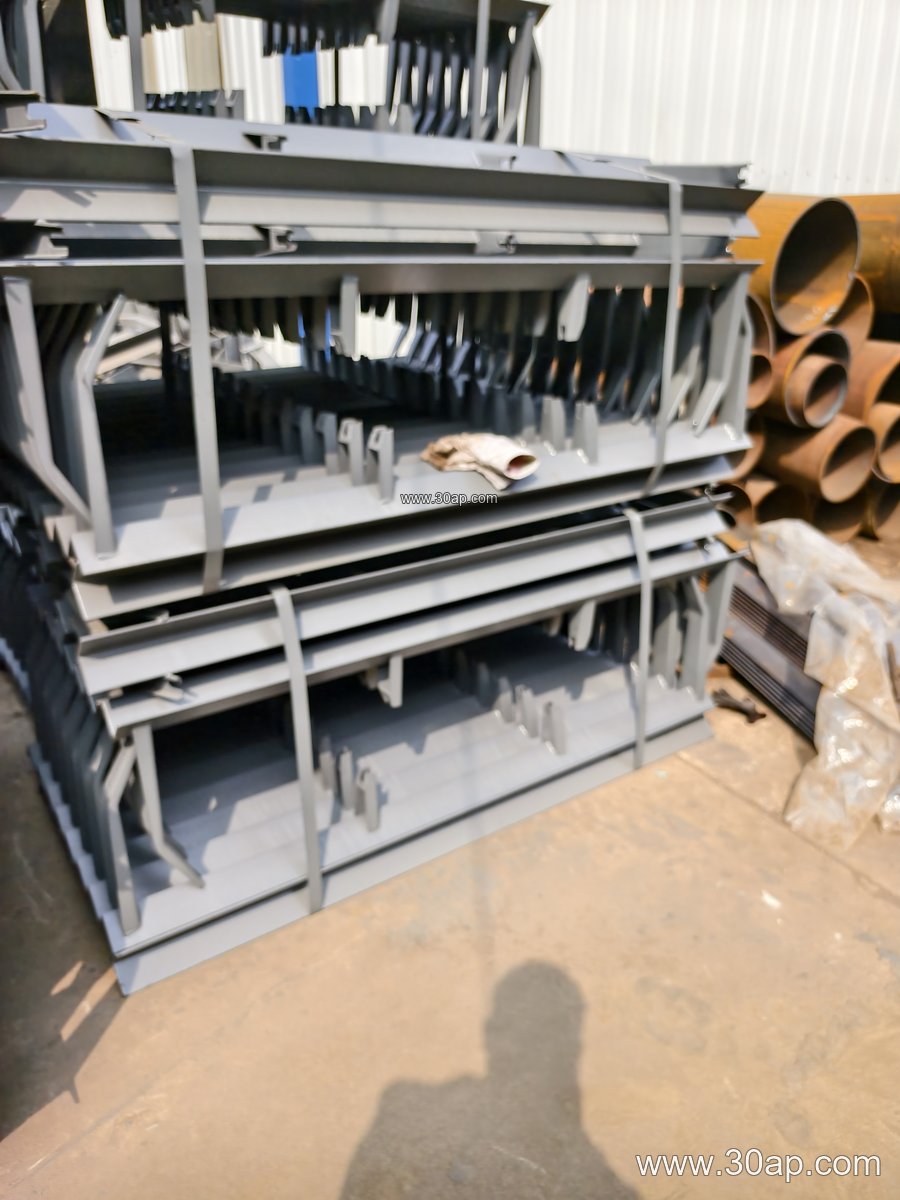
Brackets come in several forms, and the right one depends on the station. Trough brackets carry the top run, transition brackets ease the belt from flat to troughed, and return brackets support the lower strand. Adjustable brackets let maintenance staff fine-tune the trough angle without replacing the frame.
The table below shows common reference combinations. These are typical ranges, not fixed rules, and final dimensions are set by the conveyor design.
| Belt Width | Trough Angle | Roller Diameter | Typical Bracket Form |
|---|---|---|---|
| B500 | 20° or 30° | Ø89 | Trough bracket, fixed |
| B650 | 30° | Ø89 or Ø108 | Trough bracket, adjustable |
| B800 | 35° | Ø108 | Trough bracket, transition |
| B1000 | 35° or 45° | Ø108 or Ø133 | Trough bracket, impact |
| B1200 | 45° | Ø133 | Heavy trough bracket |
| B1400 | 35° or 45° | Ø133 or Ø159 | Heavy trough bracket |
| B1600 | 35° or 45° | Ø159 | Reinforced trough bracket |
| B1800 | 35° or 45° | Ø159 or Ø194 | Reinforced trough bracket |
A forward-leaning idler position of about 1.5° to 2° is sometimes used with these brackets to help center the belt. Hole spacing and beam length vary with belt width and trough angle, so they should be confirmed against the drawing.
What Buyers Should Check Before Ordering
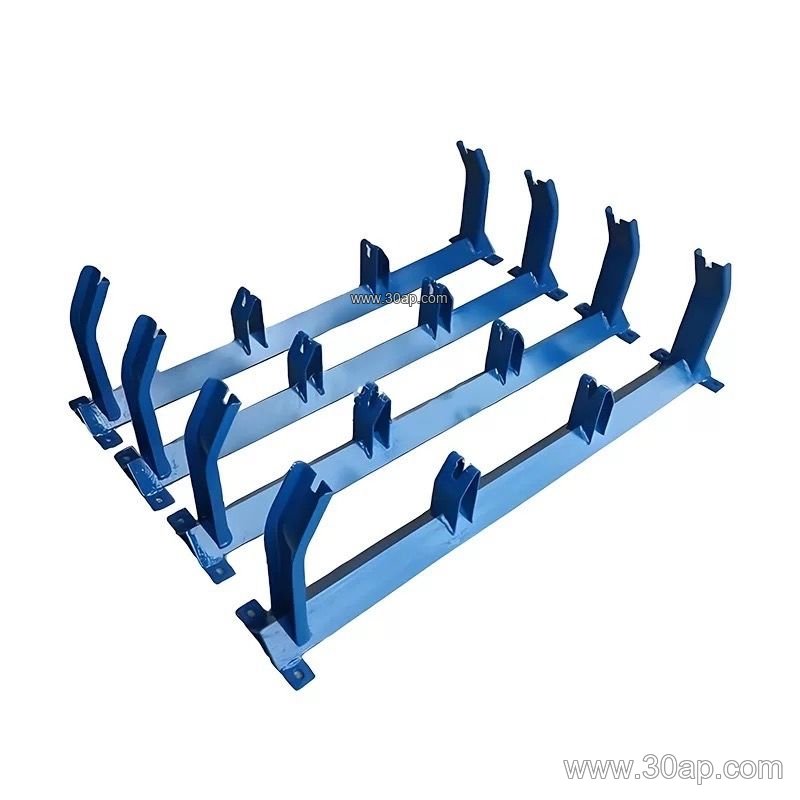
Start with the belt width and the roller diameter, then confirm the trough angle and the station type. Ask whether the bracket is fixed or adjustable, and check the steel section and finish against the site conditions. A wet coal yard and a dry sand plant do not need the same coating.
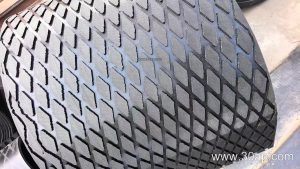
Also confirm the mounting hole pattern, since a replacement bracket must line up with the existing stringer. If the line carries an abrasion resistant conveyor belt or a flame retardant conveyor belt, the bracket still needs to match the idler frame, not the belt cover grade. For high-tonnage lines using a steel cord conveyor belt or a heavy-duty mining conveyor belt, specify reinforced brackets at impact and transition points.
Finally, keep a small stock of common brackets and idler rollers together so maintenance crews can replace a damaged support without waiting on a full delivery. Buyers can check the product range at www.mingxinconveyor.com and compare bracket forms against their existing conveyor layout.
Installation and Maintenance Notes
Set the brackets square to the belt centerline and tighten fasteners evenly. Check alignment after the first few days of running, because a bracket that shifts slightly can cause belt drift and uneven roller wear. In dusty plants, clean the slot areas so adjustable brackets still move when the trough angle needs correction. Inspect welds and coating at each scheduled shutdown, especially in washdown or coastal areas.
Used correctly, a heavy-duty conveyor bracket is a low-cost part that protects the belt, the rollers, and the whole conveying system.