What the Conveyor Head Pulley Does
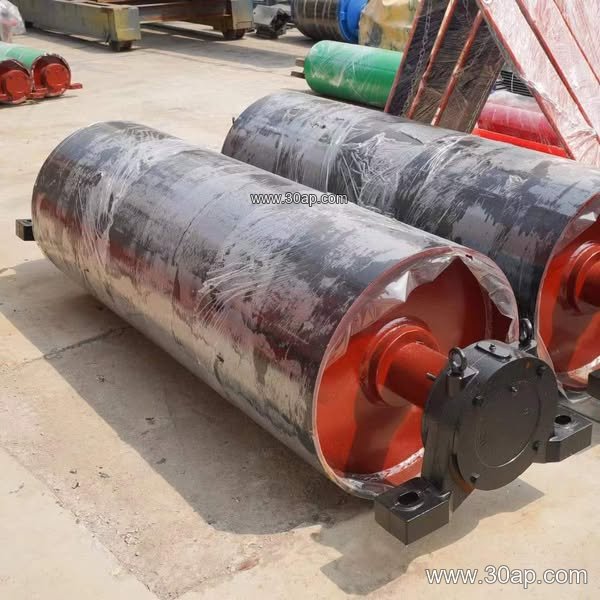
The conveyor head pulley sits at the discharge end of a belt conveyor and performs two jobs at once. It transmits the drive torque that keeps the belt moving, and its cylindrical shell supports the belt as the material is thrown off into the chute or onto the next stage. Because it carries the full tension of the returning belt and often the highest load in the system, this component is frequently called the drive pulley or discharge pulley, and those names describe the same part rather than different products.
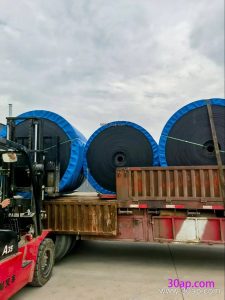
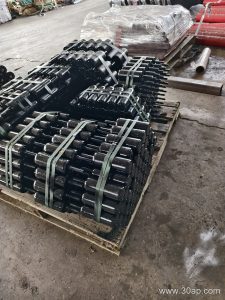
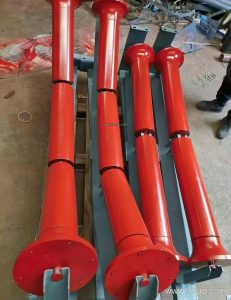
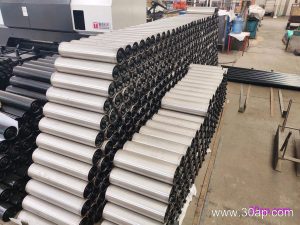
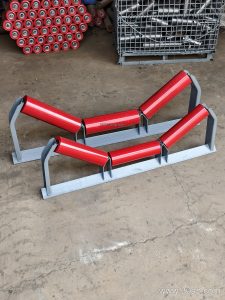
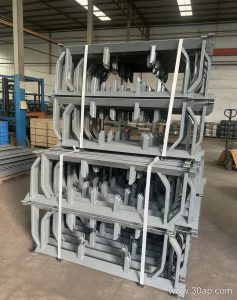
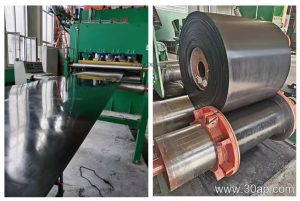
In a quarry, limestone mine, or sand and aggregate line, the head pulley usually works alongside a conveyor belt, idler roller sets, and a sturdy conveyor bracket frame. A poorly matched head pulley shows up quickly as belt mistracking, slippage, or premature wear on the lagging surface.
How the Head Pulley Is Built
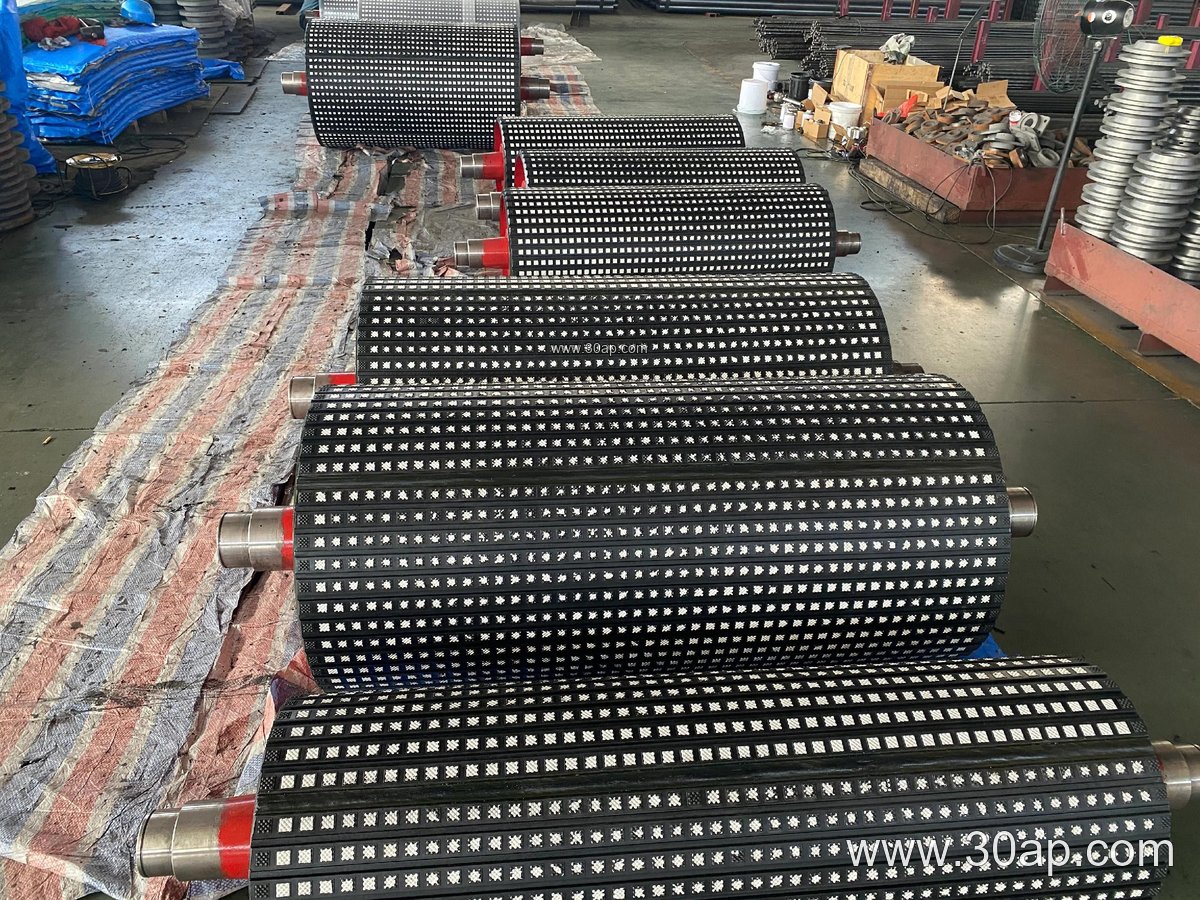
The typical assembly combines a welded steel shell, two end discs, a shaft, and bearing housings. Many designs use a hub and locking ring so the shell can be replaced without cutting the shaft. Surface treatment matters as much as the core structure:
- Plain finish for light duty or where the belt already has good grip.
- Rubber lagging applied cold or vulcanized hot, often in diamond or herringbone patterns to shed water and fines.
- Ceramic lagging for wet, abrasive duty in washing plants and port terminals.
Common lagging thicknesses are 8, 10, 12, 15, and 20 mm, chosen according to torque and environmental conditions. Shell diameters commonly range from Ø200 up to Ø1250 and beyond, while shaft diameters such as Ø80, Ø100, Ø120, or Ø160 are determined by torque and bearing load, not by belt width alone.
Matching Pulley Geometry to the Belt
The pulley face width is normally a little wider than the belt it carries. Reference values include B650 belt with roughly 750 mm face, B1000 with about 1150 mm, and B1400 with around 1600 mm. A combination such as B1200 × Ø1000 or B800 × Ø500 is common, but no single belt width locks you into one diameter. The diameter should be checked against the belt’s minimum pulley requirement, the allowable belt tension, and the space available in the head frame.
When the conveyor handles a heavy-duty mining conveyor belt or a steel cord conveyor belt, the head pulley needs a larger diameter and stronger shaft to limit bending stress in the carcass. For a fabric core conveyor belt on a shorter run, a smaller shell may be perfectly adequate.
Where It Fits in the Conveyor Layout
Drive, tail, and bend pulleys are not interchangeable, and each position places different demands on the assembly. The head pulley handles the highest combined tension and the discharge impact, the tail pulley guides the belt at the loading point, and a bend pulley simply changes direction. On a coal mining conveyor belt system, for example, the head pulley is often specified with flame retardant lagging and a robust bearing arrangement, while the bend pulleys carry lighter loads.
Common installations include:
- Power plant coal handling and cement plant clinker lines.
- Iron ore and copper ore transfer stations.
- Crushing and screening circuits in stone crushing plants.
- Port ship loading conveyors and bulk material terminals.
What Buyers Should Confirm Before Ordering
A clear specification prevents most field problems. Confirm the belt width, the required shell diameter, the shaft diameter and material, the lagging type and thickness, and the bearing style. Ask how the pulley will be balanced and whether the locking assembly suits your maintenance plan. For abrasive duty, a high abrasion resistant conveyor belt paired with ceramic lagging usually extends service life, while an oil resistant conveyor belt may need a compatible rubber compound on the shell.
Finally, check the conveyor bracket dimensions and the centre height so the new head pulley aligns with the existing frame. A correctly sized head pulley, running with well-aligned idler rollers and a properly tensioned belt, keeps discharge clean and reduces downtime across mining, cement, and bulk handling operations.