What a Heavy-Duty Steel Conveyor Bracket Does
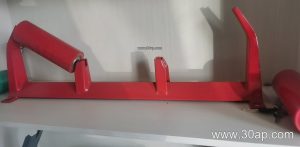
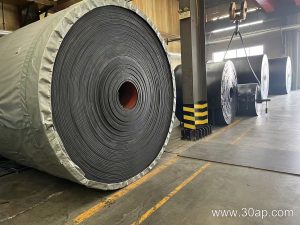
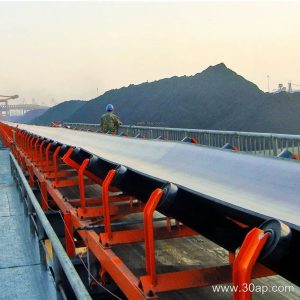
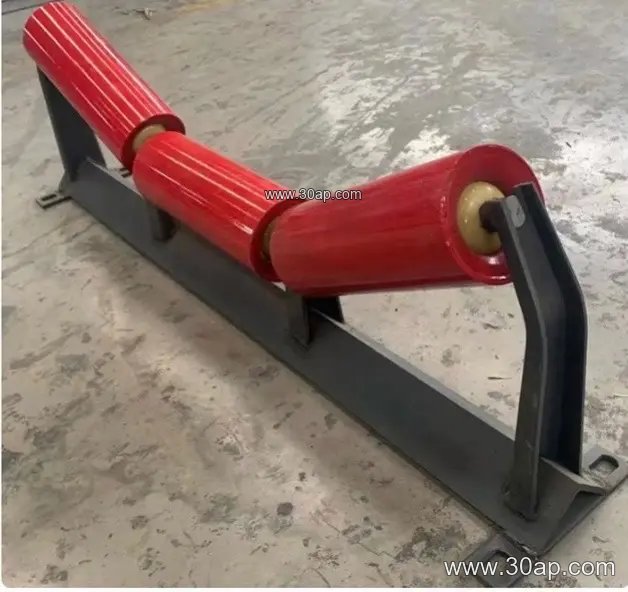
A heavy-duty steel conveyor bracket is the structural support that holds idler rollers in place along a conveyor system. It carries the weight of the conveyor belt, the material load, and the dynamic forces of continuous operation. In a quarry or a coal mining operation, the bracket must withstand impact, vibration, and abrasive dust without losing alignment. The bracket works together with the idler roller and the conveyor pulley to keep the belt tracking smoothly. Whether you run an EP conveyor belt or a steel cord conveyor belt, the bracket provides the stable base that keeps the entire line running.
How It Is Built
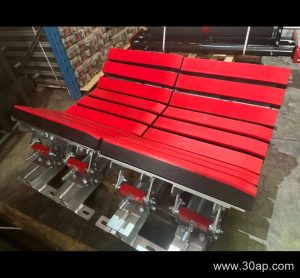
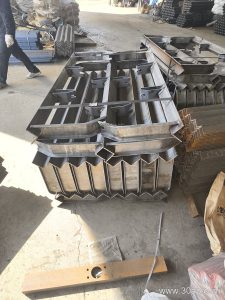
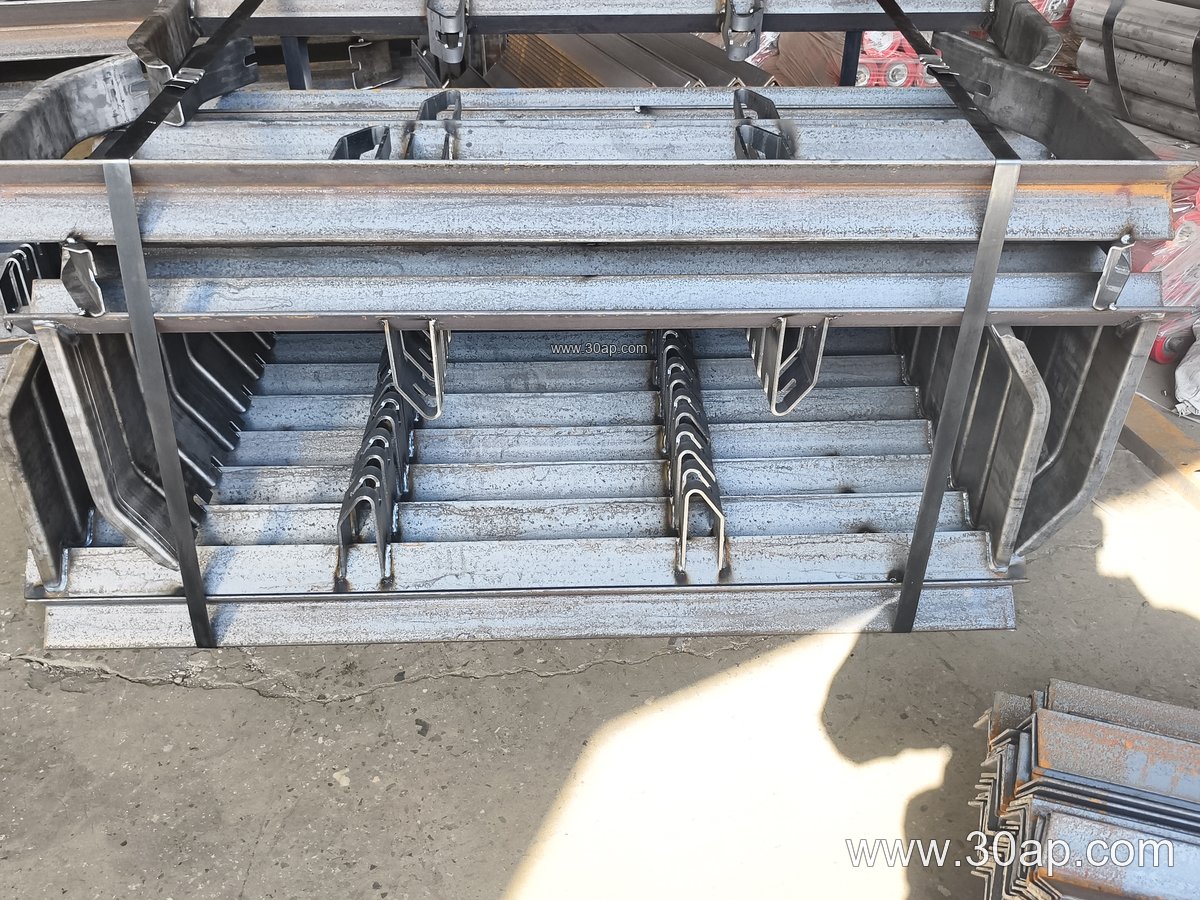
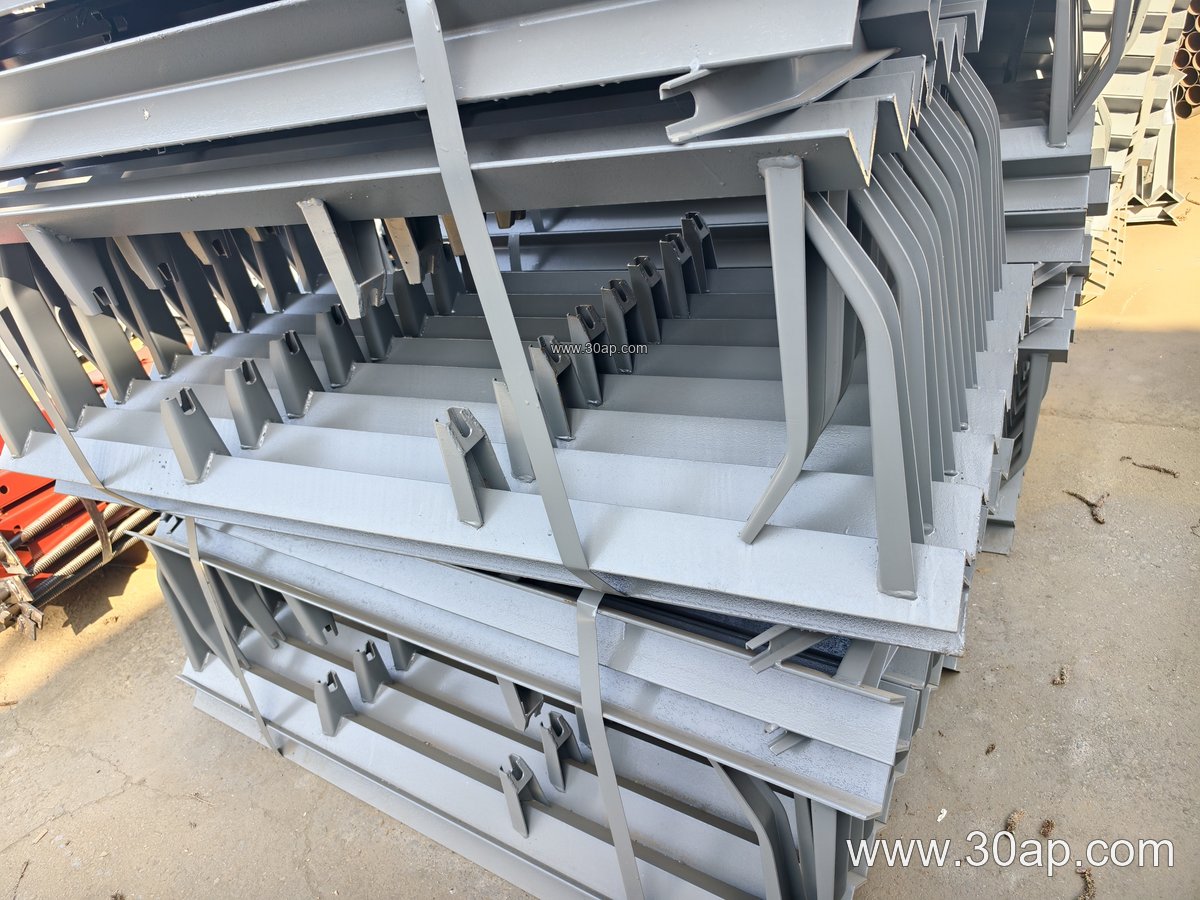
These brackets are typically fabricated from angle steel, channel steel, or bent steel plate. The material thickness and weld quality determine the load capacity. A heavy-duty steel conveyor bracket often features reinforced gussets and precise mounting slots so the idler roller sits at the correct height and angle. The bracket may be fixed or adjustable, depending on the trough angle required. Common trough angles include 20, 30, 35, and 45 degrees. Adjustable brackets allow operators to change the trough angle to suit different bulk material conveyor belt loads. For example, a B800 belt with a 35-degree trough and Ø108 idler roller would use a bracket designed for that combination. The bracket’s crossbeam length and hole spacing vary with belt width and trough angle, so they are determined by the conveyor design rather than a fixed number.
Where It Is Used
You will find heavy-duty steel conveyor brackets in crushing and screening plants, cement works, power station coal yards, and port loading facilities. In a sand and gravel line, the bracket supports the conveyor belt through the loading zone and along the run. In a coal washing plant, the bracket must resist moisture and fine particles that can clog moving parts. The bracket also plays a role in transition zones where the belt changes from flat to troughed. Here, transition brackets help guide the belt without stressing the edges. For abrasive materials such as iron ore or limestone, a heavy-duty steel conveyor bracket paired with an abrasion resistant conveyor belt extends service life. The bracket itself may be galvanized or painted to resist corrosion in outdoor installations.
Matching Brackets to Belt and Roller
Selecting the right bracket starts with the belt width and the idler roller diameter. Common belt widths include B500, B650, B800, B1000, B1200, B1400, B1600, B1800, B2000, B2200. Roller diameters are typically Ø89, Ø108, Ø133, Ø159, or Ø194. A wider belt generally needs a longer crossbeam and may use a larger roller diameter, but there is no single rule that ties one belt width to one roller size. The trough angle also affects the bracket geometry. A 45-degree trough is common for high-capacity lines handling loose material, while a 20-degree trough suits flatter belts. The table below shows typical reference combinations; actual selection depends on load, speed, and material characteristics.
| Belt Width | Trough Angle | Idler Roller Diameter | Bracket Type |
|---|---|---|---|
| B650 | 30° | Ø89 | Fixed trough bracket |
| B800 | 35° | Ø108 | Adjustable trough bracket |
| B1000 | 35° | Ø133 | Fixed trough bracket |
| B1200 | 45° | Ø133 | Adjustable trough bracket |
| B1400 | 45° | Ø159 | Heavy-duty fixed bracket |
These are common examples, not universal specifications. The bracket must also match the conveyor frame and the pulley arrangement. Drive pulleys, tail pulleys, and bend pulleys each have different functions, and the bracket near these pulleys may need special attention to alignment.
Buyer Checklist
- Confirm the belt width and idler roller diameter before ordering.
- Decide whether a fixed or adjustable trough angle is needed.
- Check the material and coating for the environment (dust, moisture, corrosive atmosphere).
- Review the mounting hole spacing against your conveyor frame.
- Consider the transition zone and whether transition brackets are required.
- For high-impact areas, use brackets with extra reinforcement.
A well-chosen heavy-duty steel conveyor bracket reduces downtime and keeps the conveyor belt centered. Whether the line carries coal, clinker, or aggregate, the bracket is a small but critical part of the material handling system. For more information on related components such as conveyor idlers and pulleys, visit our site at www.example.com/conveyor-bracket.