What a Heavy-Duty Lagged Pulley Does on the Conveyor
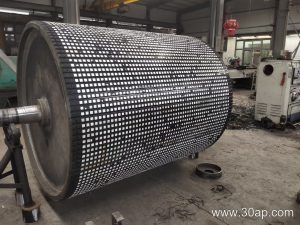
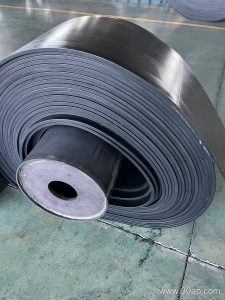
A heavy-duty lagged pulley is the robust, rubber-covered drum that drives or redirects a conveyor belt in demanding bulk material handling. The lagging—usually a thick rubber or ceramic layer bonded to the shell—increases friction between the pulley and the belt, reducing slip and protecting the pulley shell from wear. In a typical installation, this pulley works with a conveyor belt, idler rollers, and conveyor brackets to keep material moving reliably.
While drive, tail, and bend pulleys serve different positions and are not interchangeable, the lagged construction is common on drive pulleys where grip matters most. This article focuses on the heavy-duty variant used in mines, cement plants, and power stations.
Construction and Key Components
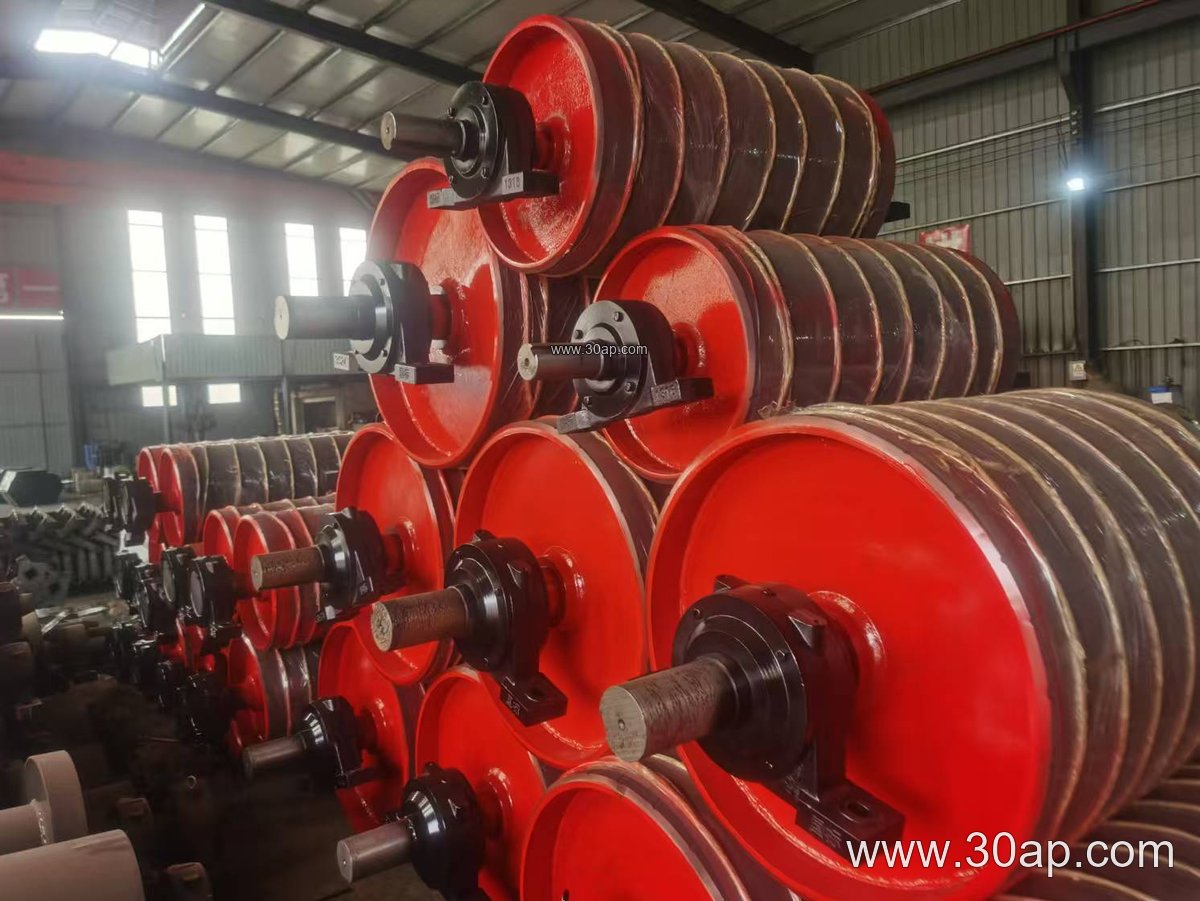
The core is a thick steel shell, often with welded end discs and a sturdy shaft. The shaft diameter is determined by torque and load—common sizes range from Ø50 to Ø200 mm—not simply by belt width. The lagging is applied in several forms:
- Hot-sulfurised rubber lagging (8–20 mm thick)
- Cold-bonded rubber lagging
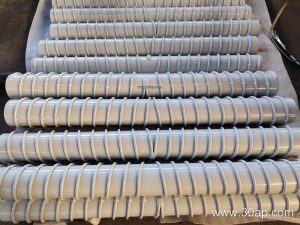
- Diamond or herringbone grooved rubber for better water and debris shedding
- Ceramic lagging for extremely abrasive conditions
The pulley face width is usually slightly wider than the belt. For example, a B800 belt often runs on a pulley with about 950 mm face width, while a B1200 belt might use a 1400 mm face. Typical diameters for heavy-duty service include Ø500, Ø630, Ø800, Ø1000, and Ø1250 mm. These are reference ranges, not fixed pairings; final dimensions depend on belt tension, speed, and space constraints.
Where It Fits in the System
Heavy-duty lagged pulleys are found in primary crushing circuits, coal handling plants, and clinker lines. In a quarry or limestone mine, a lagged drive pulley at the head end ensures the conveyor belt does not slip under heavy rock loads. In a coal-fired power plant, the same pulley type handles abrasive coal with a flame-retardant conveyor belt. The tail pulley may also be lagged to improve tracking and reduce material build-up, but its design priorities differ from a drive pulley.
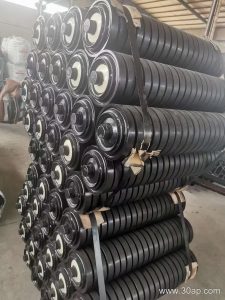
Related equipment such as conveyor brackets and idler rollers must be aligned with the pulley to avoid belt mistracking. The pulley is not a substitute for proper take-up tension; it works alongside a tensioning system.
Selecting the Right Lagging and Dimensions
Buyers should match lagging material to the environment. Rubber lagging suits general abrasive service, while ceramic lagging is preferred for wet, sticky, or highly abrasive materials. Grooved lagging helps in wet conditions by channelling water away. Thickness is often 10–15 mm for heavy-duty use, but thicker layers (up to 20 mm) may be specified for very high-torque drives.
Belt width and pulley diameter are related to conveyor capacity and belt tension, but one belt width does not dictate a single diameter. A B1000 belt might run on a Ø630 pulley in one plant and a Ø800 pulley in another, depending on the drive power and belt type. Always confirm shaft size from the actual torque calculation, not from a rule of thumb. For underground coal mining, flame-retardant and anti-static properties of the conveyor belt are critical; the pulley lagging should also be selected to avoid static build-up.
Maintenance and Buyer Checklist
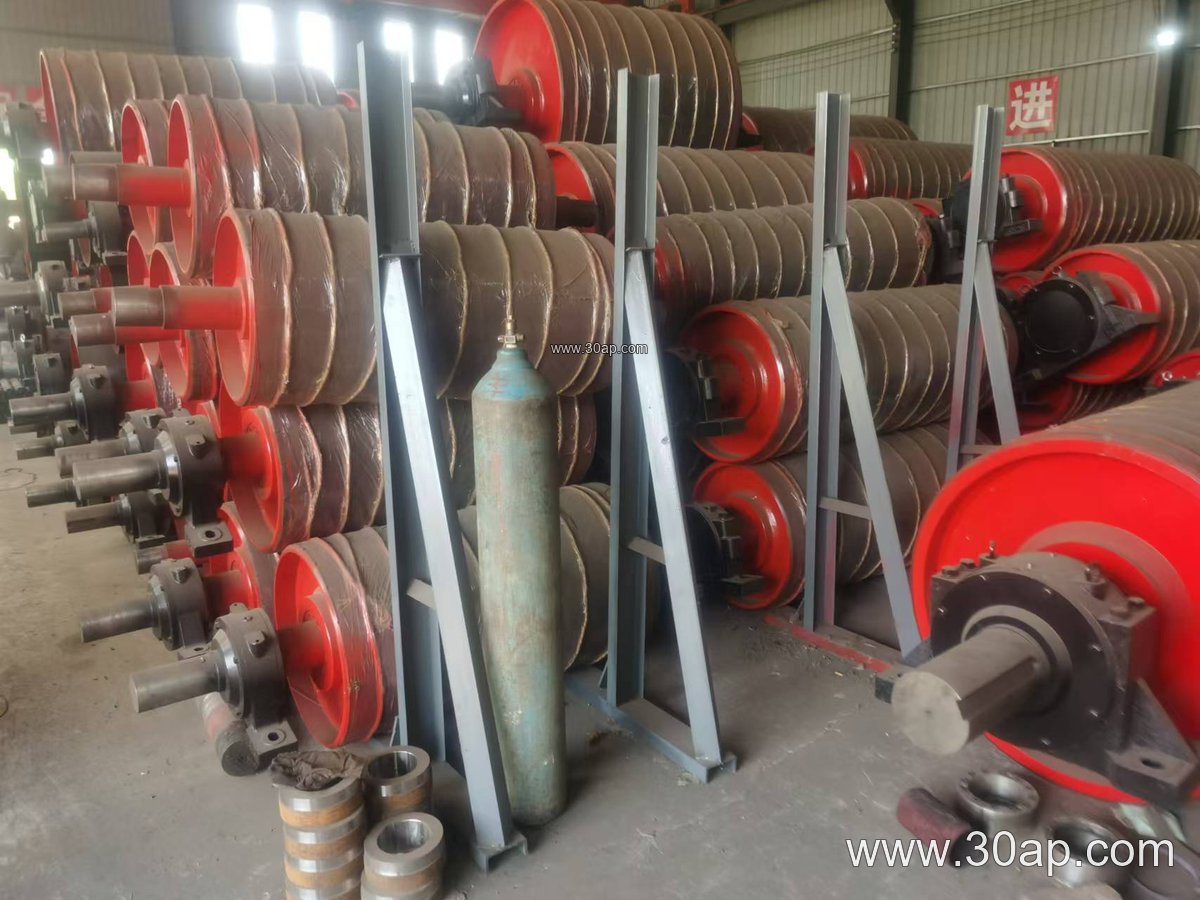
Regular inspection of lagging wear, bolt tightness, and shaft alignment prevents unplanned stoppages. Worn or glazed lagging reduces friction and can cause belt slip, especially in wet conditions. When replacing lagging, verify that the pulley shell is clean and that the new lagging matches the original thickness and groove pattern.
Before ordering a heavy-duty lagged pulley, gather the following:
- Belt width and type (e.g., EP conveyor belt, steel cord conveyor belt)
- Required pulley diameter and face width
- Shaft diameter and bearing size
- Lagging material and thickness
- Operating environment (abrasive, wet, underground)
For example, a B1400 conveyor belt in a copper ore plant may use a Ø800 pulley with 15 mm diamond rubber lagging, while a B650 belt in a small aggregate line might use a Ø500 pulley with 10 mm plain rubber. These are illustrative combinations; final selection should follow the conveyor designer’s specifications.
For more information on conveyor components, visit heavy-duty lagged pulley and conveyor belt resources. Always consult qualified engineers for critical installations.